
Antique Cabinet Pediment
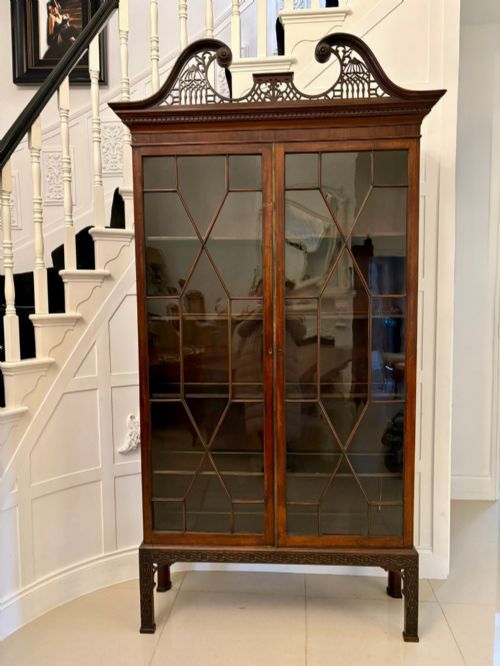
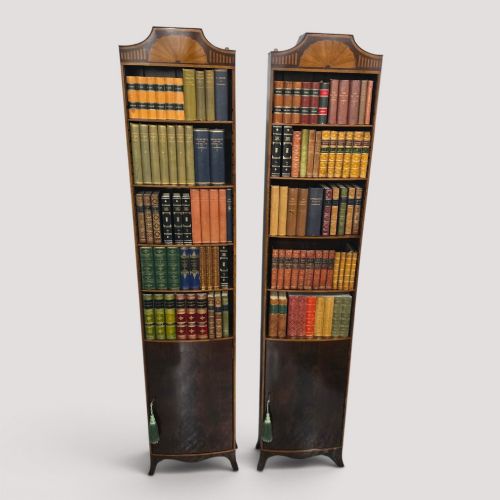
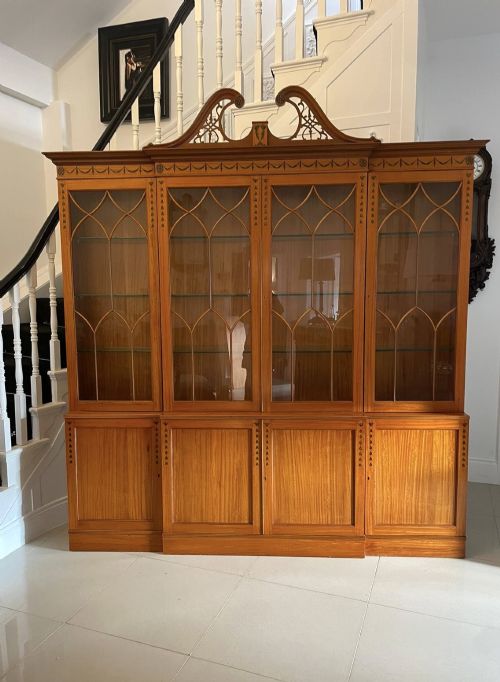
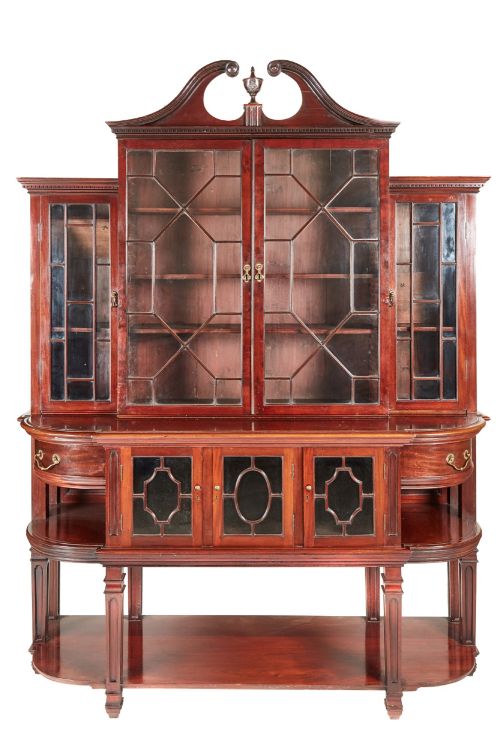
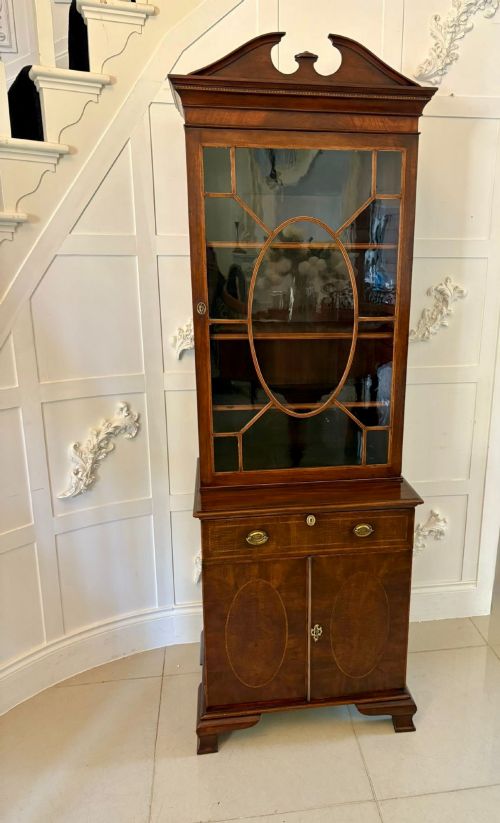
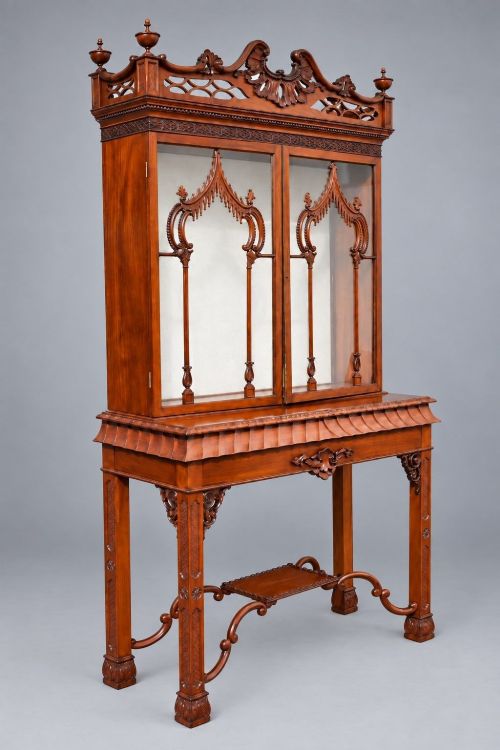
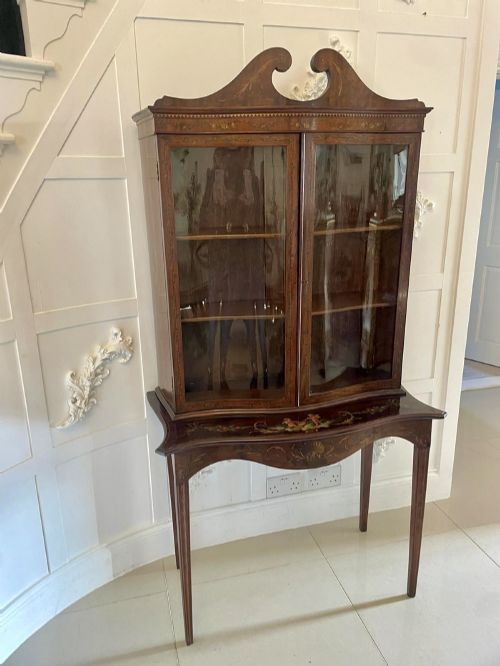
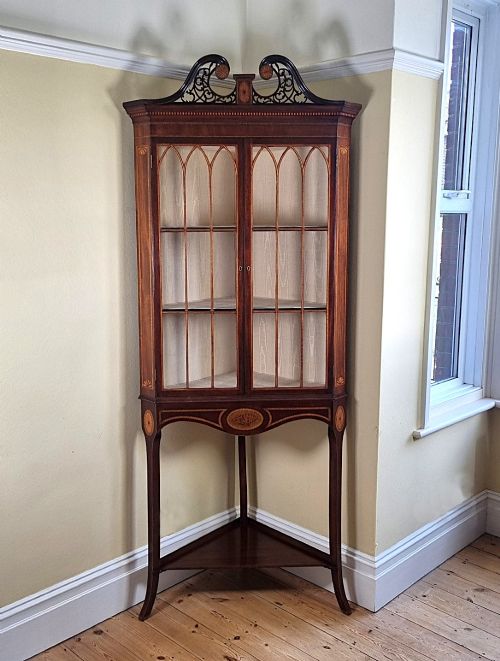
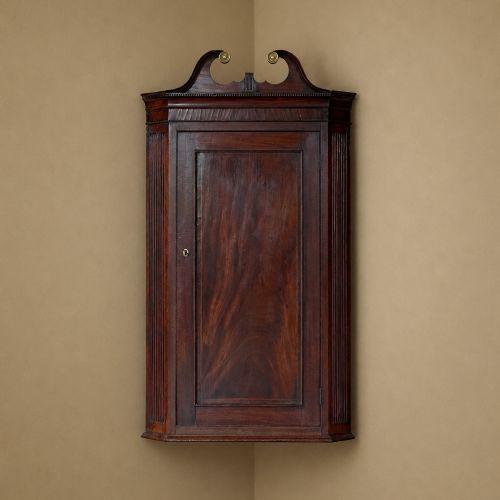
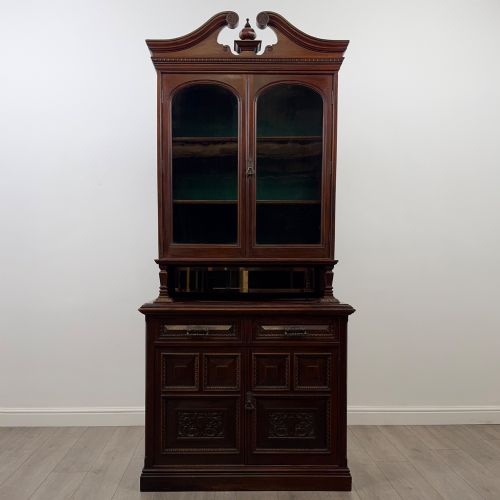
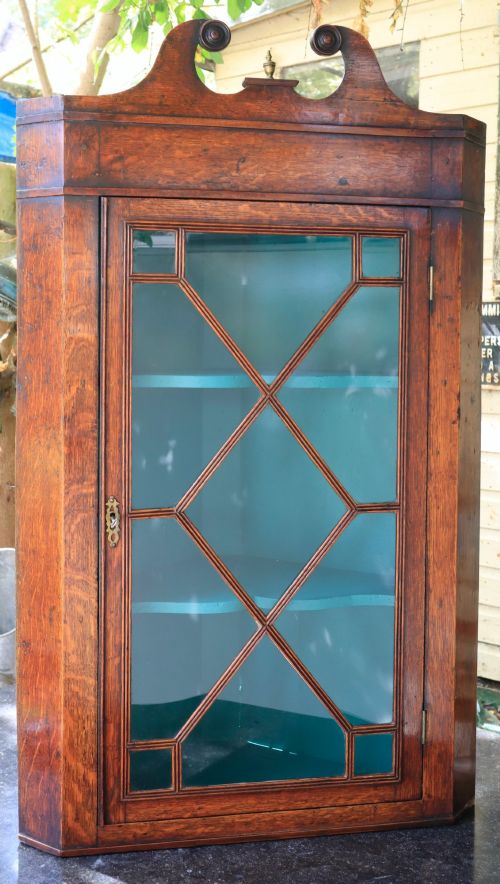
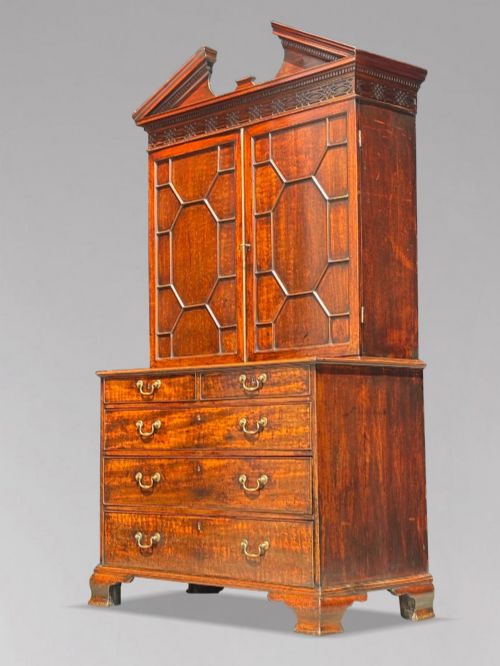
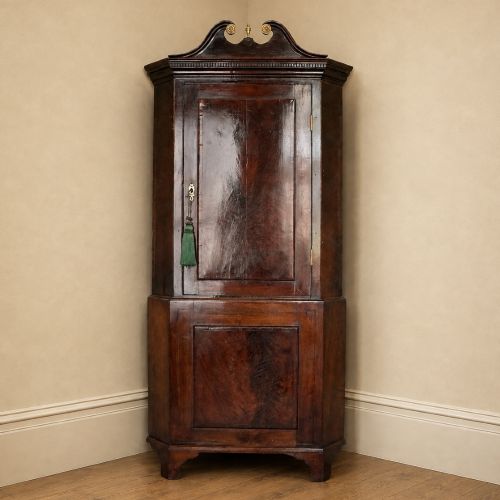
An antique cabinet pediment crowns the top of bookcases, display cabinets and corner cupboards with architectural authority.
Antique Cabinet Pediment
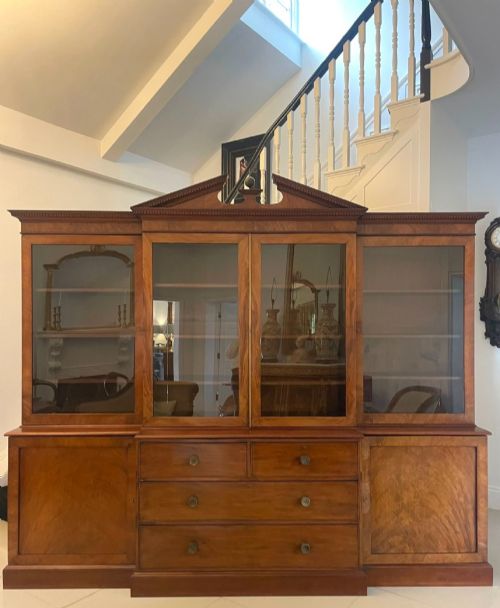
An antique cabinet pediment forms the upper architectural crown of large case furniture such as bookcases, breakfront display cabinets, and corner cupboards. When searching for this phrase, collectors encounter detached architectural elements as well as the crowning details surmounting Georgian, Victorian, and Edwardian cabinets.
The pieces appearing on this page derive primarily from the eighteenth and nineteenth centuries, spanning Georgian, Victorian, and Edwardian eras. Forms range from standing corner cupboards and bureau bookcases to breakfront display cabinets and linen presses.
Mahogany remains the dominant wood across these architectural crowns, frequently accompanied by walnut, satinwood, and oak. Details such as glass panels, brass fittings, and mirror backs frequently complement the structural woodwork.
How they were made
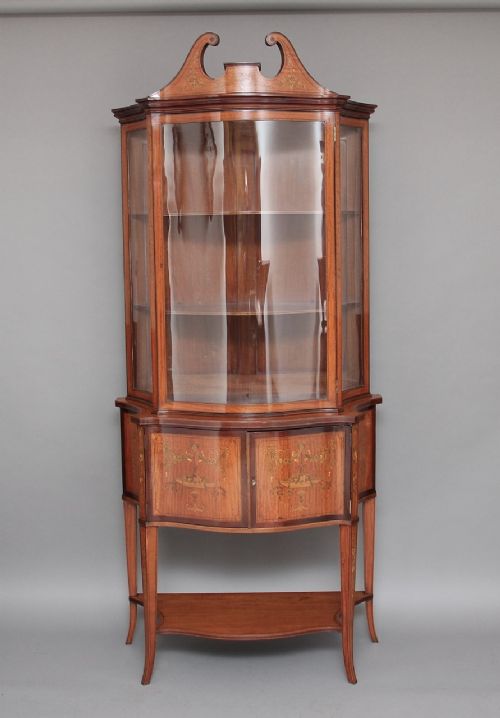
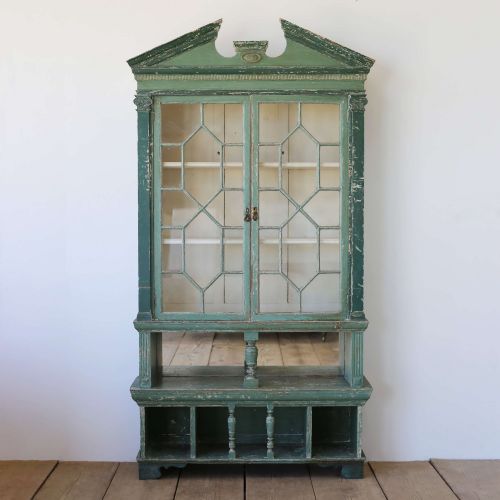
Cabinetmakers constructed these architectural crowns predominantly using solid and veneered mahogany, often embellished with satinwood inlay, marquetry, and painted decoration. Carpenters shaped the timber to form swan neck, broken arch, and temple pediment profiles atop the main carcass.
Joinery techniques involved precise hand-cut joints that secured the pediment firmly to the top of bookcases and corner cupboards. Master craftsmen integrated brass hardware, glass glazing bars, and mirror glass into the associated cabinet doors and upper sections.
Materials recorded across the inventory include mahogany, walnut, satinwood, oak, brass, and mirror glass.
What varies in quality
The standard of carving and the selection of timber dictate the distinction between ordinary and superior cabinet pediments. Dense, richly figured mahogany and crisply executed architectural moulding demonstrate the maker's superior skill.
Proportion and the integrity of original decoration also separate exceptional examples from standard production. Pieces retaining original painted highlights, fine marquetry inlay, and untouched surface patination command greater regard from collectors.
Edwards and Roberts·Thomas Chippendale
The Antique Cabinet Pediment Glossary
- Pediment
- The decorative architectural crowning element situated above the door frame or bookcase cornice. It provides a classical focal point for tall case furniture.
- Breakfront
- A piece of furniture whose central section projects forward from the flanking wings. This architectural arrangement creates a pronounced sense of depth.
- Astragal
- A small moulding profile, often used in series to divide glass panes within cabinet doors. These wooden bars form geometric glazed patterns.
- Marquetry
- The art of applying decorative veneer pieces in various woods to form pictorial or geometric patterns. It enhances the visual richness of cabinet surfaces.
- Linen Press
- A tall double-door cabinet traditionally used for storing textiles and linens, featuring sliding trays or shelves behind the upper doors.
Antique Cabinet Pediment: Frequently Asked Questions
What is an antique cabinet pediment?
An antique cabinet pediment is the decorative architectural crown surmounting tall case furniture like bookcases and corner cupboards. These elements draw upon classical architecture to finish the upper profile of the piece.
They appear in various styles including broken arch, swan neck, and temple designs. Craftspeople shaped them from timbers like mahogany and walnut to match the cabinet below.
Which periods do these pieces date from?
The pieces and cabinets featuring these pediments date primarily from the eighteenth and nineteenth centuries. Georgian, Victorian, and Edwardian eras represent the core periods found in the collection.
Earlier examples often display George II or George III stylistic traits in mahogany and walnut. Later Victorian and Edwardian interpretations frequently incorporate Chippendale revival motifs and satinwood inlay.
How do I care for wooden cabinet pediments?
Caring for wooden cabinet pediments requires maintaining stable room humidity and avoiding direct sunlight. Gentle dusting with a dry cloth preserves the aged timber surface and any applied wax finish.
Harsh chemical cleaners must be avoided to protect original patination and delicate inlay work. Periodic light waxing helps nourish hardwoods like mahogany and satinwood.
How are corner cupboards constructed?
Corner cupboards feature specialised triangular construction designed to fit neatly into room angles. They combine structural side panels with shelved interiors enclosed by single or double doors.
The upper section often terminates in a distinct pediment, while lower portions may stand independently or rest upon a separate stand.