




Antique Mahogany Moulding
Antique mahogany moulding frames architectural salvage and mirrors, offering rich timber grain and period character that elevates any interior wall.
Antique Mahogany Moulding
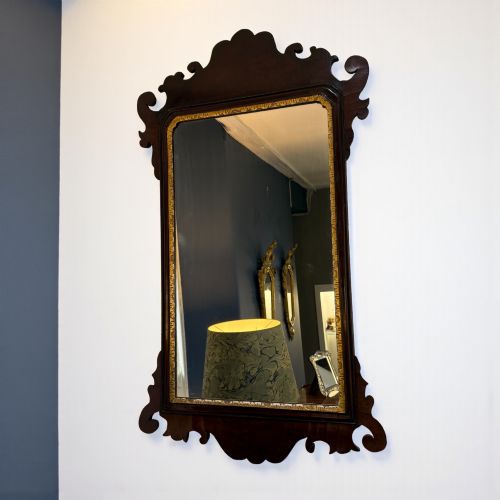
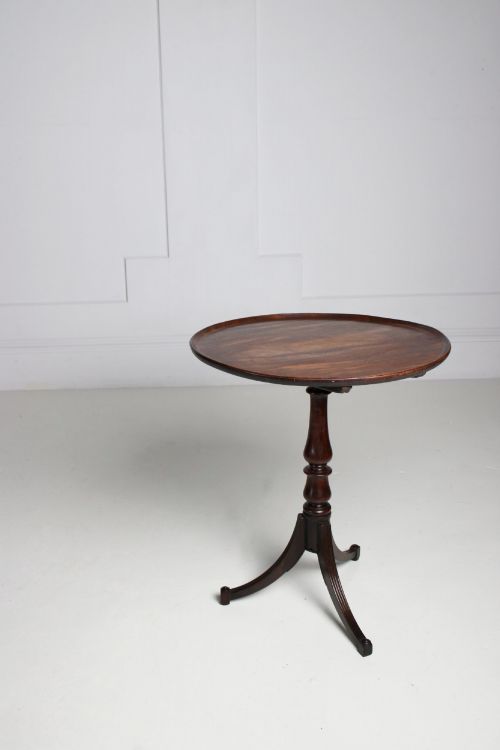
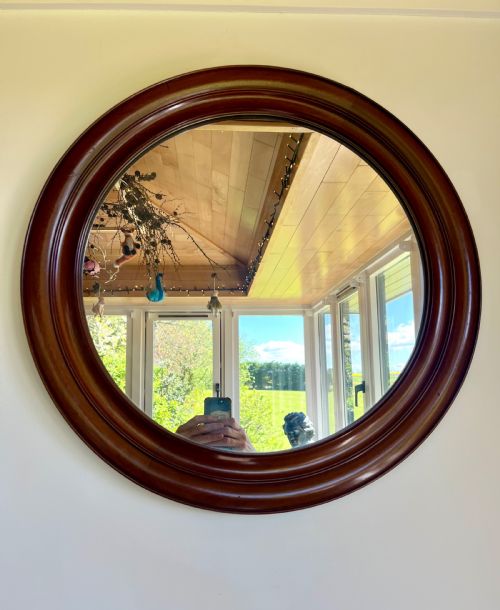
When you search for antique mahogany moulding, you encounter architectural timber elements alongside frames belonging to wall mirrors and pedestals. These pieces originate from periods spanning the Georgian era through to the late nineteenth and early twentieth centuries, reflecting diverse historic joinery traditions.
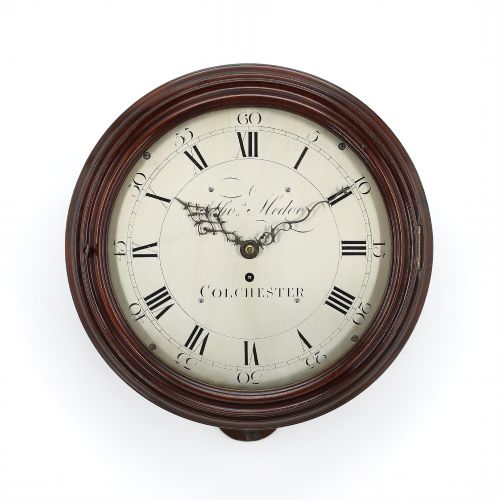
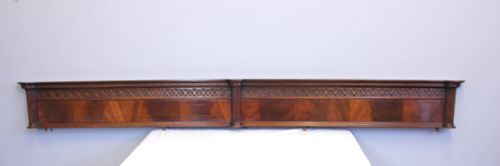
The version you are most likely to meet on this page is linear timber trim or decorative framing integrated into larger architectural salvage pieces and wall mirrors. These items demonstrate the durable qualities of mahogany sourced by joiners working in the Georgian, Victorian, and Edwardian eras.
Materials and construction
Makers shaped these sections from solid mahogany using hand planes and specialised moulding irons to achieve crisp, consistent profiles along the timber length. The dense structure of the wood allowed craftsmen to execute sharp lines and delicate curves without splitting.
Surfaces were traditionally finished with hand-applied wax or oil to nourish the grain and develop a deep lustre over decades of exposure. Where moulding frames mirrors or architectural salvage, traditional joinery methods such as mitred corners and pegged joints secure the timber.
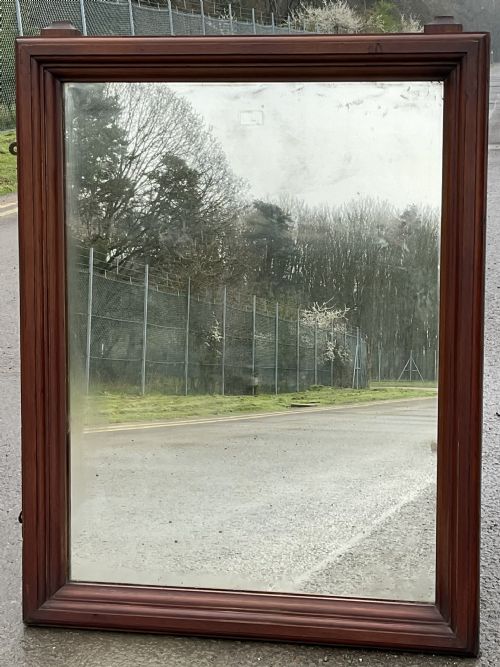
Some nineteenth-century mirrors wear foxed glass plates that reflect the room with a dreamy, historic softness.
Judging the quality
Quality in antique mahogany moulding rests upon the crispness of the timber profile and the depth of the natural wood grain. Superior examples display sharp, unblunted lines where the hand plane or iron met the wood cleanly.
The selection of the timber itself marks the distinction between standard joinery and finer work, with well-figured grain commanding greater appreciation. Preservation of the original surface patination without aggressive modern sanding remains essential to the integrity of the piece.
The Antique Mahogany Moulding Glossary
- Mahogany
- A durable tropical hardwood prized for its rich reddish-brown colour and stable working properties. It takes a fine finish and resists warping.
- Moulding
- A strip of timber with a carved or machined profile used to create decorative transitions or frames. It adds depth and shadow to architectural surfaces.
- Pediment
- A triangular or decorative architectural crown placed above mirrors, doors, or furniture. It draws the eye upward and finishes the composition.
- Architectural salvage
- Building materials and decorative elements rescued from older structures for reuse. These fragments preserve historic craftsmanship.
- Patina
- The surface sheen and colour developed by aged materials through handling, polishing, and oxidation over time. It signals genuine age.
Antique Mahogany Moulding: Frequently Asked Questions
What is antique mahogany moulding used for?
These timber profiles serve as decorative trim, framing elements for antique mirrors, or architectural salvage components for period interiors.
Collectors and restorers utilise them to repair historic joinery or incorporate genuine period wood into custom interior projects.
How do I date mahogany moulding?
Dating relies on examining the timber species, the tool marks left by the maker, and the style of the profile itself. Georgian and Victorian profiles often display hand-planed characteristics distinct from later machine-cut timber.
Comparing the construction methods of the backing or associated frame helps narrow down the period of manufacture.
How should I clean mahogany moulding?
Maintain the surface by dusting gently with a dry, soft cloth to prevent the accumulation of grit in the carved recesses.
Avoid modern liquid cleaners or silicone polishes, applying traditional beeswax sparingly if the timber appears dry.
Is all mahogany moulding solid wood?
Most antique moulding is cut from solid timber, particularly on smaller decorative elements and mirror frames from the Georgian and Victorian eras.
Larger architectural salvage pieces may combine solid mouldings applied to secondary framing woods.