

Georgian Carved Wood Top
Georgian carved wood top items are solid timber tables and desks offering practical utility and period character.
Georgian Carved Wood Top
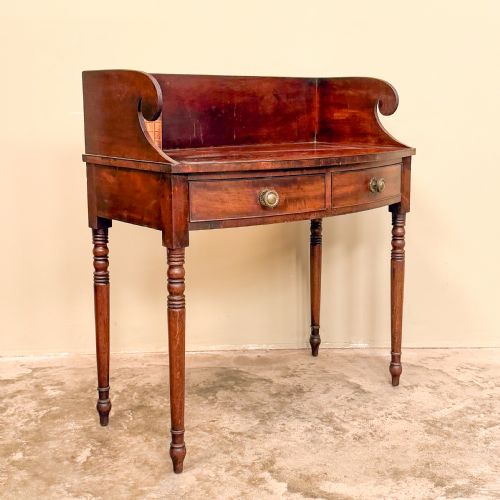
When you search for Georgian carved wood top, you encounter a selection of occasional tables, desks, card tables, and washstands originating predominantly from the eighteenth and nineteenth centuries. These pieces encompass forms such as tripod dining tables, pedestal desks, and games tables constructed primarily in mahogany, walnut, and rosewood.
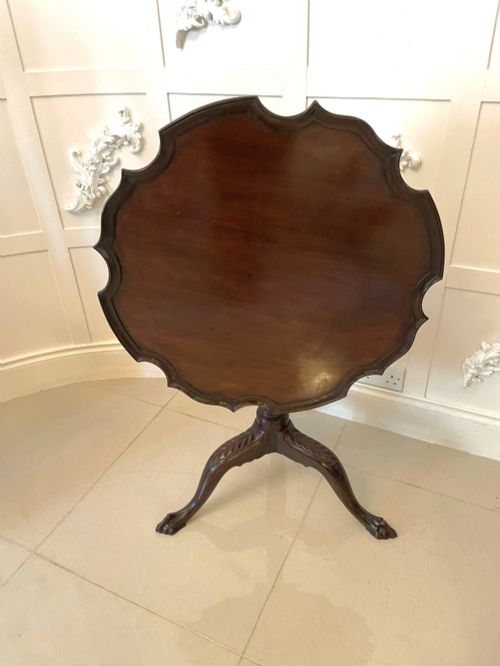
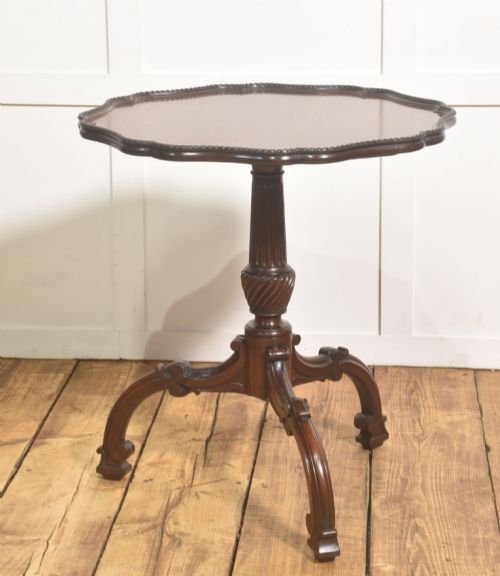
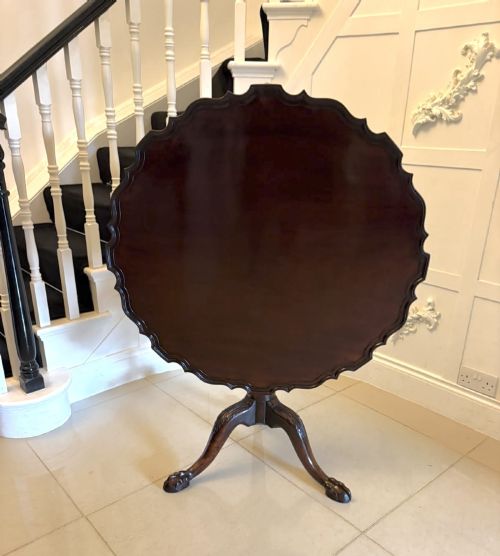
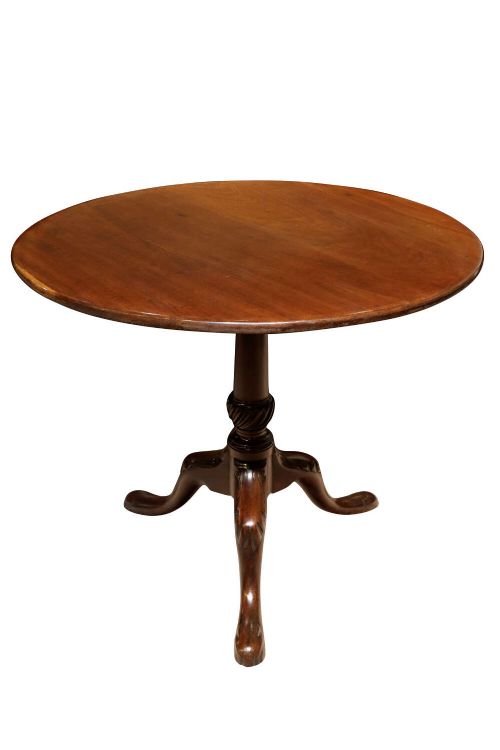
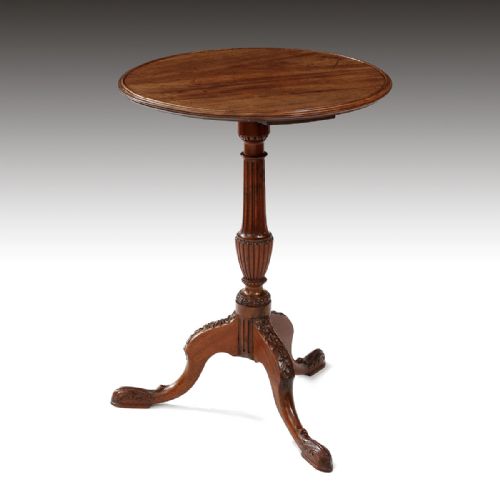
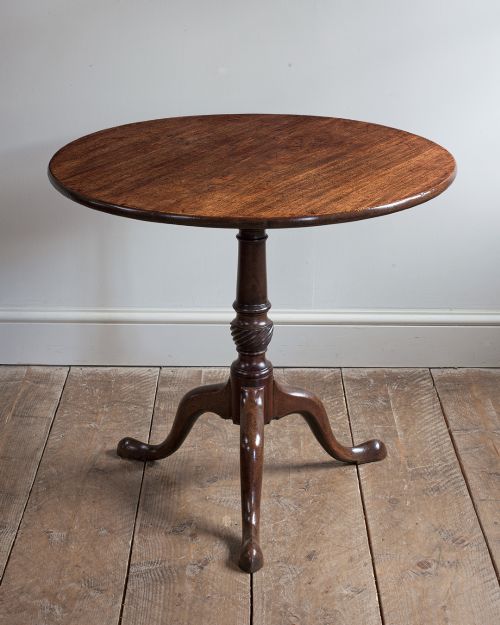
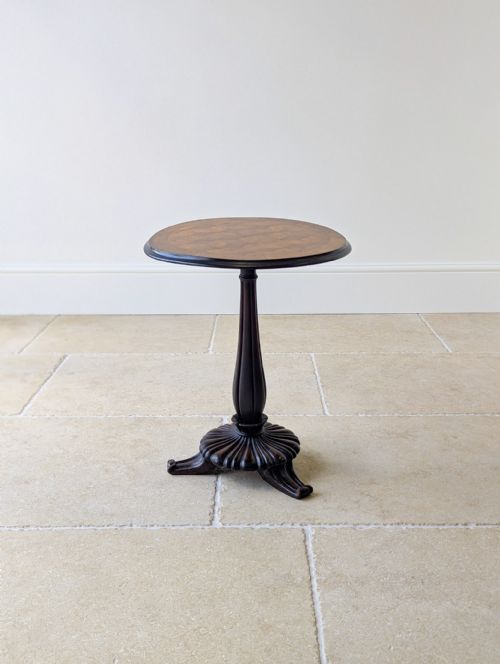
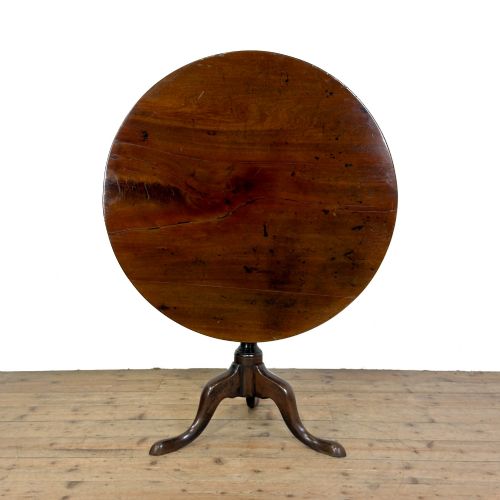
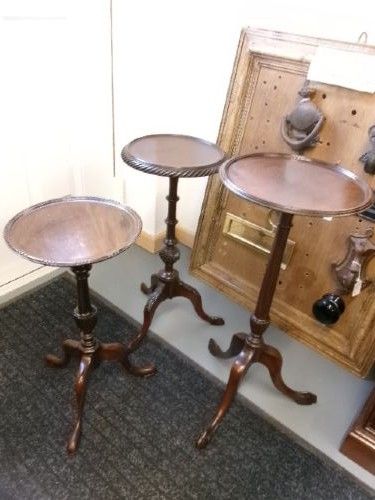
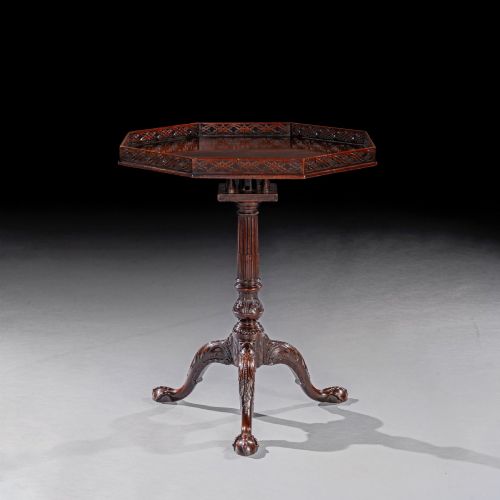
The version you are most likely to meet on this page is the tripod table or occasional table featuring a tilting or fixed timber top supported by a carved pillar and legs. Examples span specific reigns including George III and George IV, alongside Regency and Victorian interpretations of earlier designs.
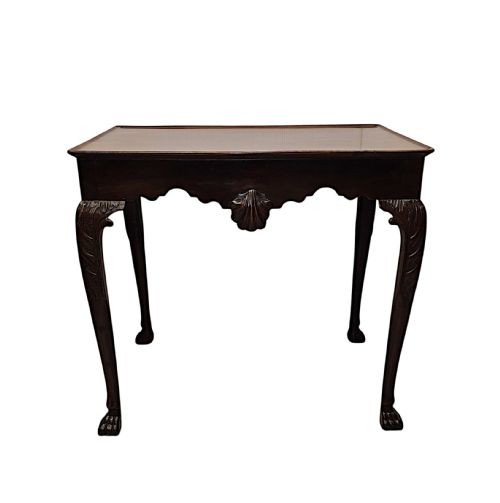
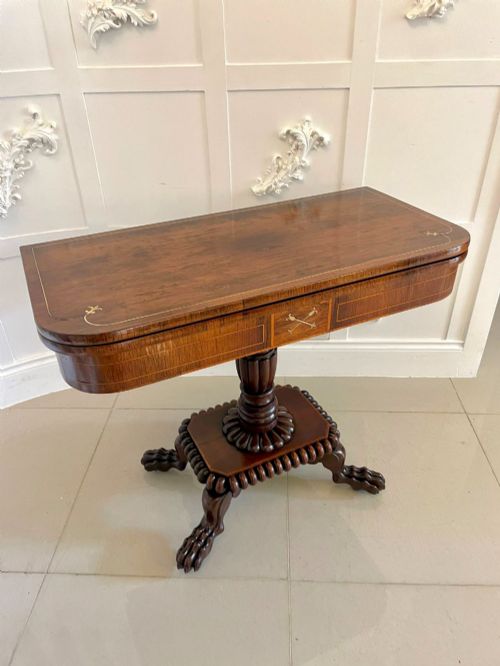
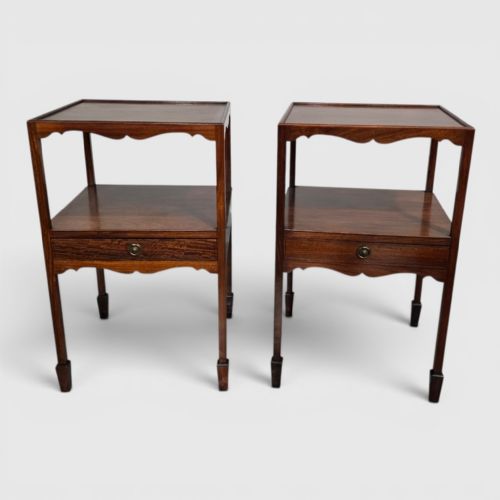
Beyond standard tables, the selection includes specialised items like brass-inlaid card tables, leather-topped writing desks, and tray-topped side tables. These furnishings served distinct domestic functions in period interiors, ranging from bedside storage to formal entertaining.
How they were made
Cabinet makers utilised dense hardwoods such as mahogany, rosewood, and walnut, selecting figured timbers for prominent surfaces like table tops and desk lids. Secondary timbers often provided stable internal framing for drawers and carcases.
Carving was executed by hand directly onto the solid wood, shaping details along table edges, pedestals, and legs such as piecrust borders or tripod feet. Inlays of brass, alongside distinct grain patterns in burr walnut, added decorative contrast to plain or polished expanses.
Listings feature mahogany, walnut, and rosewood across periods spanning the eighteenth through the early twentieth century.
What varies in quality
The standard of carving determines much of the visual distinction between pieces, with crisply defined mouldings and deep relief work separating finer examples from simpler production. Subtle variations in the figuring of the timber, particularly on table tops and desk surfaces, reflect the selection grade of the original material.
Proportion and stability also differentiate the range, as well-balanced tripod bases and tightly joined joints indicate superior cabinet making. The inclusion of secondary details, such as original brass inlay or distinctive edge treatments like piecrust rims, marks out higher tiers of craftsmanship.
Gillow
The Georgian Carved Wood Top Glossary
- Tripod table
- A small freestanding table supported by a central pillar resting on three legs. These tables often feature tilting tops for convenient storage when not in use.
- Piecrust top
- A raised, decorative wooden rim carved with undulating curves resembling a pastry crust. This technique appears on high-end eighteenth-century occasional and dining tables.
- Tilt-top
- A hinged table top that pivots from horizontal to vertical. This mechanism allowed tables to be placed against walls to save floor space.
- Card table
- A folding table designed for gaming or card playing, typically featuring a baize or leather-lined playing surface. Many examples open on a pivoting leg action to support the unfolded leaf.
Georgian Carved Wood Top: Frequently Asked Questions
What is a tilt-top table used for?
Tilt-top tables served as versatile occasional furniture in historic homes, easily moved beside seating areas for dining or tea. When the top was pivoted into a vertical position, the table occupied minimal floor space against a wall.
This practical mechanism made them popular for multi-use rooms where furniture layout changed frequently throughout the day.
How do I identify a George III table?
George III pieces typically date from the second half of the eighteenth century and display classic proportions rooted in Georgian design. Look for dense mahogany timbers, hand-carved tripod bases, and restrained decorative elements.
Construction details such as traditional joinery and patination acquired over centuries help distinguish these items from later nineteenth-century revivals.
Where were side tables placed in a home?
Side tables found placement against perimeter walls in hallways, drawing rooms, and dining spaces. They held lighting, decorative objects, or served as auxiliary surfaces during gatherings.
Freestanding writing desks and card tables were positioned closer to light sources near windows or in the centre of rooms.
What is burr walnut veneer?
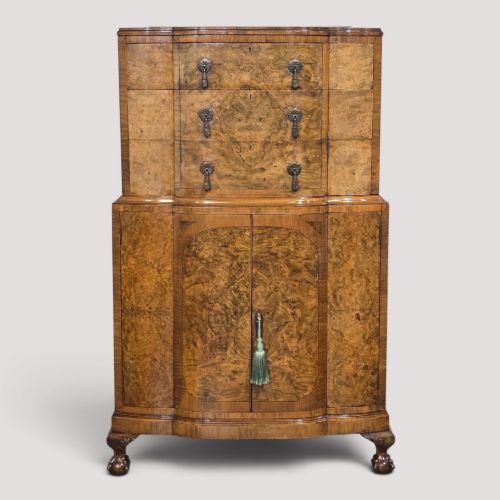
Burr walnut refers to the highly figured wood grain harvested from walnut tree growths or root junctions. Cabinet makers sliced this timber into thin veneers to cover larger surfaces on tables and desks.
This technique created complex, swirling patterns that highlighted the natural beauty of the wood in luxury furniture.