

Antique Buttoned Couch
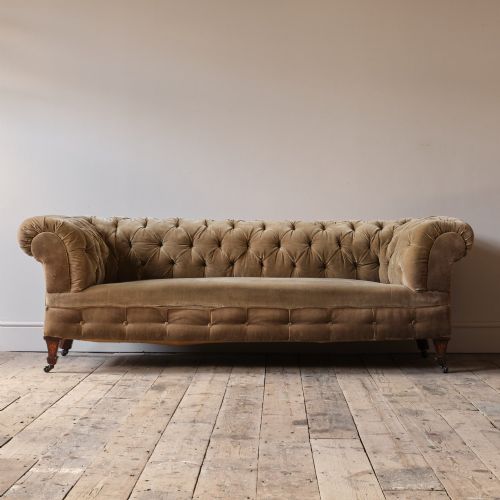
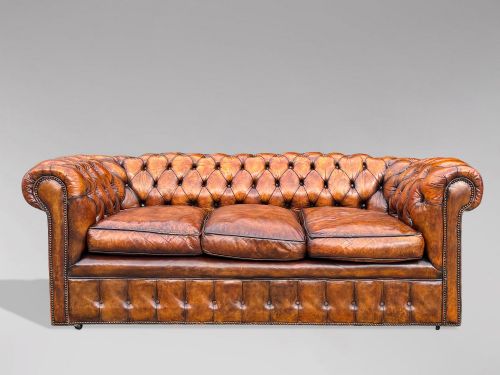
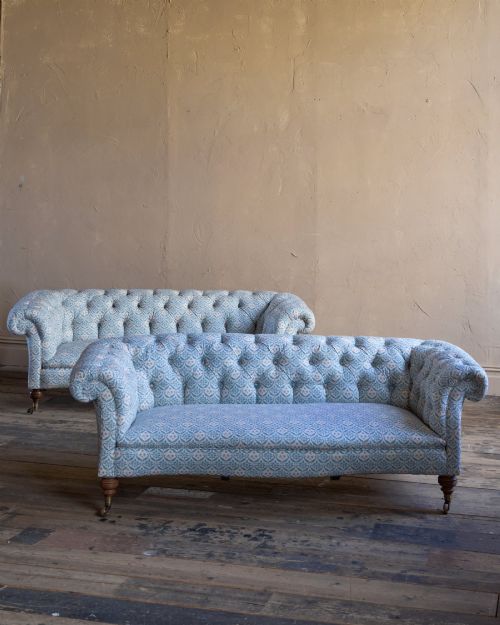
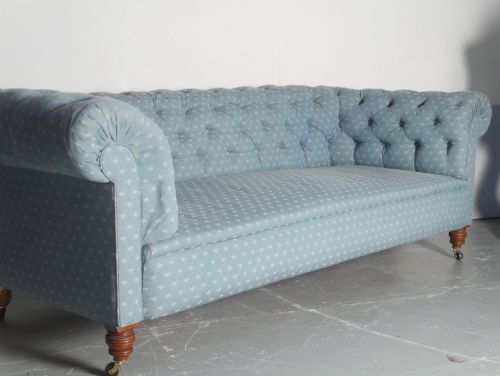
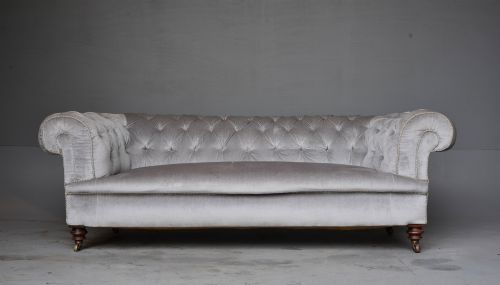
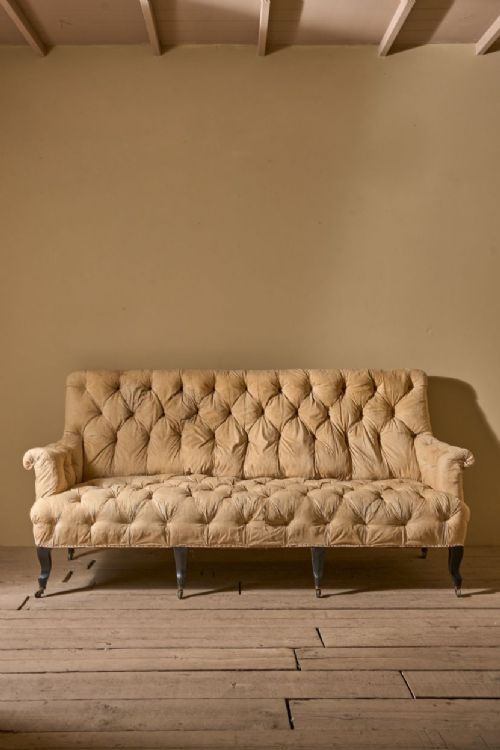
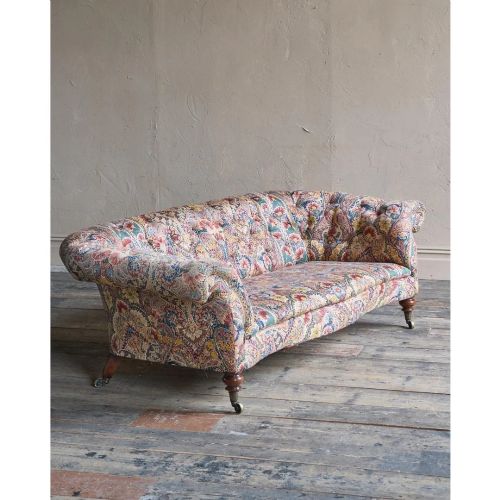
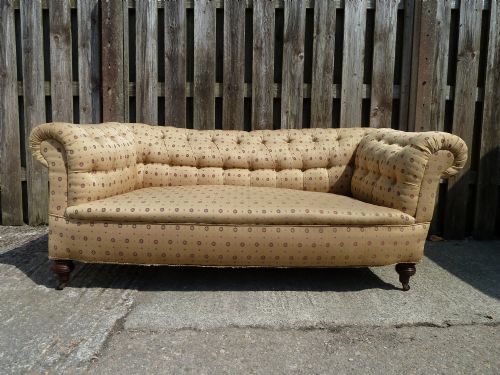
An antique buttoned couch brings deep upholstery and rolled arms into a drawing room, offering structured support with generous depth.
Antique Buttoned Couch
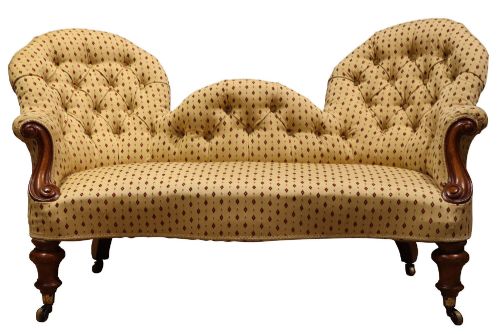
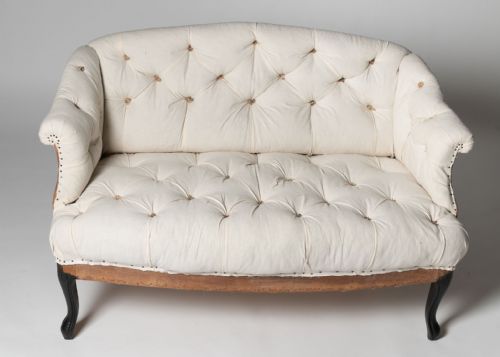
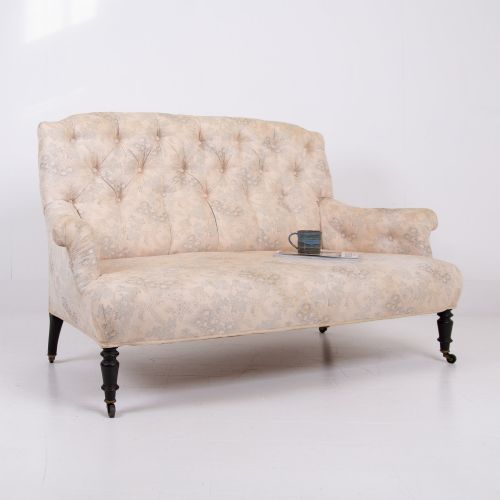
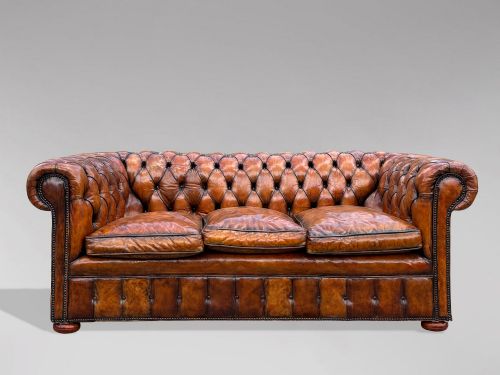
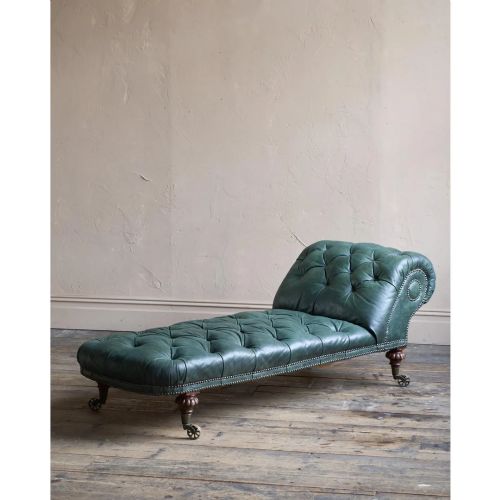
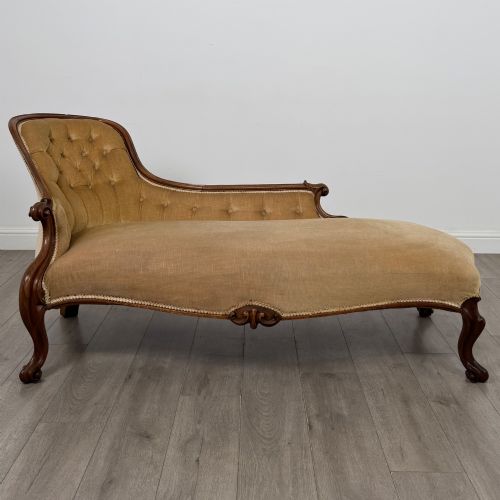
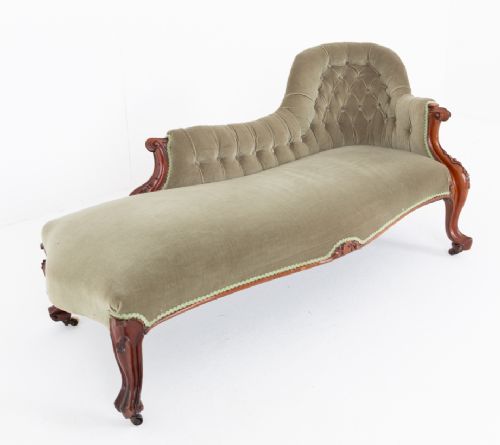
When you search for an antique buttoned couch, you encounter deep-buttoned chesterfields, curved chaise longues, and sprung settees dating from the nineteenth century into the early twentieth century. These pieces originate primarily from British workshops and French makers, spanning styles from Victorian and Napoleon III to Edwardian and grand regency.
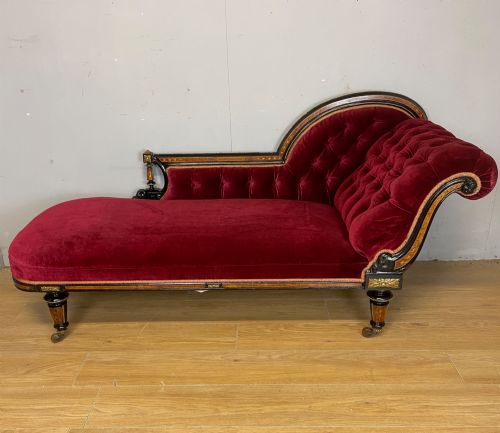
The version you meet most often on this page is the Victorian brown leather or fabric chesterfield, alongside mahogany or rosewood framed chaise longues with button backs. These seating forms served formal reception rooms and private libraries, designed for upright sitting or reclining.
Timelines stretch from the early eighteen-hundreds through to nineteen-thirty, capturing walnut and mahogany frames, serpentine fronts, and low-slung profiles. Each configuration reflects the domestic comfort and reception spaces of its period.
Materials and Construction
Frames rely on hardwoods such as mahogany, walnut, rosewood, and timber, joined to support heavy sprung bases and horsehair stuffing. Cabinetmakers carved and polished these wooden structures, often incorporating brass castors, inlaid panels, and ormolu decoration.
Upholstery employs traditional stuffing materials including horsehair, coil springs, and deep-pile brocade, velvet, or leather secured with tight buttoning. Makers finished edges with hand-tacked leather or fabric, creating the characteristic tufted surface pattern.
Antique Buttoned Couch Retail Price Guide 2026
Typical asking prices for buttoned couch among the pieces listed under this phrase on Sellingantiques today, from the lower quarter to the upper quarter. They describe what is for sale here now, not the wider market.
Standard and Execution
The distinction between tiers rests upon the integrity of the internal stuffing and the crispness of the timber frame. Pieces retaining original horsehair stuffing and robust coil foundations demonstrate superior longevity compared to those with compromised internal structures.
Cabinetwork precision on exposed wood elements, such as carved rosewood or mahogany frames, separates standard production from finer workshop output. The regularity of the deep buttoning and the grade of the leather or fabric upholstery further define the grade of the piece.
Howard and Sons·C. Hindley and Sons·H. Goodall and Sons·Holland and Sons
The Antique Buttoned Couch Glossary
- Chesterfield
- A large upholstered sofa with arms and back of the same height, traditionally featuring deep button tufting. This form provides formal upright seating with padded support.
- Chaise longue
- An elongated upholstered chair designed for reclining, typically featuring a single raised backrest at one end. Examples appear in mahogany, walnut, and rosewood frames.
- Ormolu
- Gilt-bronze decorative mounts applied to wooden furniture frames. This technique adds metallic detail to nineteenth-century seating.
- Horsehair stuffing
- Animal hair used as a traditional interior padding material for seats and backs. It offers resilient support beneath leather and fabric covers.
- Serpentine
- A furniture front or edge curving inward then outward in a continuous wave. This shape appears on nineteenth-century sofa bases and frames.
Antique Buttoned Couch: Frequently Asked Questions
How do I care for leather?
Leather upholstery requires regular dusting and occasional treatment with suitable conditioning balms to maintain flexibility and prevent drying.
Keep the couch away from direct sunlight and heat sources to protect the natural hide from fading and cracking.
Where were these placed?
These pieces sat in Victorian drawing rooms, libraries, and formal reception spaces. They served for reading, conversation, and daytime resting.
Chaise longues typically occupied bedrooms or boudoirs, while large chesterfields anchored main living areas.
How do I date a piece?
Dating relies on timber types, frame styles, and upholstery techniques recorded in the construction. Mahogany and rosewood frequently indicate mid-nineteenth-century origins.
Examining the internal webbing, springs, and stuffing materials provides further clues to the manufacturing decade.