

Antique Buttoned Back Chair
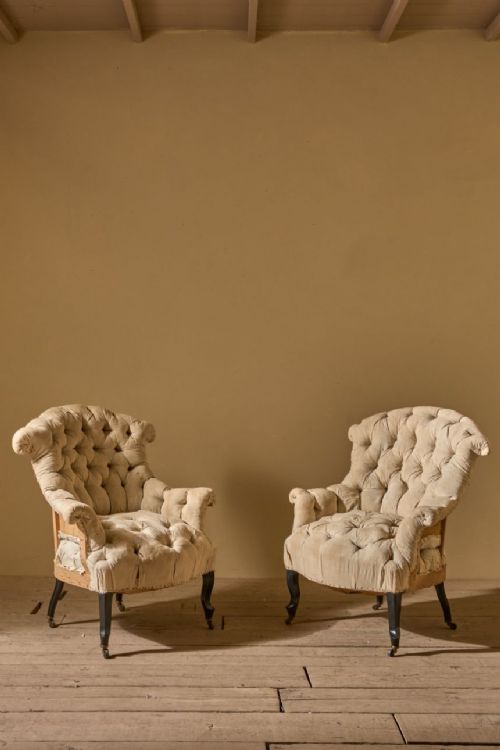
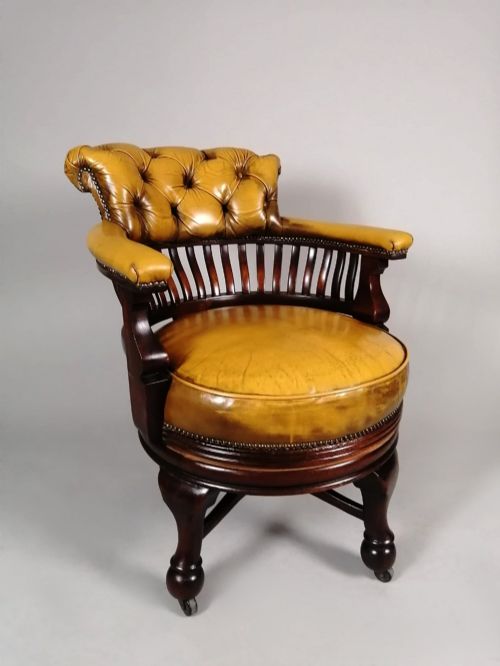
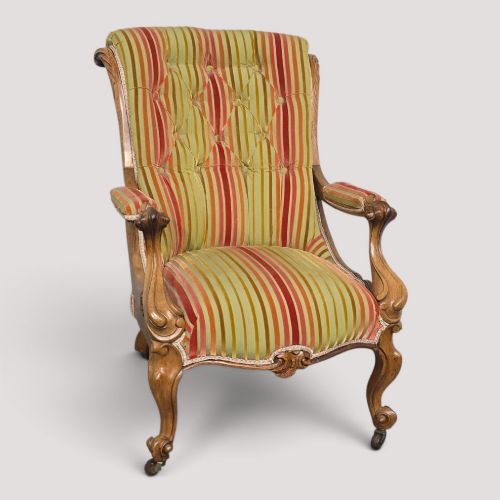
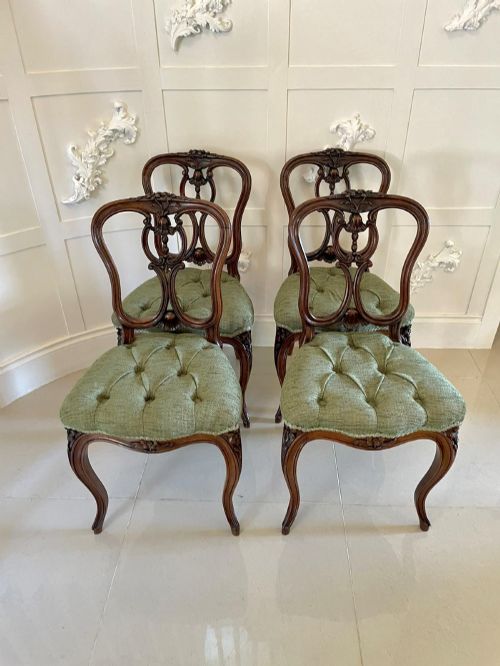
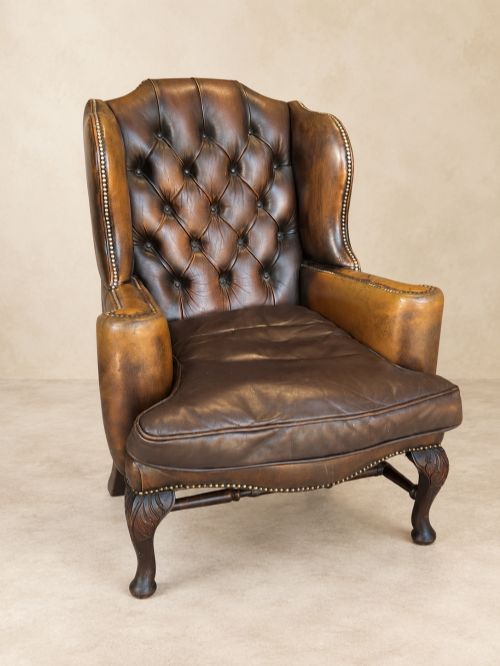
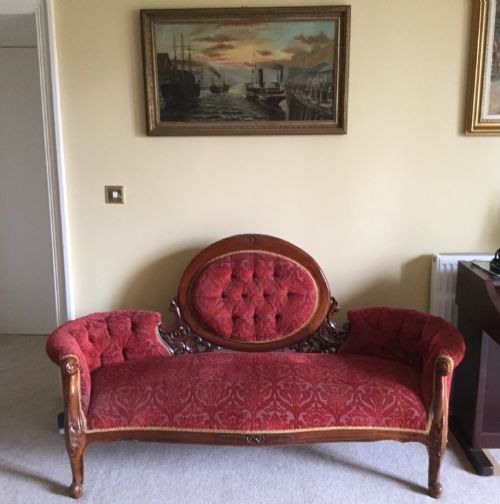
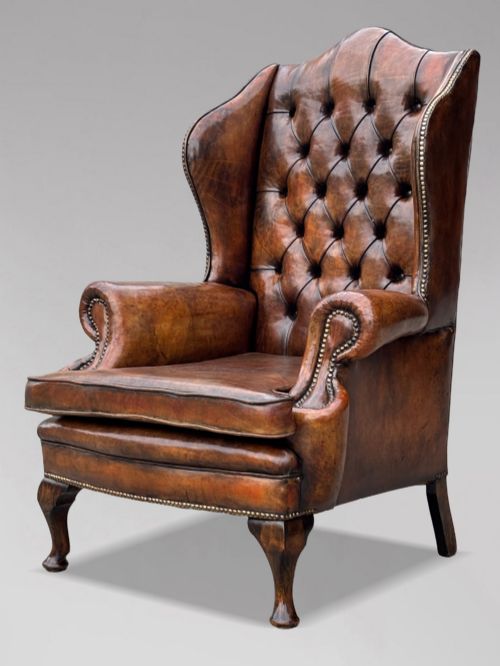
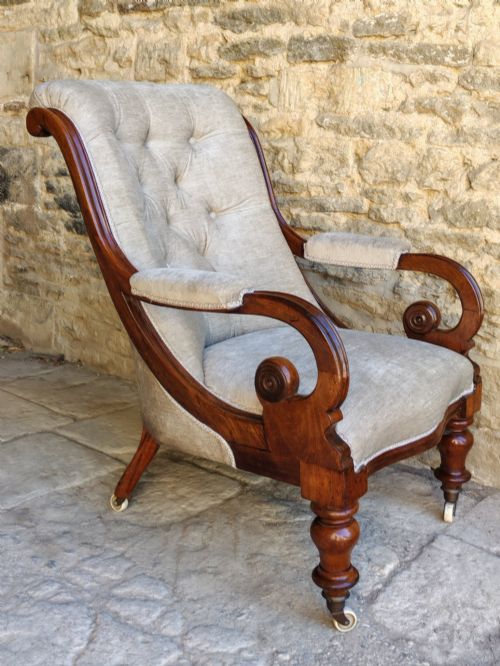
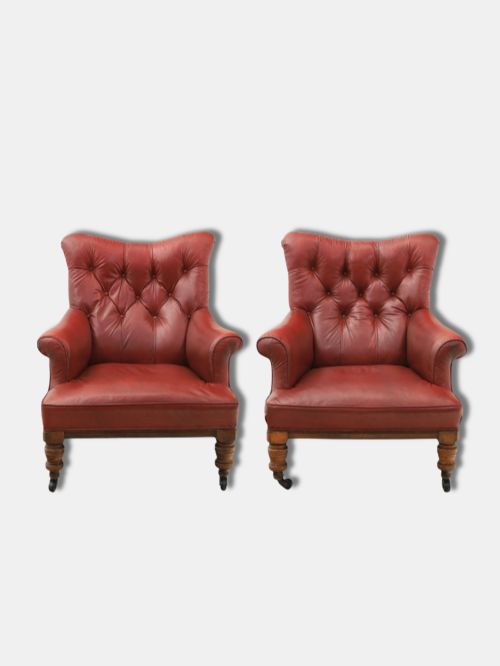
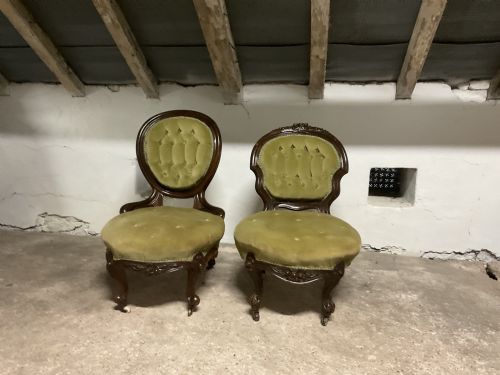
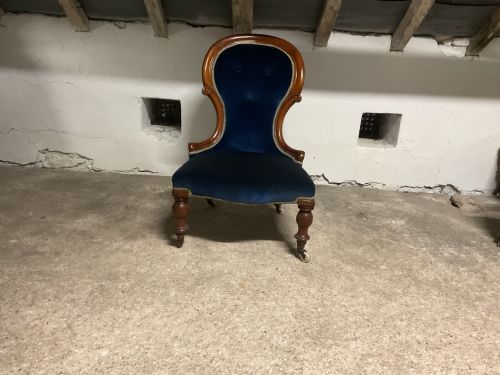
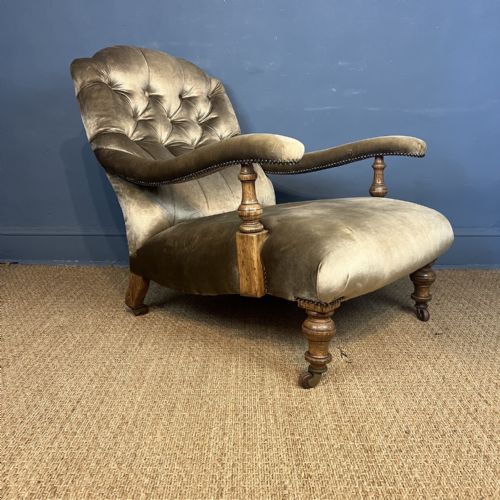
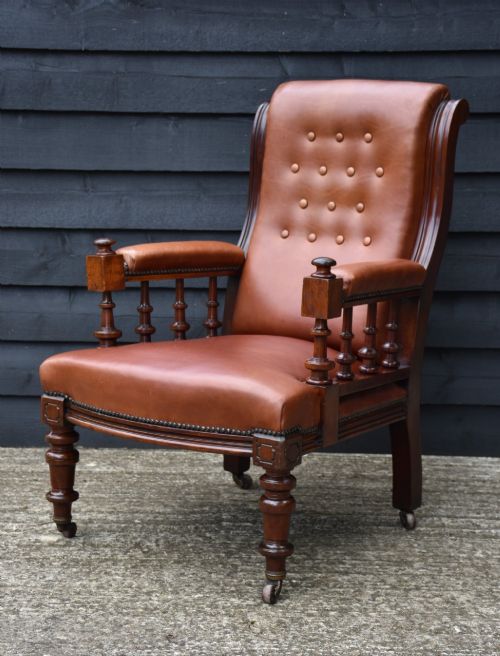
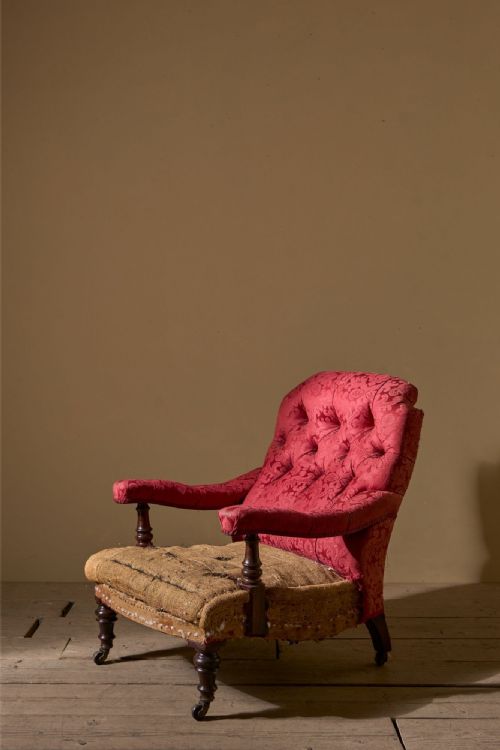
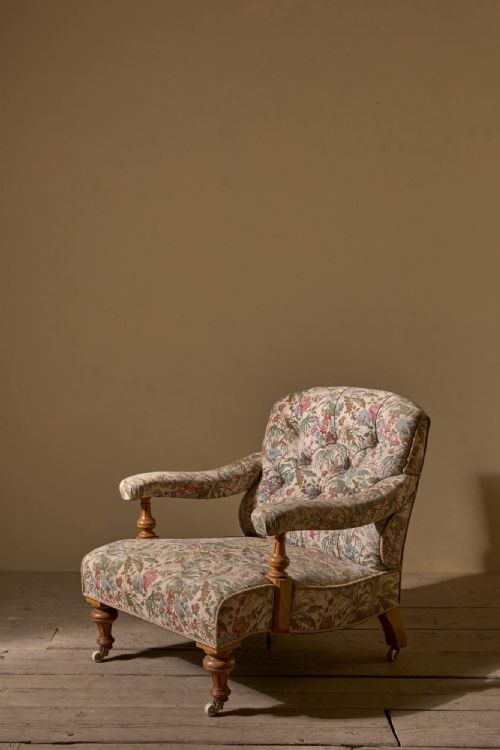
An antique buttoned back chair brings deep tufted comfort and period presence to a room, ranging from library armchairs to nursing seats.
How they were made
Makers constructed the supportive frames of each antique buttoned back chair from hardwoods such as mahogany, oak, walnut, and rosewood. These timbers provided the structural integrity needed to withstand the tension of deep button upholstery and heavy daily use.
Upholstery involved securing horsehair or similar stuffing over sprung bases, followed by pulling twine deep through the layers to create the signature tufted buttons. Fabrics applied over these foundations included wool velvet, leather, calico, brocade, and rexine, often secured with brass tacks.
What varies_in_quality
The calibre of an antique buttoned back chair rests upon the proportion and joinery of the wooden frame, alongside the precision of the tufting work. Pieces originating from documented makers or notable workshops demonstrate superior carving in the walnut or mahogany supports and more balanced proportions in the arms and back.
Upholstery materials also dictate the tier of the piece, with heavy full-grain leather, silk velvet, or intricate brocade denoting higher original commissions compared to standard calico or later rexine coverings. The density and resilience of the internal sprung base further separate standard domestic seating from luxury library and country house examples.
Current listings feature pieces spanning the 19th Century, Victorian, Regency, and Edwardian periods, constructed in mahogany, walnut, oak, leather, and velvet.
Howard and Sons·Gillows·Holland and Sons·Mellier and Co
The Antique Buttoned Back Chair Glossary
- Buttoning
- The technique of pulling twine through upholstery padding and securing it with buttons to create a diamond-shaped tufted pattern. This method keeps internal stuffing firmly distributed across the backrest.
- Wing armchair
- A high-backed seating form featuring projecting side panels designed to shield the sitter from draughts. These pieces frequently feature deep leather buttoning.
- Nursing chair
- A low-seated Victorian chair originally designed for comfort in domestic chambers. They often appear with buttoned upholstery and turned wooden legs.
- Chaise longue
- An elongated upholstered seat intended for reclining, combining elements of a chair and a day bed. Examples from this period commonly feature scrolled buttoned backs.
- Sprung base
- An internal network of metal springs integrated into the seat construction to enhance elasticity and comfort. This foundation supports the upper padding and upholstery.
Antique Buttoned Back Chair: Frequently Asked Questions
How were buttoned chairs used historically?
Historically, these chairs served functional roles in libraries, drawing rooms, and country house parlours. Deep leather versions provided sturdy, comfortable seating for reading and writing.
Smaller nursing chairs were designed with low seats for domestic comfort, while chaise longues offered places for daytime reclining.
How do I style an antique buttoned chair?
Living with these pieces involves placing them as statement seating in studies, living rooms, or bedrooms. Their textured upholstery pairs effectively with both period and modern interiors.
Consider the scale of the room, as high-backed wing chairs require more visual space than low occasional or parlour chairs.
How do I tell Victorian chairs apart?
Distinguishing Victorian pieces involves examining the timber species, turnings, and framing styles characteristic of specific decades. Mid-Victorian examples often employ walnut or mahogany with distinct revival motifs.
Maker stamps on the wooden frame or castors can also help identify the period and workshop origin.