


Antique Butter Dish
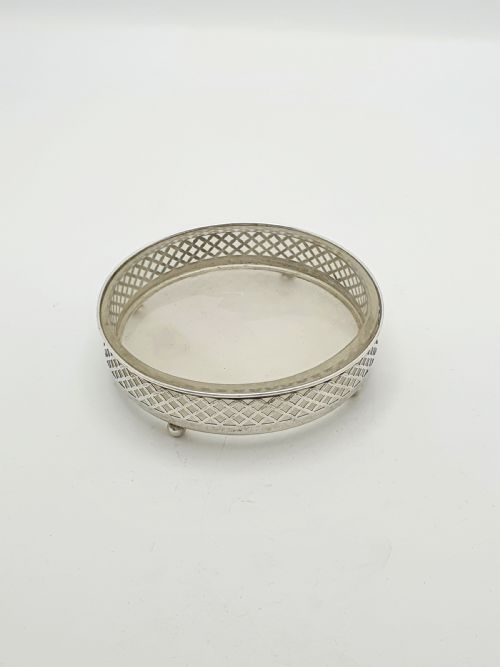
An antique butter dish serves as a charming table accessory, holding dairy products in porcelain, glass or silver.
Antique Butter Dish
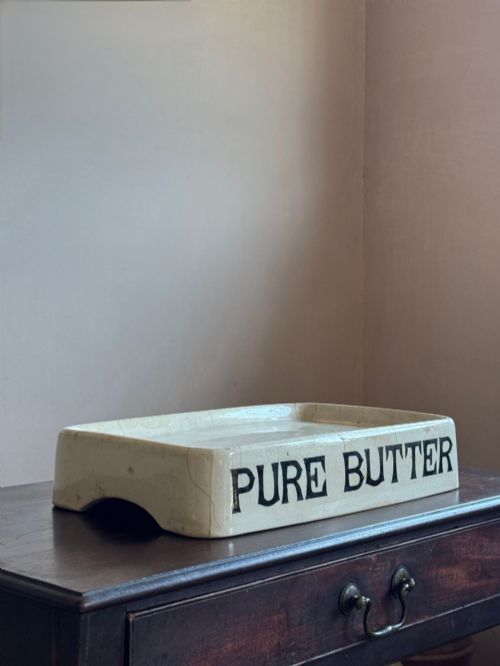
An antique butter dish encompasses various serving vessels designed for the dining table, spanning from Georgian silver shells to Victorian covered glass containers. These pieces reflect historical dining customs where butter and cheese held prominent places on the household table.
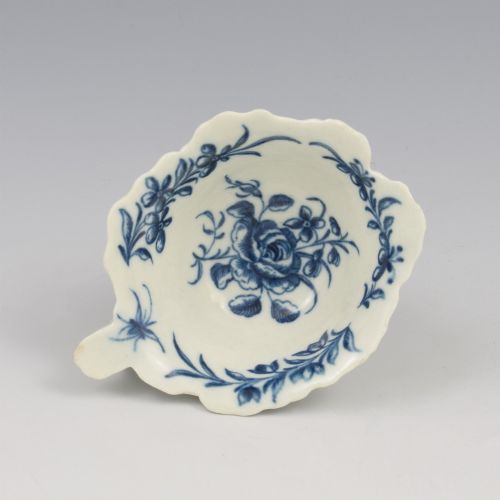
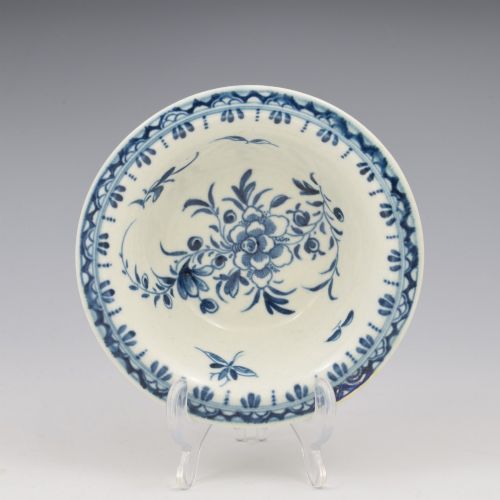
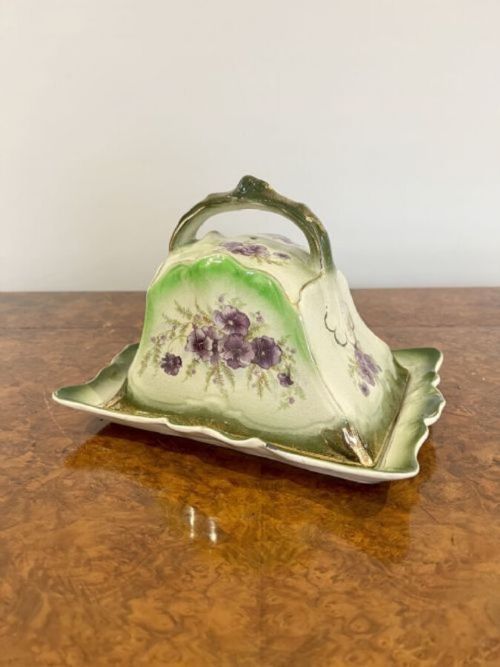
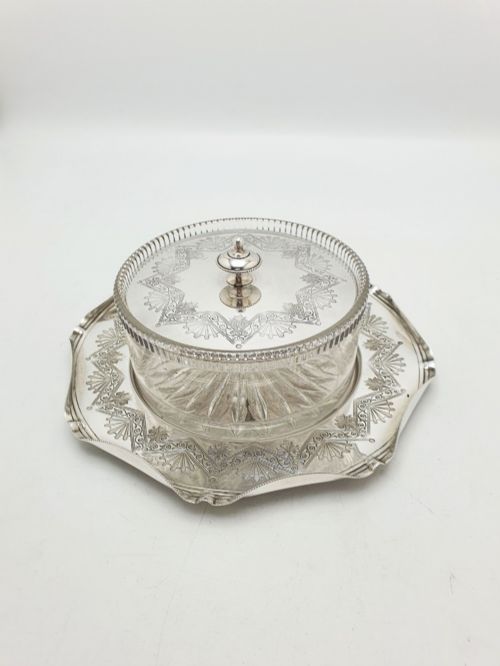
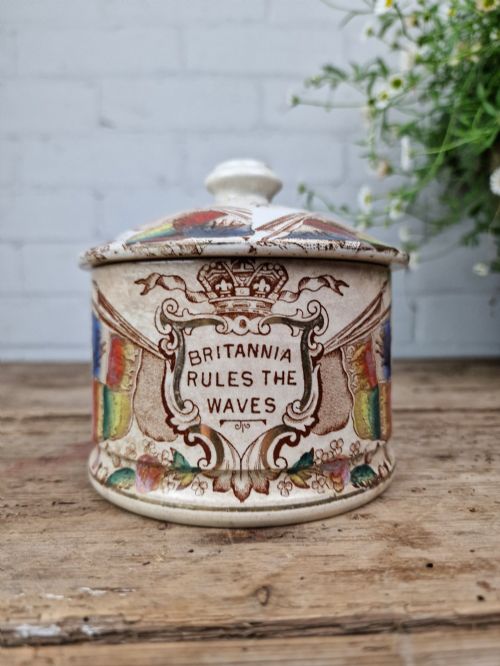
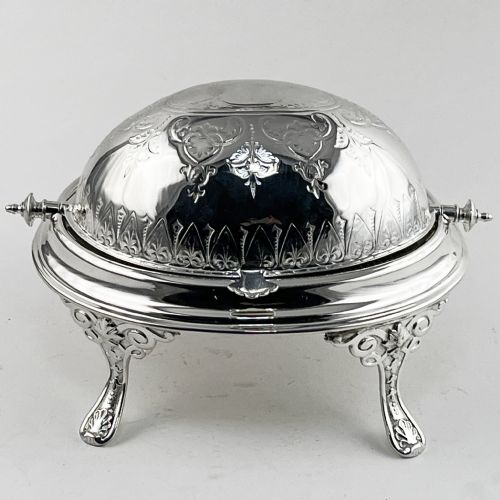
The selection here includes porcelain butter boats, silver-plated revolving lidded servers, and earthenware cheese covers. Examples range from eighteenth-century Worcester porcelain to Edwardian cased silver sets, demonstrating diverse domestic utility across different periods.
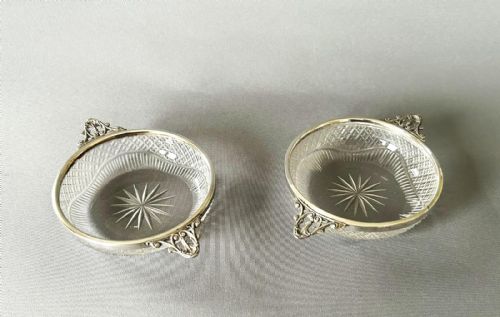
Silver plate and cut glass dominate the later Victorian and Edwardian offerings, often featuring fitted glass liners and matching knives. Early specimens lean towards porcelain and solid silver shells in the Rococo style.
Materials and Construction
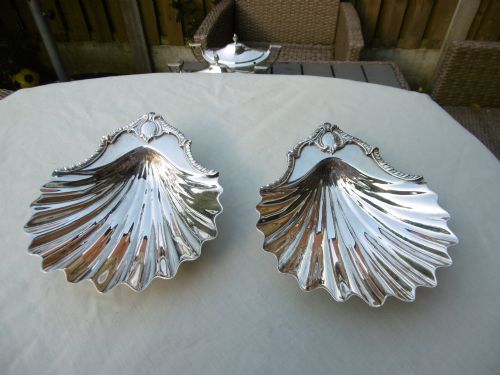
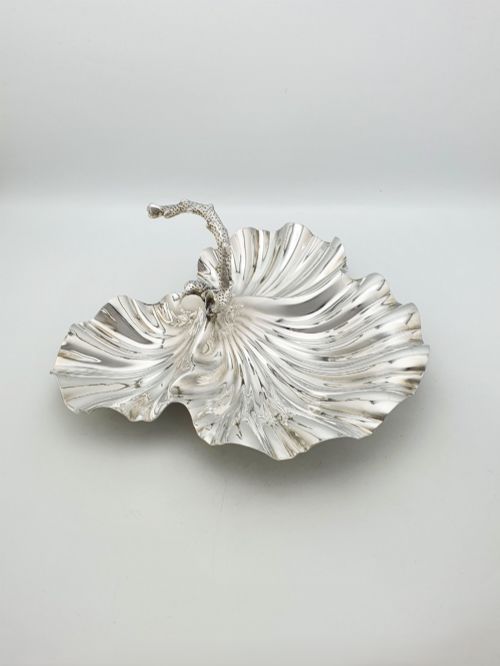
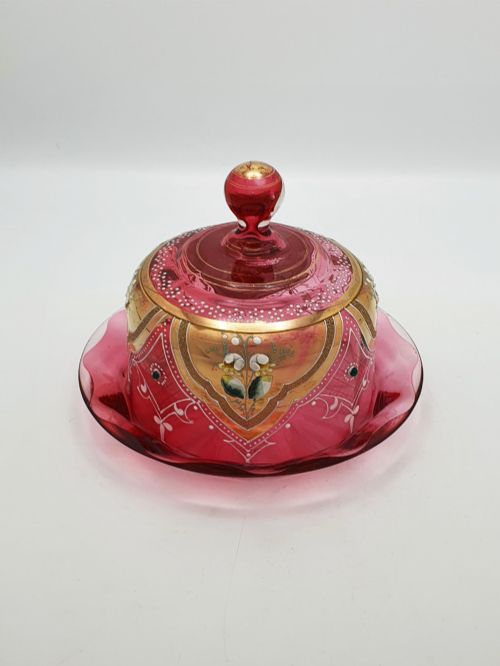
Silversmiths utilised sterling silver and silver plate, often shaping metal into naturalistic scallop shells with cast handles or piercing the body for decorative effect. Glass was moulded, cut, or blown into liners and covers, sometimes utilising rich cranberry or green opaline hues.
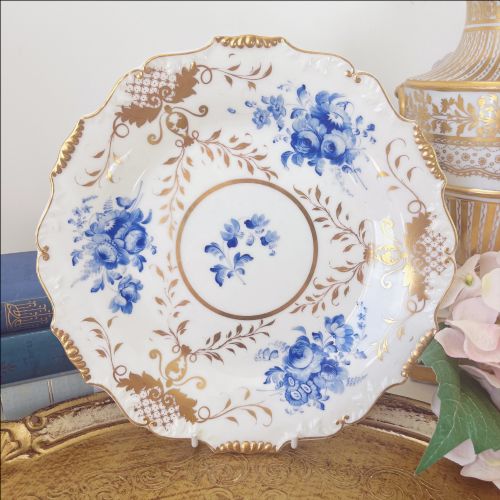
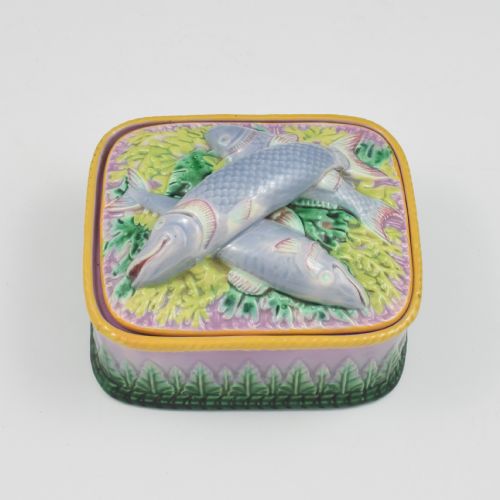
Ceramic examples combine porcelain and earthenware bodies decorated with hand-painted patterns, transfer prints, or colourful majolica glazes. Makers applied gilding to porcelain edges and utilised specialised moulds for figural forms such as birds and fish.
Materials represented include sterling silver, silver plate, cut glass, porcelain, earthenware, enamel, and majolica ceramics.
Distinctions in Quality
Quality rests upon the crispness of the casting in metalwork and the precision of the cutting in glass liners. Superior silver pieces display sharp hallmarks and balanced weight, while finer ceramics exhibit carefully applied hand-painting and well-preserved glazes.
Completeness dictates much of the appeal, particularly where original fitted glass inserts, matching knives, or leather-lined presentation cases remain intact. The sophistication of the design, whether simple geometric piercing or elaborate naturalistic coral handles, separates standard utility items from high-status tableware.
William Plummer·Goldsmiths & Silversmiths·Adie Brothers·Edward Farrell·Thomas Forester & Sons
The Antique Butter Dish Glossary
- Silver Plate
- Base metal coated with a thin layer of silver through electroplating, widely utilised for domestic tableware from the mid-nineteenth century onward.
- Cut Glass
- Glass shaped and patterned by grinding wheels, creating refractive facets that catch the light on nineteenth-century table vessels.
- Porcelain
- A ceramic material made by heating raw ingredients, including kaolin, to high temperatures, yielding a hard, white, translucent body seen in early butter boats.
Antique Butter Dish: Frequently Asked Questions
How were antique butter dishes used?
These vessels sat on the dining table to hold and present butter or cheese during family meals and formal gatherings. Covered versions kept the dairy cool and protected from dust.
Many designs included glass liners to prevent the butter from contacting the metal, whilst matching knives allowed guests to serve themselves easily.
How do I clean silver butter dishes?
Silver and silver plate require gentle washing in warm soapy water using a soft cloth, followed by thorough drying to prevent water spots. A specialist silver polish helps maintain the shine without harming engraved details.
Avoid submerging pieces that combine silver with fragile glass liners or vintage adhesives, cleaning each component separately instead.
Can I still use them daily?
Solid silver and robust glass dishes suit everyday use on the modern dining table for butter, spreads, or small condiments. Care is needed with antique porcelain and majolica to prevent chipping their historic glazes.
Pieces with delicate silver plating or missing liners function better as decorative display items rather than active kitchenware.
How do I identify Victorian pieces?
Victorian examples often display heavy silver plating, naturalistic motifs like coral handles, or colourful majolica glazes. British pieces frequently bear registry marks or specific date stamps associated with the nineteenth century.
The introduction of affordable silver plating during this period led to a rise in elaborate lidded and revolving butter dishes for the middle-class dining room.