

Antique Burr Walnut Storage
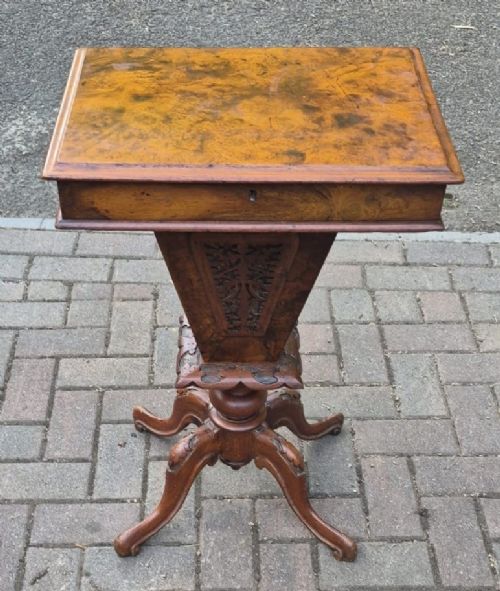
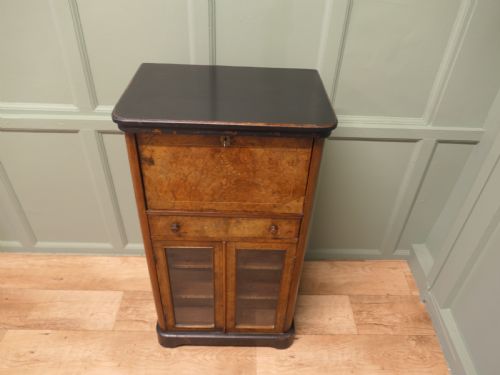
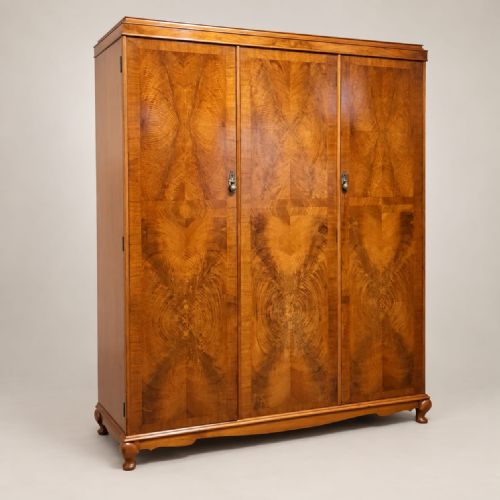
Antique burr walnut storage provides substantial furniture pieces featuring distinctive decorative grain patterns designed to hold garments and household items.
Antique Burr Walnut Storage
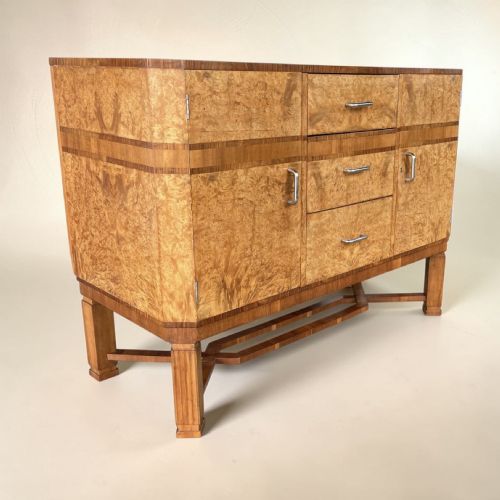
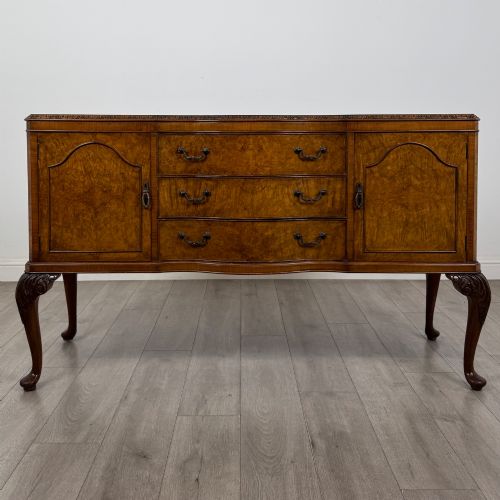
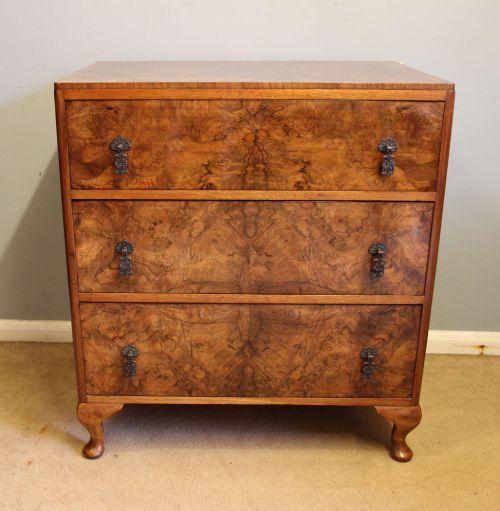
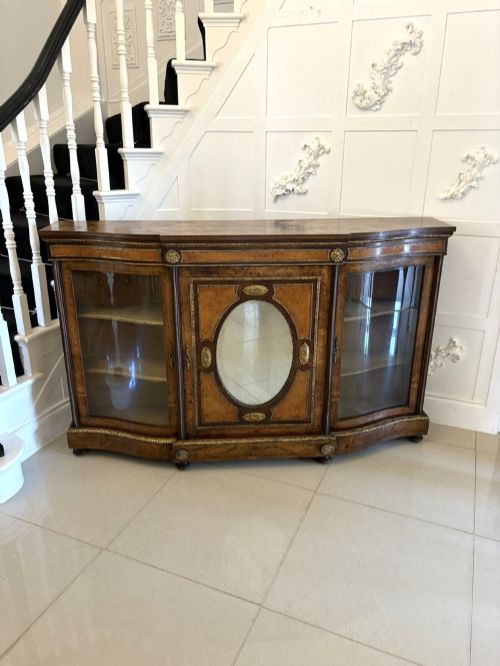
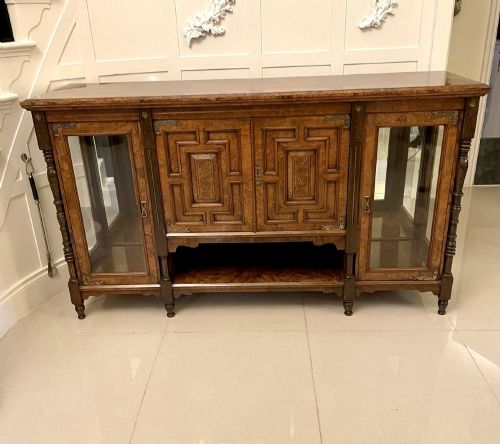
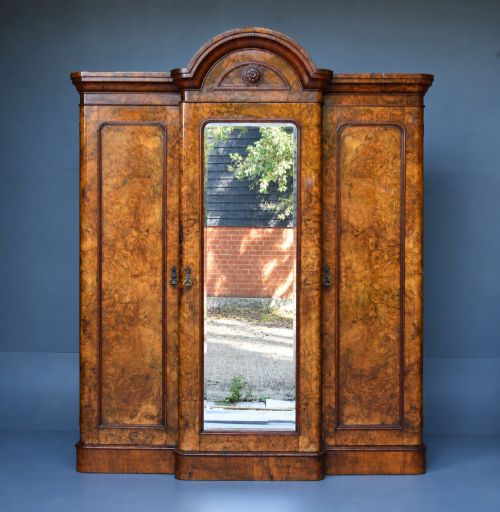
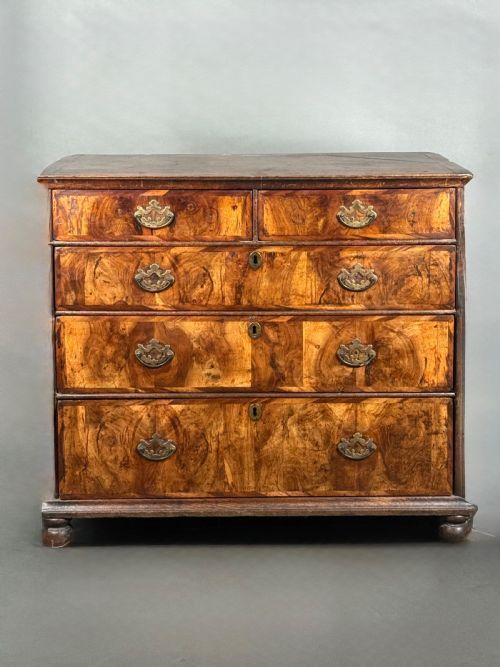
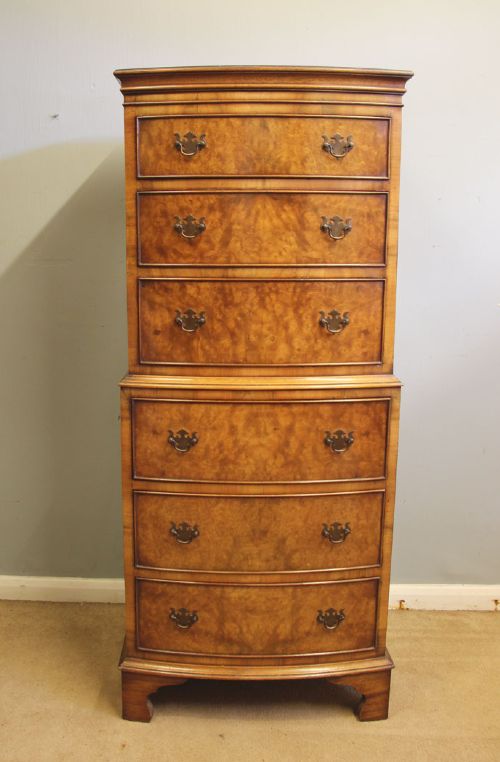
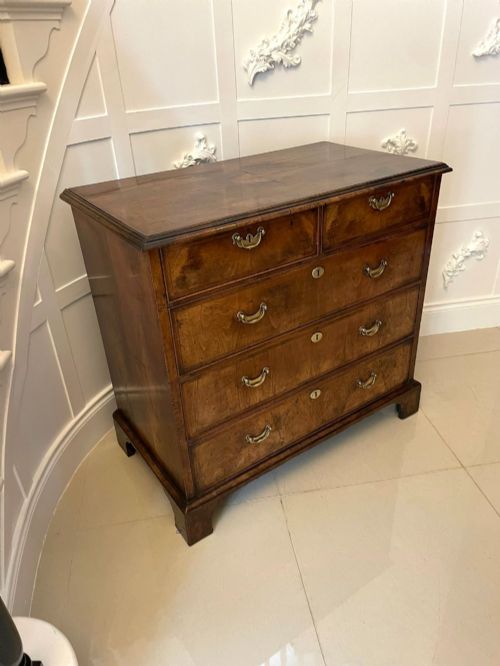
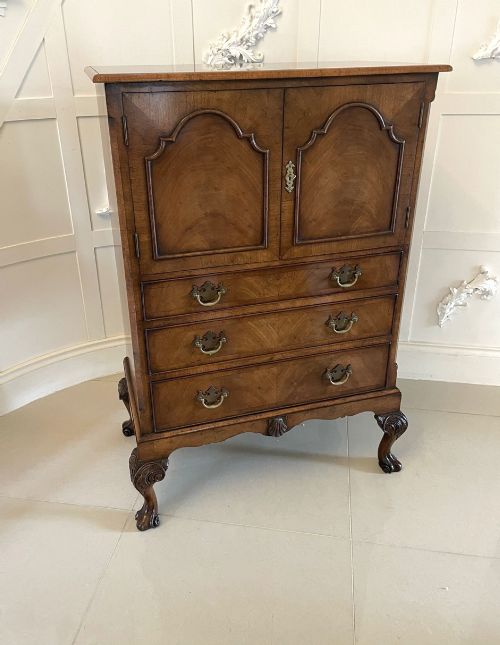
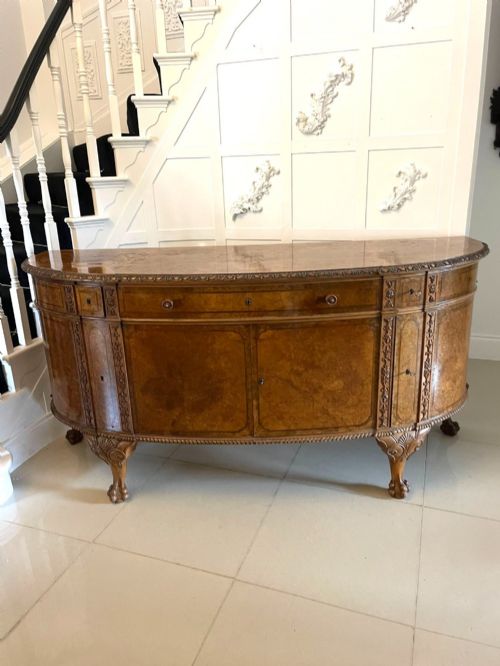
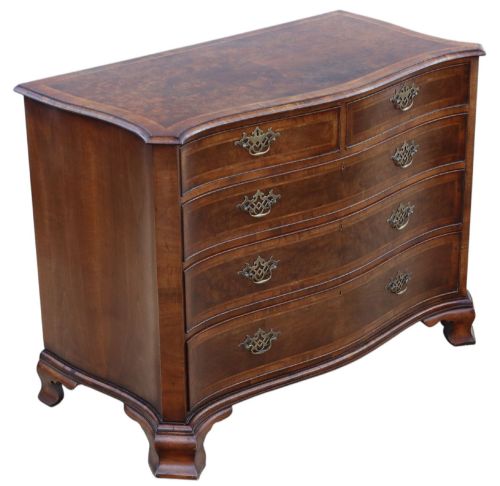
Antique burr walnut storage encompasses large wardrobes, tallboys, bow front chests of drawers, and bedside cabinets spanning from the eighteenth century through the Art Deco era. Buyers encounter pieces originating in the Georgian, Victorian, Edwardian, and 1930 periods, demonstrating a continuous tradition of utilising this ornamental timber for utilitarian furniture. Chests of drawers and wardrobes represent the primary forms available on this page, alongside specialised pieces like music filing cabinets and linen presses.
Early examples date to the eighteenth century under Queen Anne and Georgian influences, showing smaller proportions and fitted drawer configurations. Twentieth-century pieces from the 1920 and Art Deco periods introduce larger serpentine commodes and bow front designs with clean architectural lines. Victorian iterations range from carved triple wardrobes to Wellington chests with stacked side-locking drawers.
Materials and construction
Cabinet makers utilised walnut and burr walnut veneer applied over secondary timbers such as oak and pine to create these storage items. Burr walnut, harvested from the irregular growths on walnut trees, provided highly figured surfaces that required careful book-matching across drawer fronts and cabinet doors.
Construction methods incorporated solid wood framing, dovetail joints on drawers, and brass hardware such as handles and escutcheons. Secondary materials like glass, metal, and marble appear on specific forms like display cabinets and commodes.
Listings feature periods from the 18th Century through to 1930, utilising walnut, burr walnut veneer, oak, pine, and brass across chests, wardrobes, and cabinets.
Defining quality
Quality rests upon the selection and symmetry of the burr walnut veneer, particularly how the grain patterns match across multiple drawers or cabinet doors. Pieces displaying crossbanding, fine stringing, and balanced figuring demonstrate superior cabinet making skill compared to plain surfaces.
Structural integrity, original brass fittings, and well-executed carving distinguish finer items from simpler utilitarian versions. The cohesion between the primary walnut exterior and secondary woods like oak inside the drawers indicates the standard of workshop production.
The Antique Burr Walnut Storage Glossary
- Burr walnut
- A veneer taken from the knotted growth of a walnut tree, creating a swirling, highly decorative grain pattern. This material defines the aesthetic of the finest storage pieces.
- Crossbanding
- A decorative border technique where strips of veneer are laid perpendicular to the main grain of the panel. It frames drawer fronts and cabinet doors on better pieces.
- Tallboy
- A tall chest of drawers, often constructed in two sections with a smaller chest sitting atop a larger base. These provide vertical storage capacity while occupying minimal floor space.
- Wellington chest
- A tall, slender chest of drawers featuring a hinged locking stile on one side that secures all drawers simultaneously with a single key. Victorian makers produced these in substantial proportions.
- Serpentine
- A curved furniture front characterised by a convex centre flanked by concave ends, or vice versa. This shape requires skilled carpentry to apply veneer smoothly around compound curves.
Antique Burr Walnut Storage: Frequently Asked Questions
What periods do these storage pieces come from?
The listings span from the eighteenth century through the Victorian and Edwardian eras up to Art Deco designs of 1930. Earlier pieces often reflect Queen Anne and Georgian styles, while twentieth-century examples embrace streamlined serpentine shapes.
Cabinet making techniques evolved across these periods, moving from solid timber and hand-cut dovetails to sophisticated veneering and crossbanding methods on carcases of oak or pine.
How do I identify burr walnut veneer?
Burr walnut exhibits characteristic swirling knot formations and mottled patterns rather than straight grain lines. Makers sliced these thin decorative layers from tree burls and applied them over stable secondary woods.
Examining the symmetry across drawer fronts reveals whether the maker took care to match the grain patterns during construction.
What is the difference between a tallboy and a chest on chest?
A tallboy typically refers to a single tall chest of drawers, sometimes incorporating a cupboard section at the top. A chest on chest consists of two distinct cabinetry sections stacked vertically, with a smaller upper chest resting on a larger lower base.
Both forms maximise vertical storage capacity, though chest on chest designs frequently date to the eighteenth century and feature more elaborate bracket feet.
Where were wardrobes and chests placed in historical homes?
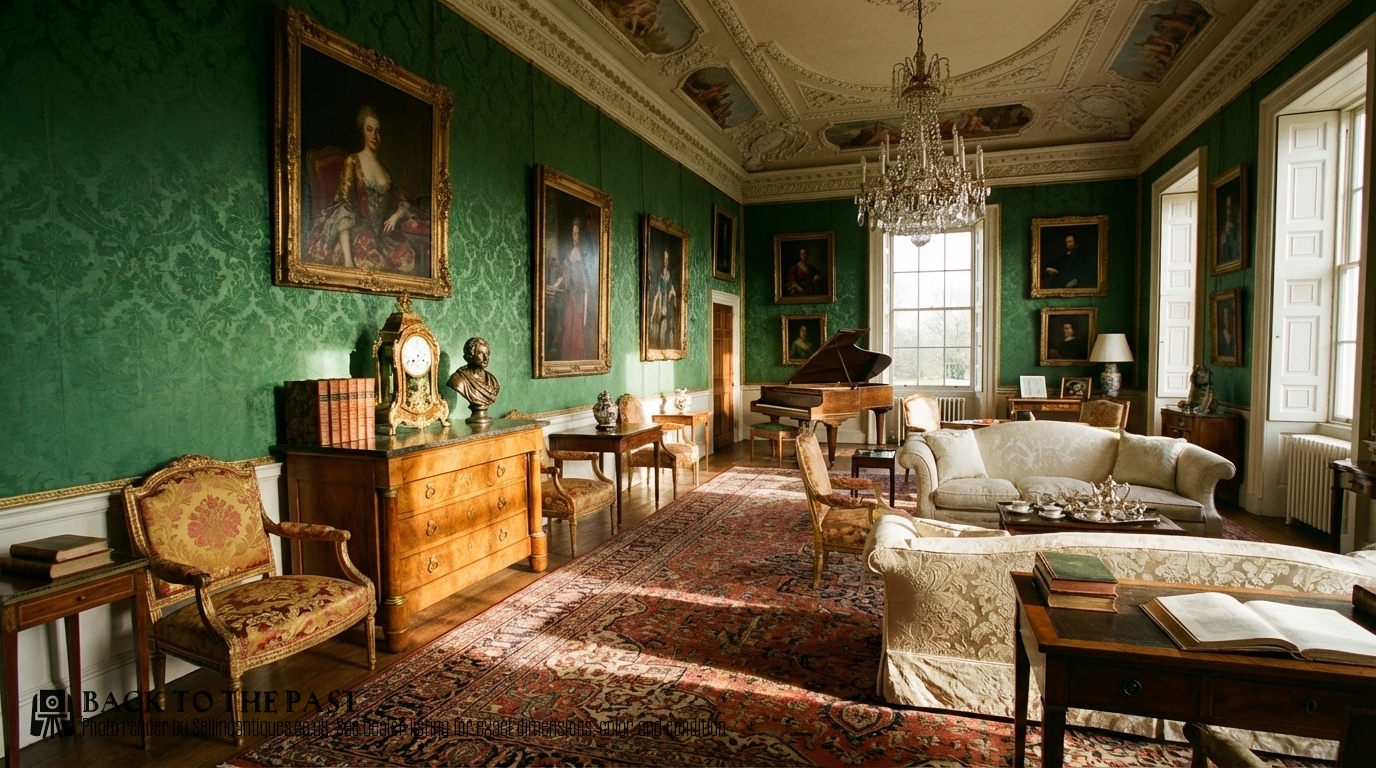
Large wardrobes and linen presses stood in bedrooms to store garments and household textiles out of sight. Smaller items like bedside cabinets and playing card boxes functioned in private chambers and reception rooms.
Drawers and cupboards kept personal belongings protected from dust and light in domestic interiors.