

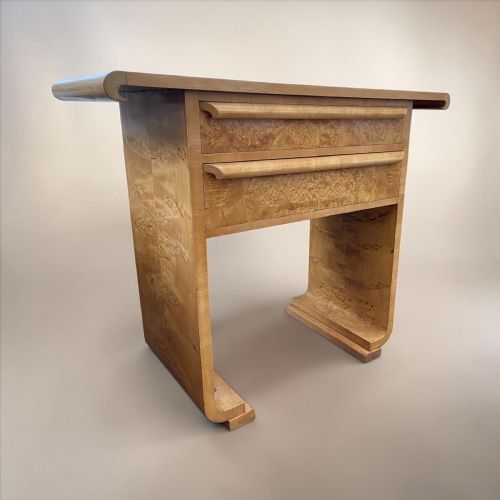
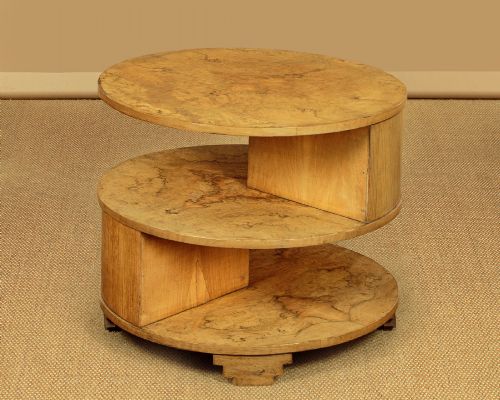


Antique Burr Birch Furniture
Antique burr birch furniture delivers remarkable timber figures and warm tones, offering collectors striking tables, cabinets and suites.
Antique Burr Birch Furniture
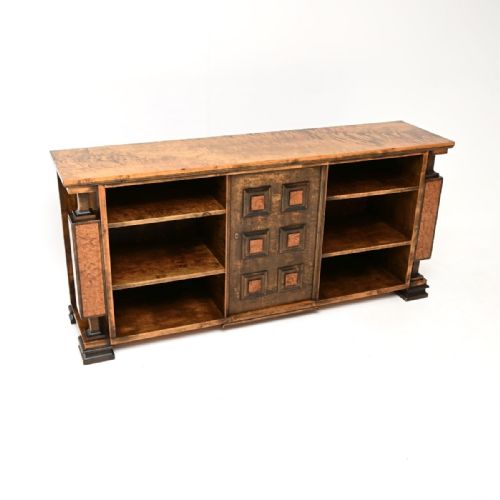
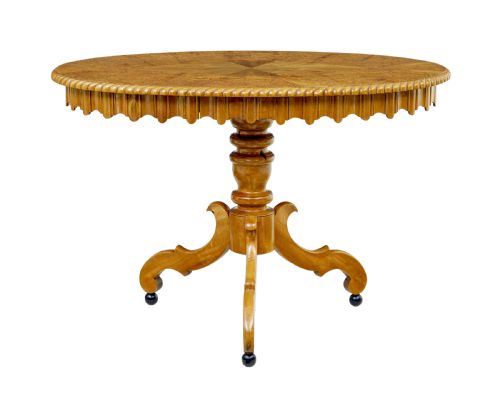
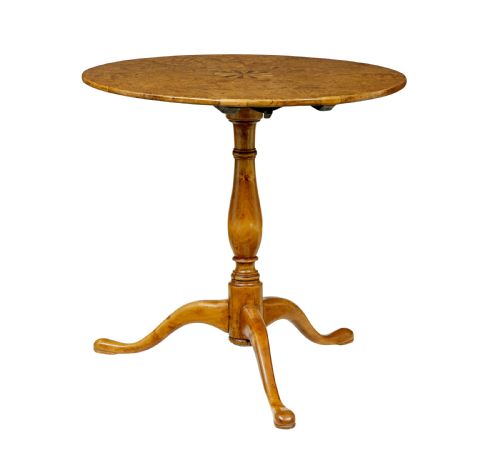
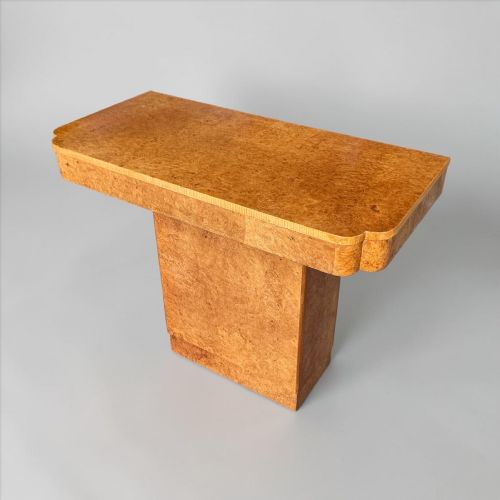
When you search for antique burr birch furniture, you encounter pieces primarily from the nineteenth century and the nineteen thirties. These items span Swedish Biedermeier designs, Scandinavian origins, and Art Deco creations.
Nineteenth century Swedish pieces dominate the offerings, showcasing distinct regional cabinet-making traditions. Art Deco examples bring later twentieth century geometric forms to the category.
Materials and construction
Craftsmen utilised burr birch, birch, and elm veneers laid over solid timber foundations to achieve striking decorative surfaces. Ebonised wood details and brass hardware frequently accent the figured wood grain.
Makers applied intricate wood veneers to highlight the natural swirls and knots characteristic of burr growths. Secondary timbers like elm provide structural stability within tables and case pieces.
Antique Burr Birch Furniture Retail Price Guide 2026
Typical asking prices for burr birch furniture among the pieces listed under this phrase on Sellingantiques today, from the lower quarter to the upper quarter. They describe what is for sale here now, not the wider market.
Tree burls form as defensive reactions to stress or injury, creating the chaotic swirls that cabinet-makers prized.
Assessing quality and craftsmanship
Quality rests in the intensity and symmetry of the veneer figuring across the primary surfaces. Superior examples display carefully matched burr patterns that flow logically across drawers, tops, and panels.
The crispness of inlay work and the retention of original brass mounts distinguish finer pieces from simpler utilitarian items. Solid construction of joints and stability in larger forms like sofa tables and living room suites reflect high workshop standards.
Fortnum and Mason·Maple & Co
The Antique Burr Birch Furniture Glossary
- Burr birch
- A wood figure caused by tree growth anomalies, creating swirling patterns and knots that are sliced into decorative veneers. This timber forms the primary visual appeal of the category.
- Biedermeier
- A Central and Northern European style spanning the nineteenth century, known for utilitarian comfort and clean architectural lines. Pieces in this taste emphasise wood grain over excessive carving.
- Veneer
- A thin layer of superior wood applied to a base timber surface to create decorative patterns. Cabinet-makers utilised this technique to display expensive burr figures economically.
- Ebonised wood
- Timber treated to imitate ebony, providing dark contrasting borders or structural details. This finish often frames lighter birch panels.
- Occasional table
- A small movable table designed for specific, intermittent uses such as serving tea or holding lamps. These form a large portion of Scandinavian nineteenth century survivals.
Antique Burr Birch Furniture: Frequently Asked Questions
What is burr birch wood?
Burr birch is a specialty timber harvested from tree growths that produce dense, swirling knot patterns. Cabinet-makers slice these formations into decorative veneers for high-status furniture.
The resulting grain provides exceptional visual depth and movement on table tops and cabinet doors.
How do I date these pieces?
Dating relies on stylistic markers, construction methods, and materials recorded in the specific item descriptions. Nineteenth century pieces often show regional Scandinavian or Biedermeier characteristics.
Later items from nineteen thirty typically exhibit Art Deco geometric symmetry and streamlined forms.
Where were these items made?
The pieces originate primarily from Sweden and wider Scandinavian workshops active during the nineteenth century. British retailers and department stores also contributed designs during later periods.
Regional European cabinet-making traditions heavily influence the construction and aesthetic of these items.
How do I care for veneer?
Protect delicate wood surfaces by keeping pieces away from direct sunlight and excessive temperature fluctuations. Regular dusting with a soft, dry cloth preserves the polished finish.
Avoid moisture pooling on the timber to prevent lifting or cracking in the historic veneer.