

Antique Bureau Mirror
An antique bureau mirror combines a compact writing surface with an upright glass, offering a neat workstation for a bedroom or study.
Antique Bureau Mirror
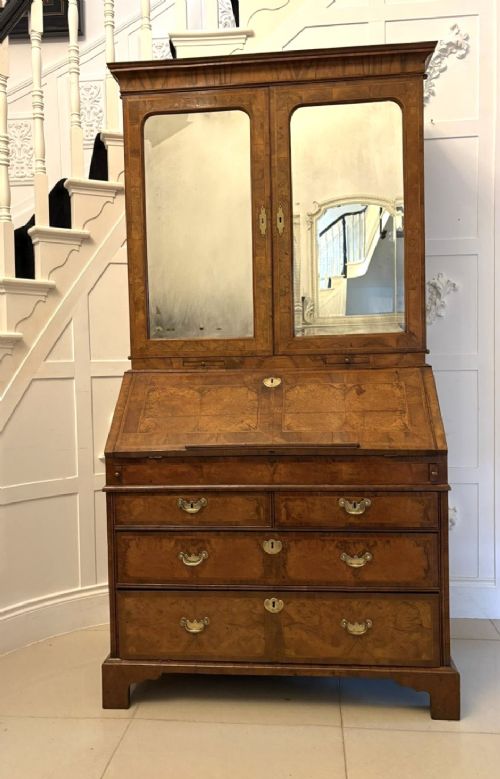
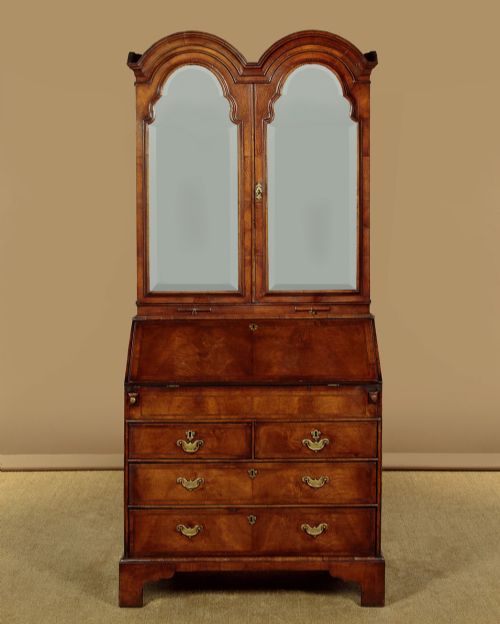
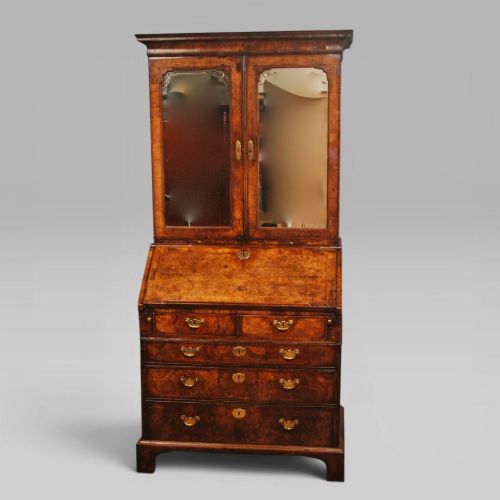
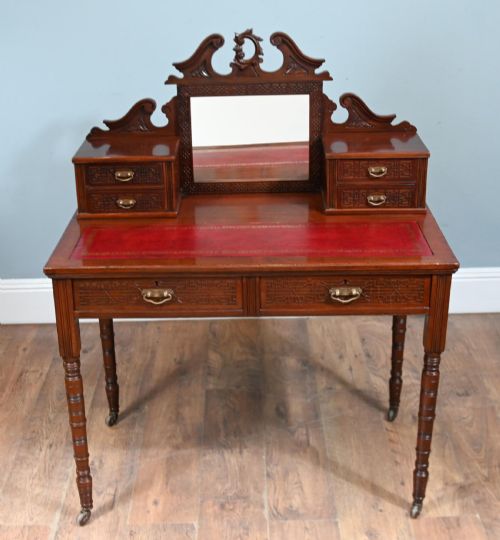
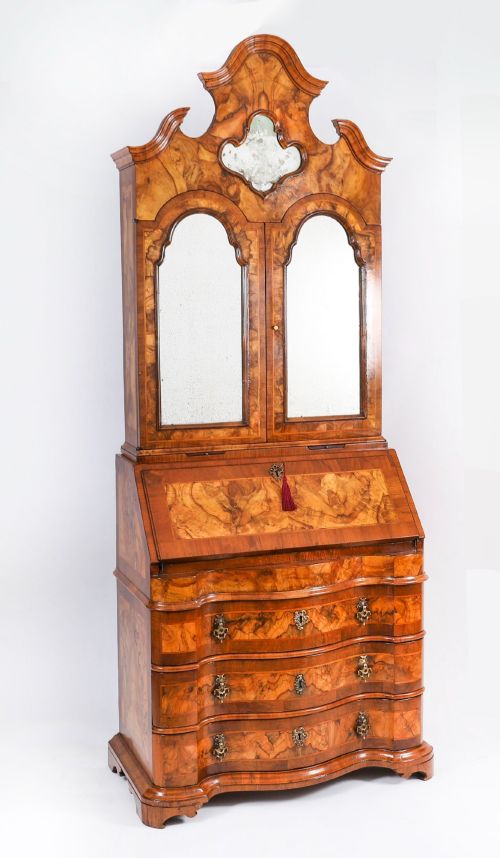
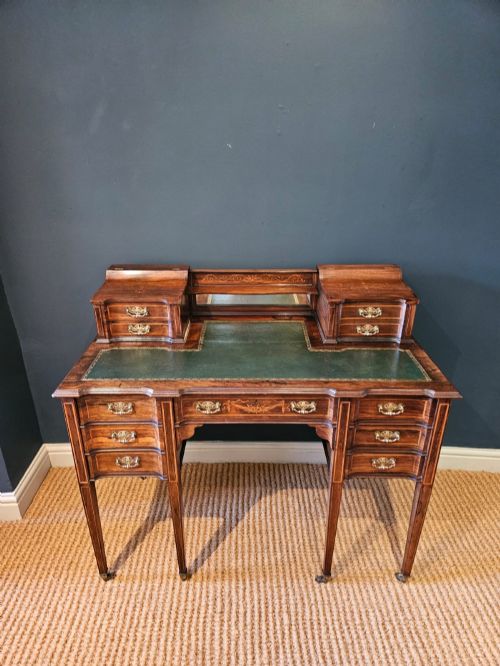
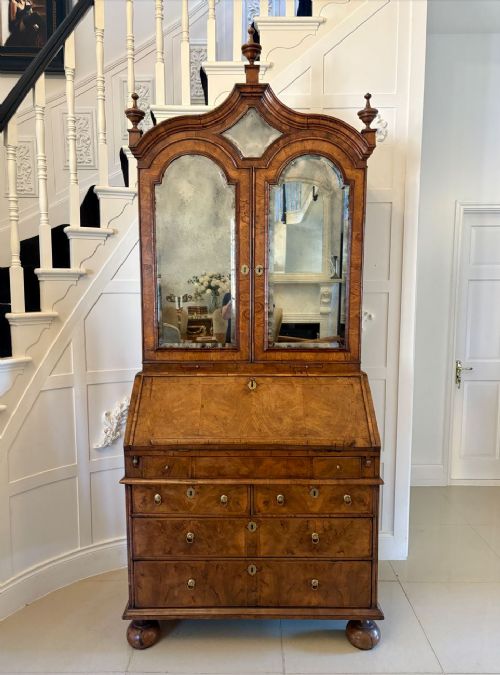
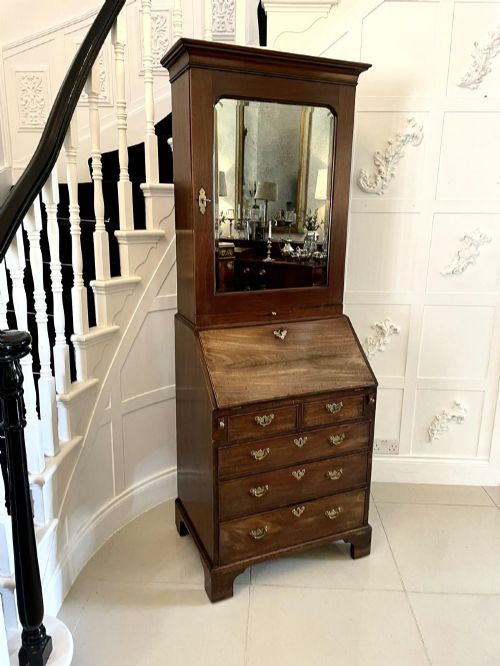
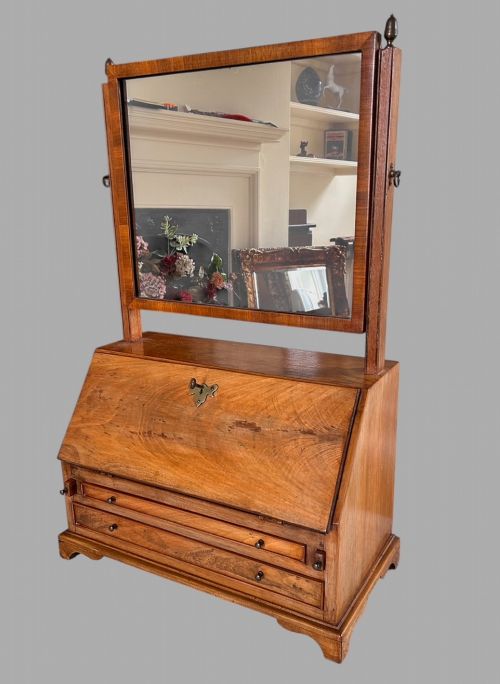
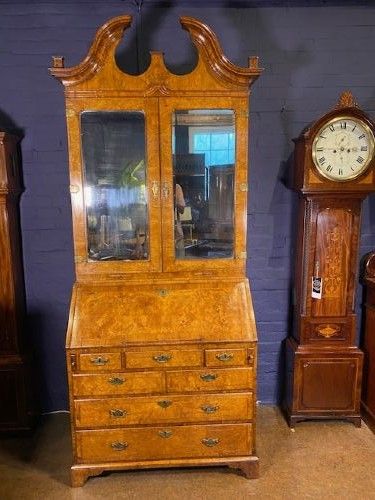
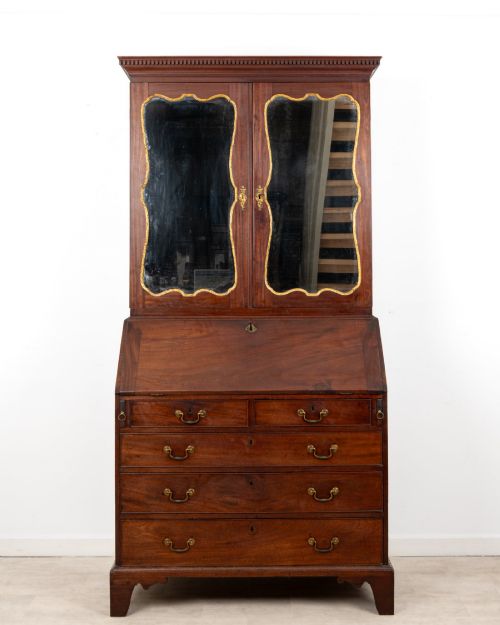
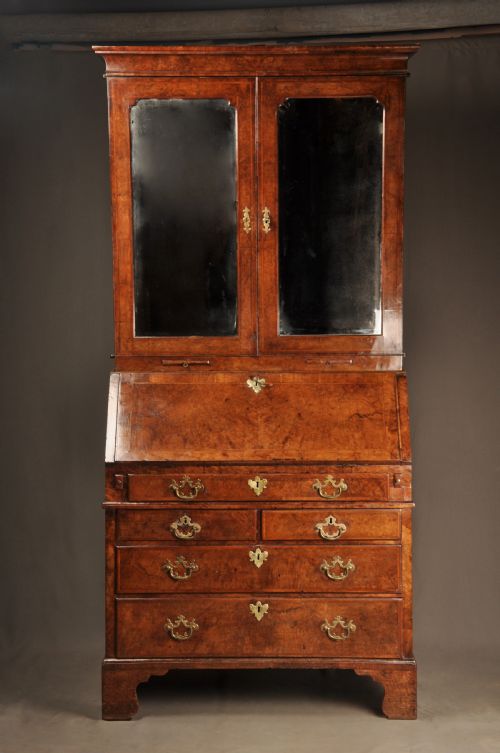
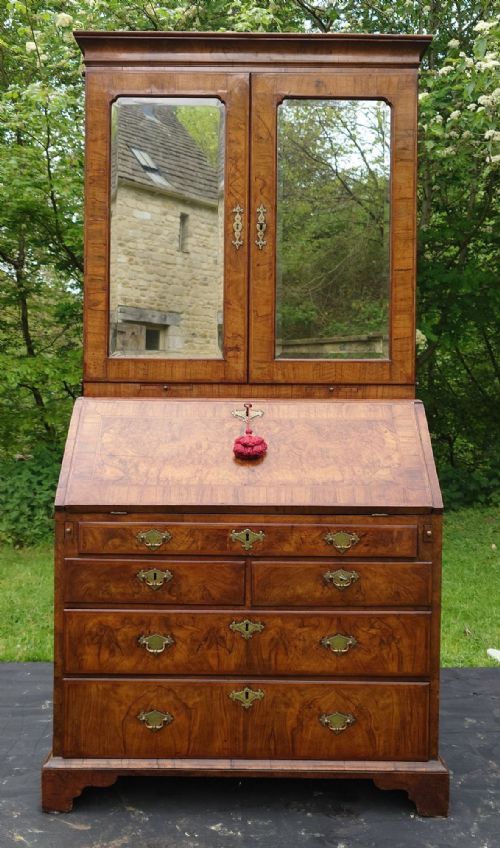
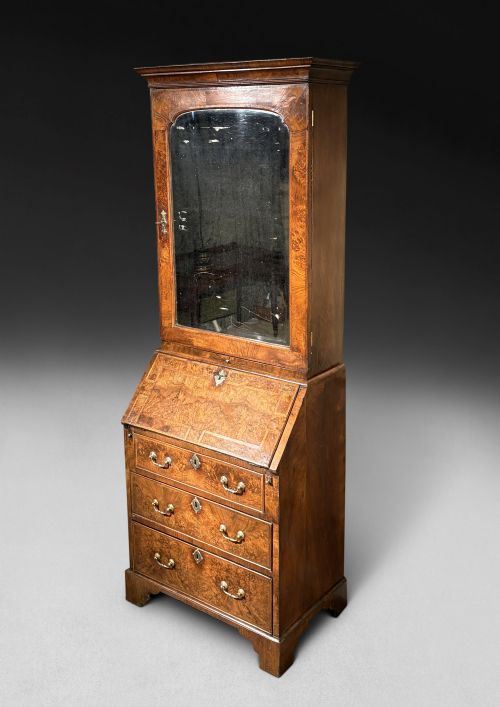
An antique bureau mirror typically brings together a fall-front desk compartment and an adjustable swing glass mounted above a set of small drawers. While major bureau bookcases dominate the older walnut and mahogany examples, smaller table-top formats and dressing mirrors also appear across the selection.
The pieces span periods from the early eighteenth century through the Georgian era and into the later Victorian, Edwardian, and Arts and Crafts movements. Walnut, burr walnut, and mahogany are the prevailing timbers, often finished with featherbanding or inlay.
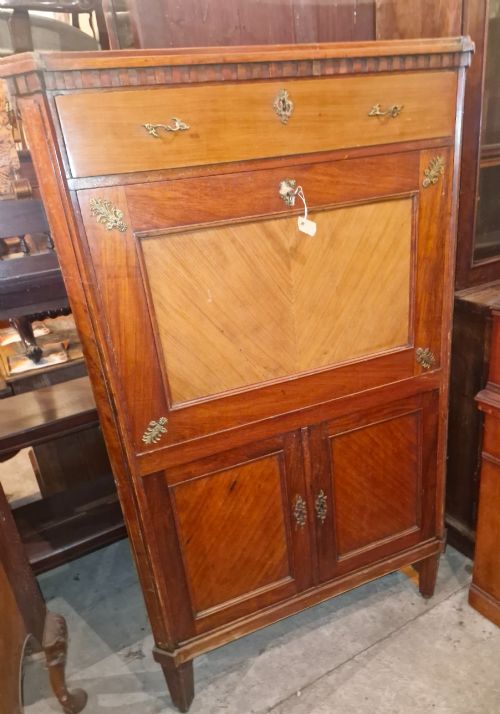
Buyers encounter everything from large double-door bureau cabinets down to satinwood ladies' writing tables and compact miniature chests fitted with mirrors. This variety reflects how domestic writing and grooming habits evolved over two centuries of British and continental craftsmanship.
How they were made
Cabinetmakers constructed these pieces using solid timbers alongside figured veneers laid over secondary woods. Burr walnut and rich mahogany received meticulous hand-polishing to highlight natural grain patterns, while specialised pieces incorporated hand-painted details or subtle string inlay.
Mirrors were traditionally silvered on glass and housed within movable wooden frames held by brass pivots or armatures. Drawer construction relied on hand-cut dovetails, and fall-front writing slopes were frequently lined with leather to provide a suitable surface for ink and quills.
Listings feature walnut, mahogany, burr walnut, and rosewood items spanning the eighteenth century through the Edwardian period.
What varies in quality
The distinction between ordinary and exceptional examples rests primarily on the choice of timber and the precision of the cabinetwork. Highly figured burr walnut with fine featherbanding or richly patinated mahogany marks out pieces made for discerning patrons.
Structural harmony also dictates value, seen in how seamlessly the mirror superstructure integrates with the bureau base. Original brass hardware, unblemished glass plates, and crisp dovetailing separate superior workshop output from later alterations or heavy restorations.
Edwards and Roberts·Maple and Co·Harris Lebus
The Antique Bureau Mirror Glossary
- Bureau bookcase
- A tall cabinet combining a sloping writing flap over drawers with upper shelving enclosed by panelled or mirrored doors.
- Featherbanding
- A decorative form of inlay where thin strips of veneer are laid in a herringbone pattern around the borders of drawer fronts.
- Secretaire
- A cabinet or desk featuring a pull-out or drop-front writing drawer that conceals smaller pigeonholes and internal compartments.
- Bonheur du jour
- A light lady's writing desk featuring an enclosed superstructure with shelves, drawers, or a small mirror on top.
- Pivots
- The brass screws or pins on either side of a dressing mirror that allow the glass plate to tilt back and forth.
Antique Bureau Mirror: Frequently Asked Questions
How were bureau mirrors used?
Owners used these pieces for writing letters, storing important documents, and attending to daily grooming. The folding or sloping flap provided a steady writing surface with hidden compartments for ink and paper.
The adjustable mirror placed above allowed the user to check their appearance while seated at the desk or dressing table.
How do I date an antique bureau mirror?
Dating relies on examining the timber species, construction methods, and prevailing style of the period. Early eighteenth-century pieces often feature figured walnut with featherbanding, while later Georgian and Victorian examples frequently utilise mahogany or satinwood.
Hand-cut dovetails, original brass hardware, and the bevel of the mirror glass also offer reliable clues to the decade of manufacture.
Where should I place a bureau mirror?
These pieces suit bedrooms, studies, or hallways where space is at a premium and dual functionality is valuable. Placing them near a natural light source helps illuminate the writing surface and the mirror glass.
Ensuring stable room humidity protects the aged timbers and delicate veneers from cracking or warping over time.