

Antique Buffet Shelf
An antique buffet shelf provides practical display space while anchoring a room with period timber.
Antique Buffet Shelf
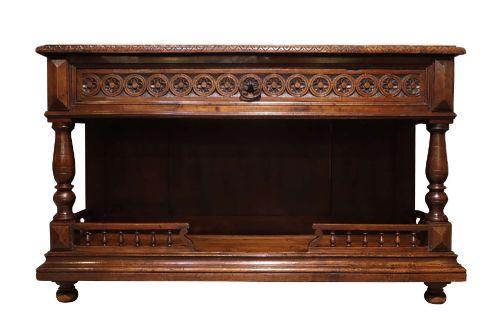
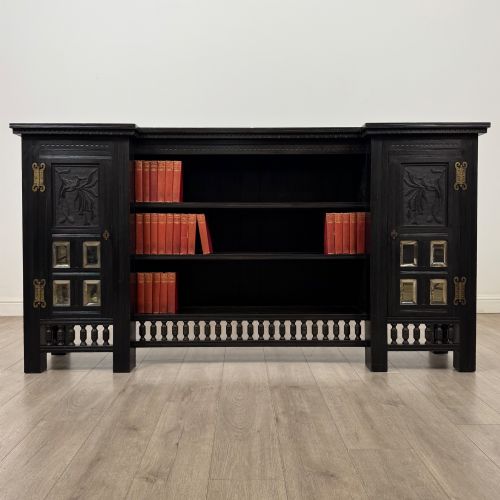
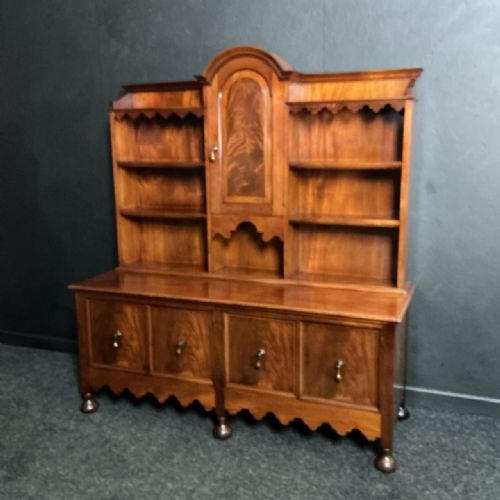
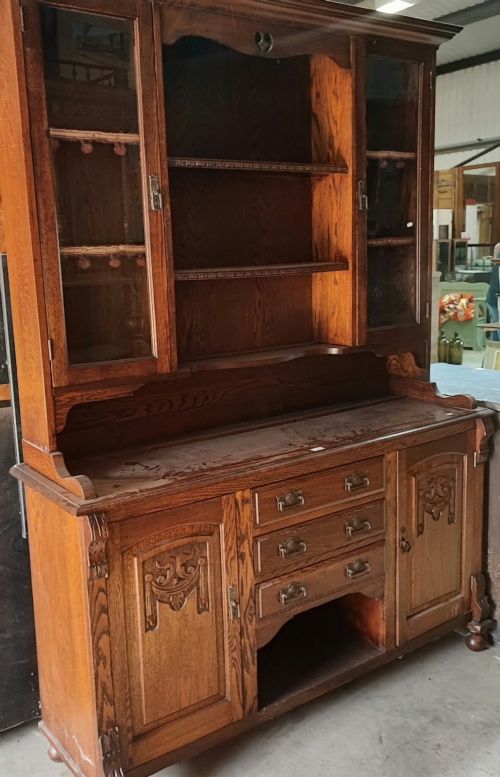
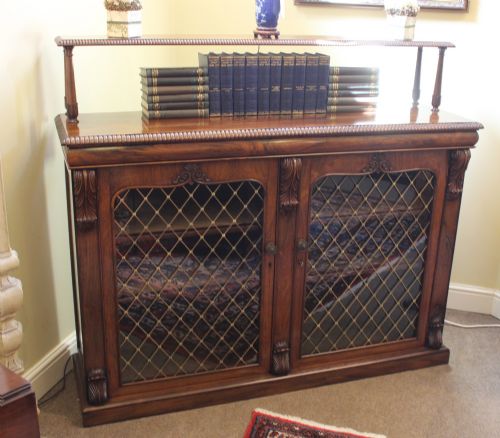
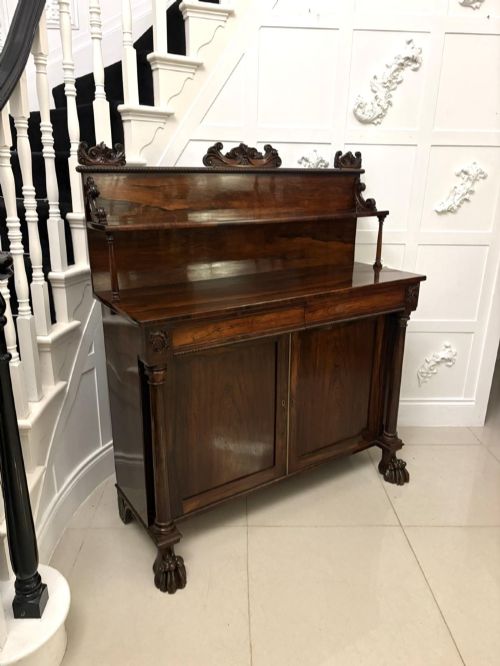
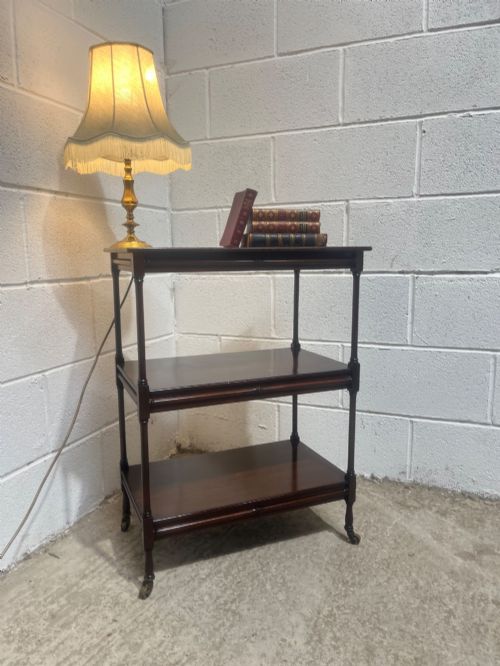
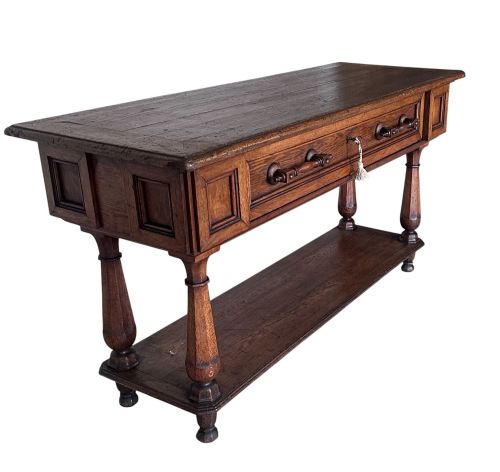
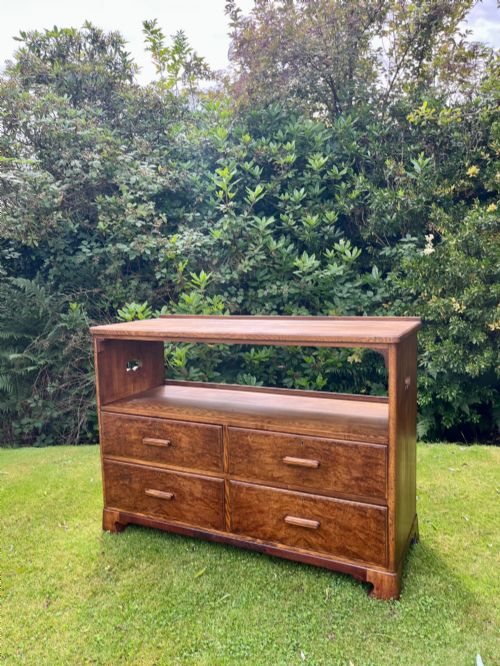
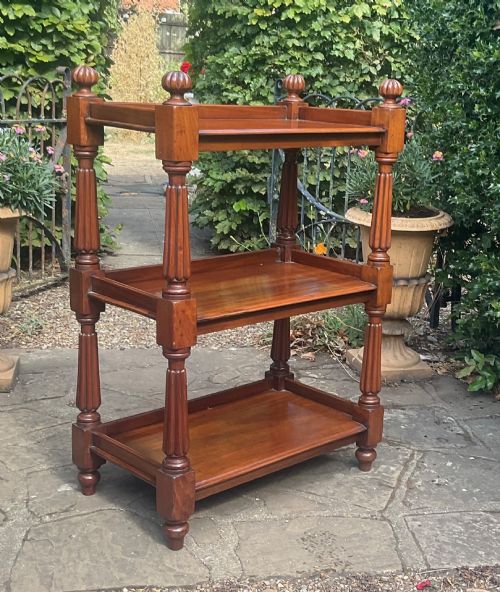
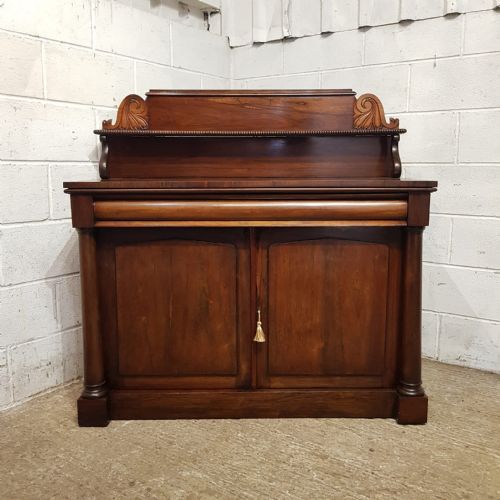
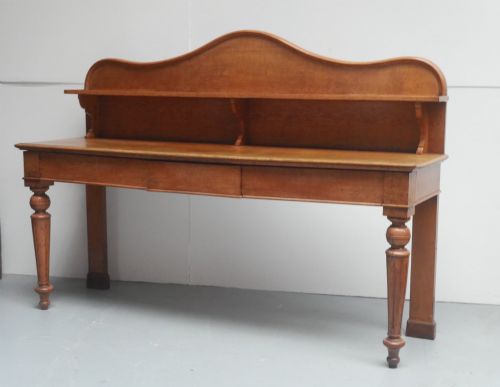
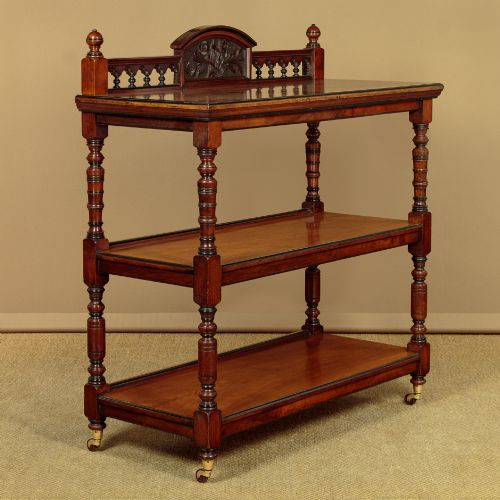
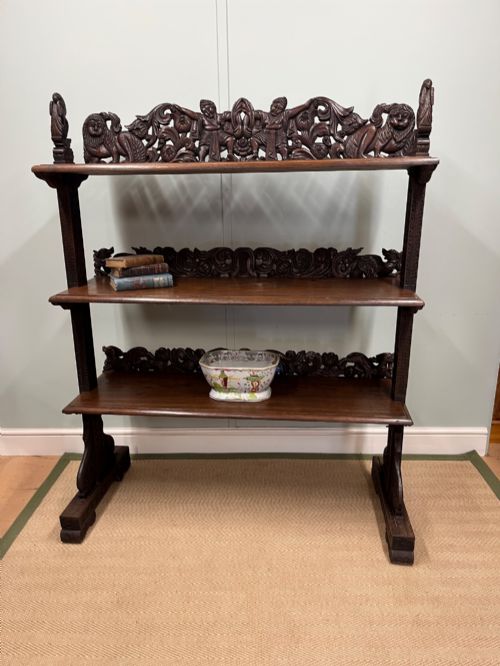
When you search for an antique buffet shelf, you encounter pieces designed to hold tableware, display decorative objects or serve food in dining spaces. These items encompass multi-tiered etageres, chiffoniers, serving tables and dresser bases outfitted with upper shelving tiers.
Victorian and nineteenth century examples dominate this selection, frequently constructed in mahogany, oak or walnut. You also meet Regency, Edwardian and earlier eighteenth century variations that show the evolution of domestic storage and display furniture.
Materials and Construction Methods
Cabinet makers utilised dense hardwoods such as mahogany, rosewood, oak and walnut, often selecting figured veneers like burr walnut and flame mahogany for prominent surfaces. These timbers were joined using traditional methods and finished to highlight the natural grain.
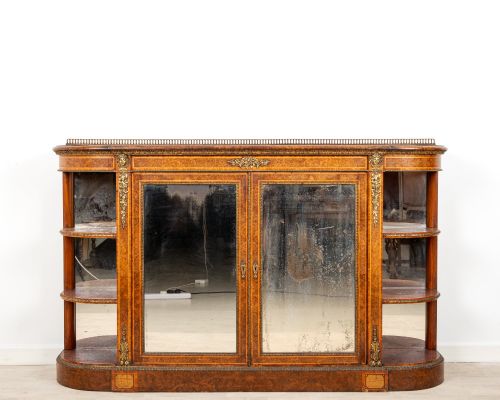
Metal mounts in brass or ormolu, glazed doors and original castors appear on finer examples from the Victorian and Regency periods. Tiered pieces rely on sturdy turned or column supports to bear the weight of multiple wooden shelves.
Some nineteenth century tiered stands provide up to six separate levels for displaying your finest porcelain.
Judging Quality and Craftsmanship
Quality rests in the selection of timber veneers and the crispness of carved or applied decorative details. Pieces featuring matched flame mahogany or intricate ormolu mounts demonstrate a higher standard of workshop production than plain utility items.
Structural integrity also separates standard pieces from the finest examples. Fully adjustable shelving, original castors and intact mirrored doors indicate superior original manufacture and careful preservation.
Whytock and Reid
The Antique Buffet Shelf Glossary
- Buffet
- A sideboard or serving table used for food and tableware. These pieces often incorporate tiers or shelves above the main surface.
- Chiffonier
- A compact sideboard popular in the nineteenth century, typically featuring enclosed cupboards below and shelves above.
- Etagere
- A set of open shelves designed for displaying ornaments and small objects. They frequently stand on slender upright supports.
- Pot Board
- A low open shelf fitted beneath a dresser base or sideboard, traditionally used for storing pots and kitchen utensils.
- Ormolu
- Gilt bronze mounts applied to furniture for decoration. This technique adds metallic contrast to dark wood surfaces.
Antique Buffet Shelf: Frequently Asked Questions
What is an antique buffet shelf used for?
These pieces serve as functional display furniture in dining rooms, living spaces or hallways. They hold books, ceramics, glassware and decorative objects across their multiple tiers.
The upper shelves showcase collections, while the lower cabinets or surfaces provide concealed storage or serving space.
How do I identify a Victorian buffet?
Victorian buffets typically feature dark hardwoods like mahogany, walnut or oak, often with turned supports and heavy proportions. Look for decorative elements such as mirrored doors, brass castors or carved mouldings characteristic of the nineteenth century.
Construction details like hand-cut dovetails and timber shrinkage help confirm the age of the piece.
What is the difference between a chiffonier and a buffet?
A chiffonier is generally smaller and more enclosed, featuring a low cupboard base surmounted by a shelf structure. They emerged strongly during the Regency and Victorian eras for parlour use.
A buffet is traditionally larger, designed specifically for dining rooms to assist with food service and tableware storage.
How do I care for antique wood furniture?
Maintain timber surfaces by dusting with a soft dry cloth and avoiding placement near direct heat sources or strong sunlight. These precautions prevent the wood from drying out and cracking.
Apply a quality beeswax polish occasionally to nourish the grain and protect the finish without building up a heavy residue.