





Antique Buddha Figurine
An antique buddha figurine brings centuries of spiritual artistry and contemplative presence into a room, offering both quiet beauty and historical depth.
Antique Buddha Figurine
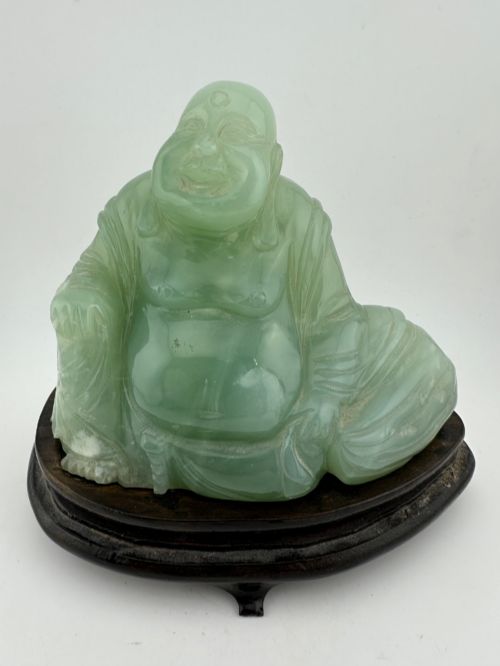
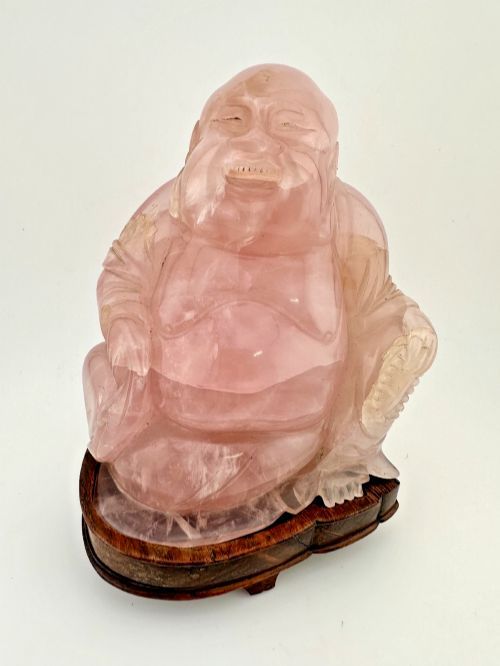
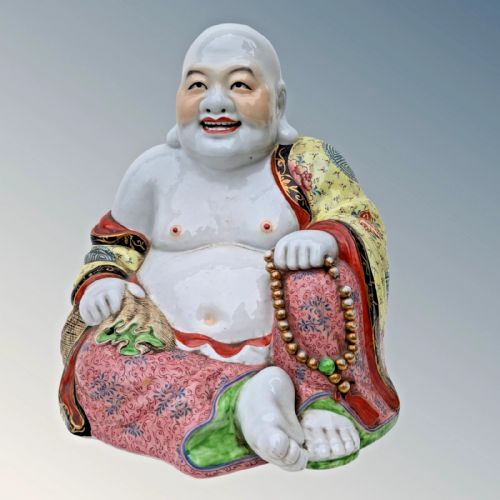
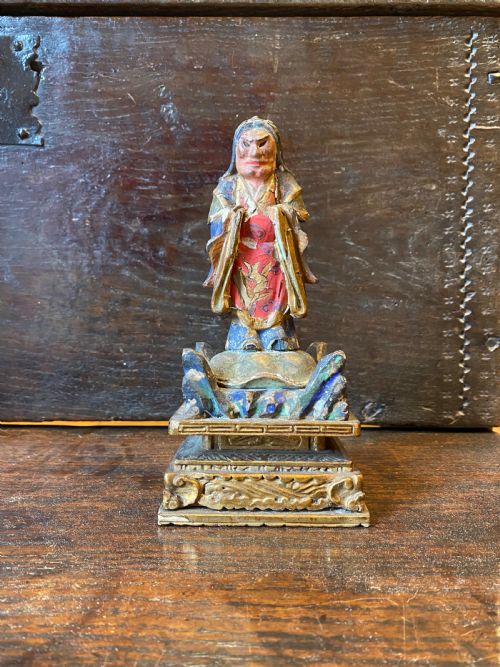
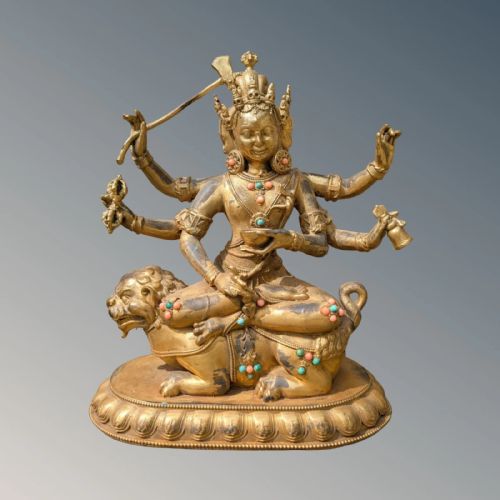
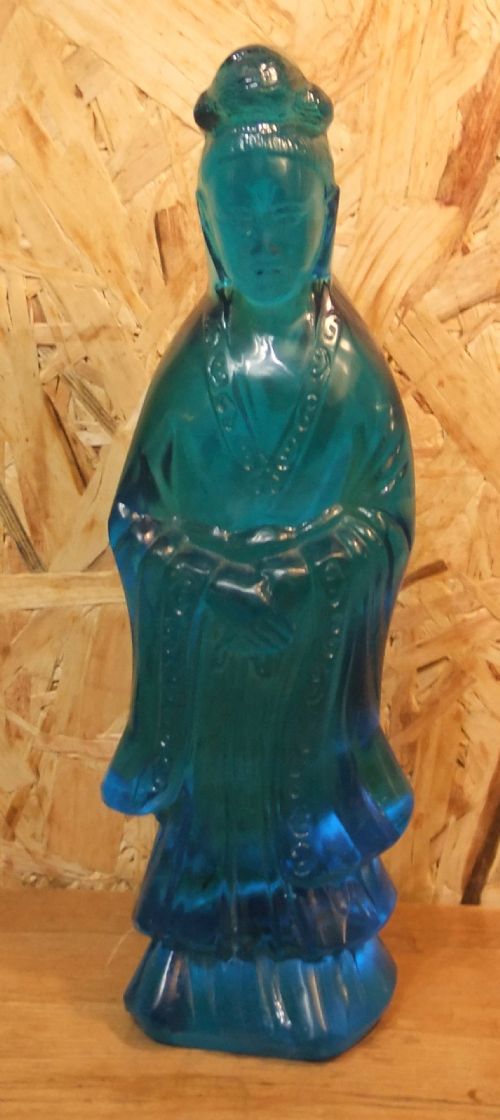
Every antique buddha figurine represents a revered figure from Buddhist or Asian traditions, taking forms such as the laughing Budai, Hotei, or traditional seated deities. These pieces emerge from periods spanning the late Ming through the Qing Dynasty, the Chinese Republic Period, and the late Meiji era in Japan.
Buyers are most likely to encounter bronze sculptures, porcelain figures, and carved stone or coral pieces on this page. The origins range widely across China, Japan, Thailand, and Tibet, reflecting diverse cultural expressions of religious statuary.
The selection encompasses devotional temple objects, scholarly desk items, and decorative export figures. Their functions shift from sacred ritual use to domestic display and the appreciation of fine craftsmanship.
What varies in quality
Material selection plays a critical role, separating high-grade carved jade or rich red coral from simpler soapstone or standard ceramic bodies. The application of gilt bronze layers, enamel glaze, and surface patination further marks the distinction between standard workshop output and superior studio pieces.
Antique Buddha Figurine Retail Price Guide 2026
Typical asking prices for buddha figurine among the pieces listed under this phrase on Sellingantiques today, from the lower quarter to the upper quarter. They describe what is for sale here now, not the wider market.
Listings feature items from the 19th Century, 1950, 1910, 1890, Pre 16th century, 16th Century, 1800, and 1880.
Zhu Mao Ji
The Antique Buddha Figurine Glossary
- Budai
- A Chinese folk deity often depicted as a corpulent, laughing monk who symbolises happiness and abundance. He is frequently identified with Maitreya Buddha in East Asian tradition.
- Famille Rose
- A palette of opaque enamel colours dominated by pink, introduced to Chinese ceramics during the Qing Dynasty. It allows for soft tonal gradations on porcelain figures.
- Gilt Bronze
- Metal sculpture coated with a thin layer of gold or gold amalgam to impart a rich, reflective finish. This technique highlights sacred attributes and protects the base metal.
- Meiji
- A period in Japanese history spanning the late nineteenth and early twentieth centuries, known for intricate decorative arts and export porcelain such as Satsuma ware.
- Patinated
- A chemical or natural surface treatment applied to bronze or other metals to alter colour and create depth. It yields brown, dark, or greenish tones on antique figures.
Antique Buddha Figurine: Frequently Asked Questions
How were bronze buddha figures made?
Makers cast bronze figures using traditional foundry techniques, often finishing them with patination, gilding, or gold highlights.
Some pieces were cast as solid metal, while others received intricate hand-chasing to define facial expressions and garments.
How do I care for delicate figurines?
Protect delicate materials like red coral, soapstone, and porcelain by keeping them away from direct sunlight and sudden temperature changes.
Dust surfaces gently with a soft, dry brush without applying water or chemical cleaners.
How can I tell periods apart?
Distinguishing periods relies on examining material characteristics, stylistic conventions, and glaze types, such as famille rose enamels or Meiji era Satsuma ware.
Maker marks and regional casting techniques also provide clues to a piece's chronological origin.