

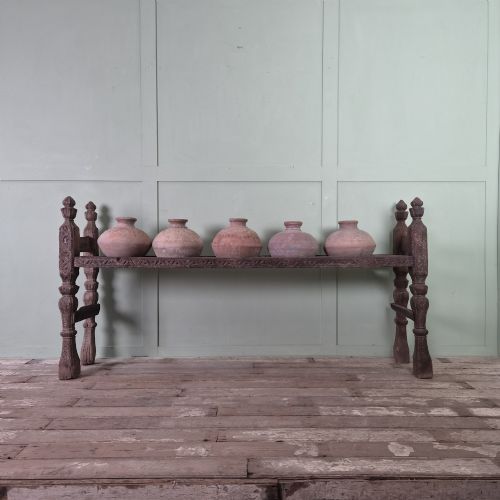
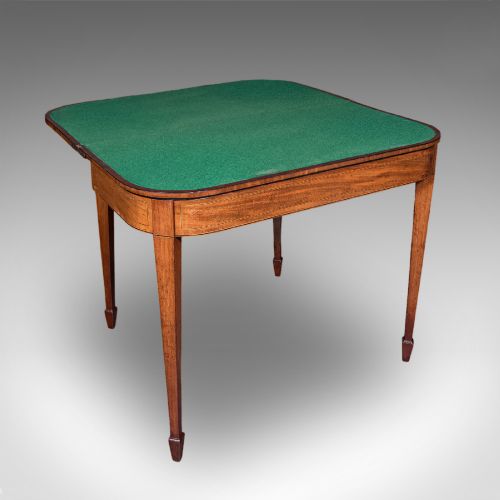
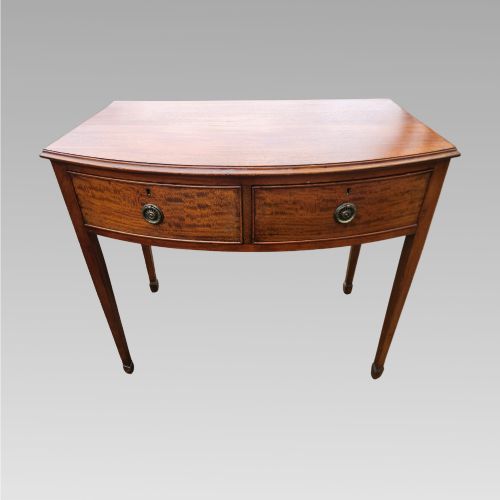
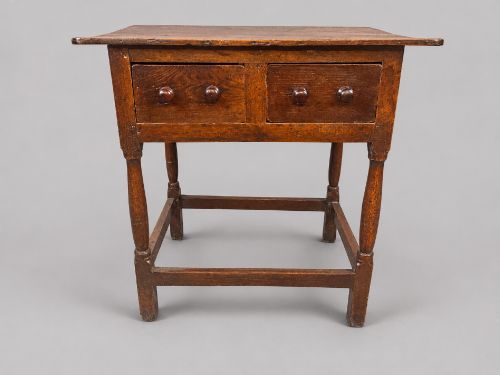
Antique Brown Console
An antique brown console brings rich timber tones and enduring form to a hallway or reception room.
Antique Brown Console
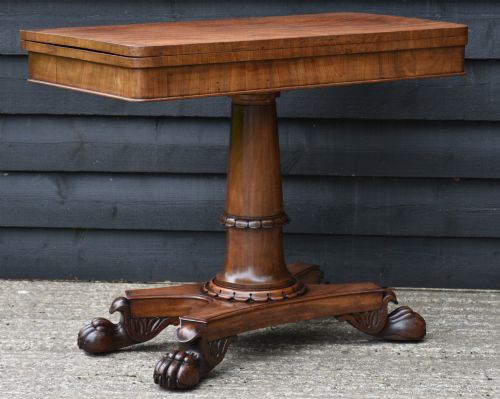
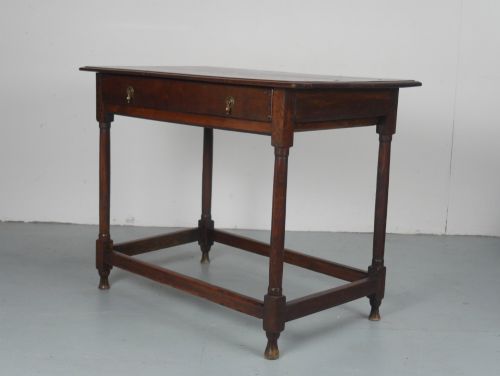
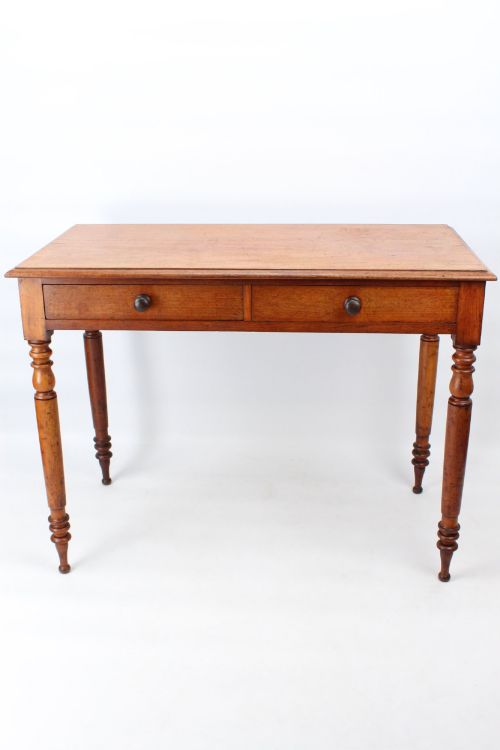
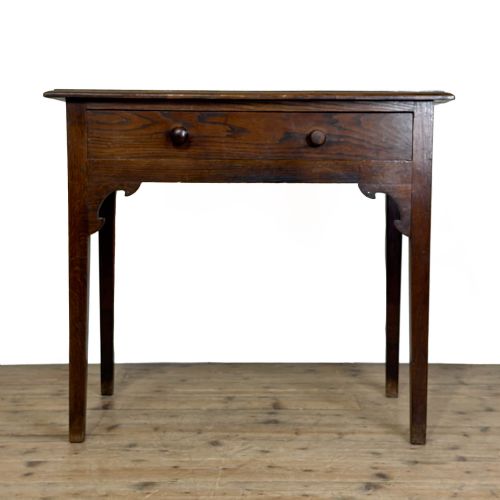
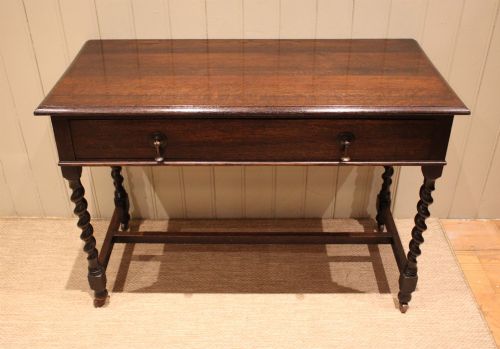
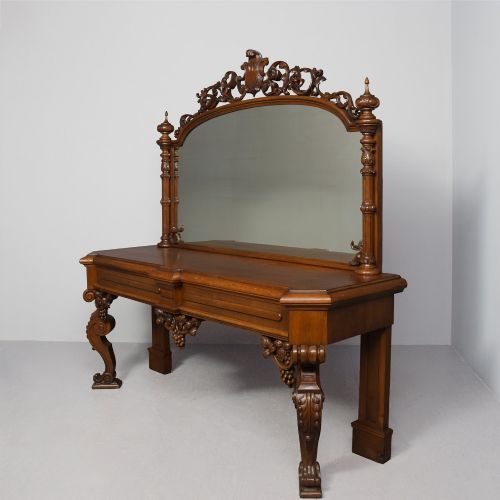
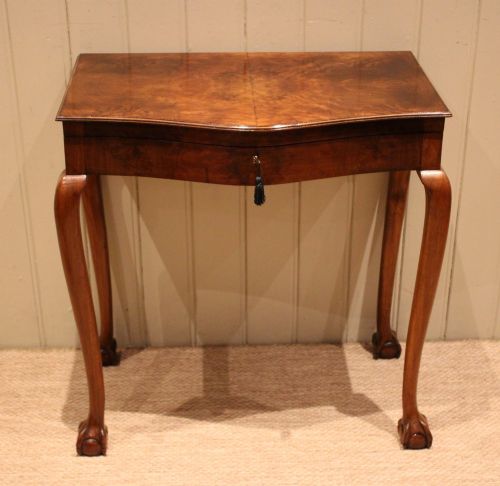
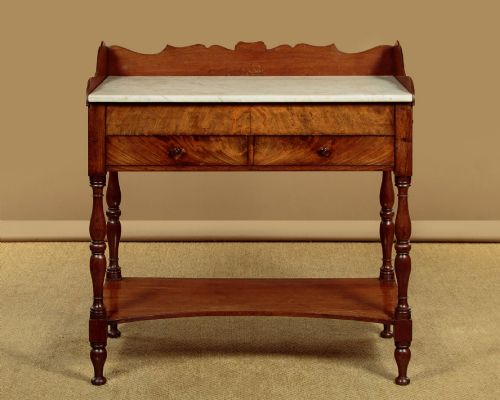
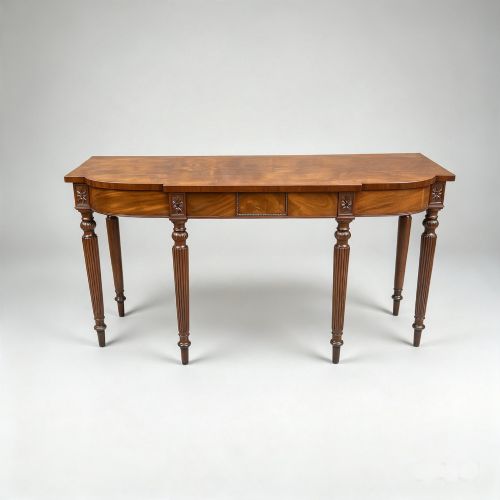
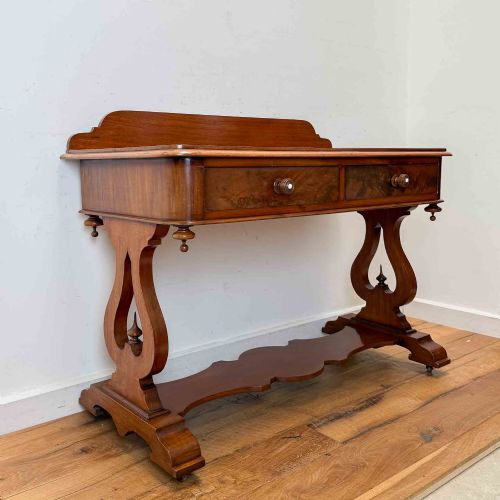
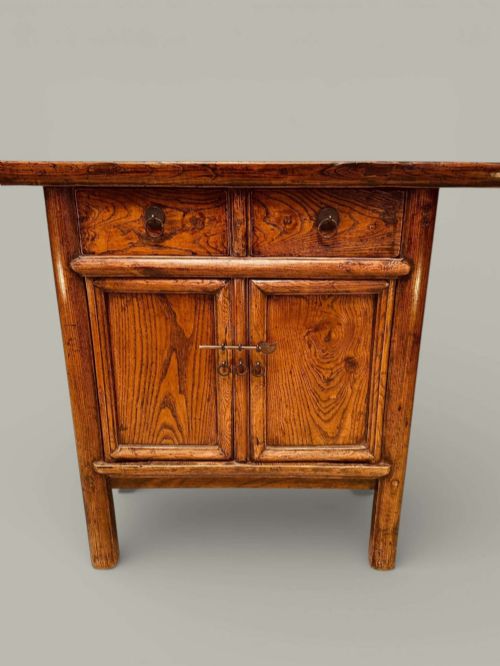
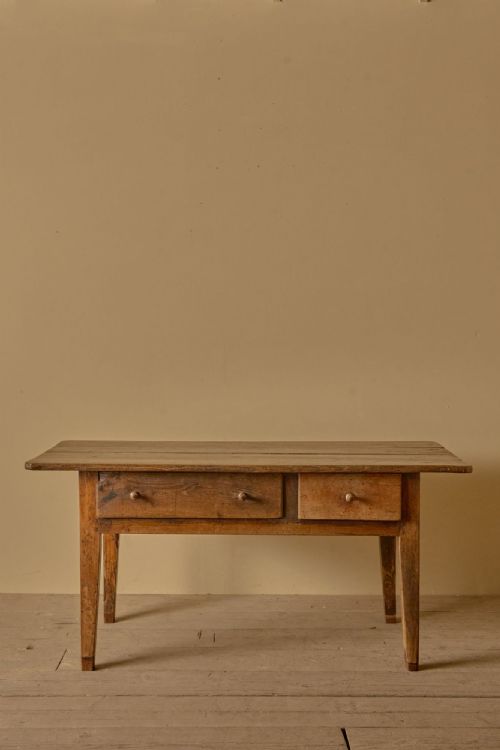
When searching for an antique brown console, buyers encounter a diverse selection of brown timber side tables, serving surfaces, and lowboards originating from periods spanning the seventeenth century through to the Edwardian era. These pieces frequently manifest as side tables, hall tables, and serving surfaces constructed to stand flush against a wall in domestic interiors.
The material palette is anchored by deep brown timbers such as mahogany, oak, walnut, and elm, often displaying natural figuring or subtle inlay work. Forms range from compact eighteenth-century oak lowboys and Georgian mahogany serving tables to substantial Victorian and Edwardian walnut designs featuring turned legs or shaped galleries.
Materials and construction methods
Cabinet makers utilised solid and veneered timbers, pairing sturdy oak and elm carcases with figured mahogany, burr walnut, and satinwood surfaces. Timber selection governed the visual weight of the console, with dense hardwoods providing durability for daily surface use.
Joinery techniques included dovetailed drawers, turned or reeded legs, and carved cabriole supports. Surfaces were finished to highlight the natural grain of the wood, sometimes incorporating decorative inlay or raised galleries.
Antique Brown Console Retail Price Guide 2026
Typical asking prices for brown console among the pieces listed under this phrase on Sellingantiques today, from the lower quarter to the upper quarter. They describe what is for sale here now, not the wider market.
Listings feature brown console formats spanning oak seventeenth-century lowboys to mahogany and walnut Edwardian side tables.
Assessing quality in brown console tables
Quality rests upon the selection of timber figures, such as burr walnut or figured mahogany, and the crispness of carved details like cabriole legs or moulded edges. Superior examples display thoughtful proportions and harmonious wood selection across the entire surface rather than relying solely on applied ornamentation.
Construction integrity separates standard utility pieces from finer creations, evident in the precision of drawer joints, the stability of turned or tapered legs, and the retention of original brass hardware or timber patination.
The Antique Brown Console Glossary
- Console table
- A table designed to stand against a wall, frequently fixed or supported by brackets, serving as a decorative surface in a hall or parlour.
- Lowboy
- A small seventeenth or eighteenth-century table with drawers, typically constructed from oak or walnut and standing on four legs.
- Dresser base
- The lower section of a kitchen or dining sideboard, featuring drawers and cupboards beneath a flat serving top.
- Burr walnut
- Timber taken from a walnut tree outgrowth, prized by cabinet makers for its intricate, swirling grain patterns.
- Demi-lune
- A half-moon shape utilised for the top and footprint of side tables intended to fit tightly against a wall.
Antique Brown Console: Frequently Asked Questions
How were these tables used originally?
Historically, these surfaces held lighting, decorative objects, and serving dishes in formal dining rooms and entrance halls.
Smaller iterations with drawers also served domestic writing or dressing functions within private rooms.
How do I date an antique console?
Dating relies on identifying timber choices, leg configurations such as cabriole or tapered styles, and construction methods like dovetailing.
Stylistic cues from periods like the Georgian or Edwardian eras provide clear chronological markers.
How do I style a brown console at home?
Place the table against a prominent wall in a hallway or living space to establish an immediate focal point.
Pair the rich wood tones with complementary ceramics, lamps, or wall brackets to maintain historical character.