
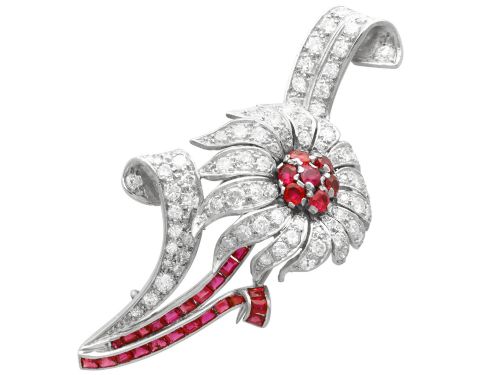
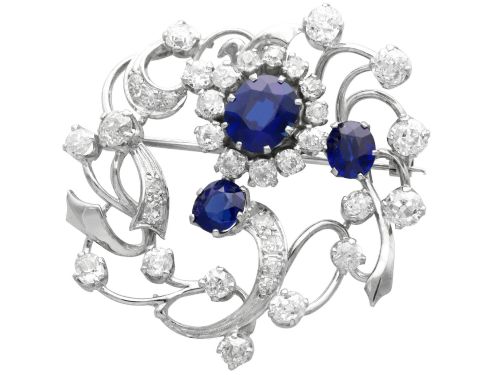
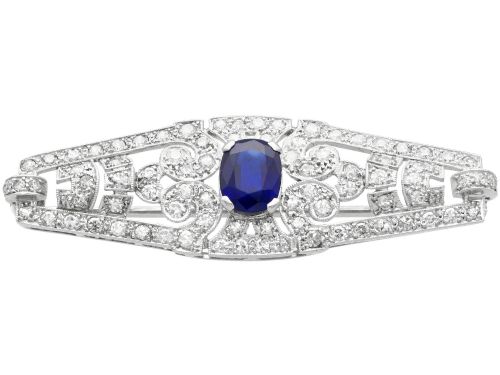
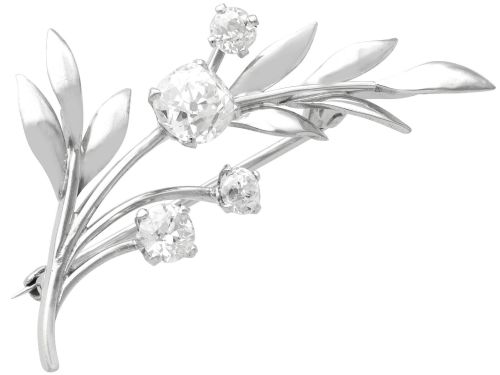
Antique Brooches and Pins
These antique brooches and pins span Georgian, Victorian, Edwardian and later decades, offering fastenings set with diamonds, pearls and enamel.
Antique Brooches and Pins
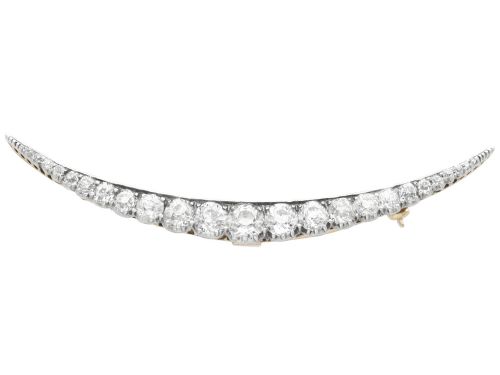
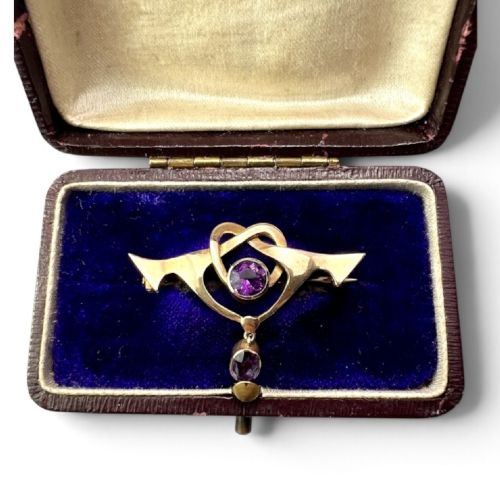
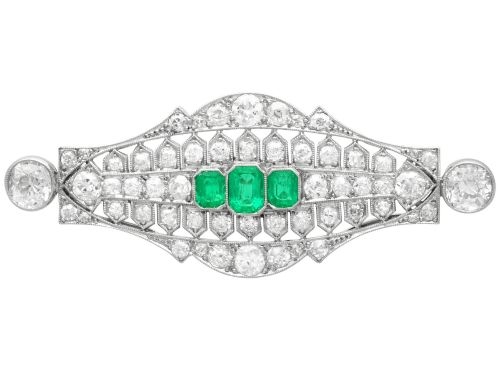
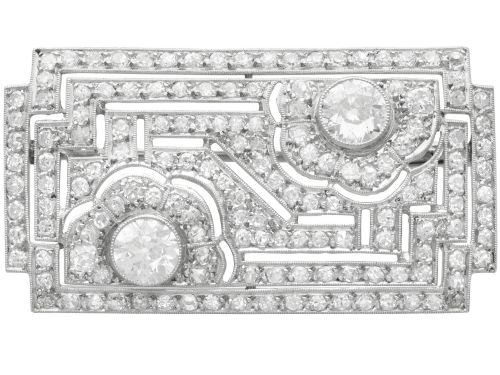
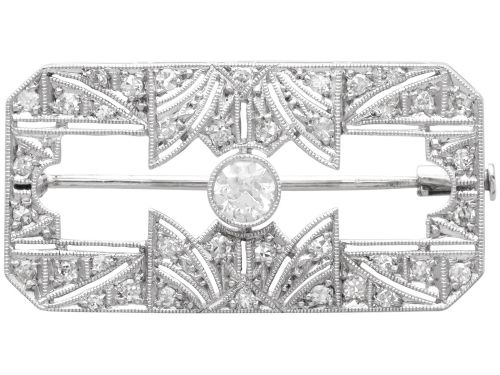
When you search for antique brooches and pins, you encounter personal ornaments worn on garments from the Georgian period through to the mid-twentieth century. The selection ranges from early nineteenth-century foil-backed topaz and moss agate pieces to Edwardian amethyst and seed pearl designs, alongside later Art Deco diamond bar brooches.
You meet various forms on this page, including mourning brooches, floral sprays, bar brooches, and convertible pendant-brooches. Materials span sterling silver, 15ct gold, platinum and silver gilt, often combined with gemstones such as garnets, opals, tourmalines and turquoise.
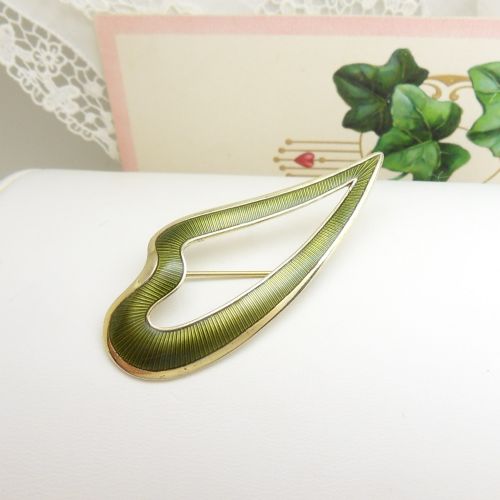
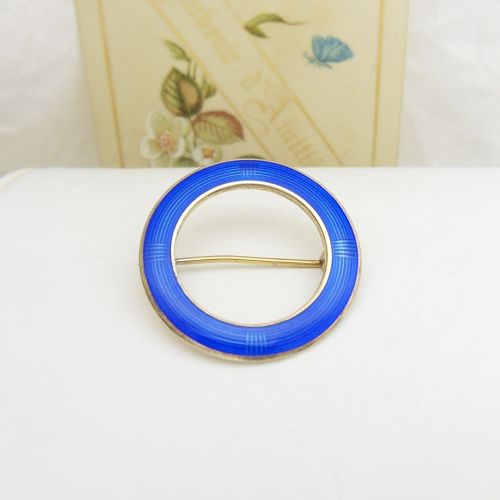
Specific regional and thematic styles appear regularly, such as Victorian Scottish Revival pebble or agate brooches, Art Nouveau leaf motifs, and Scandinavian silver and guilloche enamel butterfly designs. Stick pins also feature among the items, providing smaller scale alternatives to larger chest pieces.
How they were made
Goldsmiths utilised metals ranging from 9ct and 15ct gold to silver and platinum, shaping them into filigree, wirework, and cast settings. Stones were secured using collet settings, grain settings, and sometimes foil backs to enhance the colour of gems like pink topaz.
Enamelling techniques, particularly guilloche, added translucent colour over engine-turned metal bases, visible in butterfly and floral motifs. Stone-cutting methods varied from rose-cut diamonds and cabochon agates to faceted amethysts, garnets and aquamarines.
Listings feature periods spanning from the Georgian era through Victorian, Edwardian, Art Nouveau, Art Deco, and into the mid-twentieth century.
What varies in quality
The standard of work depends on the precision of metal fabrication, such as fine silver filigree work or intricate Etruscan Revival granulation and locket construction. The choice and matching of natural gemstones, from seed pearls to opals and tourmalines, dictate the refinement of the piece.
The integrity of applied materials like guilloche enamel and micro-mosaics separates standard items from exceptional examples. Maker attribution also influences distinction, with signed works or pieces originating from known designers carrying additional weight.
A H Darby & Son·Charles Horner
The Antique Brooches and Pins Glossary
- Bar brooch
- A slender horizontal metal pin, often set with gemstones or decorative central motifs.
- Guilloche enamel
- Decorative enamel applied over a metal surface that has been machined with an intricate engraved pattern.
- Mourning brooch
- A commemorative piece of jewellery containing hair, photographs or dark stones like onyx, worn in remembrance.
- Seed pearl
- Very small, naturally occurring pearls often used in clusters or floral arrangements.
- Micro mosaic
- An image assembled from tiny coloured glass tesserae to form miniature pictorial scenes.
Antique Brooches and Pins: Frequently Asked Questions
How do I wear an antique brooch today?
These pieces secure well to heavy fabrics such as wool coats, tweed jackets, or thick knit scarves where the weight of the metal is supported.
They also fasten on lapels, collars, or hats to add a point of interest to modern tailoring.
What is a convertible brooch and pendant?
Many designs feature a hidden loop or fold-down bail on the reverse, allowing the piece to shift between a chest ornament and a necklace pendant.
This dual function was common in Victorian and Edwardian jewellery to increase versatility.
How can I tell a Victorian brooch from an Edwardian one?
Victorian examples frequently employ heavier gold settings, darker gemstones like garnets and onyx, and sentimental themes including mourning work or Etruscan Revival details.
Edwardian pieces tend toward lighter mountings in yellow gold, platinum or silver, often featuring brighter aquamarines, amethysts and seed pearls in delicate floral compositions.
What are Scottish Revival pebble brooches?
These Victorian pieces incorporate native Scottish hardstones such as agates, jaspers and citrines mounted in silver frames.
Popularised during the mid-nineteenth century, they reflect a romantic interest in Scottish landscapes and heritage.