
Antique Brooch
An antique brooch is a wearable fastening that brings together gold, platinum, and gemstones across Victorian, Edwardian, and Art Deco designs.
Antique Brooch
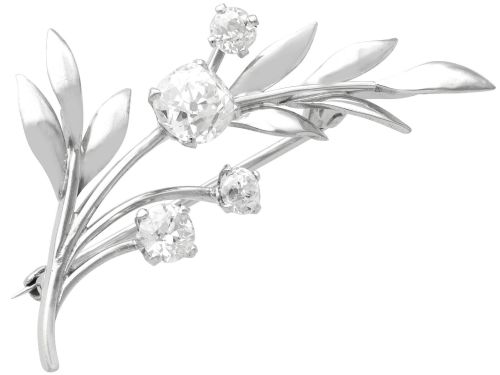
When you search for an antique brooch, you encounter pieces spanning from the late nineteenth century through the mid-twentieth century, encompassing Victorian, Edwardian, and Art Deco eras. The selection ranges from substantial multi-stone floral and animal motifs to geometric bar pins and convertible pendant brooches.
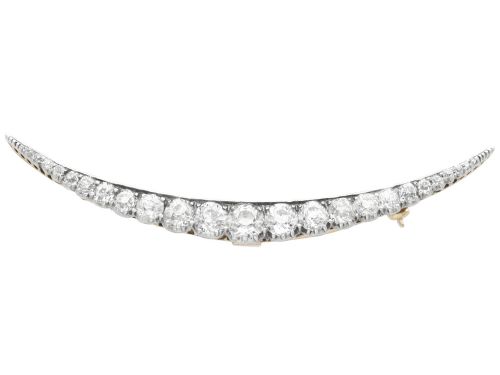
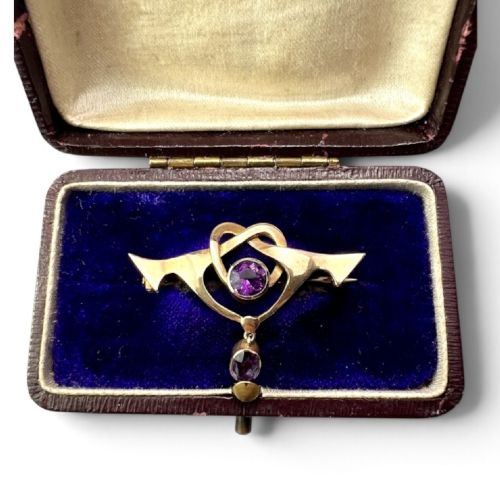
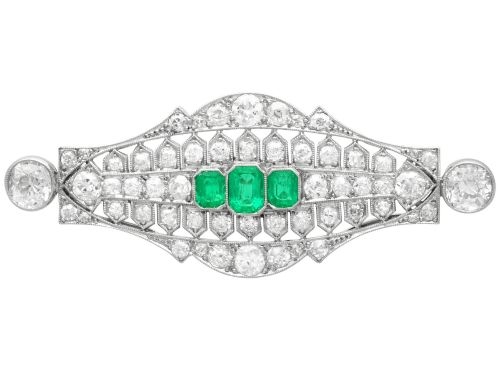
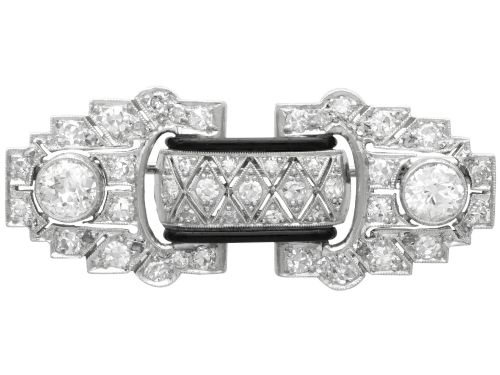
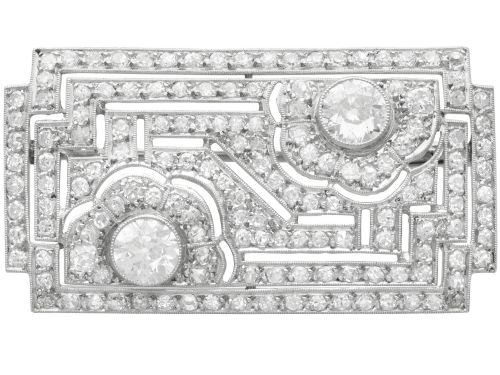
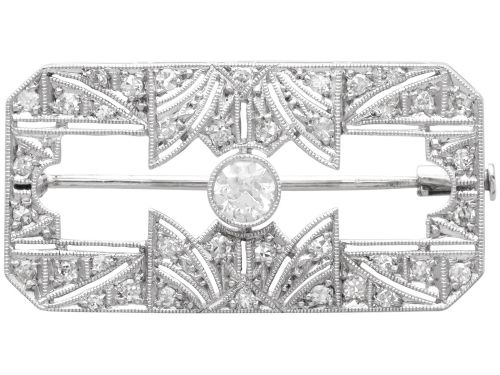
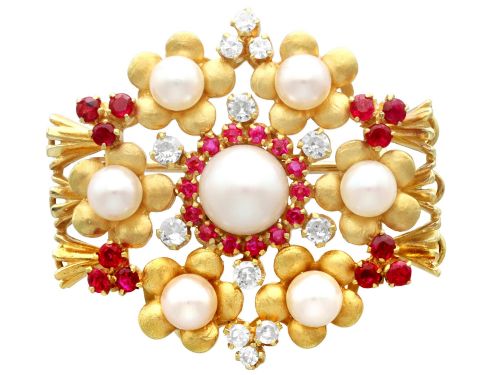
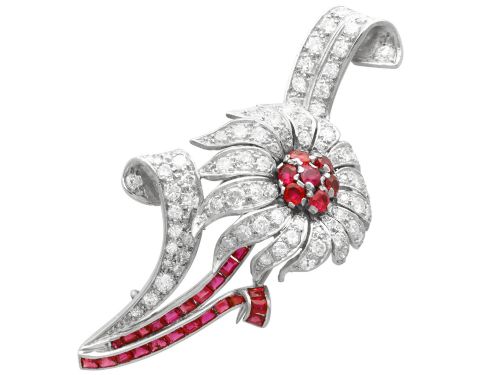
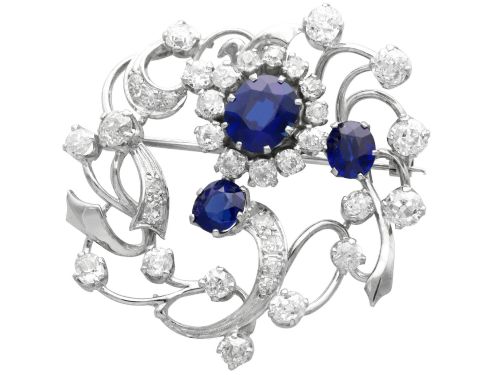
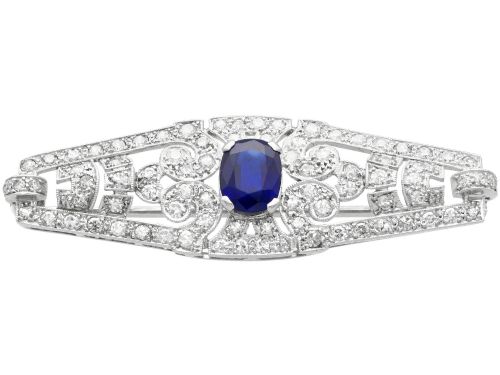
Victorian and Edwardian examples frequently utilise yellow gold set with pearls, amethysts, citrines, and coloured gemstones in halo, sunburst, or crescent configurations. Art Deco pieces introduce platinum and white gold geometric frameworks dominated by diamonds, sapphires, and rubies.
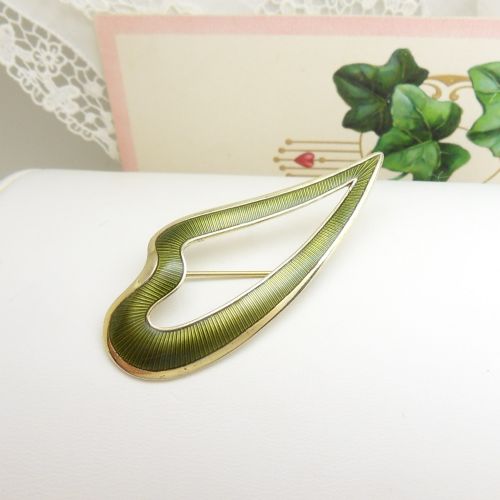
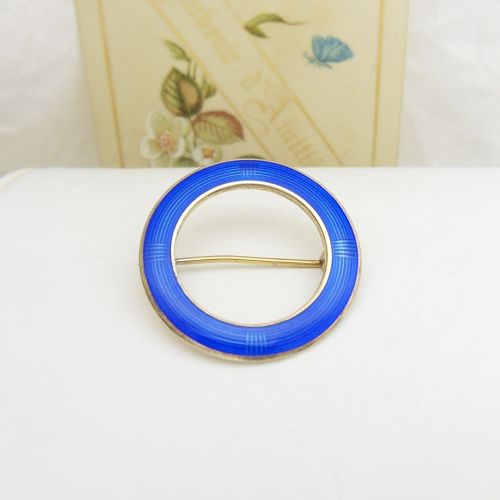
Mid-century items bring enamelled surfaces and regional silverwork into focus, including Scottish agate designs and Norwegian guilloche enamel floral motifs. Many pieces double as pendants, offering versatility alongside pin fastenings.
Materials and Techniques
Metals span 9ct, 12ct, 14ct, 15ct, and 18ct yellow and white gold, alongside platinum and sterling silver. Platinum-topping on gold frames appears in pieces from the early twentieth century, providing a secure white metal base for diamond settings.
Gemstone selection combines diamonds, rubies, sapphires, emeralds, opals, garnets, tourmalines, and peridots with organic elements such as seed pearls, natural saltwater pearls, blister pearls, mother-of-pearl, and agate. Enamelling techniques, including guilloche work, add saturated colour to floral and pictorial subjects.
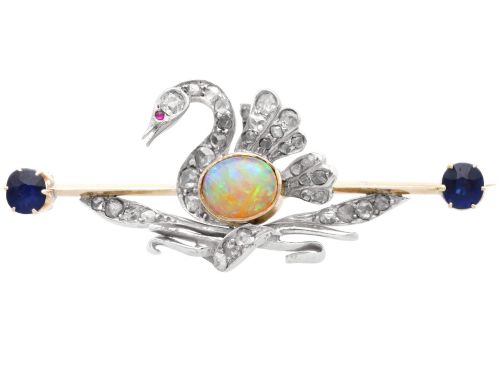
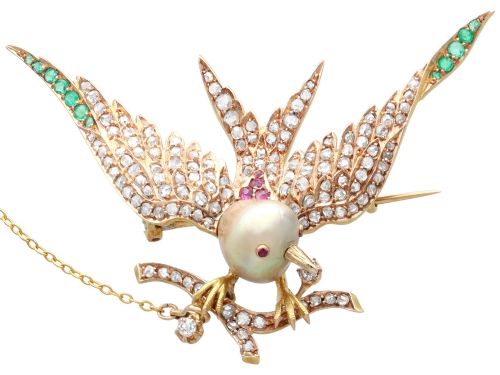
Several animals join the lineup, including a swan, a bird, a dragon fly, a spaniel, and a butterfly.
Craftsmanship and Material Selection
Quality rests in the precision of the metalwork, whether through delicate silver filigree, intricate gold granulation, or the sharp geometry of platinum Art Deco mounts. The calibre of the stones, from well-matched diamond pavé to substantial carved opals and clear coloured gems, defines the standard.
The integration of secondary elements like enamel work and convertible pendant loops demonstrates workshop capability. Maker attribution, through signatures or distinctive regional styles, further distinguishes individual pieces.
Deakin and Francis·Cartier·Garrard and Co·David Andersen·A H Darby and Son
The Antique Brooch Glossary
- Guilloche enamel
- Enamel applied over a metal surface that has been machined with an intricate repetitive pattern. This technique creates translucent waves of colour beneath the glassy surface.
- Bar brooch
- A narrow horizontal pin featuring central ornamentation such as gemstones or enamel. It represents a common configuration during the Art Deco period.
- Mourning brooch
- A commemorative piece of jewellery, often incorporating dark stones like onyx, jet, or black enamel alongside seed pearls. These items were created to remember deceased loved ones.
- Seed pearl
- A very small natural or cultured pearl, frequently drilled and strung or set en masse. They appear widely in Victorian and Edwardian cluster designs.
Antique Brooch: Frequently Asked Questions
How do I wear an antique brooch?
Pin the piece securely to heavy fabrics like wool coats, structured lapels, or thick scarves to support the weight of gold and gemstones.
Lighter silver and enamel versions suit silk blouses or knitwear when paired with a stabilizing backing.
How do I date an antique brooch?
Examine the metal choice, gemstone cuts, and overall stylistic motifs to determine the period of manufacture.
Victorian pieces often use yellow gold and seed pearls, Edwardian items feature platinum-topped gold filigree, and Art Deco examples show geometric platinum frameworks.
What is guilloche enamel?
Guilloche enamel involves layering translucent coloured glass over a mechanically engraved metal base.
The underlying pattern shows through the enamel, creating a shimmering depth found on Edwardian and mid-century pieces.