


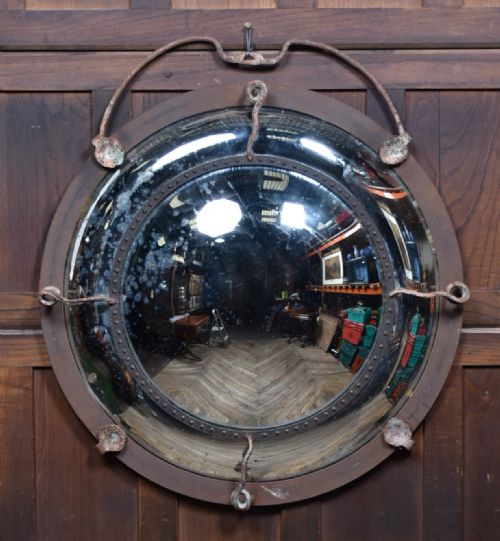


Antique Bronze Wall Mirror
An antique bronze wall mirror brings heavy metalwork and reflective depth to a room, spanning French revival styles and Victorian forms.
Antique Bronze Wall Mirror
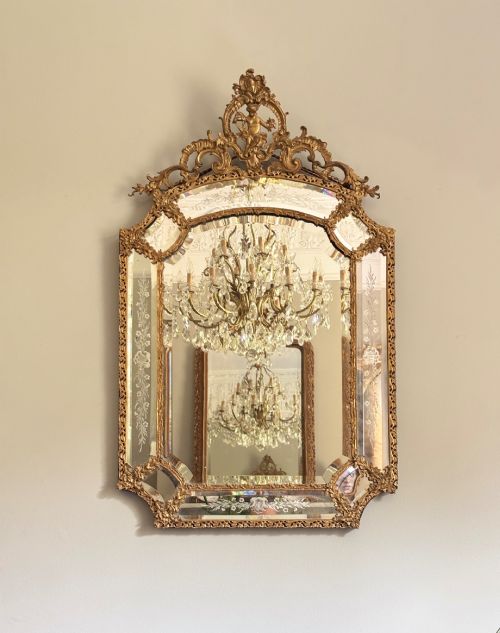
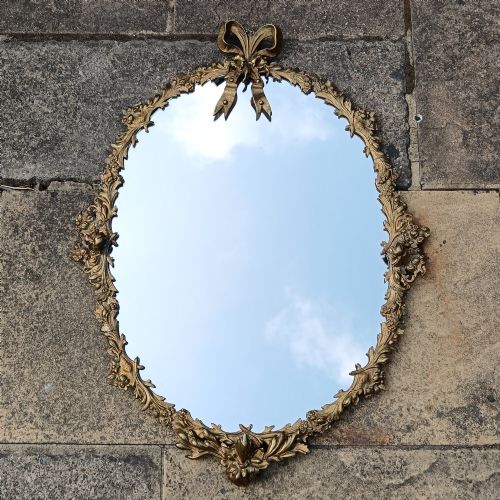
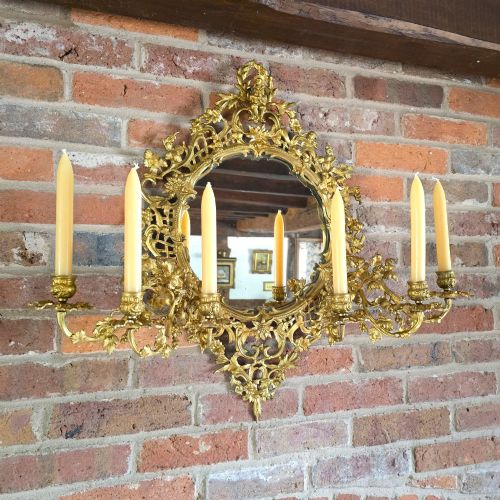
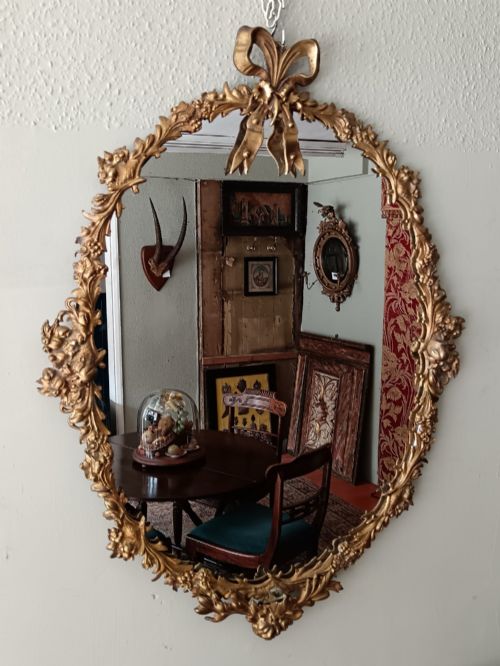
An antique bronze wall mirror sits among heavy metal frames and reflective glass, drawing on French rococo, Louis XVI, and Victorian traditions. These pieces include simple wall hung plates, pairs of girandoles, and mirrored wall sconces fitted with candle branches.
Most examples found here date across the nineteenth century and up to 1920, with French origins predominating through ornate cast frames. Forms range from oval and circular plates to large rectangular wall cabinets and multi branch candelabra mirrors.
Buyers encounter everything from dark patinated cast bronze to bright gilt finishes and ormolu mounts. The selection captures both domestic hall mirrors and elaborate salon pieces designed to amplify light in a room.
Materials and construction
The heavy frames rely on cast bronze, ormolu, and brass, often paired with wood carcase structures behind hanging wall cabinets. Metalworkers used sand casting and lost wax techniques to produce ornate scrolls, floral motifs, and figural mounts.
Gilt bronze and fire gilding applied mercury or gold leaf to the metal surface, creating durable metallic sheens that contrast with darker patinated bronze. Mirror glass is set securely into the metal rebate, occasionally featuring bevelled edges or paired with crystal drops and candelabra arms.
Listings span periods from 1850 through the Victorian era up to 1920, showing a strong concentration of French nineteenth century production.
Judging quality in bronze mirrors
Quality rests in the crispness of the metal chasing and the depth of the casting detail across scrolls, leaves, and figural mounts. Superior pieces show hand finished work on the reverse and well fitted joints on frames and candelabra branches.
The integrity of the original mercury or silvered mirror glass also dictates value, alongside intact fire gilding or stable dark patination. Maker signatures or stamps on the bronze frame elevate an example above anonymous workshop production.
Town and Emanuel·E.G Paris
The Antique Bronze Wall Mirror Glossary
- Ormolu
- Gilded bronze produced by applying a mercury gold amalgam to a bronze base and heating it. This technique creates a rich, lasting golden finish seen on many nineteenth century frames.
- Girandole
- A branched wall light or candelabra combined with a mirror. The reflective glass serves to multiply the candlelight in a room.
- Rococo Revival
- A nineteenth century design style characterised by asymmetrical scrolls, C-scrolls, and naturalistic shell or floral motifs. It draws directly on eighteenth century French decorative arts.
- Louis XVI Revival
- A decorative style inspired by classical restraint, featuring symmetrical straight lines, laurel wreaths, ribbons, and urns. It contrasts with the flowing curves of earlier rococo designs.
- Patina
- The surface sheen and colour developed on bronze or brass through age and handling. A genuine patina shows subtle tonal variations from oxidation.
Antique Bronze Wall Mirror: Frequently Asked Questions
What is the difference between ormolu and bronze?
Bronze is an alloy of copper and tin, sometimes with zinc, used to cast the structural frame of the mirror. Ormolu refers specifically to the gilded surface treatment applied to that bronze base.
While all ormolu is mounted on bronze or brass, not all bronze mirrors are gilded; many retain a dark patinated metal finish or use polished brass.
Can I use a girandole mirror with candles?
Girandoles feature integral branch candelabra designed to hold taper candles alongside the reflective glass plate. Modern users can burn candles safely provided they keep drafts away and monitor the flame near the frame.
Alternatively, many buyers leave the sconces unlit as decorative metalwork, enjoying the sculptural quality of the arms without soot accumulation on the glass.
How do I clean antique bronze frames?
Dust the metal surface gently with a soft dry brush to remove dirt from recessed cast details and scrollwork. Avoid using abrasive metal polishes that strip original gilding or historical patination from the bronze.
Glass plates can be cleaned with a mild glass cleaner applied to a cloth rather than sprayed directly onto the frame. This prevents liquid from seeping behind the mirror plate or into joints.