
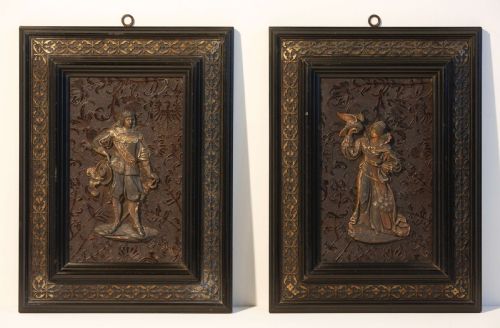



Antique Bronze Wall Hanging
An antique bronze wall hanging brings weight, texture and centuries of metalwork craft directly to your interior walls.
Antique Bronze Wall Hanging
When you search for an antique bronze wall hanging, you encounter an array of heavy metal plaques, mirrors, clocks and bells spanning the Georgian period through the early twentieth century. The selection ranges from French Louis XVI revival mirrors and cartel clocks to relief portraits and architectural elements.
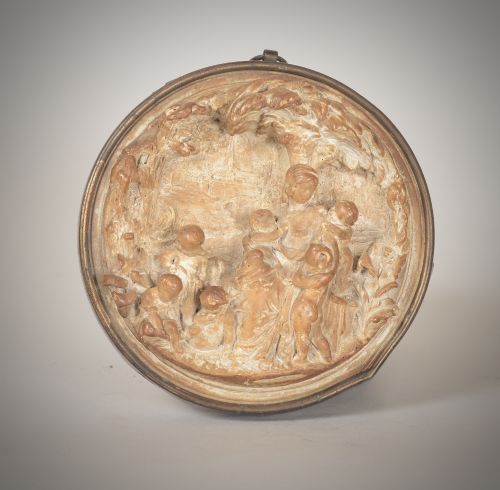
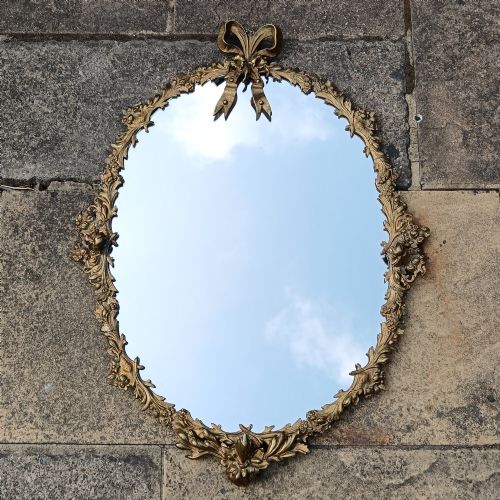
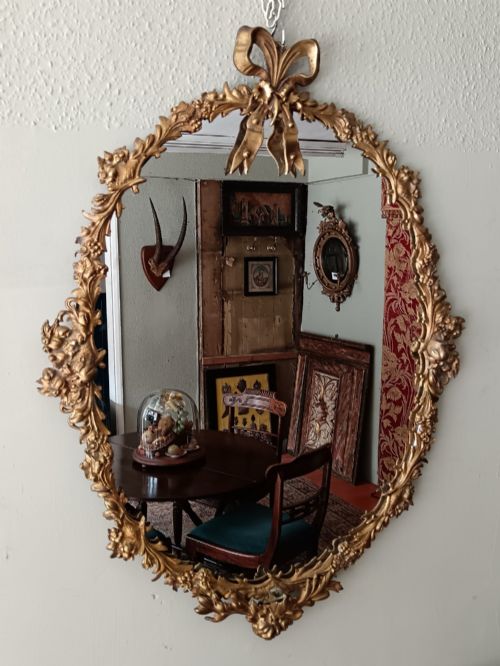
You are most likely to meet French gilt bronze wall mirrors or cast relief plaques from the nineteenth century on this page. These pieces often draw on classical motifs, Louis XVI styling or Rococo revival aesthetics suited for domestic display.
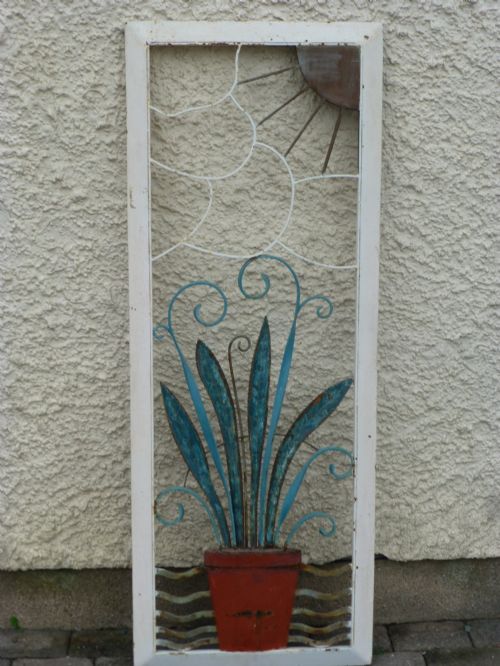
The objects serve diverse functions, combining decorative wall art with practical timepieces, gongs and hanging cabinets. Each piece reflects the interior taste of its period, from Regency silhouettes to Art Deco ironwork.
Materials and construction methods
The pieces rely primarily on cast bronze, brass and gilt bronze, frequently paired with wood, glass or wrought iron for mounting and support. Craftsmen utilised casting, beating and chasing techniques to form relief figures and decorative frames.
Gilding and surface bronzing appear across numerous items, lending a rich metallic finish to base metals or plaster cores. Artisans integrated mixed materials, mounting metal plaques onto ebonised wood panels or original hanging brackets.
Charles Dickens watches from the wall alongside Bacchus and Diana the huntress.
Factors that define quality
The integrity of the original mountings, mercury gilding and secondary materials such as carved wood or bevelled glass distinguishes finer examples. Maker attribution and the preservation of original patination elevate certain pieces above standard decorative items.
Raymond Subes·Faulkner Bronze Company·George Atkinson·Town and Emanuel
The Antique Bronze Wall Hanging Glossary
- Cartel clock
- A wall clock housed in an ornate ornamental frame, typically made of gilt bronze or ormolu and mounted directly to the wall.
- Gilt bronze
- Bronze that has been coated with a thin layer of gold or gold amalgam, providing a bright golden finish that resists tarnish.
- Ormolu
- A finely ground high-carat gold-mercury amalgam applied to bronze objects during the eighteenth and nineteenth centuries.
- Relief plaque
- A wall-mounted decorative panel where the sculpted design projects from a flat background surface.
- Patina
- The surface sheen and colour acquired by metal through age, handling and environmental exposure over decades.
Antique Bronze Wall Hanging: Frequently Asked Questions
How should I clean antique bronze without damage?
Dust the surface gently with a soft, dry cloth to remove airborne particles without disturbing the underlying patination. Avoid abrasive cloths, commercial metal polishes and chemical cleaners that strip historical finishes.
If the piece accumulates grime, consult a conservator rather than attempting aggressive cleaning. Preserving the natural aged surface maintains the integrity and visual character of the metal.
What is the difference between gilt bronze and ormolu?
Gilt bronze is a broad term for bronze treated with a gold surface layer, encompassing various historical coating techniques. Ormolu specifically refers to mercury gilding popular in French decorative arts during the eighteenth and nineteenth centuries.
Objects described as ormolu often display a distinct golden warmth and durability achieved through the fire-gilding process. Both finishes require careful handling to prevent loss of the gold layer.
How do I date an antique bronze wall plaque?
Dating relies on stylistic clues, casting methods, and the materials used for the backing or mounting brackets. Nineteenth-century pieces frequently exhibit revival styles such as Louis XVI, Rococo or Gothic motifs alongside machine-tooled or hand-chased details.
Examine the reverse side of the plaque for maker marks, foundry stamps, or screw types that indicate the period of manufacture. Comparing the patina and wear patterns with documented examples helps confirm the age.