
Antique Bronze Study
When you search for an antique bronze study, you meet small sculptural works capturing animals, historical figures and classical subjects cast across the nineteenth and early twentieth centuries.
Antique Bronze Study
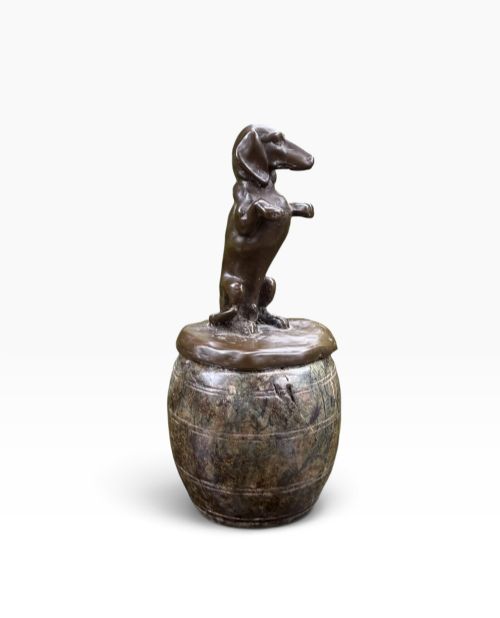
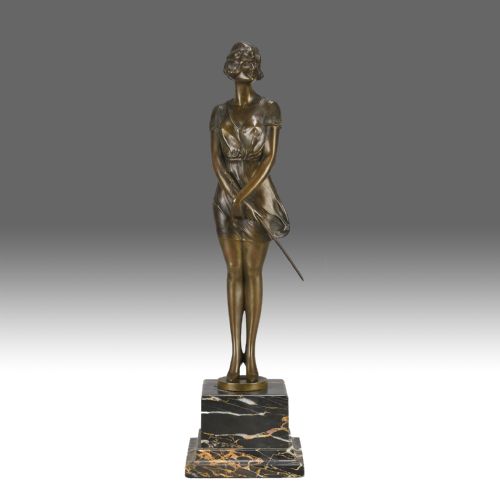
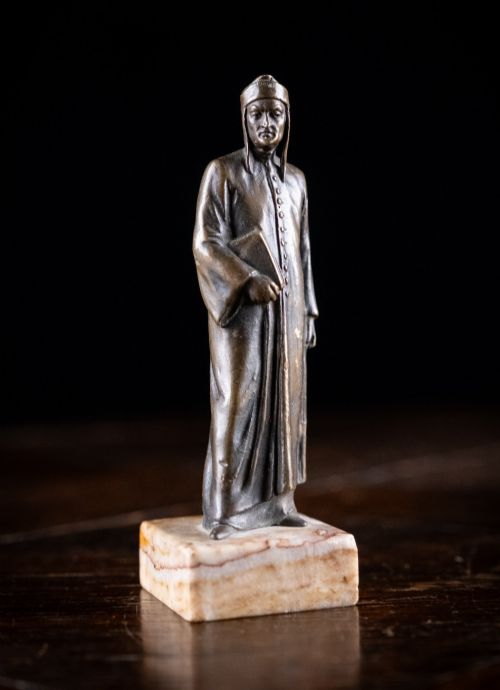
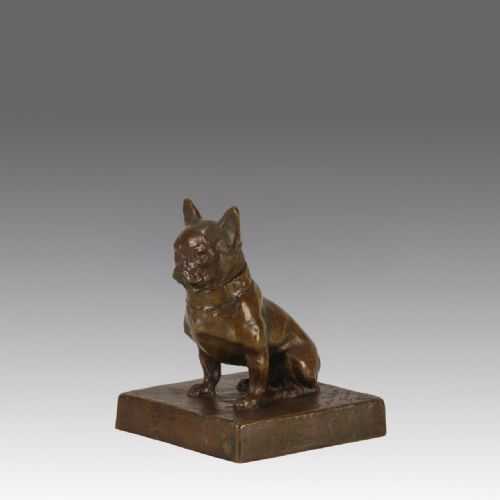
An antique bronze study is typically a cabinet-sized sculpture or figural grouping intended for display on desks, tables and mantelpieces. These works span domestic animal subjects, human figures in motion, and souvenir reductions of classical antiquities collected during the Grand Tour.
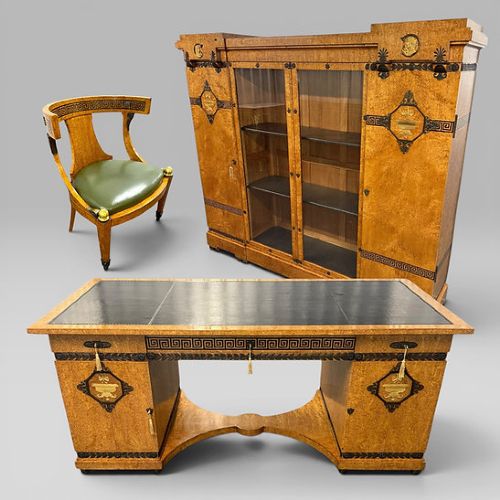
Makers ranged from European foundries producing animalier bronzes to individual sculptors submitting portrait busts and literary subjects to salons. Desk accessories and writing furniture occasionally accompany the category when paired with fitted bronze mounts and sculptural inkwells.
Materials and Technique
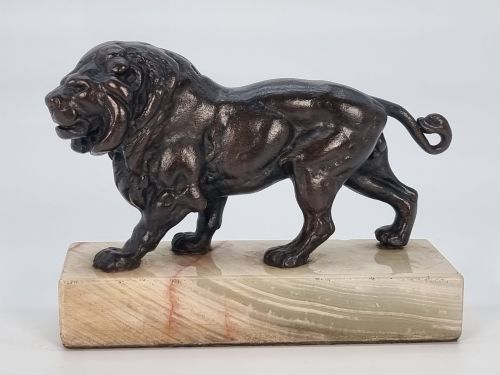
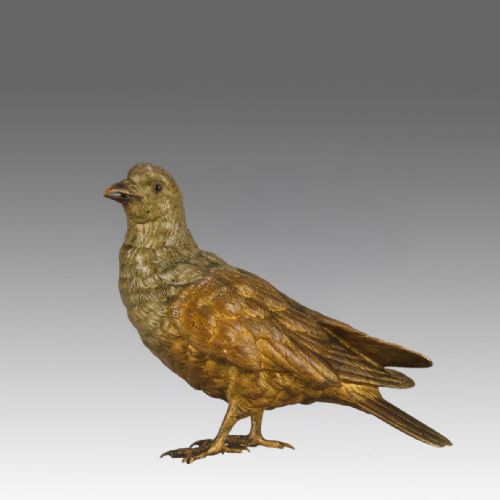
Foundries utilised the lost-wax method or sand-casting techniques to shape molten bronze into intricate figures, often finishing the metal with patination or cold-painted polychrome enamel. Bases frequently incorporated natural stone such as marble, onyx or slate to anchor the weight of the cast.
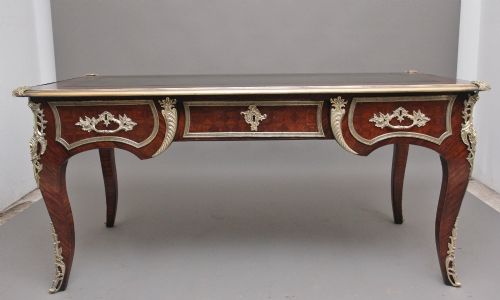
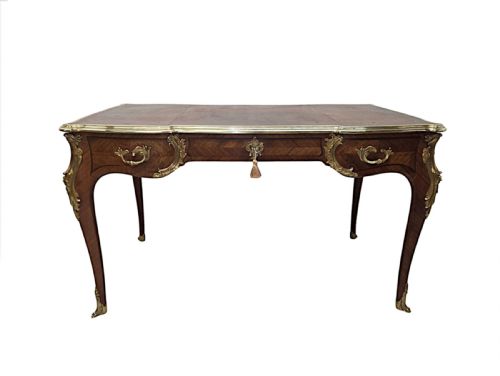
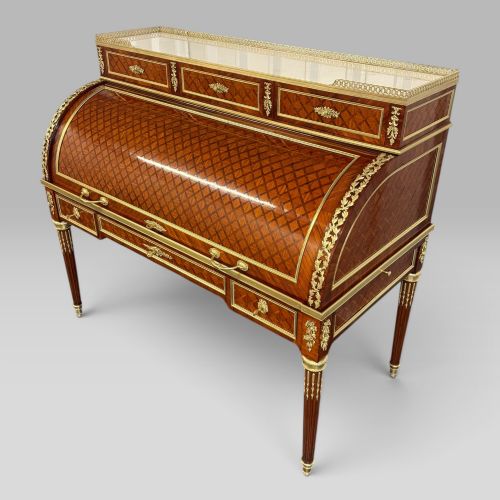
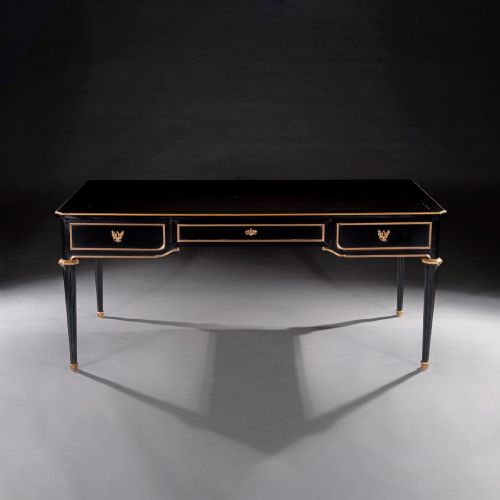
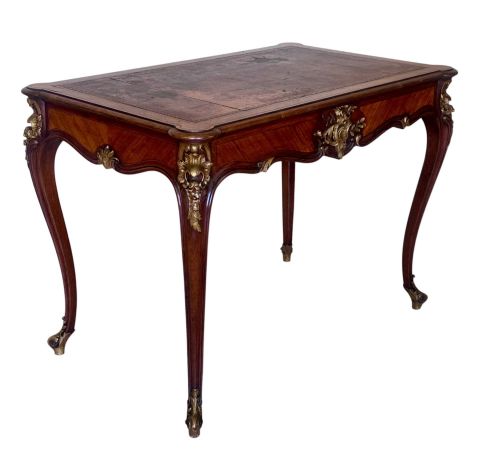
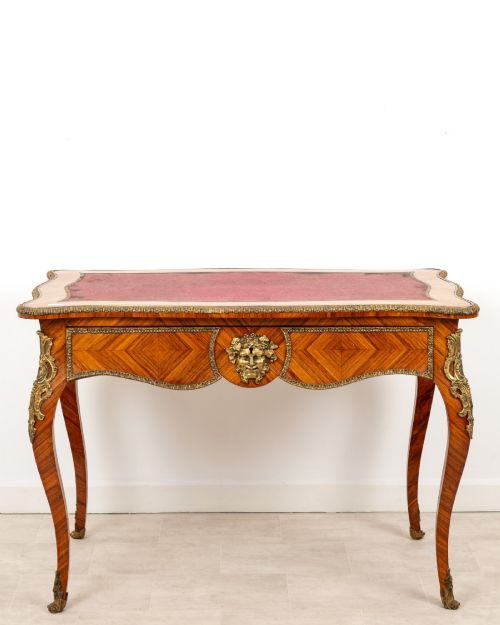
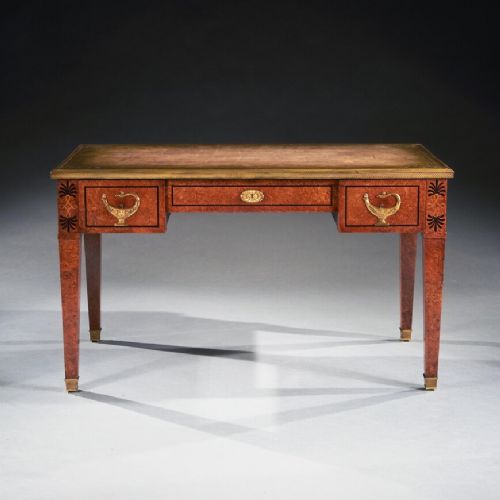
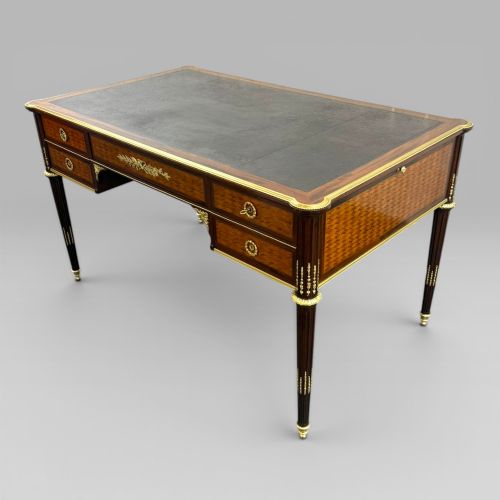
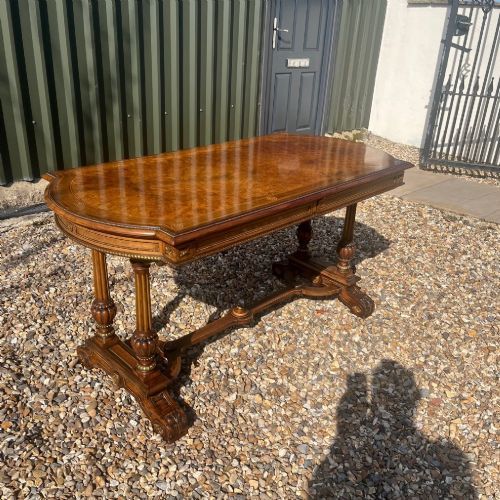
Decorative furniture items within the category combined structural timbers like mahogany, kingwood and burr walnut with cast ormolu mounts, leather desk surfaces and fine parquetry detailing.
A tiny beetle cast in solid bronze waits quietly on this page, proving that even a six-legged insect could demand the full attention of a Meiji period foundry.
Factors of Distinction
The depth and subtlety of the patina, or the preservation of original cold-painted pigments, dictates the visual success of the surface. Marble and onyx plinths chosen to support the metalwork also vary in mineral patterning and integrity.
Bruno Zach·Dora Heber·Franz Bergman·François Linke·Alfred Dubucand·Louis Riche·Sir Thomas Brock·Ferdinand Barbedienne
The Antique Bronze Study Glossary
- Animalier
- A nineteenth-century artistic movement focusing on realistic depictions of animals, particularly wild beasts in motion. Sculptors in this tradition studied anatomy closely through zoological gardens.
- Cold-painted bronze
- A technique where oil paint was applied to a cold bronze casting rather than fired in a kiln. This Austrian manufacturing method required delicate application to survive over time.
- Grand Tour
- A traditional trip through Europe undertaken by upper-class scholars and collectors during the eighteenth and nineteenth centuries. Souvenirs included miniature bronze reductions of classical statues.
- Ormolu
- Gilt bronze produced by applying a mixture of mercury and gold leaf to cast brass or bronze and heating it to vaporise the mercury. This leaves a rich golden surface layer.
- Lost-wax casting
- A metalworking process where a molten metal is poured into a mould that has been created by means of a wax model. The wax is melted and drained away to leave the cavity.
Antique Bronze Study: Frequently Asked Questions
What is an animalier bronze?
An animalier bronze is a small sculptural piece depicting animals behaving naturally, often engaged in predatory action or resting. These works became popular across Europe during the nineteenth century.
Foundries cast these pieces to capture realistic muscle structure and texture, frequently mounting them on marble or onyx bases.
How do I clean an antique bronze?
Antique bronzes require minimal intervention to preserve their historic patination. Dusting with a soft dry brush is generally sufficient to keep the surface clear.
Water, abrasives and chemical polishes should be avoided because they strip the original finish and patination accumulated over centuries.
What are Grand Tour bronzes?
Grand Tour bronzes are souvenir sculptures purchased by travellers visiting classical sites in Italy and Greece. They replicate famous ancient monuments, sculptures and architectural ruins.
These pieces were produced in various scales to fit into luggage, allowing collectors to bring classical antiquity back to their home studies.
Where were cold-painted bronzes made?
Cold-painted bronzes were predominantly produced in Vienna during the late nineteenth and early twentieth centuries. Foundries specialised in realistic birds, animals and human figures.
The paint was applied without heat using binder mediums, meaning surviving examples often exhibit delicate wear patterns that document their age.