
Antique Bronze Stand
An antique bronze stand provides a stable, decorative footing for display pieces, ranging from heavy censers to delicate vases across French Empire and Qing Dynasty designs.
Antique Bronze Stand
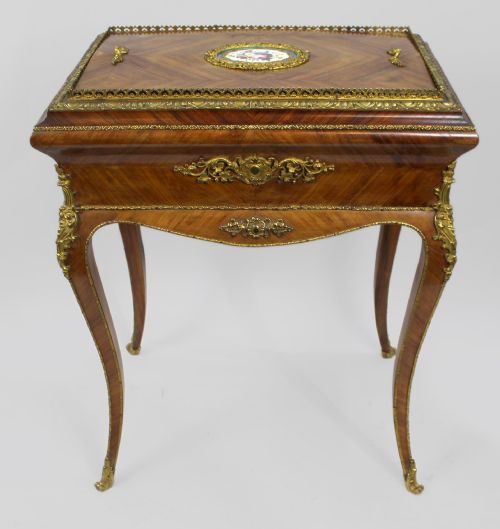
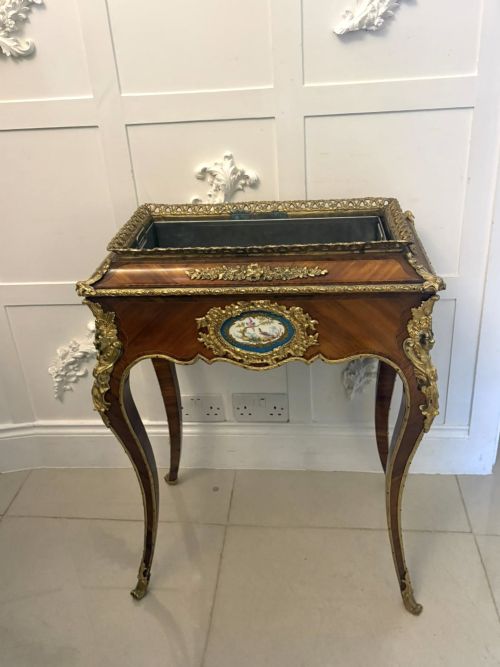
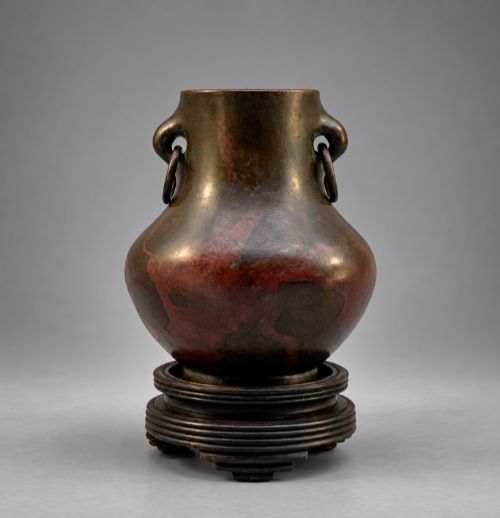
An antique bronze stand encompasses various elevated supports, bases, and pedestals designed to elevate objects like censers, vases, and sculptures. These pieces emerge from diverse traditions, including 18th century Chinese scholar items and 19th century French gilt bronze mounts.
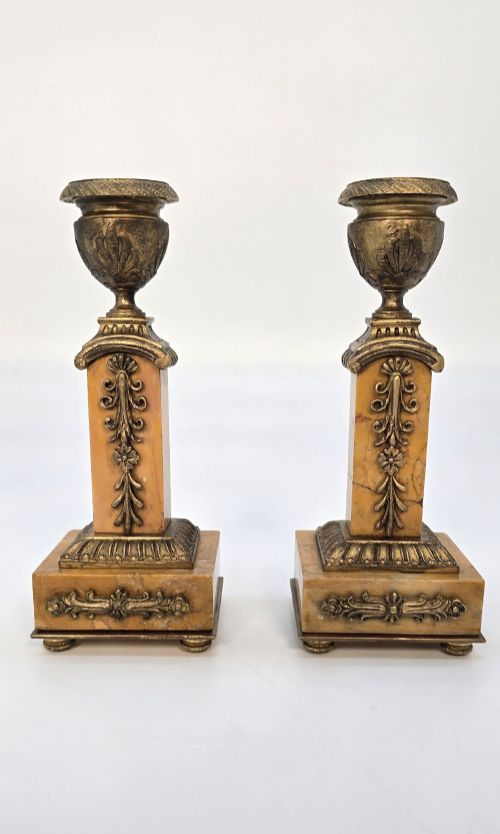
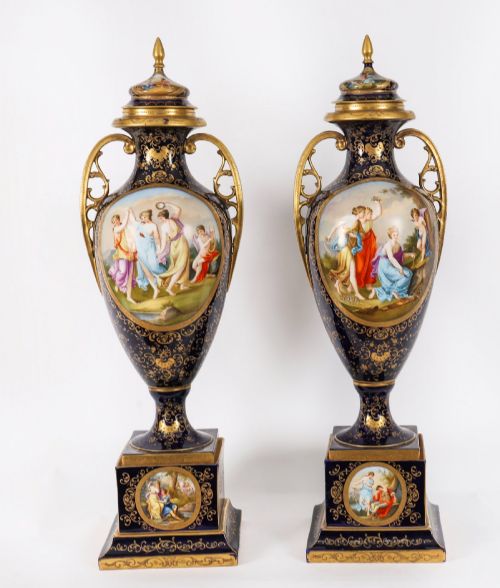
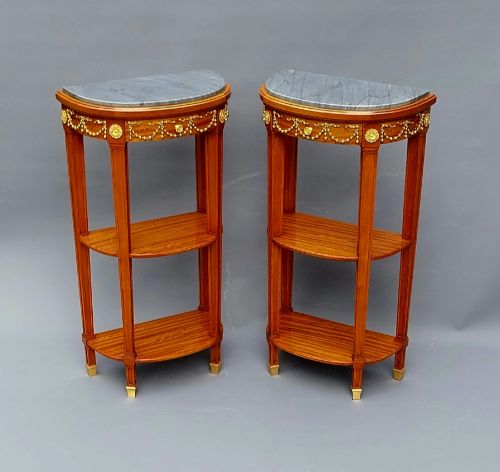
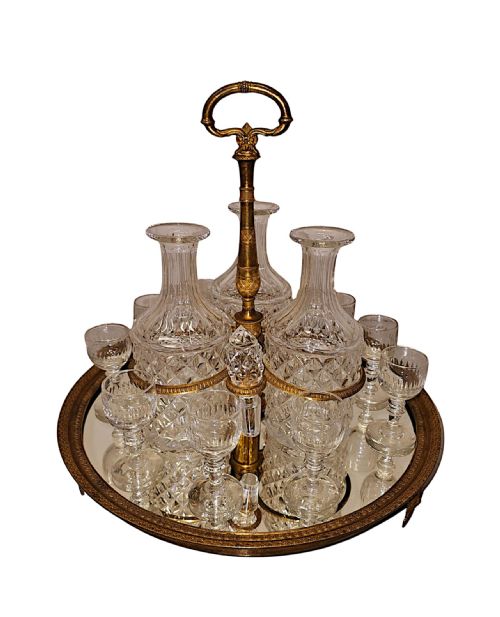
The items most frequently met on this page combine bronze or ormolu with marble, porcelain, or hardstone components. They function independently as decorative supports or arrive integrated directly beneath vessels, jardinières, and candelabra.
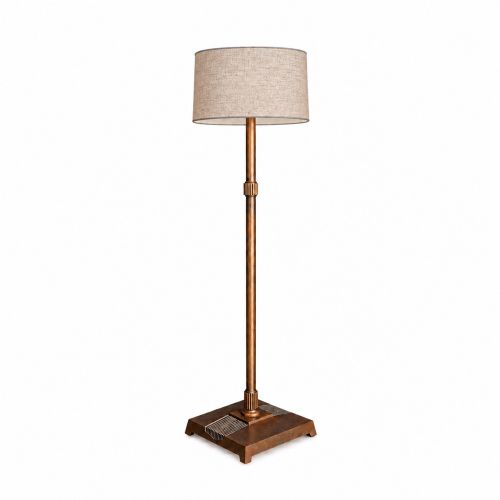
Originating across periods spanning the Regency era to Art Deco, these supports reflect the aesthetic priorities of their respective workshops. A buyer encounters everything from classical Grecian standard lamps to ornate tripod bases.
How they were made
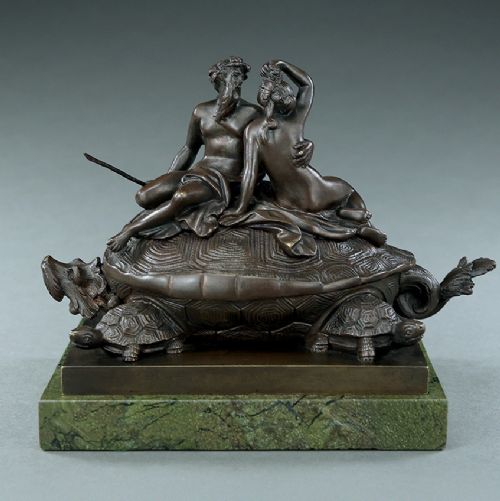
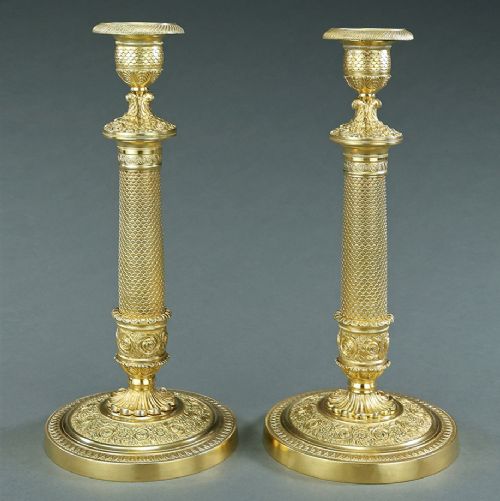
Maker utilise traditional casting techniques to shape bronze, patinated bronze, and ormolu into intricate forms. Molten metal flows into moulds, capturing fine details like elephant-head handles, foliage, and classical motifs before undergoing hand-chasing and finishing.
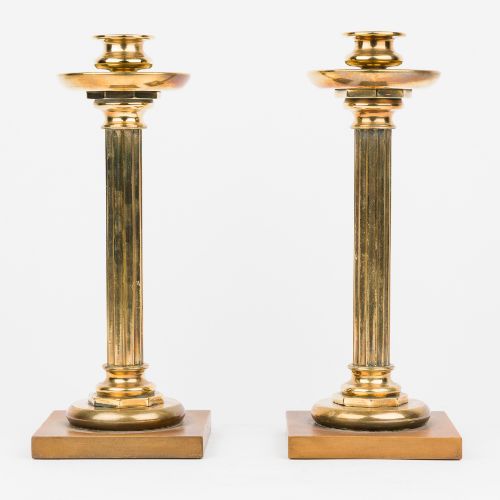
Many designs incorporate contrasting natural materials such as marble, onyx, hardstone, and kingwood. Artisans mount the metalwork securely to these stone or wooden bases using collars, pins, and mounts to create stable display platforms.
Listings feature items spanning the 18th century to the 1920s, combining bronze and ormolu with marble, porcelain, and glass across various global traditions.
What varies in quality
Quality separates pieces through the crispness of the metal casting and the depth of the subsequent chased details. Superior examples exhibit sharp relief, clean edges, and meticulous hand-finishing that retains every nuance of the original mould.
The selection of secondary materials heavily influences the overall standard of the work. High-grade items pair heavy, substantial bronze components with unblemished natural marble, fine porcelain plaques, or expertly carved hardwoods rather than lesser substitutes.
Gabriel Viardot·Bruno Zach·Barbedienne
The Antique Bronze Stand Glossary
- Ormolu
- Gilded bronze produced by applying a finely ground high-carat gold-mercury amalgam to a bronze object before firing. This technique creates a rich, enduring golden surface common in French decorative arts.
- Censer
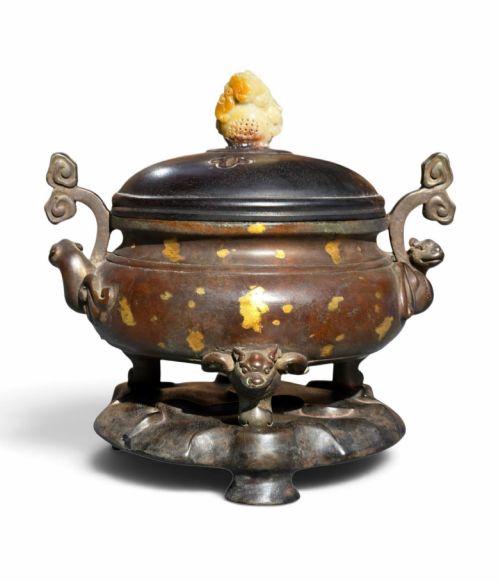
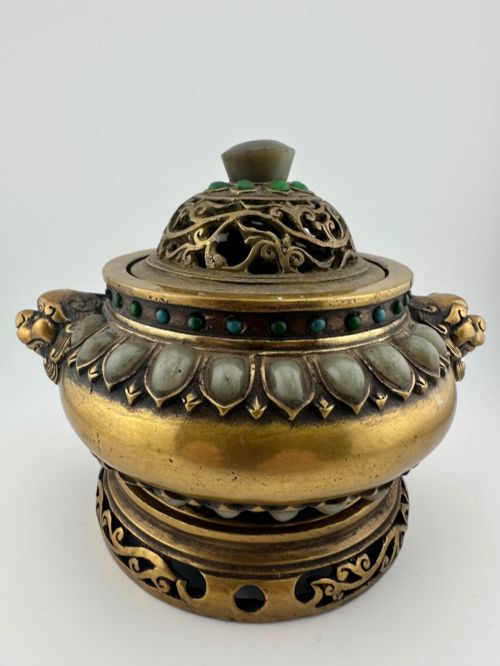
- A vessel designed for burning incense, frequently accompanied by a dedicated stand or cover. These ritual objects often feature archaistic bronze styling and intricate handles.
- Champlevé
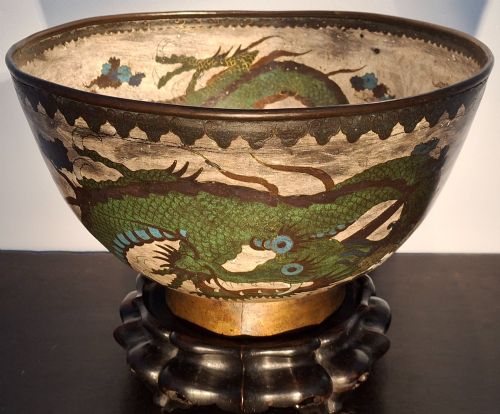
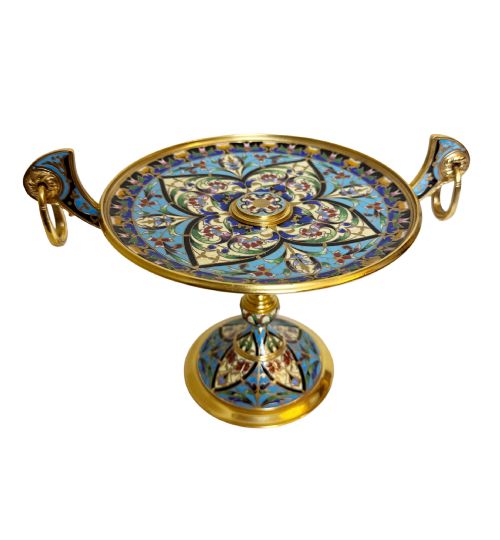
- An enamelling technique where troughs or cells are hollowed out in the metal surface and filled with vitreous enamel powder before firing. It creates vibrant patterns alongside the exposed bronze.
- Patinated bronze
- Bronze that has undergone a chemical or natural treatment to alter its surface colour and tone. This finish ranges from deep browns to dark greens.
- Tripod
- A three-legged support structure used for stability on various tables and surfaces. Such forms appear frequently beneath ritual censers and decorative bowls.
Antique Bronze Stand: Frequently Asked Questions
What is an antique bronze stand used for?
An antique bronze stand primarily serves to elevate and showcase decorative items such as vases, bowls, and ritual censers. They provide a secure and ornate foundation that enhances the visual presence of the object placed upon them.
Beyond simple display, many of these stands function as integral components of larger decorative ensembles, including candelabra bases and jardinières. Their sturdy construction accommodates heavy materials like marble and porcelain securely.
How do I identify French Empire bronze?
French Empire bronze work typically displays strong classical motifs influenced by ancient Rome and Greece, often featuring sharp, precise casting and rich ormolu gilding. Look for symmetrical designs incorporating military trophies, swans, and acanthus leaves.
The metal surface on these pieces usually exhibits crisp hand-chasing where the artisan has refined the cast details after removal from the mould. This period favours a striking contrast between polished and matte gold finishes.
Are bronze stands suitable for heavy items?
Bronze stands possess inherent strength and weight, making them exceptionally well-suited for supporting heavy objects like large porcelain vases, stone sculptures, and bronze vessels. Their robust metallic composition prevents tipping under substantial loads.
Many period examples were specifically engineered to bear the weight of dense materials such as marble columns and massive ritual censers. Ensuring the base and support share a proportional weight distribution maintains complete stability.
How should I clean antique bronze?
Cleaning antique bronze requires gentle dusting with a soft, dry cloth to remove accumulated surface particles without disturbing the underlying patina. Avoid harsh chemical cleaners or abrasive polishes that strip away historical surface finishes and gilding.
For pieces with intricate chased details, a soft-bristled brush helps clear debris from recessed areas safely. Preserving the natural ageing of the metal maintains both the aesthetic integrity and historical character of the object.