



Antique Bronze Reading Light
An antique bronze reading light brings weighted metal and steady illumination to a desk or table, shaped by centuries of design from French Empire to Art Nouveau.

Antique Bronze Reading Light
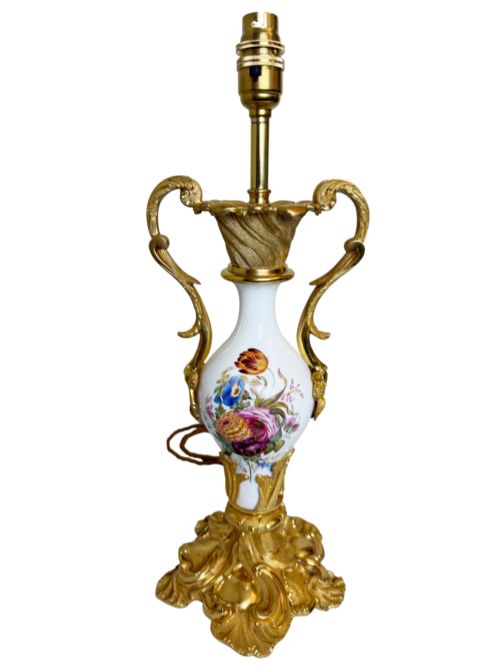
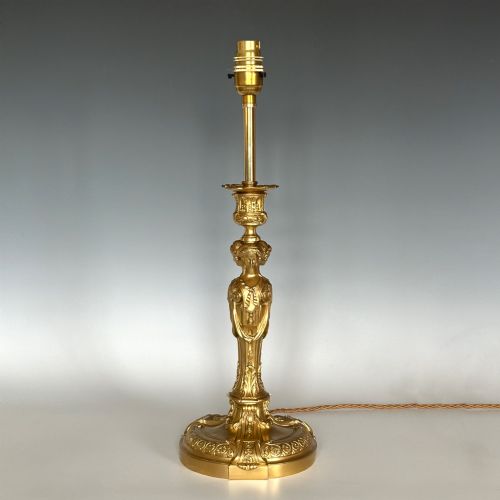
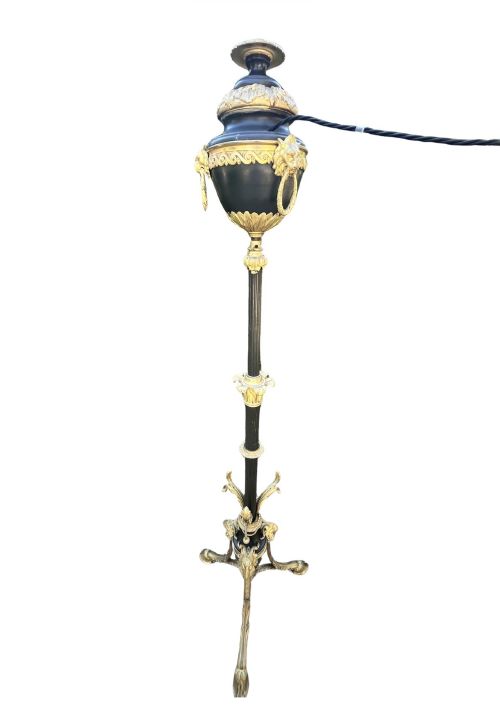
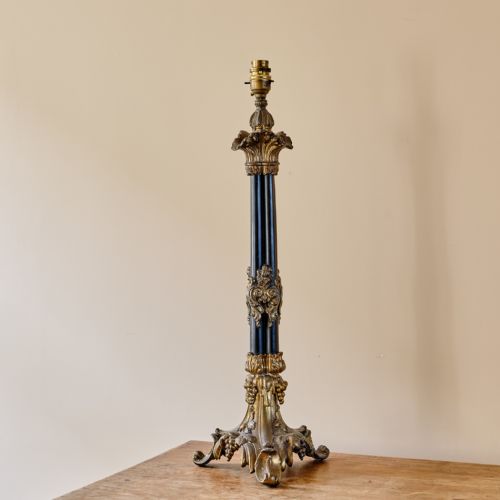
An antique bronze reading light encompasses table lamps, desk lamps, and floor-standing standard lamps originating primarily across the nineteenth and early twentieth centuries. Pieces span the Victorian and Edwardian eras, alongside continental movements including French Empire, Art Nouveau, and Art Deco. Table and desk formats dominate the selections, built to sit low and direct light.
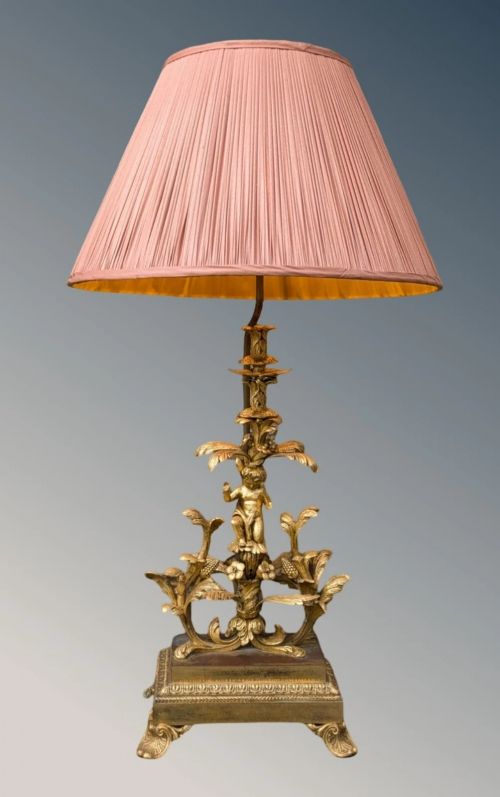
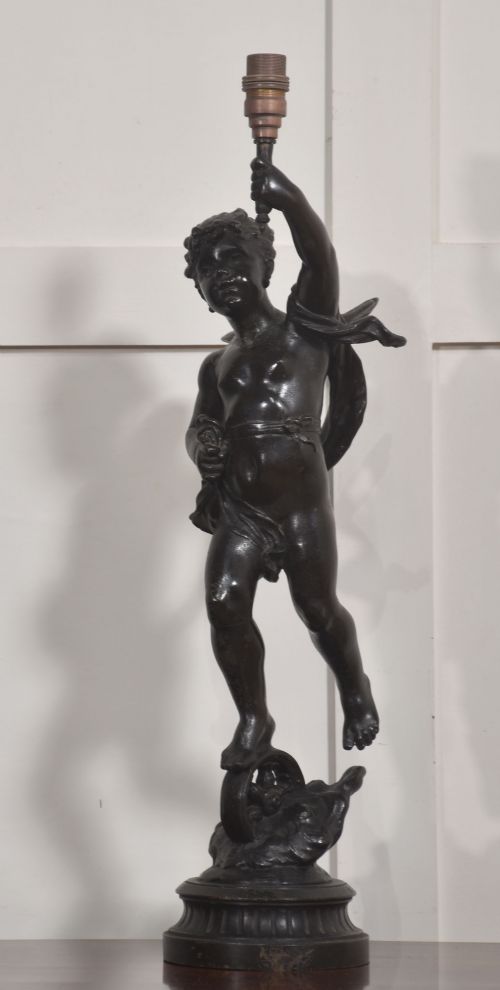
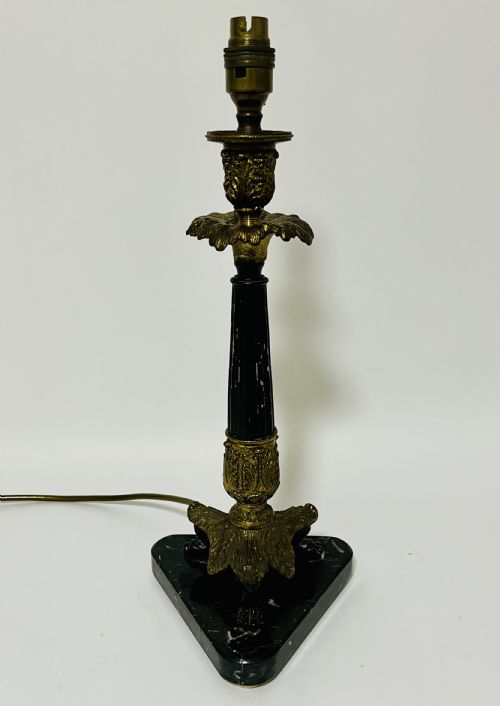
Makers and designers drew on classical and contemporary vocabularies, producing everything from patinated figural cherub bases to columnar designs in ormolu and marble. Japanese influences also emerge through Meiji period bronzes and cloisonné integration. Standard lamps provide height for broader placement in a room.
The materials diverge from plain bronze into gilt bronze, brass, spelter, and mixed metals paired with glass or fabric shades. French and English workshops set the predominant styles, though North American and Swedish examples appear among the listings. Every piece reflects the lighting technology and interior habits of its decade of manufacture.
Materials and Construction Techniques
Foundries cast these pieces in bronze, brass, and spelter, often finishing surfaces through patination or gilding with ormolu. Ormolu mounts provide bright metallic contrast against dark patinated bronze or carved marble bases. Many incorporate structural columns, figural cherubs, rams' heads, or Atlas figures supporting the central stem.
Shades and decorative elements introduce contrasting textures through opaline glass, shell shades, glass cabochons, and fabric. Adjustable mechanisms on standard and desk lamps rely on weighted bases and sliding collars of brass or bronze to alter height and angle. Craftsmanship balances functional articulation with ornamental casting quality.
Materials recorded across the inventory include bronze, brass, ormolu, marble, glass, fabric, and spelter.
The Indicators of Superior Craftsmanship
Quality rests upon the crispness of the bronze casting and the precision of the chasing work on surface details like acanthus leaves, figures, and architectural fluting. Finer examples display deep, hand-finished patination and heavy, stable mountings in ormolu or marble rather than lightweight substitute metals. The integration of complex elements, such as adjustable height mechanisms and original collars, elevates a piece.
The distinction between standard commercial production and superior workshop output shows in the weight of the metal and the subtlety of fire-gilding. Well-preserved original mounts and signed maker components denote higher execution standards. Simpler spelter items sit at the volume end, while heavy cast bronze and mercurial ormolu represent the upper tier.
The Charles Parker Company·Tiffany Studios NYC·Joseph Hinks
The Antique Bronze Reading Light Glossary
- Bronze
- An alloy consisting primarily of copper, traditionally combined with tin, used for heavy and durable cast lamp bases. It takes patination well and accepts fine detail in the mould.
- Ormolu
- Finely ground high-carat gold applied to a bronze base using a mercury amalgamation process, or cast brass with a bright gold-coloured finish. It creates a rich, metallic contrast against dark patinated bronze.
- Spelter
- A zinc alloy frequently utilised as a less expensive alternative to bronze during the nineteenth and twentieth centuries. It is softer and lighter than genuine bronze.
- Cloisonné
- An ancient technique for decorating metal object surfaces, where compartments are created by soldering flat or bent metal strips to the base. Enamel paste is placed in the compartments before firing.
- Patination
- The surface sheen or colour acquired by bronze and brass through age, handling, and deliberate chemical treatment. A dark patination signals oxidised metal over time.
Antique Bronze Reading Light: Frequently Asked Questions
How do I distinguish bronze from spelter?
Bronze is heavier, colder to the touch, and yields a dull ring when struck, whereas spelter is lighter and softer with a tendency to snap under stress rather than bend.
Inspect the underside of the base where unpainted metal reveals the grain and colour beneath any patination.
Were these lamps originally wired for electricity?
Most nineteenth-century examples were initially designed for oil, paraffin, or gas lighting before being converted to accept electric fittings during later decades.
Wiring paths and burners often show signs of adaptation from earlier fuel containers to modern electrical cords.
How do I clean an antique bronze reading light?
Dust the metal gently with a soft, dry cloth to prevent the accumulation of dirt within the chased crevices and decorative mounts.
Avoid chemical polishes or water, which can strip historic patination and damage vulnerable marble or gilt surfaces.
What periods do these desk lamps cover?
The available lighting spans from mid-nineteenth-century Victorian designs through Edwardian standards to Art Nouveau and 1930s Art Deco pieces.
Stylistic markers such as floral motifs, classical columns, or geometric lines indicate the specific era of manufacture.