
Antique Bronze Metalwork
These pieces of antique bronze metalwork span centuries of casting skill, bringing weight, character and decorative presence into a room.
Antique Bronze Metalwork
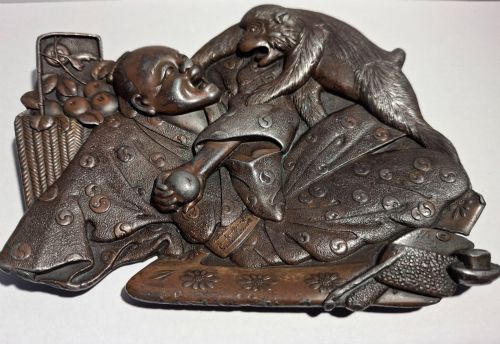
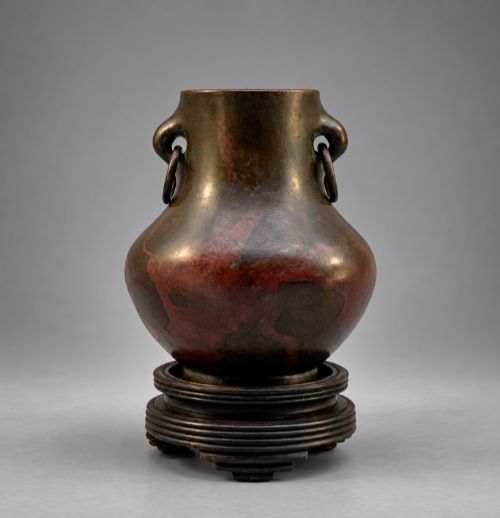
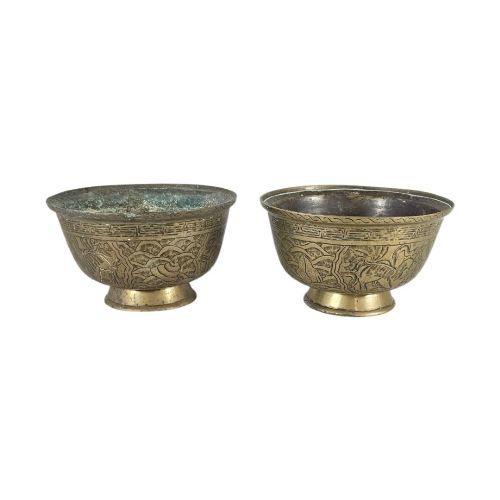
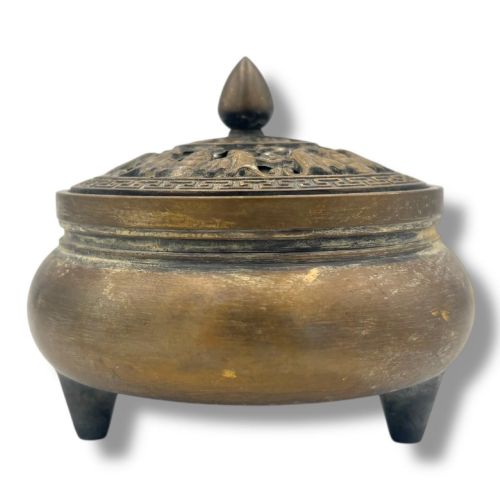
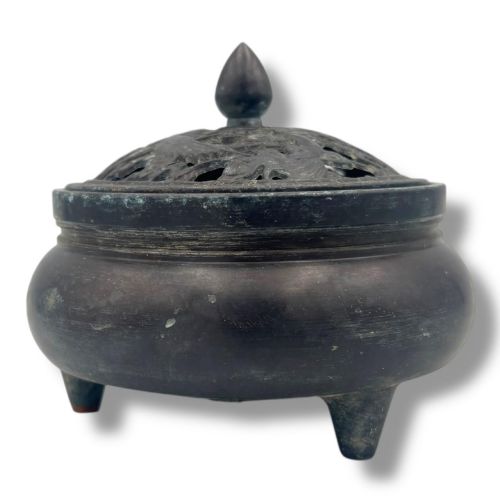
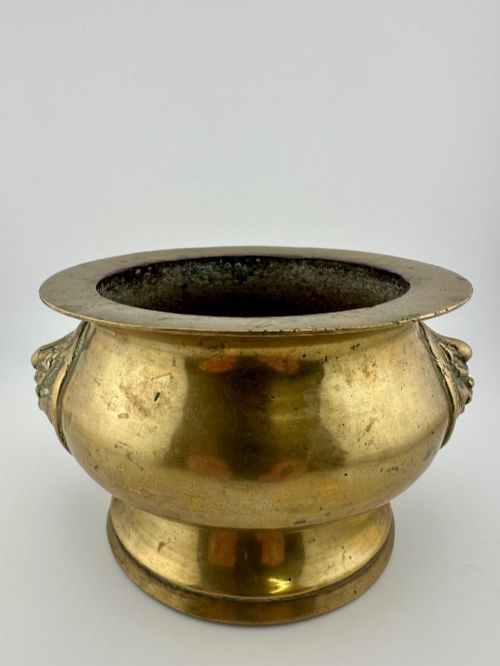
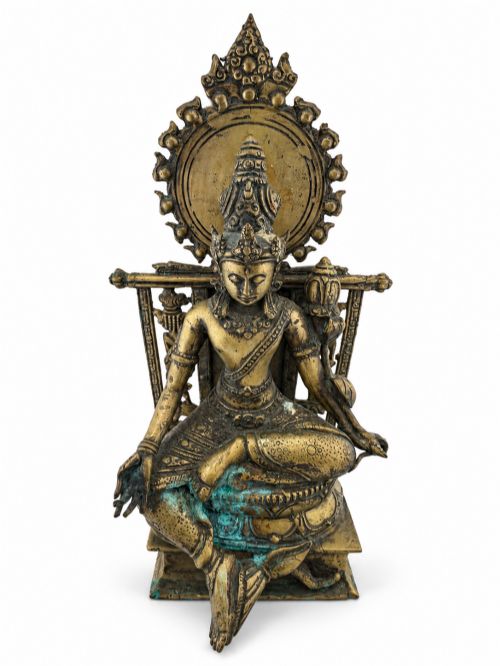
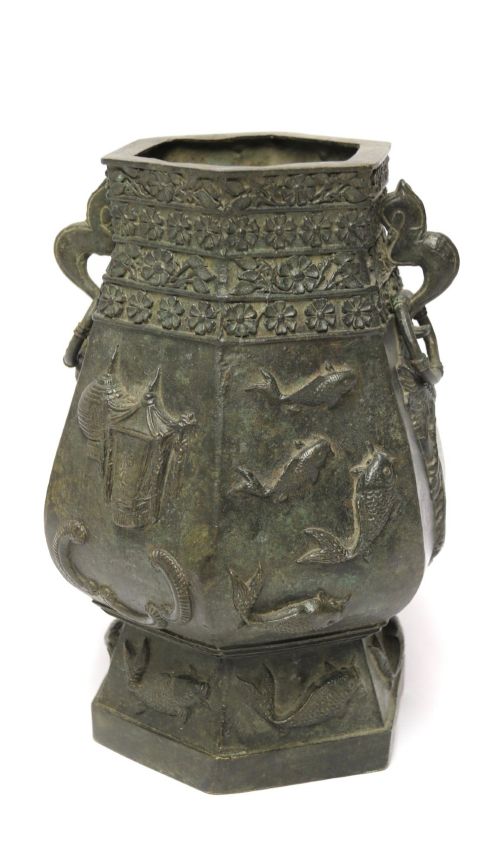
Vessels range from substantial tripod censers and scholar's desk pieces to tall decorative vases and oil lamps. Figurative works span animal okimono, religious deities, and mythical creatures rendered with precise surface detail.
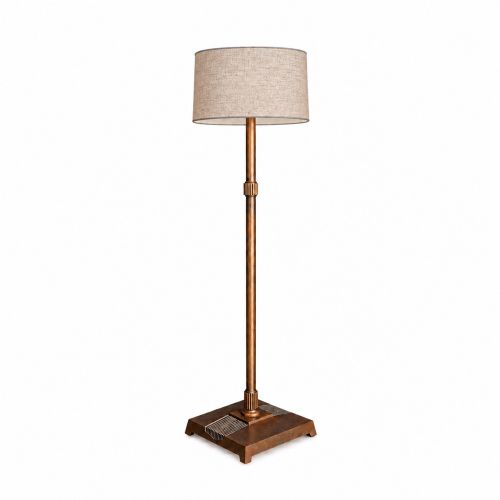
The material heritage extends from the seventeenth century through the Victorian era and into the early twentieth century. Pieces serve equally as standalone focal points for a mantelpiece or as functional items like table lamps and incense burners.
How they were made
Master metalsmiths utilised the lost-wax casting technique to achieve complex, three-dimensional forms such as dragons, elephants and scholarly figures. Molten bronze was poured into moulds, allowing for intricate surface textures that catch the light.
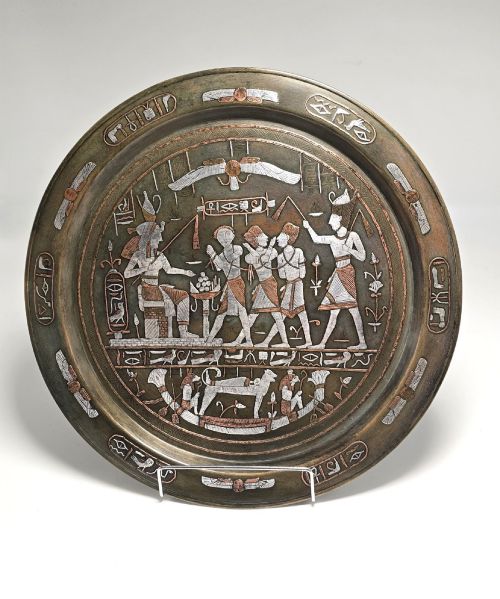
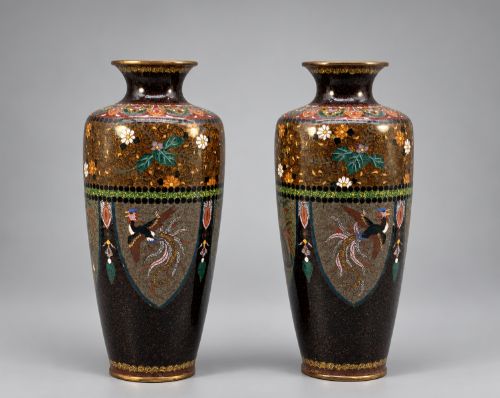
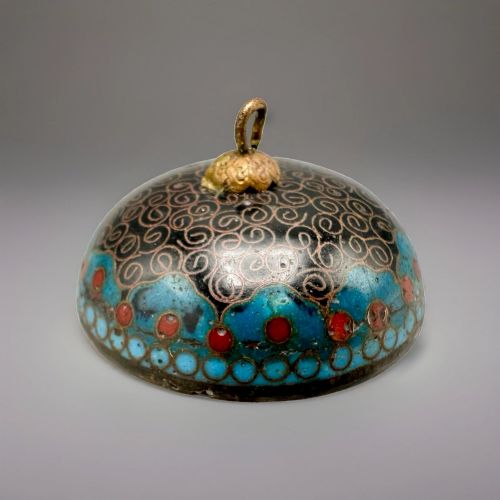
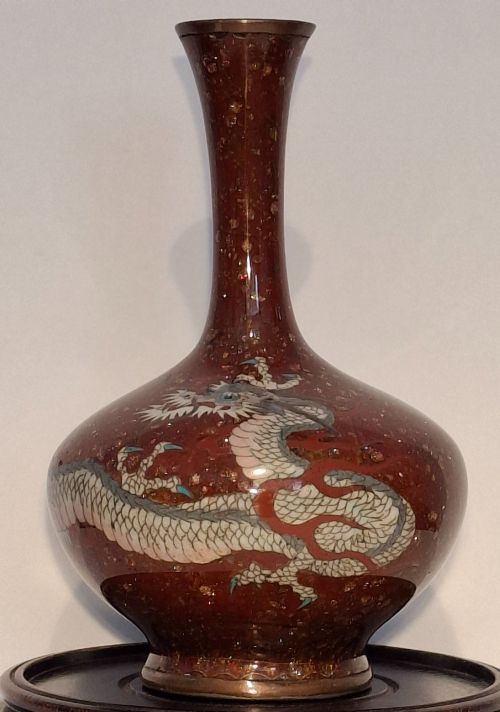
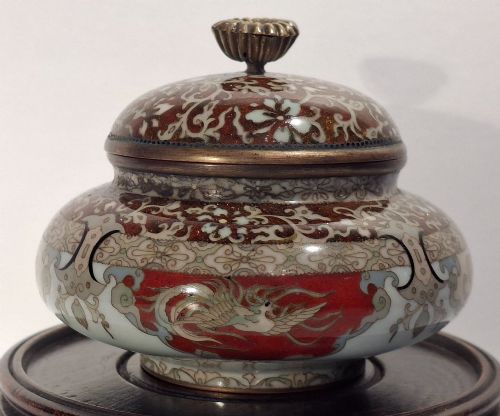
Surface finishes vary widely, incorporating natural patination, rich gilt bronze, and applied gold inlay or delicate cloisonné enamel work. Artisans often combined metals, adding mixed-metal elements like shakudo or fine engraved details to enhance depth and contrast.
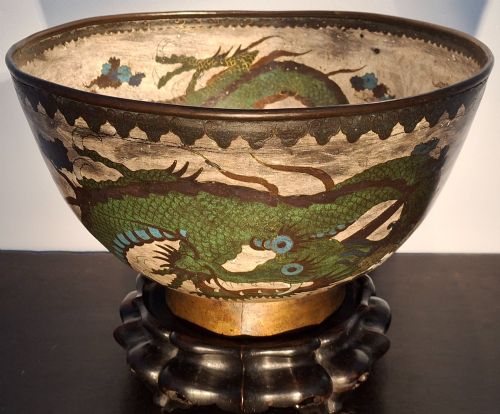
Materials span plain cast bronze alongside gilt bronze, patinated bronze, and intricate cloisonné enamel work executed in Beijing and Japanese artisan workshops.
What varies in quality
Quality rests primarily on the sharpness of the casting and the sensitivity of the hand-finishing work. Superior examples display crisp relief decoration, secure joints, and well-executed patination that has aged with stability.
The presence of signature marks, refined chasing, and the harmonious integration of mixed-metal inlays distinguish workshop pieces made for discerning patrons from standard commercial output.
KANASAWA·Raymond Subes·Jomi Eisuke
The Antique Bronze Metalwork Glossary
- Censer
- A vessel designed for burning incense, frequently featuring tripod legs and an openwork cover. These often take the form of traditional ding vessels or mythical beasts.
- Okimono
- A Japanese term for a decorative object placed on display, typically a carved or cast figurine depicting animals, figures or daily scenes from the Meiji period.
- Patinated Bronze
- Metalwork treated with chemical solutions or heat to create a stable, coloured surface oxidation. This finish protects the bronze while adding aesthetic depth.
- Cloisonné
- A technique where enamel paste is applied within compartments created by soldered wire on a metal base. Firing produces smooth coloured designs across vases and vessels.
- Archaistic
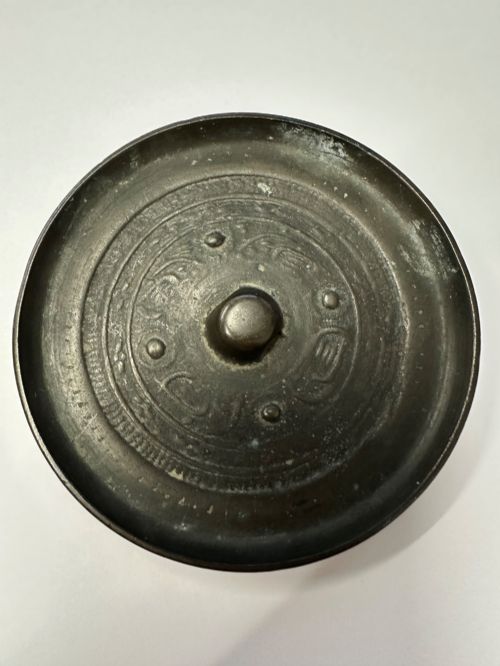
- A stylistic choice where later makers intentionally replicate the forms, motifs and solemn dignity of ancient ritual bronzes. These pieces often feature taotie masks or archaic script.
- Shakudo
- A Japanese billon alloy of copper and a small amount of gold treated to produce a deep blue-black patina. It provides striking contrast in mixed-metal sculptures.
Antique Bronze Metalwork: Frequently Asked Questions
What is an antique bronze censer used for?
Historically, censers served to burn aromatic resins and incense during rituals, scholarly contemplation, or formal gatherings. Today, they function primarily as sculptural decorative objects on desks and mantelpieces.
The perforated covers allowed fragrant smoke to drift through the room while containing the hot embers safely within the heavy bronze body.
How do I identify a Meiji period Japanese bronze?
Meiji bronzes typically date between eighteen sixty-eight and nineteen twelve, displaying exceptional naturalistic detail in subjects like birds, monkeys and elephants. Artisans during this era perfected patination and mixed-metal inlay techniques.
Many pieces bear artist signatures or signatures of leading workshops that emerged as Japanese craft output opened to international collectors.
What makes archaistic bronze metalwork different?
Archaistic pieces consciously emulate the ancient ritual vessels of the Shang and Zhou dynasties rather than contemporary aesthetics. Makers reproduced these archaic forms with solemn geometric patterns, taotie masks, and heavy tripod bases.
Scholar's pieces from the Ming and Qing dynasties frequently adopted this style to project an air of ancient pedigree and scholarly taste.
How should I clean antique bronze?
Antique bronze requires minimal intervention to preserve its historical surface and stable oxidation layer. Dusting with a soft, dry cloth is usually sufficient for routine maintenance.
Avoid abrasive polishes or harsh chemical cleaners, as these strip away the patination that centuries of handling and natural ageing have created.