

Antique Bronze Mantel Timepiece
An antique bronze mantel timepiece brings architectural precision and classical foundry work directly to the shelf.

Antique Bronze Mantel Timepiece
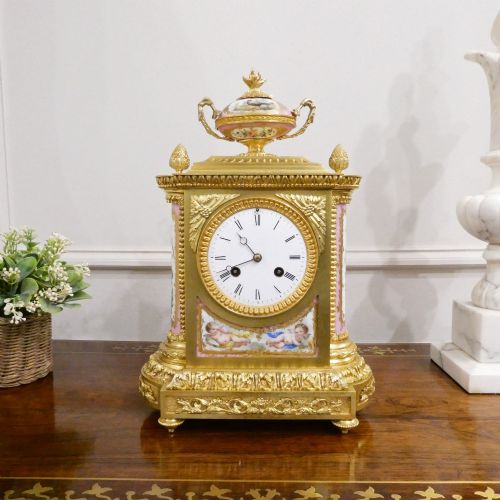
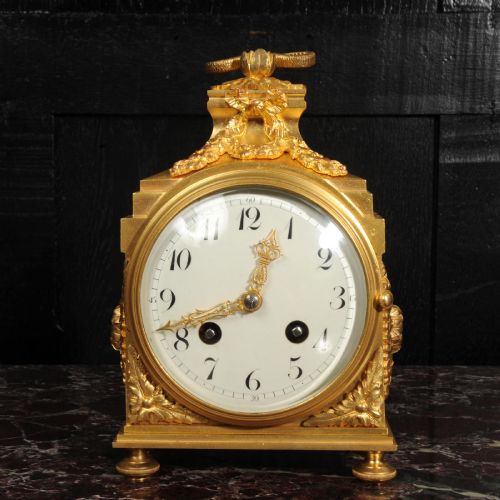
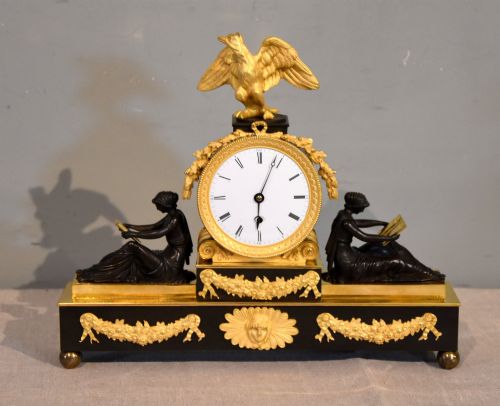
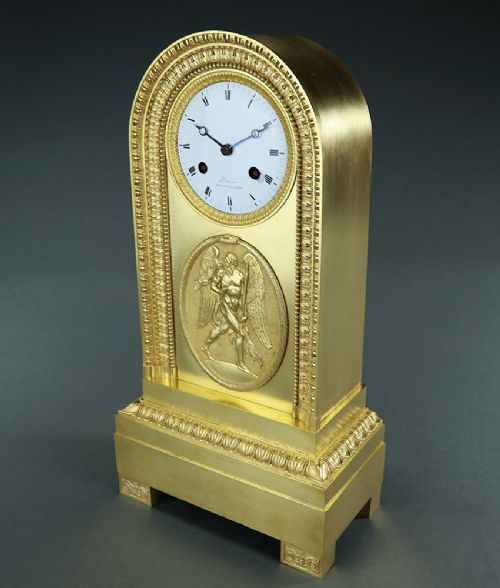
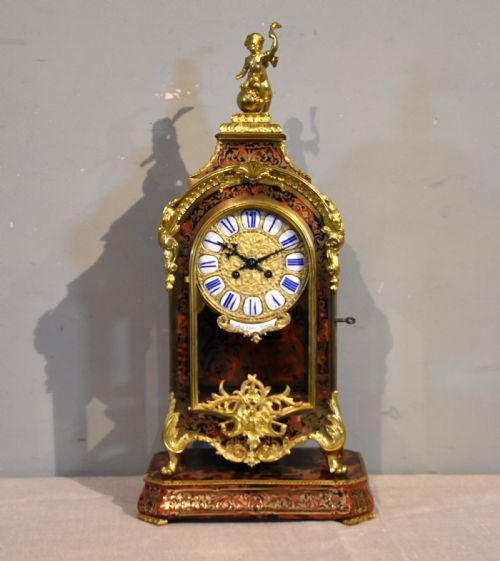
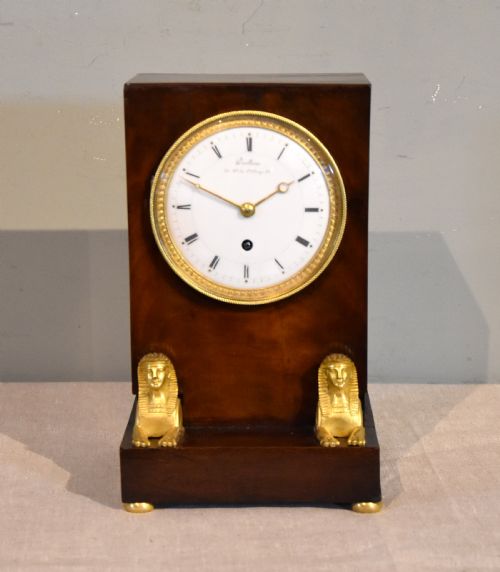
An antique bronze mantel timepiece is a freestanding domestic clock designed for a fireplace shelf, table, or sideboard, combining heavy cast metal sculpture with a functional mechanical movement. When searching this phrase, buyers encounter objects predominantly originating from nineteenth-century France and England, spanning styles from Regency restraint to exuberant Rococo and Empire revivals.
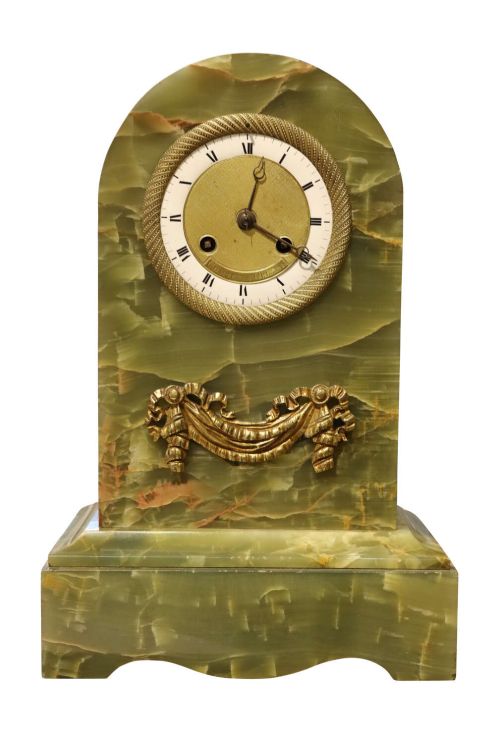
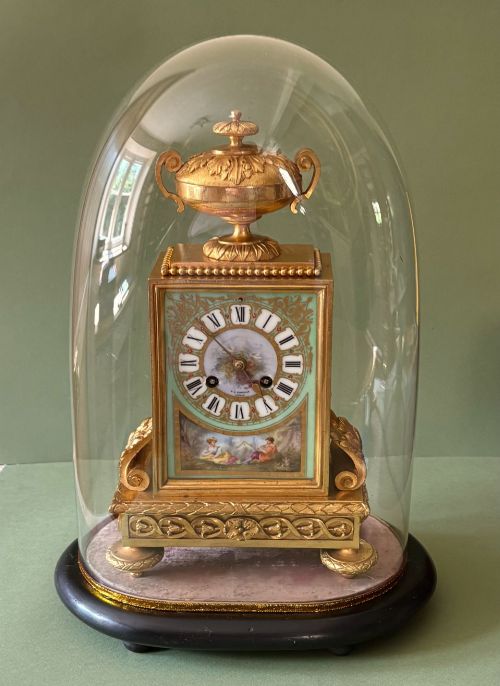
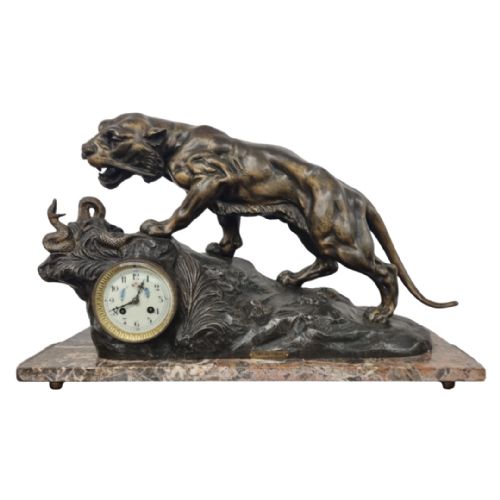
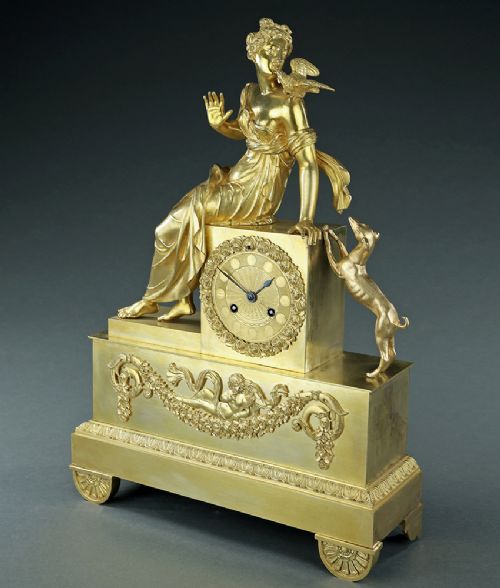
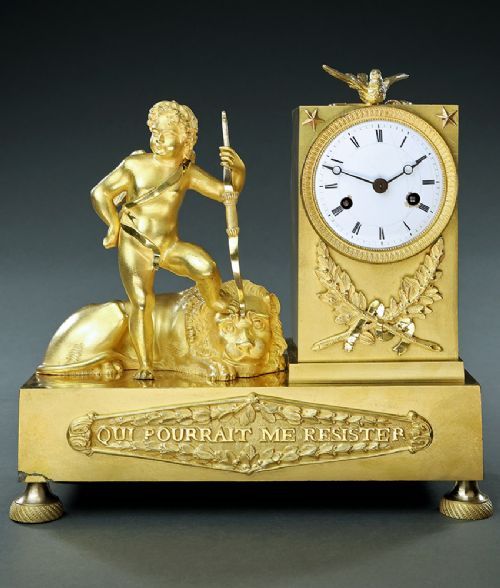
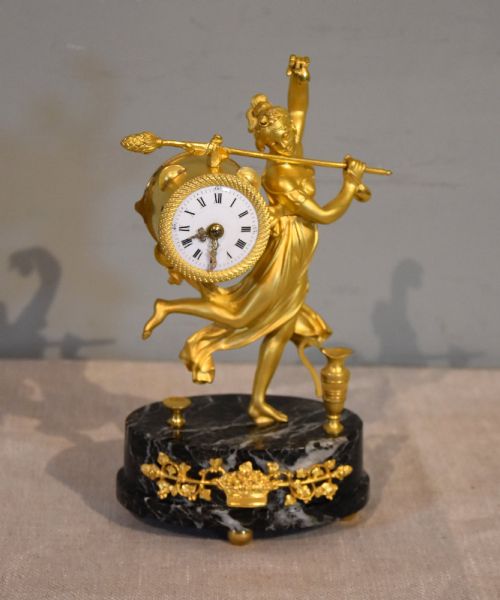
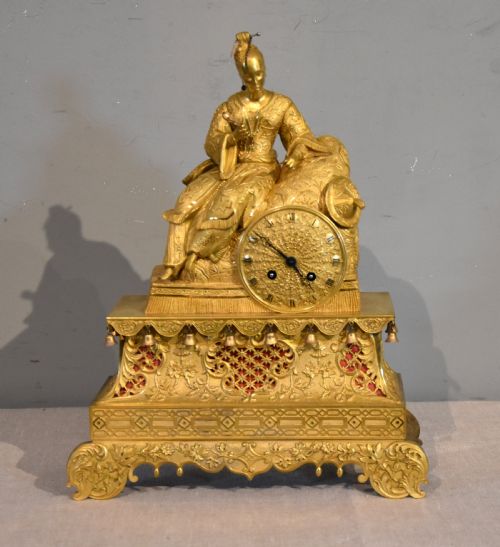
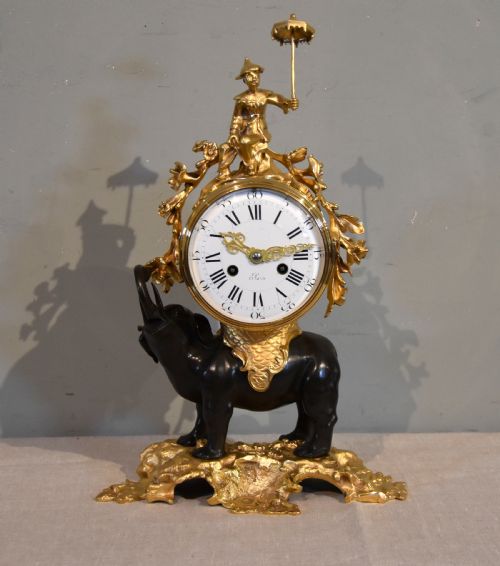
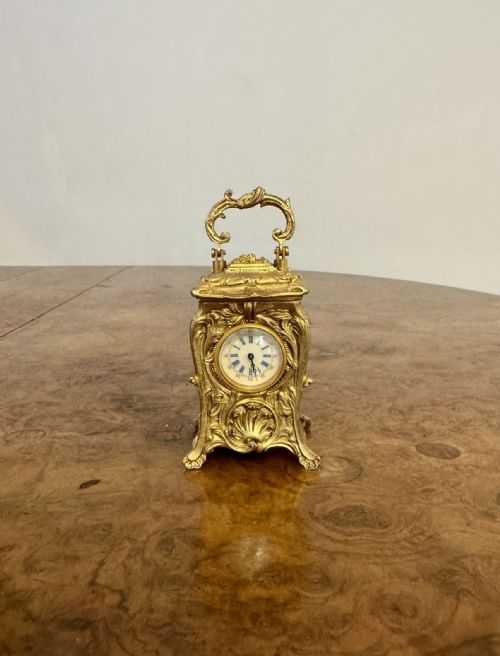
The domestic forms recorded on this page range from architectural portico clocks and figural groups depicting allegorical scenes or animals to classical lyre shapes and simple brass-mounted cases. Most examples rely on patinated bronze combined with bright ormolu mounts, often paired with contrasting marble, onyx, or porcelain elements to anchor the heavy metalwork.
French workshops dominate the selection, producing elaborate decorative pieces alongside English makers who contributed restrained Regency brass and gilt designs. Buyers will find that while some items function as straightforward timepieces, others incorporate garnitures or calendar mechanisms within their traditional nineteenth-century formats.
Casting and gilding methods
Foundries created these objects using traditional sand casting or lost-wax techniques, shaping bronze, brass, and copper alloys into intricate architectural components and figural sculptures. Artisans then finished the raw metal surfaces through meticulous chasing, filing, and smoothing to define the sharp details of leaves, drapery, and animal forms.
Ornate finishes relied heavily on mercury gilding, known as ormolu, which bonded a layer of gold amalgam to the bronze base through intense heat, producing a deep, lasting lustre. Alternative treatments included chemical patination to turn the bronze dark brown or green, contrasted against polished gilt highlights or inset panels of marble, glass, and enamel.
Among the menagerie of cast animals keeping watch from these clock faces are stealthy serpents, stalking tigers, charging stallions, and patient elephants.
Evaluating craftsmanship and detail
The distinction between standard production and exceptional work rests on the crispness of the bronze chasing and the depth of the gilding. Superior examples display sharp, hand-finished relief work where individual feathers, hair strands, and acanthus leaves remain distinct, whereas lesser pieces show softened edges from worn casting moulds.
The integration of materials also dictates overall caliber, separating basic brass assemblies from heavy constructions built with thick patinated bronze, fine marble bases, and hand-painted porcelain or enamel dials signed by the maker.
Jean-Baptiste Delettrez·Charles à Orléans·R Varnier·Baetens London·Le Roy Paris·Viner London·Philippes Paris·Louis Goret·Leon Message·Jollet et Cie·Samuel Marti
The Antique Bronze Mantel Timepiece Glossary
- Ormolu
- Gilt bronze created by applying a mercury and gold mixture to a bronze base and heating it until the mercury vaporised. This historic technique produced a rich, durable golden surface seen on nineteenth-century clock mounts.
- Patinated bronze
- Metal treated with chemical solutions to alter its surface colour to shades of dark brown, black, or green. It provided a tonal contrast against bright ormolu details in figural clock cases.
- Portico clock
- A distinct architectural clock style featuring a dial suspended within a frame supported by four columns. These symmetrical pieces often utilised mahogany, marble, or gilded bronze.
- Garniture
- A set consisting of a central clock flanked by matching decorative objects such as vases or candelabra. Such matched groupings were designed to sit harmoniously together on a mantelpiece.
- Champlevé
- An enamelling technique where troughs are dug into a metal surface, filled with coloured glass powder, and fired. It decorated the bezels and bezels of later nineteenth-century timepieces.
Antique Bronze Mantel Timepiece: Frequently Asked Questions
How do I wind a mantel timepiece?
Most mechanical clocks of this period require a key inserted into the dial holes to tension the mainspring barrels. Care must be taken not to overwind the mechanism.
Moving the hands should be done slowly and strictly in a clockwise direction to avoid damaging the internal escapement gear train.
Where should I place these clocks?
These heavy metal objects need a stable, level surface such as a heavy sideboard, chest, or fireplace mantel. Placing them securely prevents vibrations from disrupting the pendulum beat.
Direct sunlight and damp environments should be avoided to protect the delicate enamel dials, mercury gilding, and sensitive internal steel components.
How do I spot a Regency clock?
Regency pieces typically feature clean architectural lines, dark woods, and restrained brass or gilt mounts reflecting early nineteenth-century neoclassical tastes. They often prioritize geometric balance over the elaborate, swirling ornamentation seen in later revival styles.
English makers from this era frequently signed their brass backplates, providing clear attribution compared to unsigned continental equivalents.
What is a French empire design?
French Empire pieces draw heavily on ancient Roman and Greek motifs, incorporating military trophies, classical figures, laurel wreaths, and deep patinated bronze. The overall aesthetic projects martial strength and formal classical symmetry.
These clocks frequently celebrate historical themes or allegorical concepts like love, fidelity, and triumph using heavy cast ormolu mounts.