

Antique Bronze Handles
Antique bronze handles bring tactile weight and historical craftsmanship to doors, drawers and display pieces alike.
Antique Bronze Handles
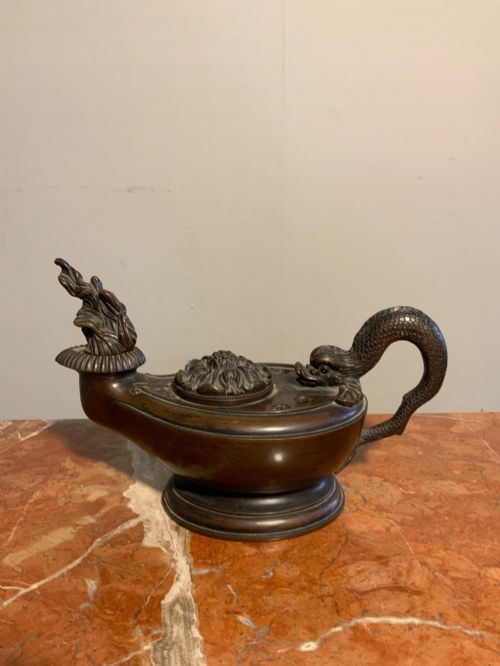
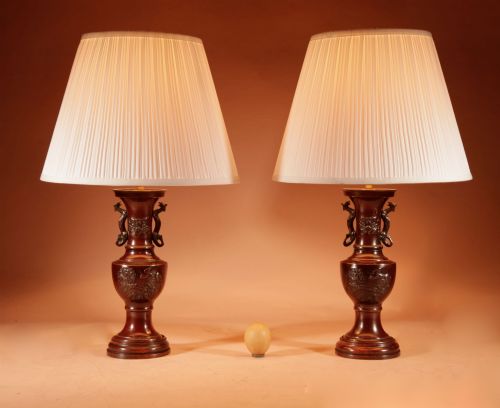
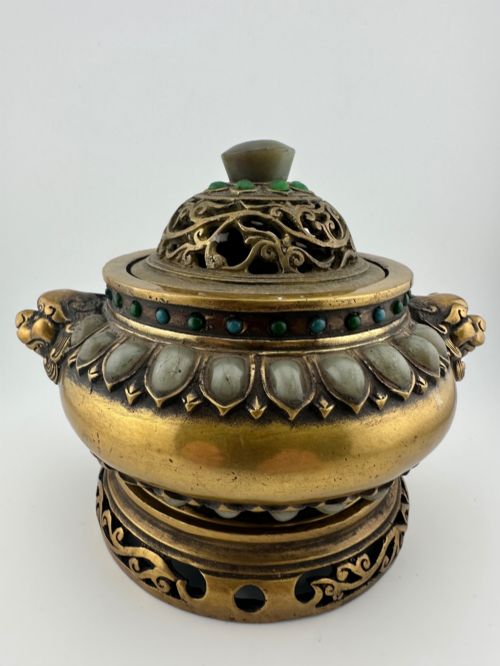
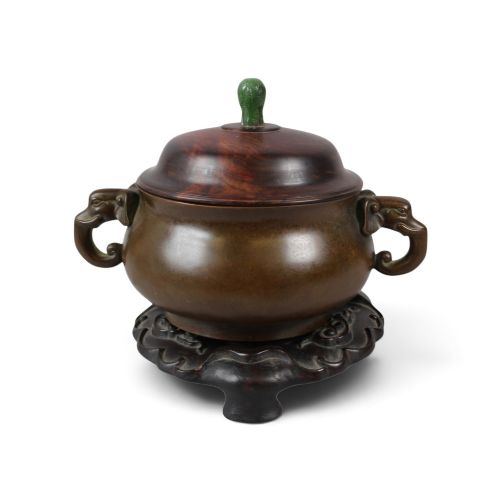
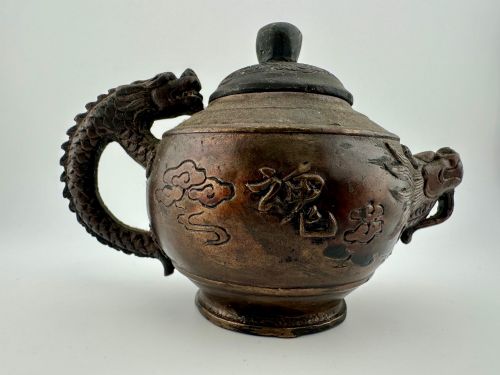
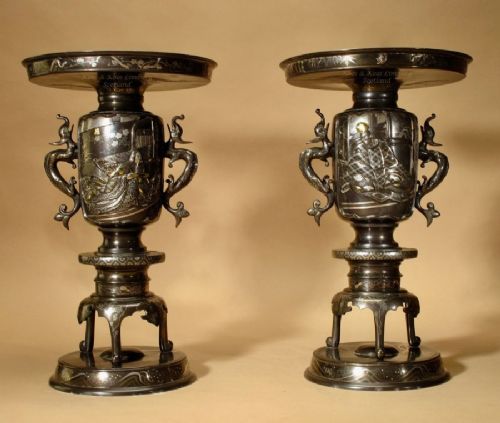
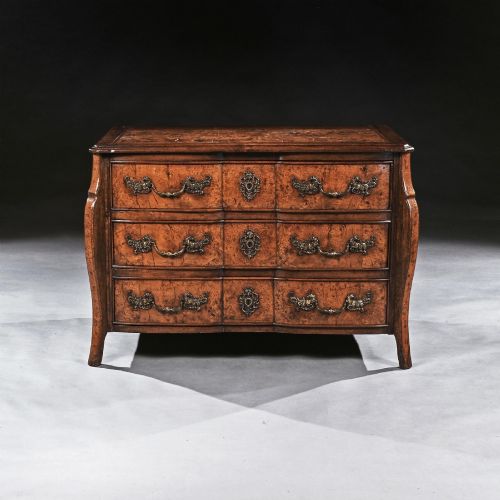
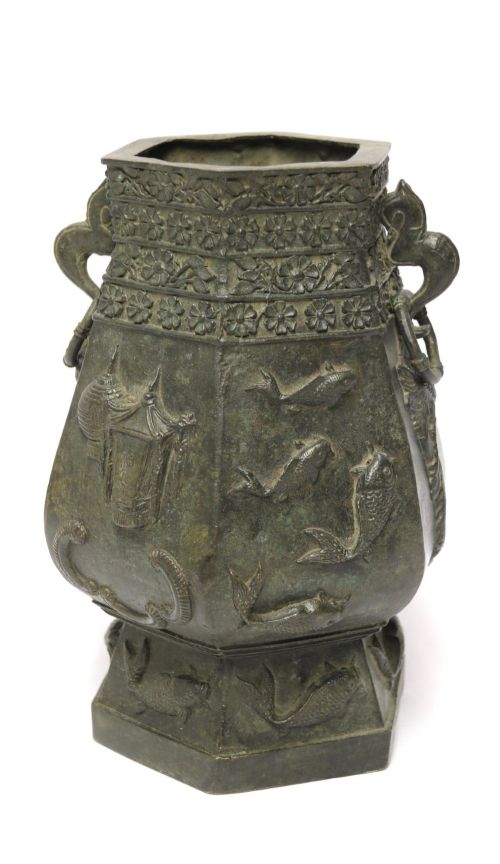
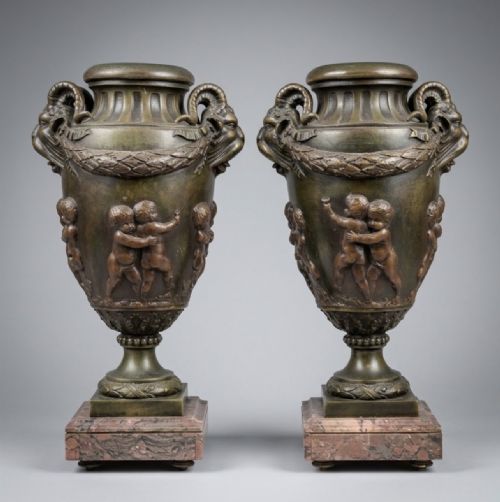
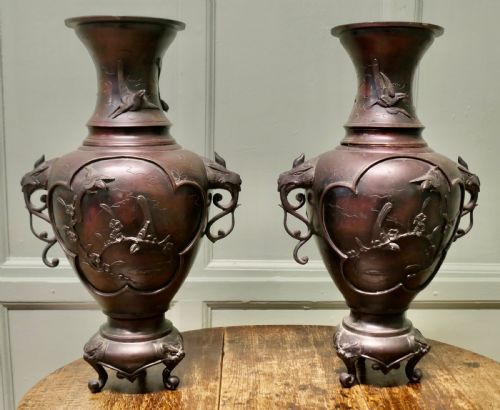
When searching for antique bronze handles, buyers encounter hardware and decorative elements spanning multiple centuries and origins. The selection ranges from Japanese door pulls to Chinese censer fittings and European furniture mounts.
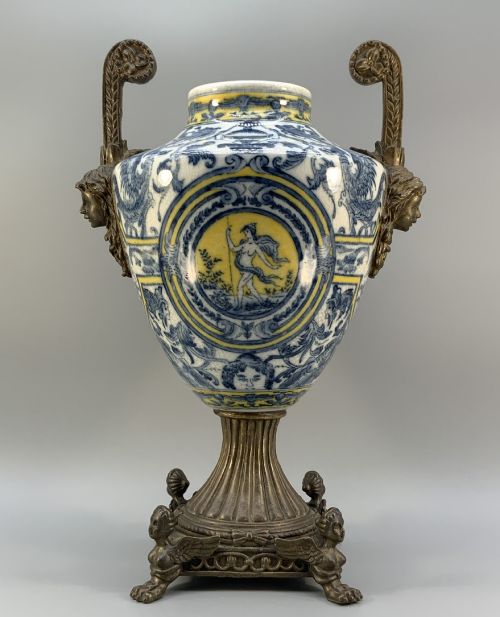
Pieces from the Ming and Qing dynasties sit alongside Victorian and Empire style items, showing how different cultures shaped metal for utility and display. Door pulls and fitted vessel handles appear most frequently in this selection.
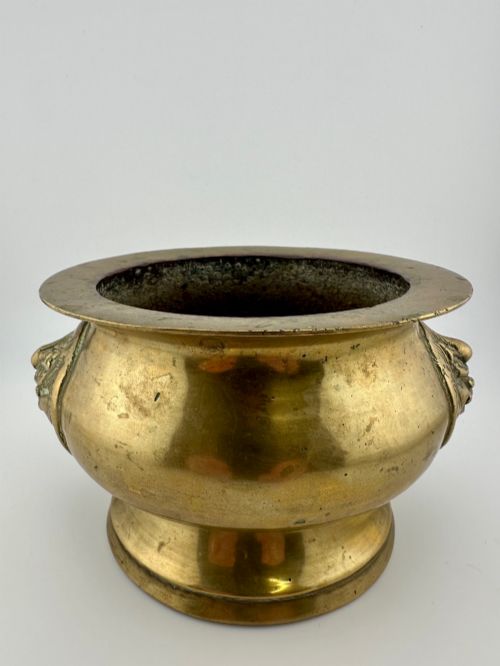
Items often serve dual purposes, functioning as structural grips on doors or remaining attached to censers, vases and trays as ornamental accents.
How they were made
Craftsmen utilised casting techniques to shape molten metal into complex forms, often employing lost-wax methods for intricate surface details. Bronze combined with brass or ormolu provided robust foundations for sculptural work.
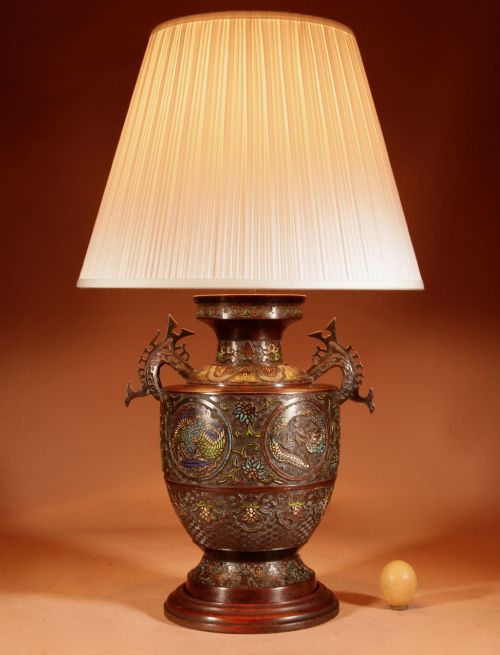
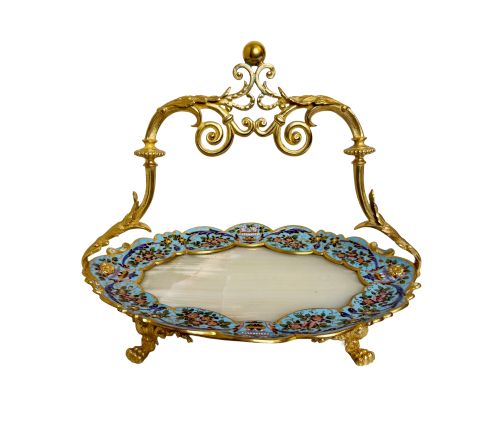
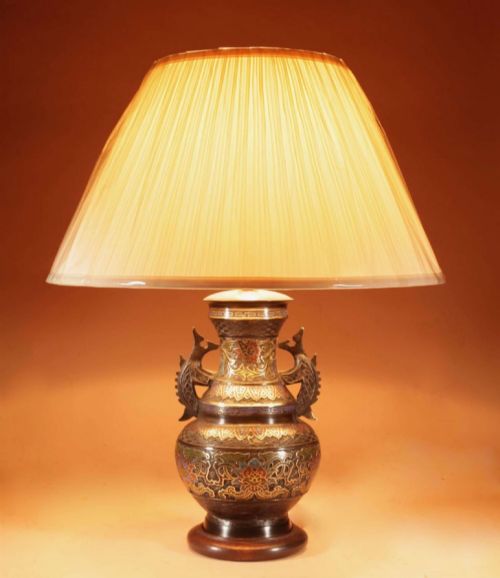
Surface decoration frequently involved champleve enamel work, gold leaf application or hardstone inlay to enrich the metal. Artisans finished pieces by hand, chasing the cast surface to sharpen the contours of masks, dragons and foliage.
Antique Bronze Handles Retail Price Guide 2026
Typical asking prices for bronze handles among the pieces listed under this phrase on Sellingantiques today, from the lower quarter to the upper quarter. They describe what is for sale here now, not the wider market.
Listings span from the sixteenth-century Ming Dynasty through to the early twentieth century, incorporating Japanese Meiji period metalwork and European nineteenth-century designs.
What varies in quality
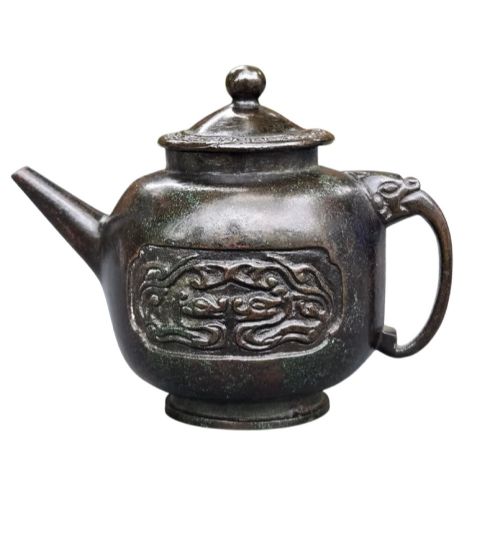
Quality rests in the crispness of the casting and the depth of the hand-chasing applied after the metal cooled. Finer examples display sharp relief on motifs like taotie masks and butterfly wings, whereas lesser pieces lose detail in softer edges.
The integration of secondary materials such as jade, nephrite or enamel distinguishes superior objects. Secure mountings and substantial metal weight indicate greater skill in construction.
The Antique Bronze Handles Glossary
- Hikite
- A traditional Japanese flush door pull used on sliding doors and screens. These fittings often feature intricate enamel work or engraved metal.
- Champlevé
- An enamelling technique where troughs are dug into the metal surface and filled with vitreous paste before firing. This method creates colourful patterns across bronze vessels and trays.
- Ormolu
- Finely ground high-carat gold applied to a bronze base using mercury. This finish gives objects a rich, golden lustre.
- Taotie
- A motif representing a stylized mythical monster face, frequently seen on archaic Chinese bronzes. It appears prominently on vessels and handles.
- Archaistic
- A style that consciously imitates the forms and decoration of ancient periods. Makers employed this aesthetic to evoke historical reverence.
Antique Bronze Handles: Frequently Asked Questions
How do I clean antique bronze handles?
Dust gently with a soft, dry cloth to preserve the existing patina and any historic surface treatments.
Avoid chemical polishes or abrasive cleaners that strip away centuries of oxidation and wear.
Can I use these handles on modern doors?
Many antique pulls suit modern installation if dimensions and fixing points align with your joinery.
Check the backplate and screw holes carefully before attempting to fit historical hardware.
What is the difference between bronze and brass?
Bronze is an alloy primarily of copper and tin, offering a deeper, warmer tone and greater durability.
Brass contains copper and zinc, typically resulting in a brighter yellow hue when polished.
How do I date an antique bronze handle?
Examine the casting method, tool marks and stylistic motifs to align the piece with known periods.
Comparing the wear patterns with documented examples from the same era helps confirm the age.