


Antique Bronze Crest
An antique bronze crest brings sculptural weight and heraldic presence to an interior, whether cast for a naval vessel, a noble clan or a state office.
Antique Bronze Crest
When searching for an antique bronze crest, you encounter a distinct variety of heavy metalwork items ranging from military plaques and ships badges to heraldic family armorials. These pieces span from the eighteenth century through to the mid-twentieth century, capturing civic, naval and familial identities in solid bronze, ormolu and brass.
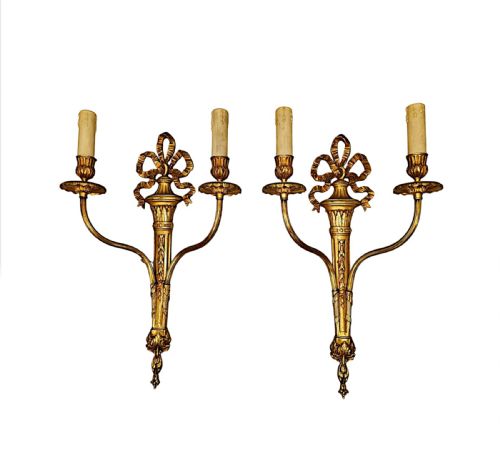
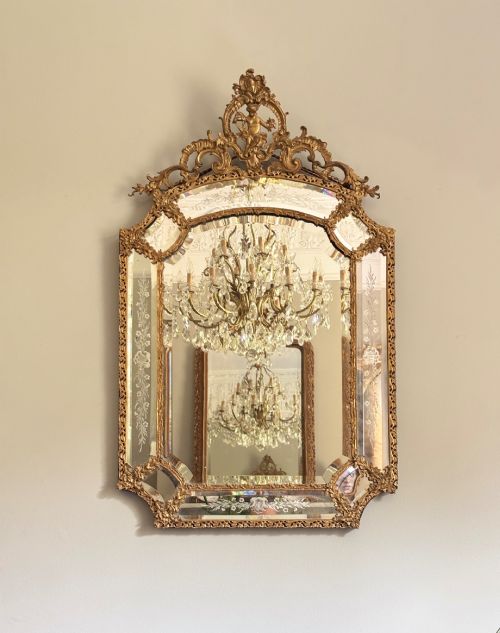
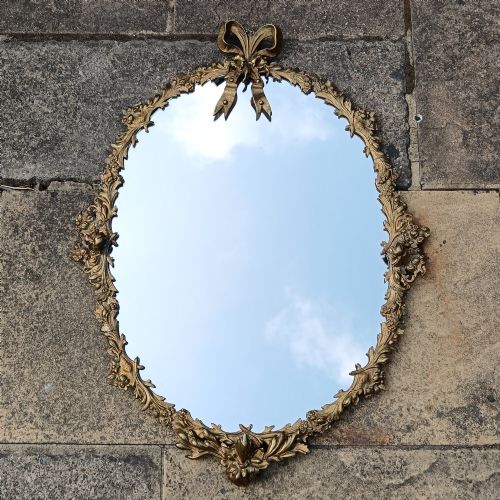
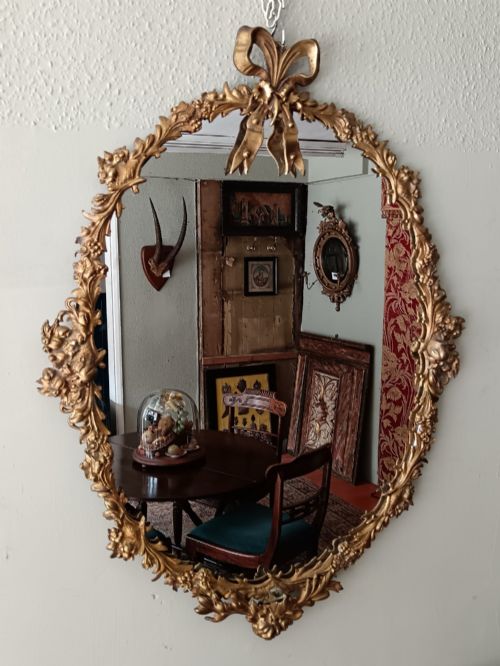
The version you are most likely to meet on this page is a nineteenth-century French or British wall plaque, mirror frame or sconce incorporating cast armorial details. Alongside these, naval and military crests from the twentieth century appear, including ship badges and ministry plaques mounted for display.
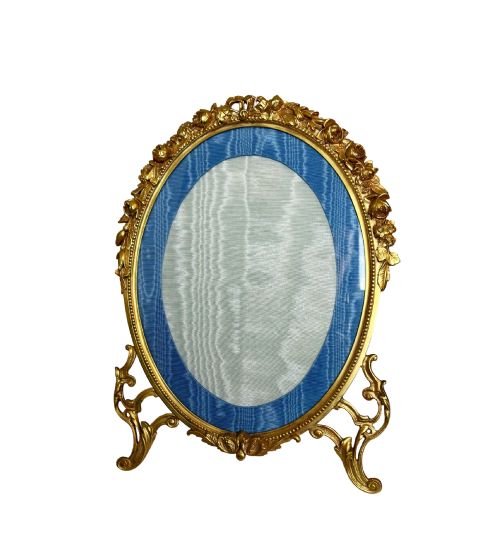
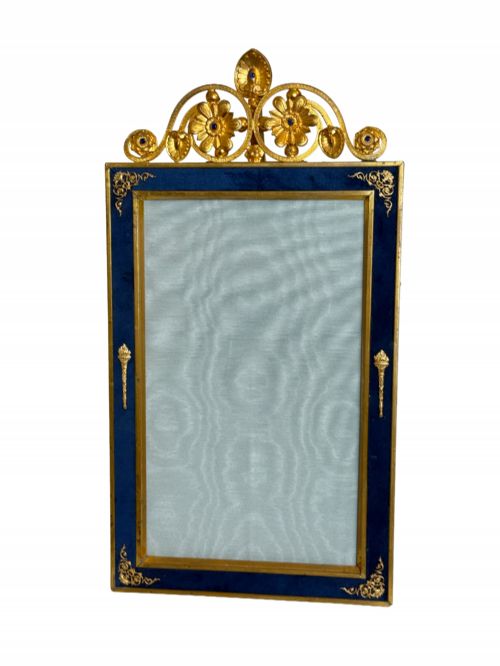
The selection also encompasses decorative objects where a crest forms part of the design, such as Japanese Satsuma incense burners bearing the Shimazu crest or French frames decorated with Napoleonic bees. Each item serves primarily as a wall-mounted focal point, carrying the heft and authority of its original commission.
How they were made
These pieces rely on traditional metal casting techniques, utilising bronze, brass and ormolu to achieve sharp relief and lasting durability. Founders poured molten metal into moulds, subsequently hand-chasing the cooled surfaces to define feathers, fur, crowns and intricate heraldic shields.
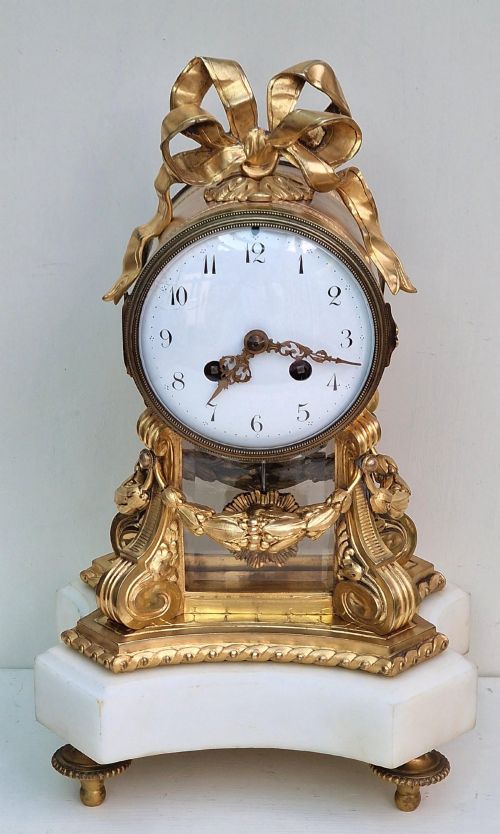
Many items incorporate secondary materials such as white marble plinths, glass panels, enamel trims or wooden mounts to support the heavy metalwork. Gilding was frequently applied to bronze and ormolu surfaces, creating the rich gold-coloured sheen seen on French picture frames and wall lights from the nineteenth century.
The object forms vary widely, encompassing wall plaques, picture frames, mantel clocks, door stops, barometers, wall lights and sculptural studies.
What varies in quality
The quality of the finishing materials also dictates the standard of the piece, from the depth of the fire-gilding on ormolu mounts to the integrity of the supporting marble or wood. Original patination and well-preserved surface gilding indicate an object that has retained its intended decorative impact over the centuries.
The Antique Bronze Crest Glossary
- Ormolu
- Gilded bronze produced by applying a mercury and gold amalgam to a bronze base and heating it to drive off the mercury. This technique creates a durable, golden surface finish typical of fine French decorative objects.
- Heraldic
- Pertaining to heraldry and coats of arms, describing the specific arrangement of charges, shields and crests belonging to a family, institution or nation.
- Cartel clock
- A wall clock housed in an ornate, asymmetrical frame made of materials like ormolu or carved wood, popular in eighteenth and nineteenth-century French interiors.
- Wall sconce
- A decorative light fixture fixed to a wall, designed to hold candles or electric bulbs within a bracketed bronze or brass arm.
- Plaque
- A flat ornamental tablet, often made of bronze or porcelain, intended to be mounted on a wall or plinth to commemorate a person, vessel or organisation.
Antique Bronze Crest: Frequently Asked Questions
How were bronze crests originally used?
These crests served multiple functions depending on their context, ranging from official identification on British naval ships and government ministries to familial display in private homes. Many were cast as architectural elements, wall plaques or badges of office.
Others formed decorative components on picture frames, clocks and furniture, signalling allegiance, status or lineage through distinct heraldic imagery.
How do I date a bronze crest?
Dating relies on stylistic clues, casting methods and contextual evidence such as inscribed names, regiments or ministry titles. Pieces from the nineteenth century frequently show Louis XVI revival or French Empire influences, while twentieth-century examples often relate to specific naval vessels or twentieth-century government bodies.
Examining the back of the plaque, the type of fixings used and the wear on the metal also helps determine the period of manufacture.
Are these crests solid bronze?
The material composition varies across the selection, with listings including solid bronze, gilt bronze, ormolu, brass and plated metals. Some items are cast as heavy solid pieces, while others combine bronze mounts with marble, wood or glass elements.
Checking the specific listing details reveals whether the piece is solid bronze or an associated alloy like ormolu or brass.
How do I hang a heavy bronze plaque?
Due to the substantial weight of solid bronze and marble-mounted pieces, secure wall fixings are essential for safe display. You should use appropriate wall anchors or screws rated for heavy loads, attaching directly into wall studs or solid masonry wherever possible.
Ensuring the hanging loops or brackets on the back of the crest are structurally sound provides secure support for the heavy metalwork.