


Antique British Pastoral Scene
An antique british pastoral scene captures the calm of rural life through rivers, fields and livestock rendered in paint, watercolour or paper.
Antique British Pastoral Scene
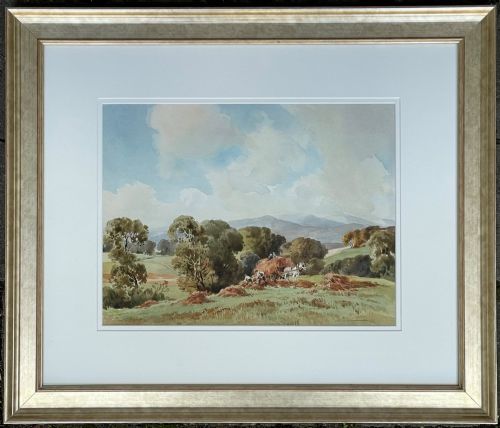
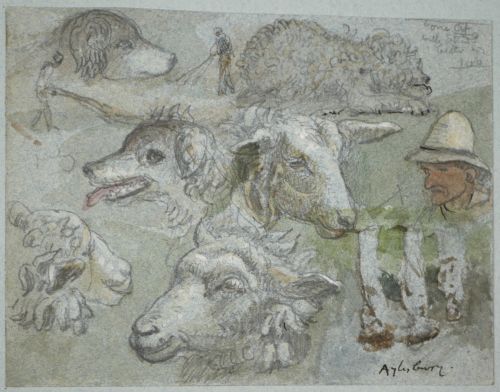
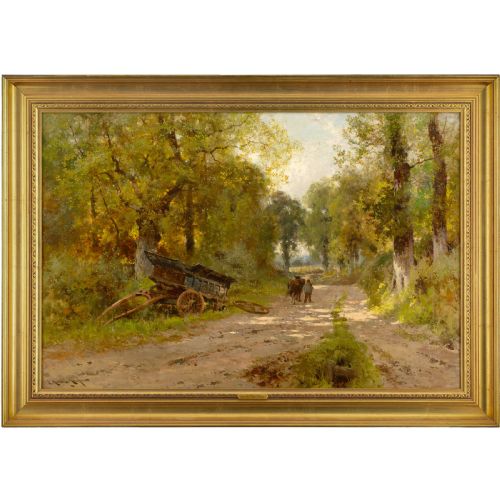
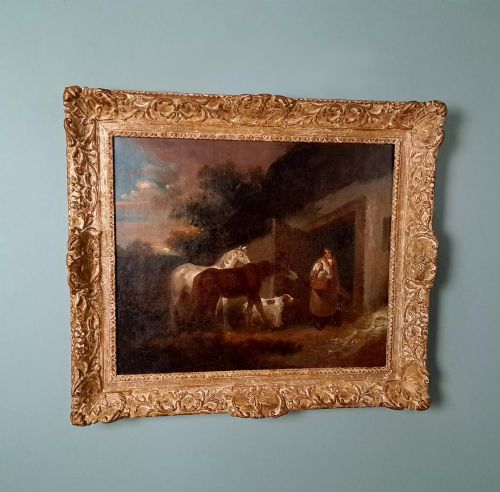
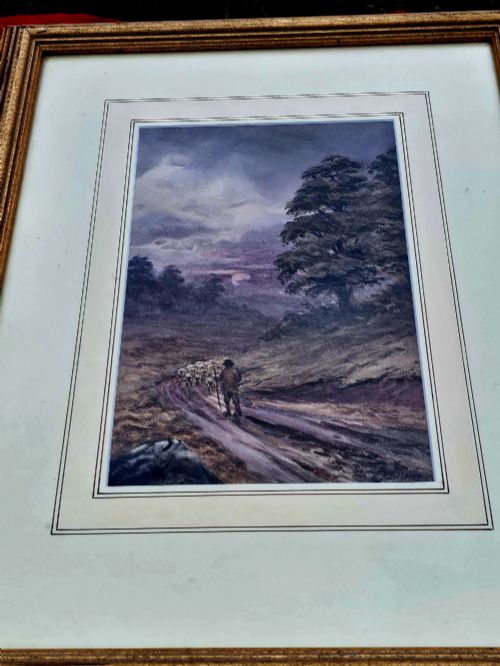
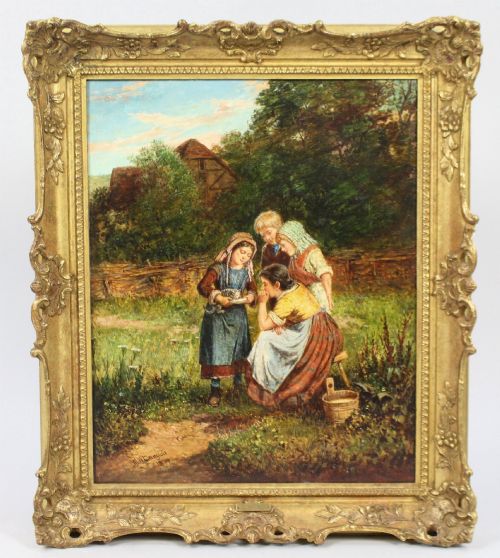
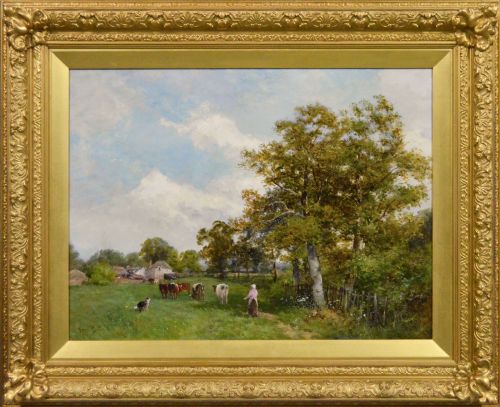
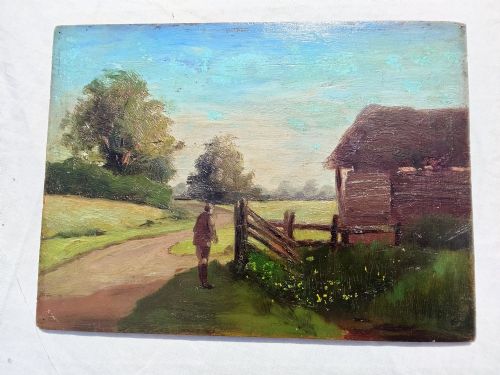
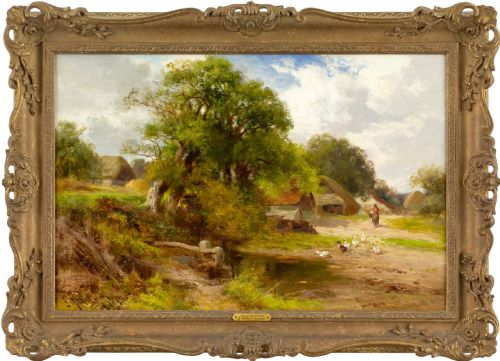
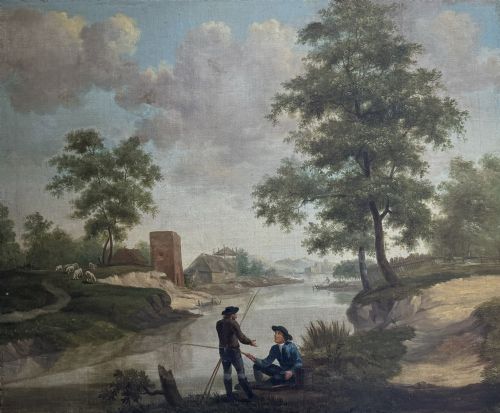
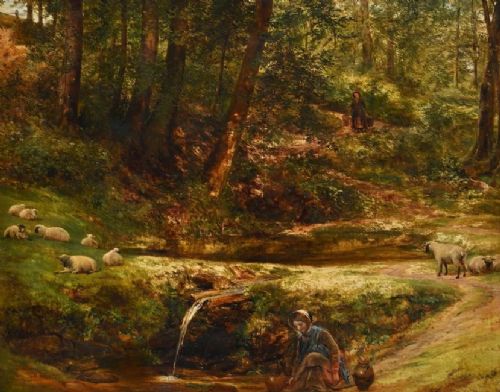
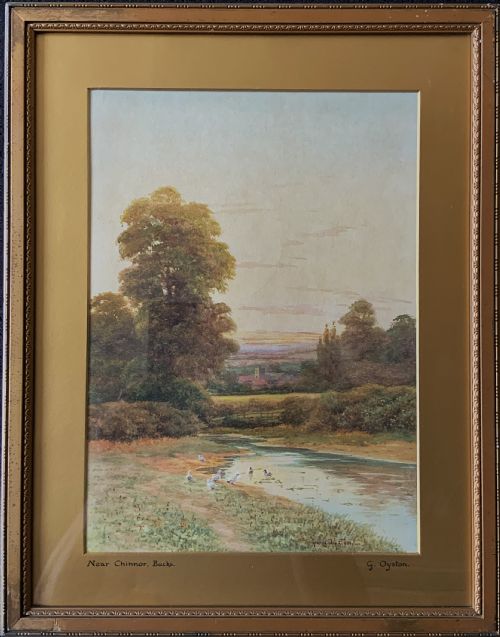
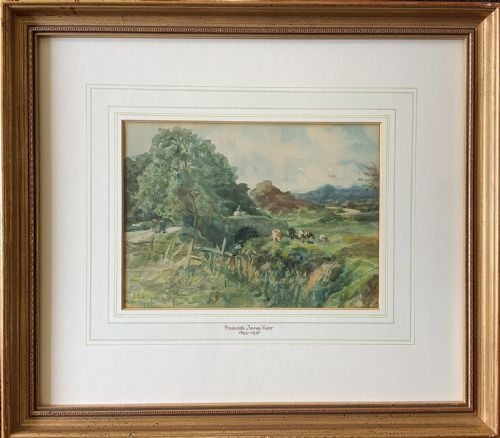
An antique british pastoral scene represents countryside life across the nineteenth and early twentieth centuries, depicting agricultural work, rivers and farmland. These works often show figures herding sheep, harvesting crops or resting beside waterways.
The pieces appearing on this page span styles such as Victorian realism, Edwardian watercolours and British impressionism. They range from small watercolours on paper to large oil paintings on canvas and wooden boards.
Originating from English and Welsh rural settings, these paintings reflect the landscape traditions of the period. Buyers find works attributed to named regional artists alongside pieces from the broader British School.
How They Were Made
Artists worked primarily with oil paint on canvas, wooden boards or paper, building up compositions with brushwork that captured light and atmosphere. Watercolours on paper offer a lighter, translucent approach to rural vistas.
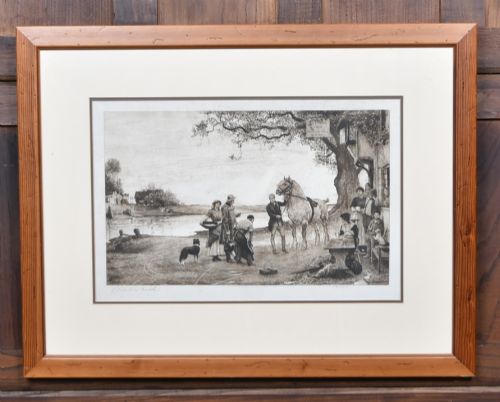
Supports often include canvas stretched over wooden frames or solid panels of wood. Etchings and drawings on paper represent the graphic techniques utilised alongside painting during the nineteenth century.
Several sheep managed to wander into more than one artist's field without causing a single complaint from the cattle.
What Varies in Quality
The strength of composition and the handling of light distinguish individual works. Skilled artists manage perspective and atmospheric depth in skies and river views with greater nuance.
The preservation of the pigment and the condition of the original surface influence the visual impact. Works retained in their period frames maintain a more complete historical context.
William H Myers·George Graham·Percy Lancaster·James Smetham·John Horace Hooper·William Joseph Shayer Senior·EJ Letheren·Mark William Langlois·David Bates·Robert W Macbeth·George Oyston·Frederick James Kerr·T C Hofland·Henry H Parker·Thomas Baker of Leamington·Ernest Higgins Rigg·John Sanderson Wells·Henry John Kinnaird·Owen Bowen·Frederick Septimus Lewis·Ernest Pile Bucknall·Henry John Boddington·Robert John Hammond·Frederick James Knowles·Robert Thorne Waite
The Antique British Pastoral Scene Glossary
- Oil on canvas
- Pigment suspended in drying oil applied to a woven fabric support stretched over a wooden frame. This medium allowed artists to build rich textures and deep colour tones.
- Watercolour
- A paint consisting of colour pigments suspended in a water-soluble vehicle, typically applied to paper. It produces transparent washes of light well suited to atmospheric skies and rivers.
- British School
- A term used to describe works produced by British artists whose specific individual identity is unrecorded or part of a wider regional tradition. It groups together paintings sharing stylistic traits of a given era.
- Victorian Realism
- An artistic approach focusing on the truthful, unidealised depiction of everyday life and labour. In rural scenes, this manifests as accurate portrayals of agricultural workers and farm animals.
- Etchings
- Printmaking technique where lines are incised into a metal plate with acid before ink is applied and transferred to paper. This method produces fine, detailed tonal lines.
Antique British Pastoral Scene: Frequently Asked Questions
What subjects appear in these scenes?
These works depict rural British life, featuring agricultural labourers, cattle, sheep and horses at work in fields and valleys. Rivers, cottages and woodland settings frequently form the backdrop to these pastoral compositions.
Artists drew inspiration from specific regional landscapes across England and Wales, recording local topography alongside daily farming routines.
How do I date these artworks?
Dating relies on stylistic clues, artist signatures, biographical records and framing materials. Many pieces carry dates or are attributed to active periods of nineteenth and early twentieth century painters.
Victorian and Edwardian aesthetic conventions in palette and subject matter also provide clear indicators of the era in which a piece was created.
How should I frame and display them?
Displaying these works away from direct sunlight protects oil pigments and delicate watercolours on paper from fading. Maintaining stable room humidity preserves both canvases and wooden boards.
Period frames often complement the aesthetic of nineteenth century paintings, though conservation standards should guide the choice of backing materials.
What is the British School?
The British School designation refers to artists working within British artistic traditions whose specific names are lost or unrecorded. These works share stylistic approaches characteristic of specific historical periods.
Such paintings reflect the broader artistic standards and rural interests of the eras in which they were produced.