

Antique Brass Watch
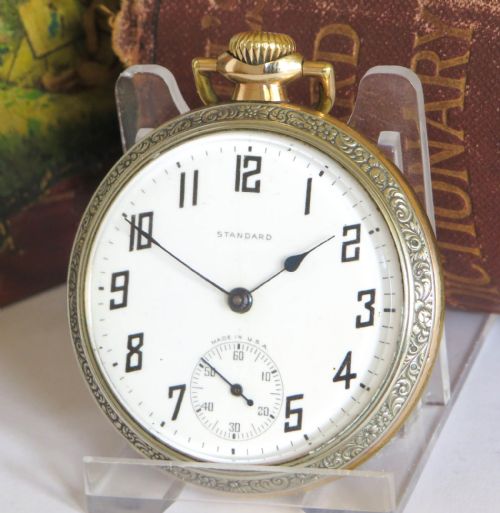
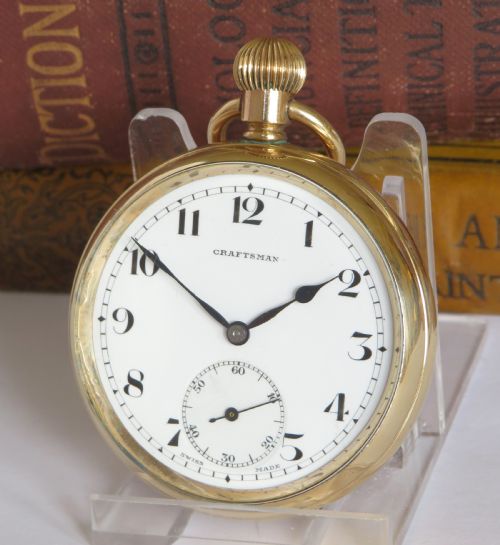
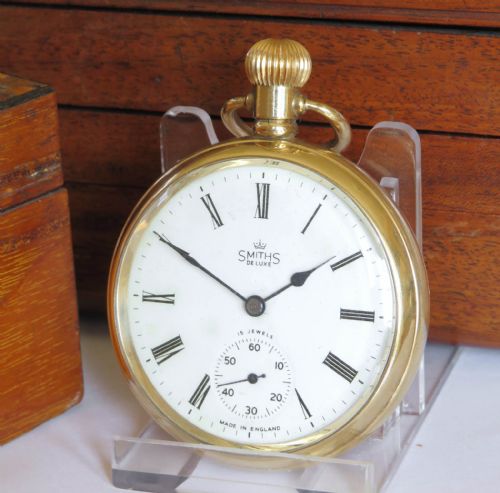
An antique brass watch brings mechanical precision to the pocket, offering tangible engineering from the Victorian, Edwardian, and mid-century eras.
Antique Brass Watch
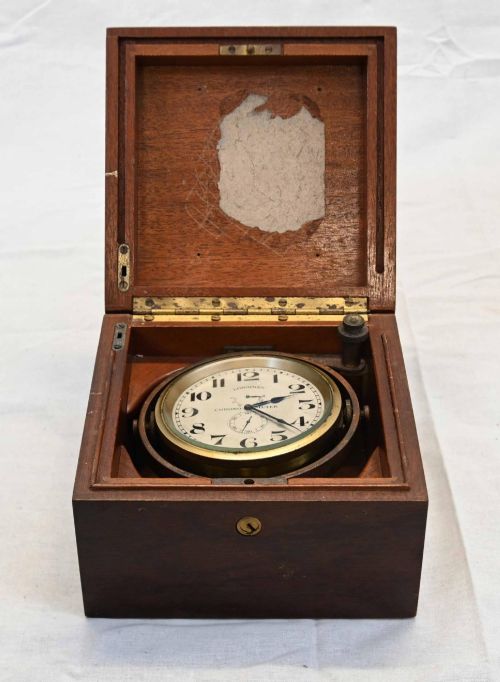
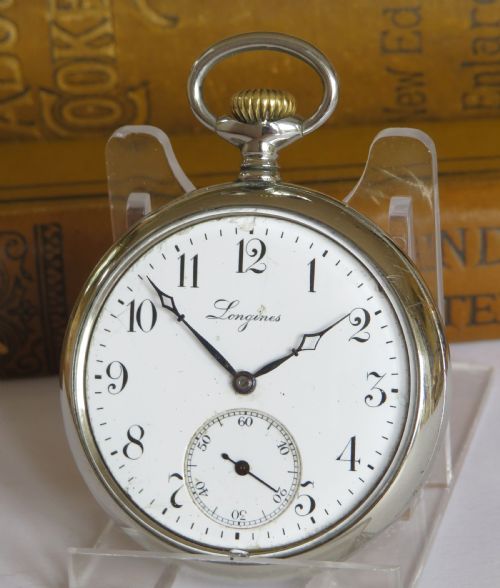
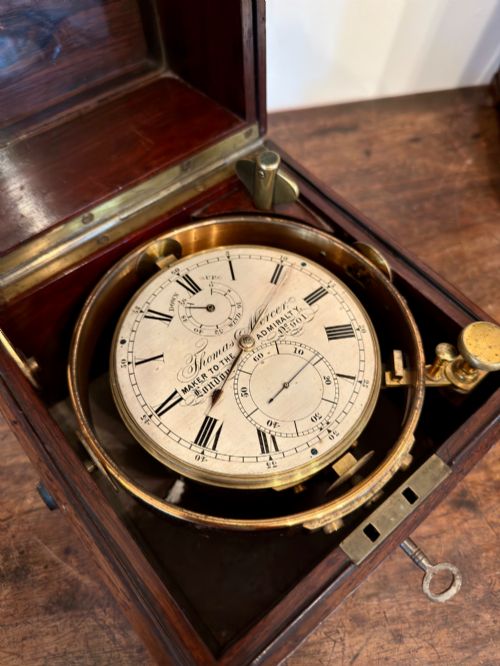
When buyers search for an antique brass watch, they encounter a diverse range of timepieces spanning pocket watches, trench watches, and marine chronometers. These instruments date from the nineteenth century through the 1940s, reflecting the mechanical utility of past decades.
The most common formats on this page include stem-winding pocket watches and military trench watches housed in robust metal cases. Alongside portable timepieces, related instruments such as pocket barometers and scientific instruments occasionally appear.
Origins vary widely, encompassing English makers, Swiss movements, French workshop productions, and American manufacturers. Each piece retains the specific characteristics of its period, from Victorian maritime pieces to Art Deco designs.
Materials and construction
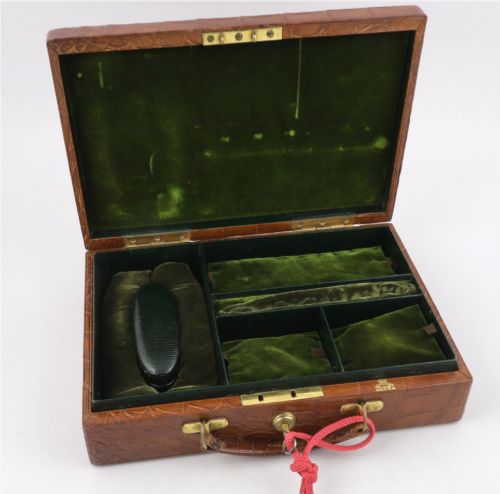
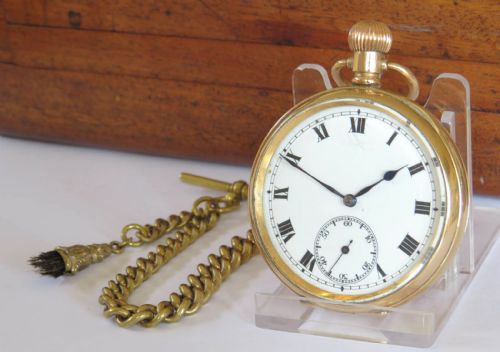
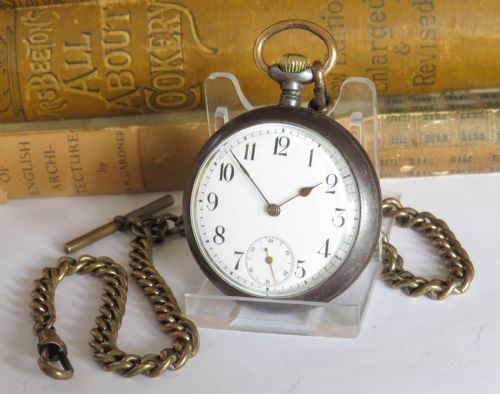
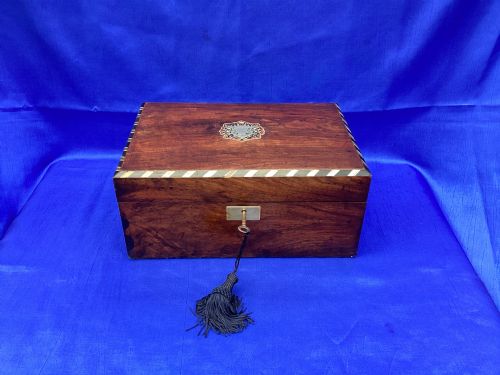
Cases combine brass with materials such as gold plate, gun metal, nickel, and steel, while protective dial covers utilise clear glass. Fitted presentation boxes and storage cases often employ mahogany and crocodile leather.
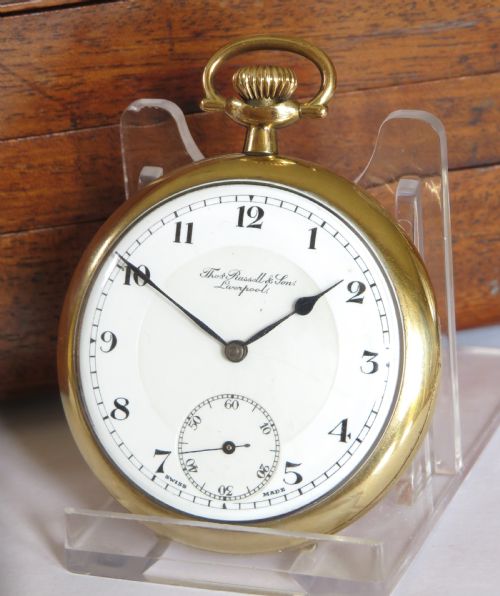
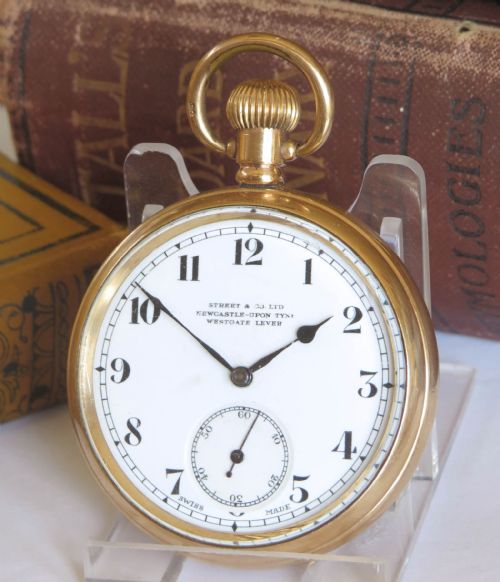
Dials frequently feature enamel work for clear legibility, paired with intricate metal hands and gear trains designed for exact timekeeping. Military variants incorporate protective additions such as wire shrapnel guards over the glass.
Clockmakers and horologists utilised mechanical movements requiring stem winding or key winding, sometimes incorporating complications like eight-day reserves or half hunter hinged covers.
Antique Brass Watch Retail Price Guide 2026
Typical asking prices for brass watch among the pieces listed under this phrase on Sellingantiques today, from the lower quarter to the upper quarter. They describe what is for sale here now, not the wider market.
Some trench watches feature glowing radioactive paint on the numerals, reminding us of early twentieth-century technological optimism.
Evaluating craftsmanship
Quality rests in the precision of the movement and the integrity of the casing rather than superficial shine. Finer examples display signed dials from established makers and complex escapements that maintain accurate time.
The distinction between standard commercial timepieces and superior instruments lies in the finishing of internal components and the durability of materials like solid brass and heavy plating. Original dials and matching chains further elevate a piece.
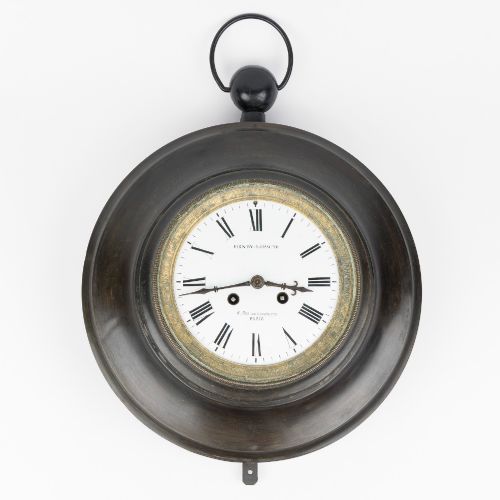
Henry Lepaute·Longines·Thomas Mercer·Thomas Russell and Son·New York Standard·Omega·Waltham·Zenith·Litherland Davies
The Antique Brass Watch Glossary
- Half hunter
- A pocket watch case featuring a small glass panel or open circle in the outer cover, allowing the user to read the hands without opening the case.
- Goliath
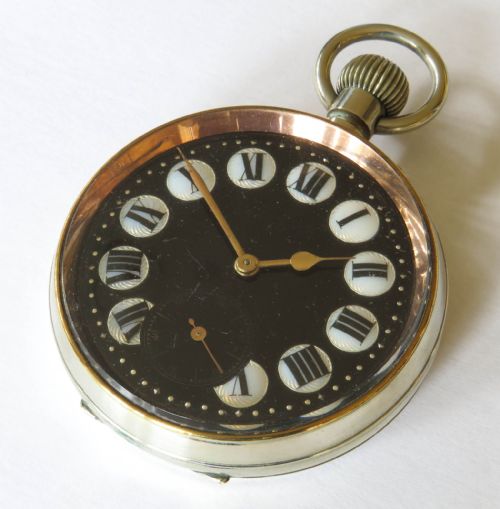
- An oversized pocket watch, substantially larger than standard models, frequently housed in a heavy metal case for desk use or travel.
- Chronometer
- A high-precision timepiece designed to maintain accuracy under variable conditions, often utilised in navigation and marine settings.
- Stem winding
- A mechanical winding system operated via the crown at the top of the watch, replacing the earlier key-wind method.
- Albert
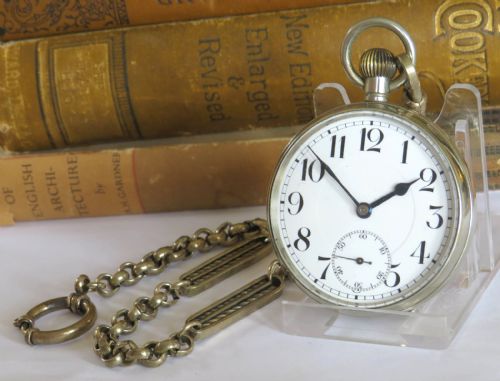
- A chain attached to a pocket watch, designed to secure the timepiece to a waistcoat or belt.
Antique Brass Watch: Frequently Asked Questions
How do I wind a vintage pocket watch?
Most pieces on this page utilise stem winding through the crown, requiring gentle rotation until resistance is felt.
Avoid over-winding historical movements, as the internal springs require careful handling to preserve their operational lifespan.
What is a trench watch?
A trench watch represents the transition from pocket watches to wristwatches, popularised during the First World War for military officers.
These pieces often feature soldered wire lugs for leather straps and protective metal shrapnel guards over the glass dial.
Can I wear an antique pocket watch daily?
Daily wear is possible with careful handling, provided the movement has been recently serviced by a professional horologist.
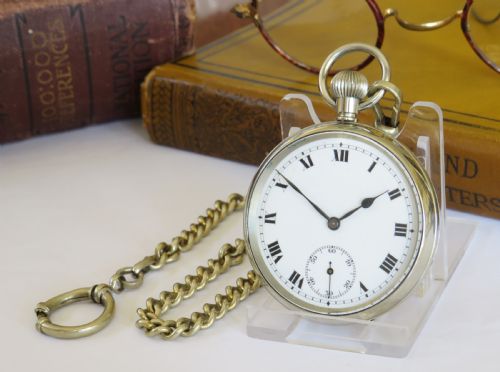
Pairing the watch with a matching albert chain ensures secure attachment to pockets during movement.
How do I identify the date of my watch?
Dating relies on maker marks, serial numbers engraved on the movement, and stylistic indicators such as Art Deco numerals or Victorian case engraving.
Comparing these details with manufacturer records provides a reliable production window.