

Antique Brass Tray
An antique brass tray brings tactile weight and beaten warmth to a table, combining utility with nineteenth-century craft.
Antique Brass Tray
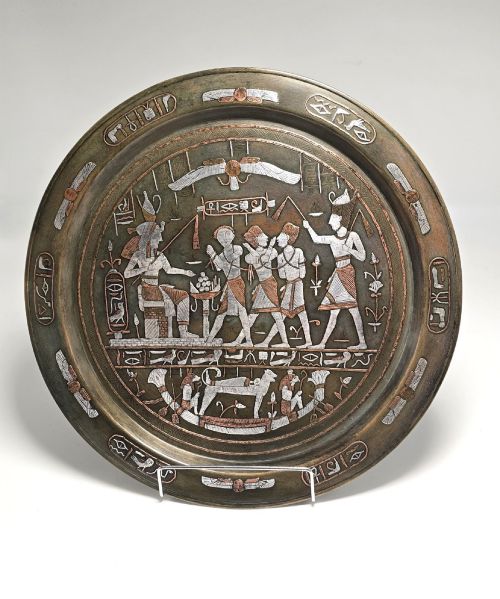
When searching for an antique brass tray, buyers encounter heavy circular serving platters, engraved oriental chargers, and smaller desk accessories spanning the Victorian and Edwardian periods.
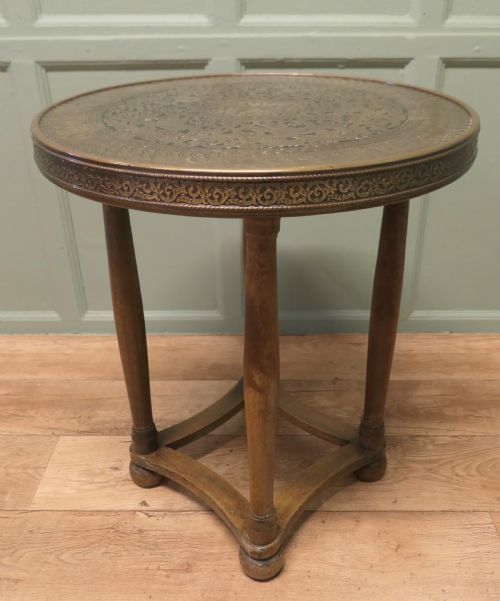
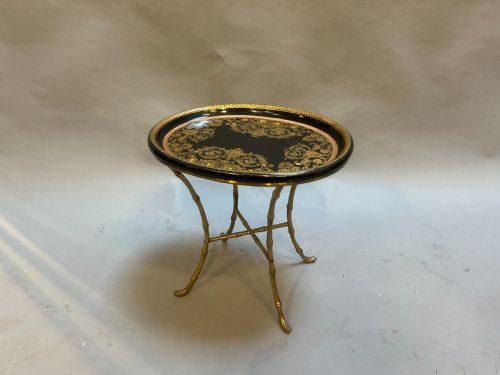
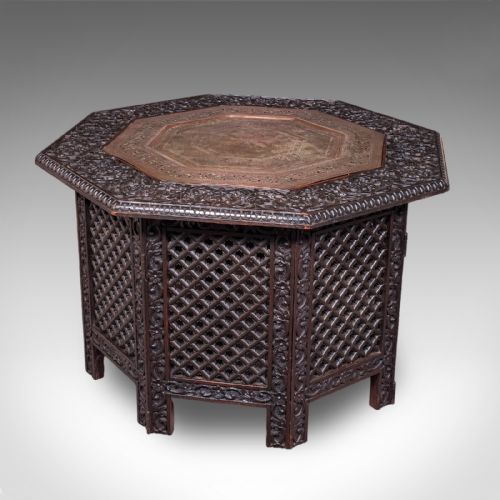
The material appears both in pure cast or beaten brass and as a structural element mounted onto folding wooden stands to form occasional tables.
Domestic examples range from plain nineteenth-century service items to heavily decorated imported wares brought home during the height of the British Empire.
How they were made
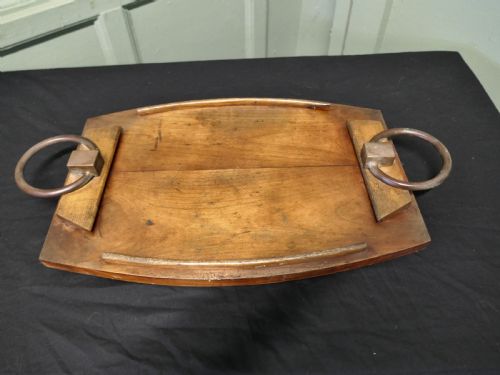
Makers utilised sheet brass, cast iron frames, and mixed metal inlays, often combining beaten surfaces with wooden bases made of mahogany, walnut, or teak.
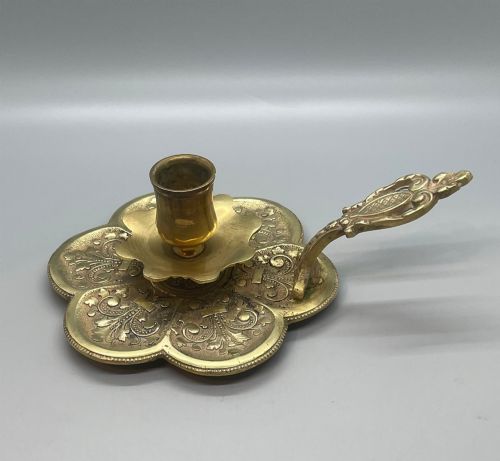
Decoration relied heavily upon hand engraving, piercing, and chased details, producing intricate geometric or floral motifs across circular chargers and rectangular desk trays.
Listings feature brass combined with mahogany, teak, and cast iron across Victorian and Edwardian domestic objects.
What varies in quality
Superior examples show crisp, deep hand-chasing and substantial metal gauge rather than thin, pressed sheet work that bends under weight.
Construction integrity separates fine items from lesser ones, visible in the tightness of dovetails on wooden frames and the rigidity of applied handles.
Edwards and Roberts
The Antique Brass Tray Glossary
- Benares tray
- An Indian brass tray featuring densely chased surface decoration depicting animals, figures, or foliage. These items were frequently exported to Britain during the late nineteenth century.
- Charger
- A large ornamental plate or tray designed primarily for display on walls or sideboards rather than everyday serving.
- Chasing
- A metalworking technique where designs are hammered into the front surface of the brass using punches without removing metal.
- Standish
- A portable desk accessory incorporating inkwells, pen trays, and sometimes sanders or wafer boxes for correspondence.
- Gallery
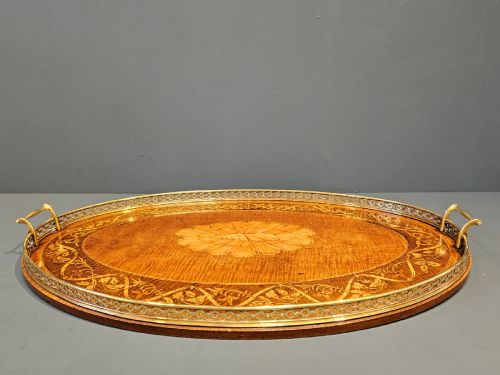
- A raised pierced metal or wooden border fitted around the edge of a tray to prevent items from sliding off.
Antique Brass Tray: Frequently Asked Questions
How were antique brass trays used originally?
These pieces served practical roles in wealthy households, carrying afternoon tea sets, holding correspondence on writing desks, or containing ashes and fuel by the fireplace.
Larger variations functioned as portable dining surfaces when mounted upon folding wooden stands for parlour use.
How do I clean an antique brass tray?
Dust gently with a soft dry cloth and avoid aggressive chemical polishes that strip the historic dark patina accumulated over decades.
Leaving the surface undisturbed preserves the subtle variations in tone valued by collectors.
Can I use an antique tray for serving food?
Many surviving examples retain protective coatings or historic wear that makes direct contact with loose food inadvisable.
Using them to carry bottled drinks or small dishes avoids potential tarnishing from acidic substances.
How can I tell Victorian trays from later pieces?
Victorian items generally exhibit heavier gauge metalwork and deeper hand-engraved detailing compared to twentieth-century mass-produced alternatives.
Examination of the underside often reveals tool marks and construction methods consistent with nineteenth-century workshop practices.