


Antique Brass Telescopic Stand
An antique brass telescopic stand delivers adjustable height and solid metal construction, making it a practical choice for lighting or reading tasks.
Antique Brass Telescopic Stand
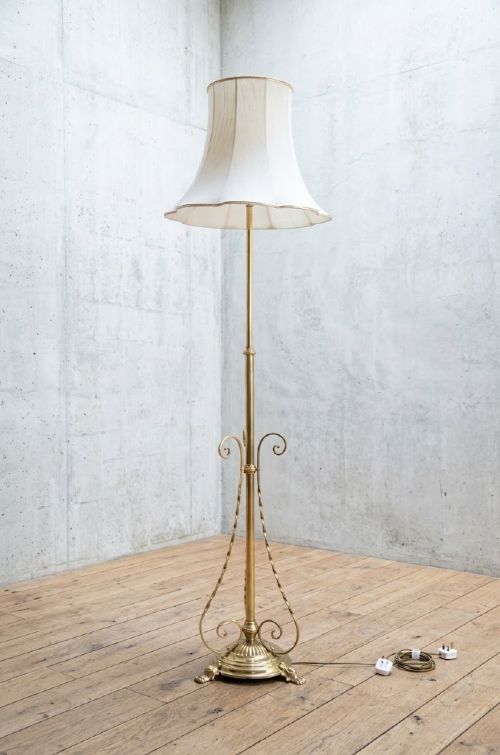
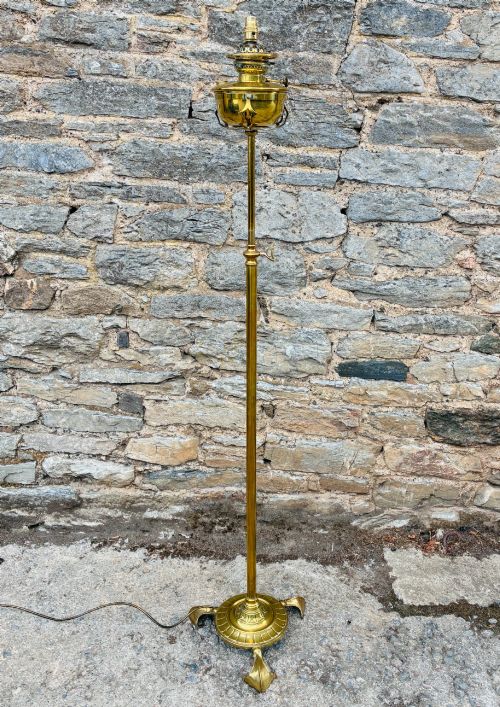
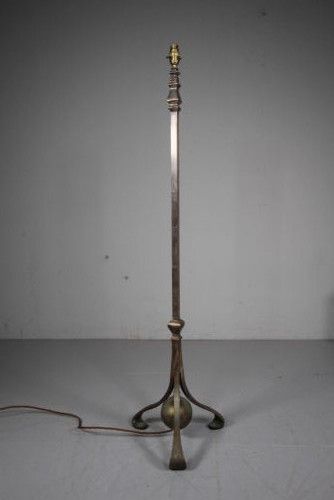
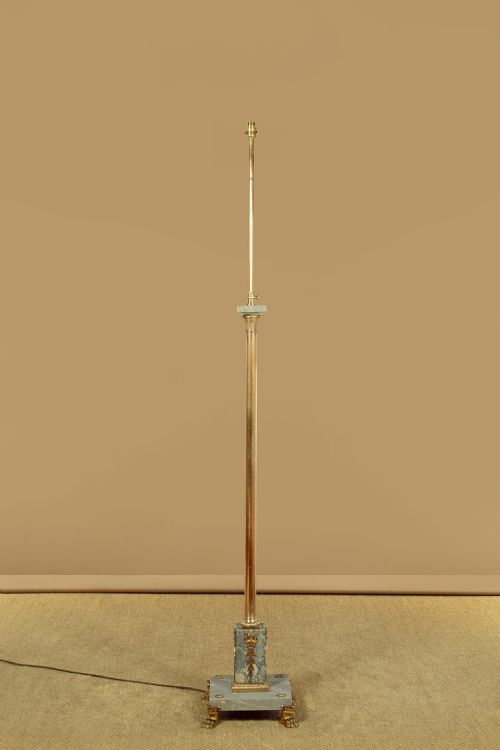
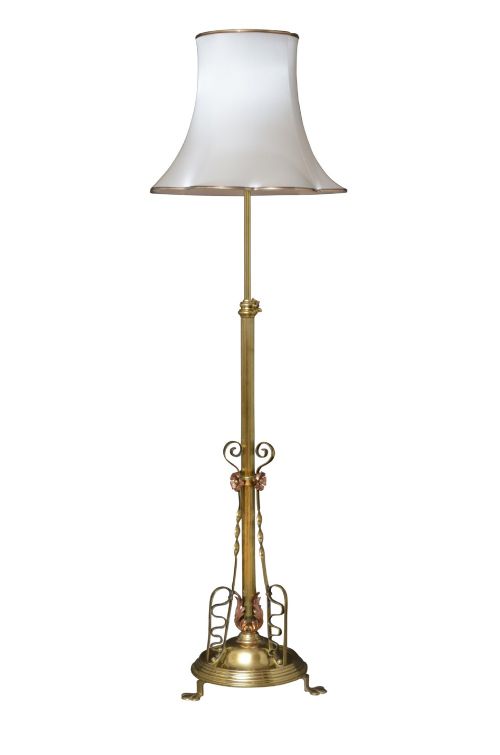
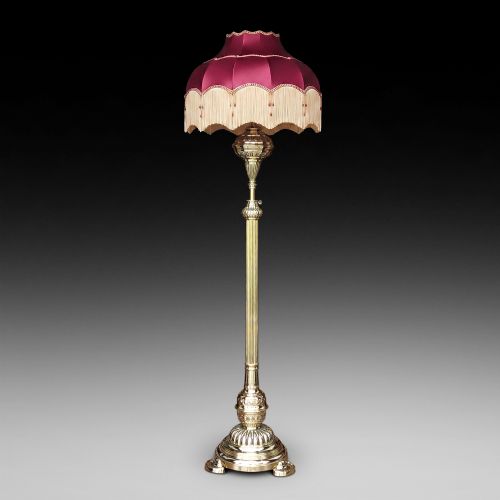
An antique brass telescopic stand comprises extendable columns designed to alter height for practical utility in homes.
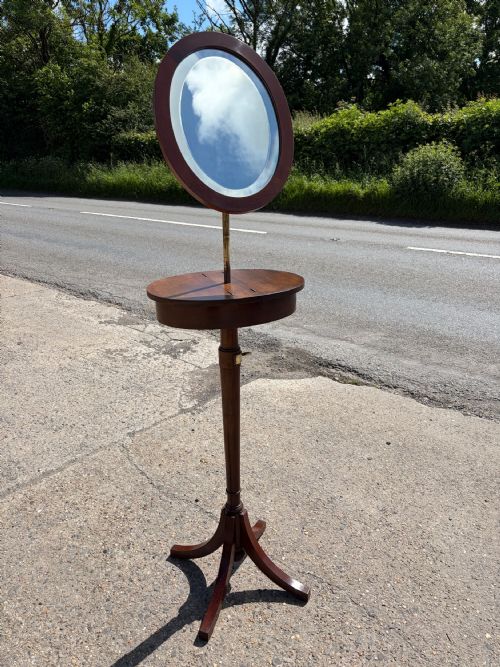
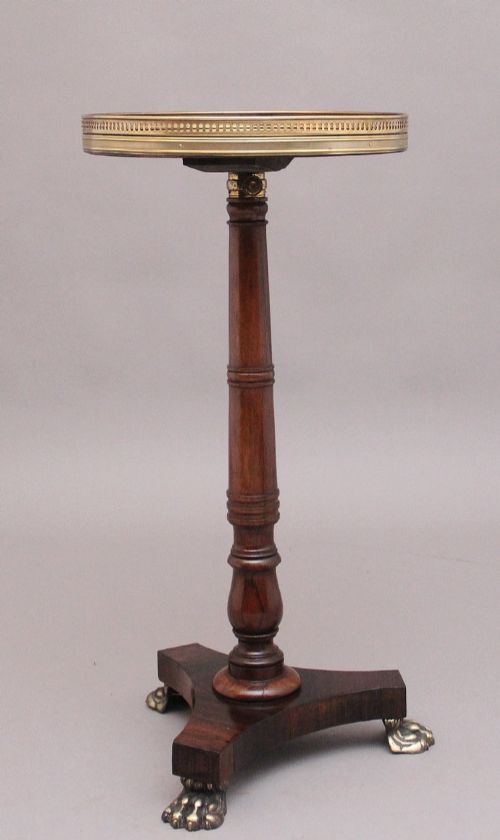
Floor lamps and standard lamps dominate this selection, frequently appearing alongside shaving mirrors, music stands, and reading lecterns from the Victorian and Edwardian eras.
Makers such as Hinks of Birmingham and Messenger produced notable examples during the nineteenth century, utilising brass alongside copper and mahogany.
How they were made
Craftsmen utilised heavy brass for the extending tubular shafts, often pairing the metal with copper, rosewood, or mahogany bases.
Adjustment mechanisms relied on sliding internal rods secured by keys or screw screws to hold the desired elevation firmly in place.
What varies in quality
Weight and stability separate simpler examples from superior items, particularly when fully extended on tripod or heavy column bases.
The precision of the sliding mechanism and the weight of the cast brass determine how securely the stand holds its height over decades of use.
Hinks of B'ham·Messenger·Harrods
The Antique Brass Telescopic Stand Glossary
- Telescopic stand
- An adjustable support mechanism featuring sliding inner and outer tubes to alter height. This design allows floor lamps and music stands to serve multiple functions.
- Standard lamp
- A tall floor-standing lighting fixture designed to hold an oil burner or electric bulb. These pieces often incorporate extending brass columns.
- Corinthian column
- A classical architectural column capital featuring ornate acanthus leaves. Makers frequently applied this decorative motif to tall brass lamp standards.
- Rise and fall
- An alternative descriptor for a height-adjustable mechanism. It indicates a counterbalanced or sliding shaft that moves vertically.
Antique Brass Telescopic Stand: Frequently Asked Questions
How do I adjust the height?
Most antique brass telescopic stands utilise an inner sliding tube secured by a thumbscrew or a friction collar. Loosening this fastener allows the upper section to rise or descend.
Once the desired elevation is reached, retighten the mechanism carefully to secure the weight of the lamp or reading surface above.
Were these originally for oil or electricity?
Many surviving examples began life as oil lamps before undergoing conversion to electricity during the twentieth century. Burner assemblies were removed or adapted to house electrical wiring and bulb holders.
Original oil reservoirs and glass shades occasionally remain intact on Victorian and Edwardian standards, though fittings vary across individual pieces.
How do I clean brass safely?
Dust the metal surfaces gently with a soft dry cloth to remove surface particles. Avoid harsh chemical polishes that strip historical patination and age.
Gentle cleaning preserves the warm golden surface acquired through decades of handling and atmospheric exposure.
Where were these stands used?
Original placement included drawing rooms, libraries, and parlours where adjustable lighting or reading surfaces were required. Tall floor lamps illuminated seating areas for reading or needlework.
Smaller telescopic pieces like music stands and shaving mirrors served functional roles in private chambers and music rooms.