



Antique Brass Stop
These heavy brass stops keep interior doors firmly positioned against draughts while doubling as striking decorative sculpture for the hearth.
Antique Brass Stop
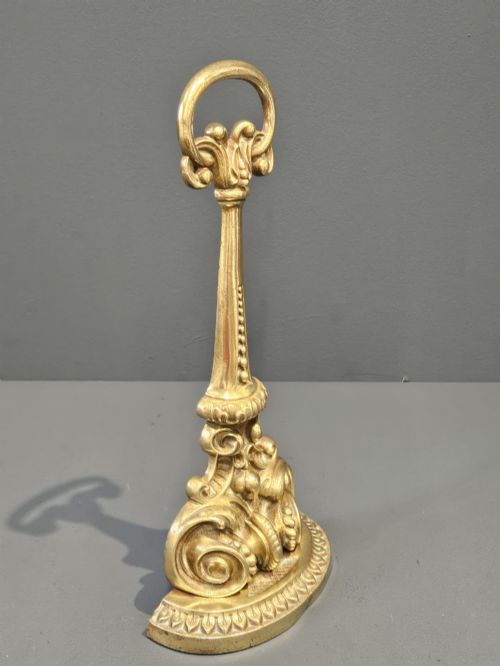
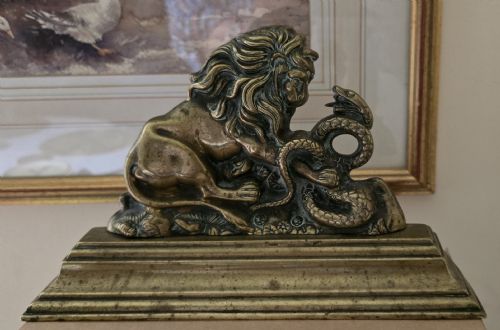
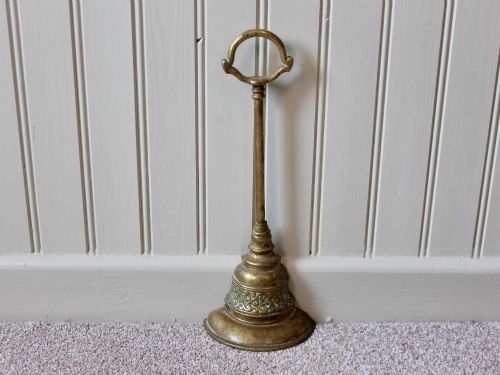
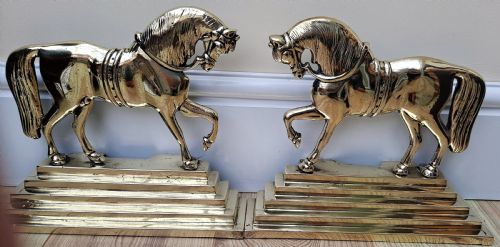
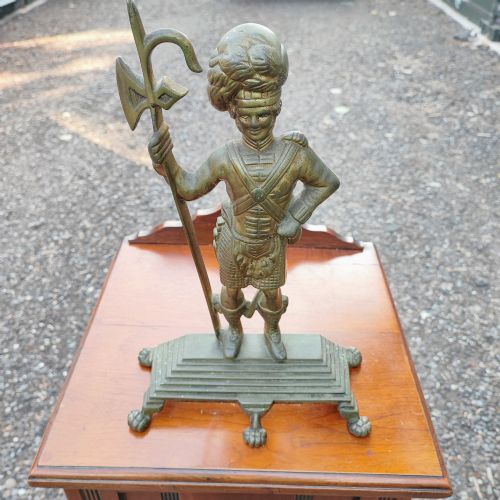
When hunting for an antique brass stop, you encounter functional door porters and heavy mantel accessories shaped into figural subjects like lions, soldiers, horses, and historical figures.
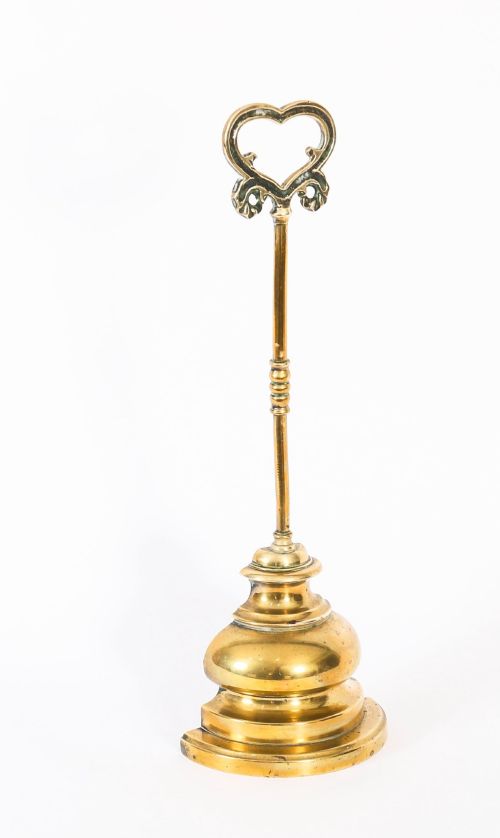
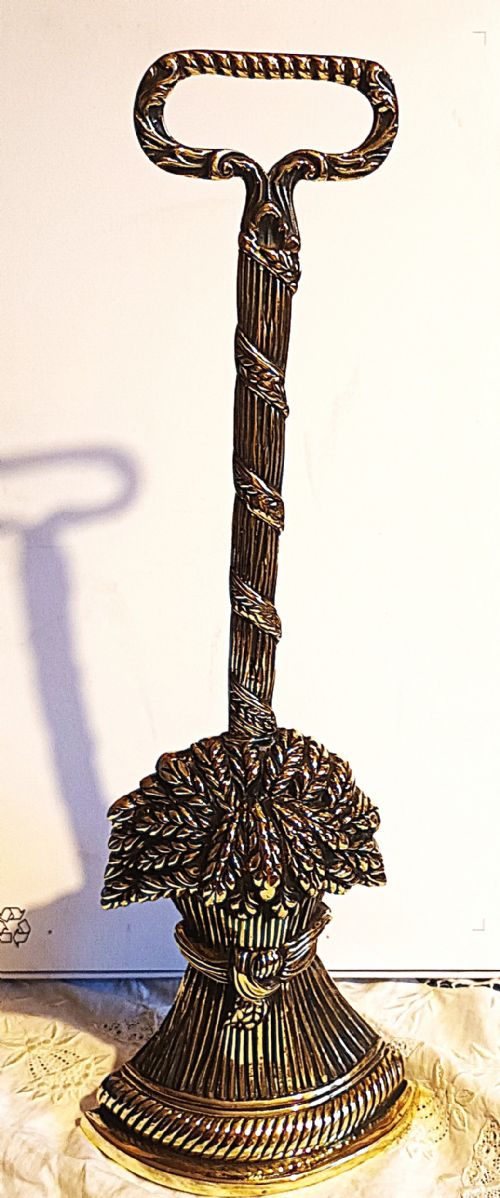
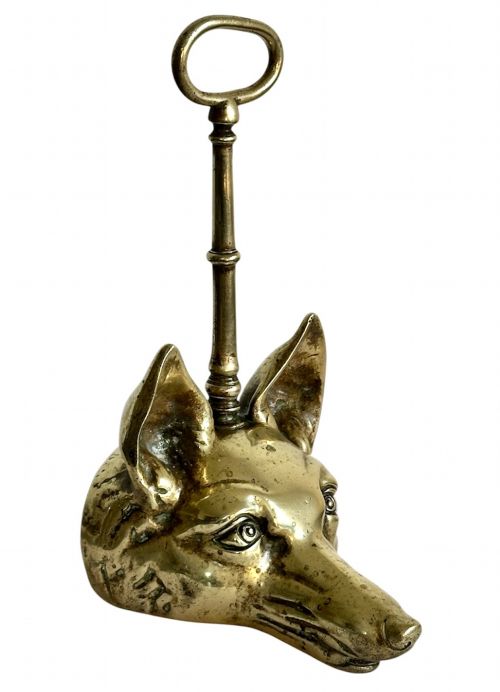
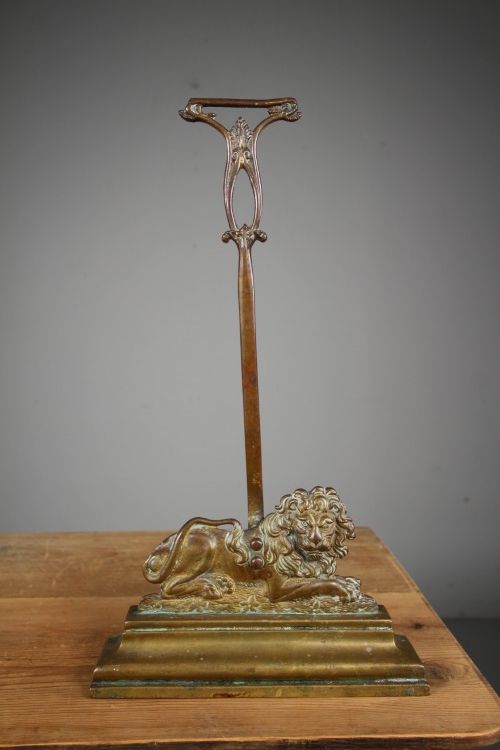
The selections span Georgian, Victorian, and later periods, often taking the form of upright doorstops equipped with integrated grab handles for moving heavy timber doors.
Makers utilised resilient metals to cast domestic guardians ranging from nautical bookends to ornate chimney horses and hearth accessories.
Materials and casting methods
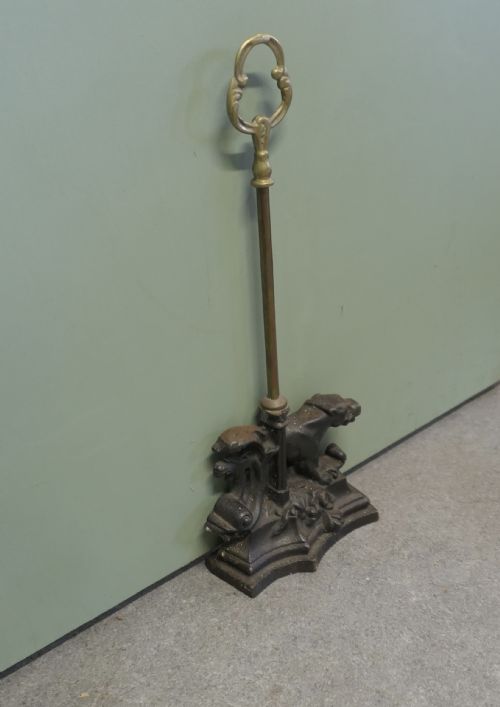
Foundry workers poured molten brass into sand moulds to create solid figural stops, frequently combining lead or cast iron weighted bases to ensure the piece stayed upright.
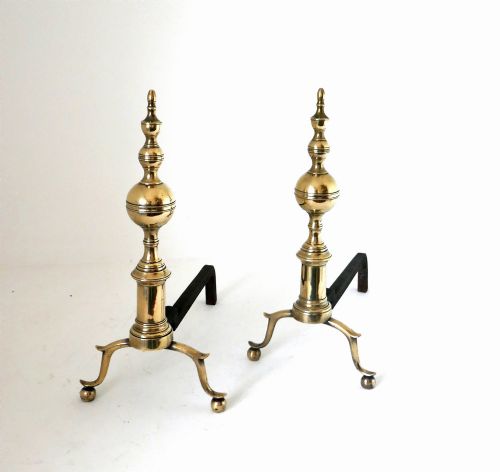
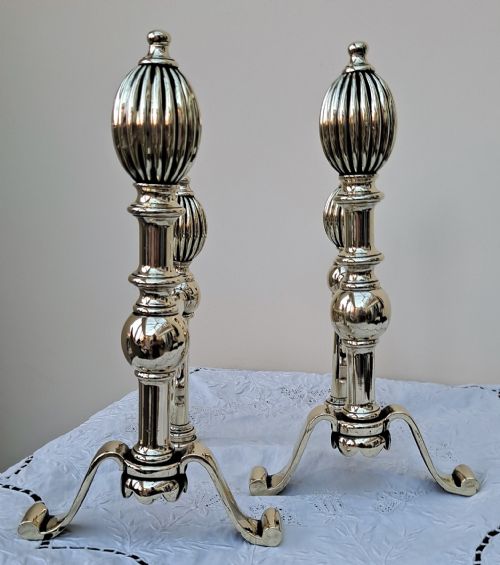
Wrought iron and bronze appear alongside brass elements in fireplace equipment like andirons, while hand-finishing involved chasing details and polishing the metal surface.
Antique Brass Stop Retail Price Guide 2026
Typical asking prices for brass stop among the pieces listed under this phrase on Sellingantiques today, from the lower quarter to the upper quarter. They describe what is for sale here now, not the wider market.
Listings feature brass, cast iron, and bronze materials spanning the Georgian and Victorian eras.
Distinguishing finer examples
Superior weight and sharpness in the cast details distinguish higher-grade doorstops, where facial expressions and uniform textures remain crisp rather than softened by worn moulds.
Original weighted lead bases and intact integrated handles show superior workshop origin, whereas replacement parts or crude repairs diminish the historical integrity of the piece.
Tonks
The Antique Brass Stop Glossary
- Door porter
- A heavy portable doorstop designed to hold interior doors open against draughts. These items often feature a loop handle at the top for lifting.
- Andirons
- Horizontal metal supports used in pairs to raise firewood off the hearth floor. They typically coordinate with heavy brass fireplace furnishings.
- Regency
- A style period spanning the early nineteenth century defined by classical restraint. Pieces from this era lean towards refined architectural proportions.
- Figural
- Artworks representing a recognizable human or animal form. These stops often depict soldiers, horses, or historical personalities.
- Cast brass
- Molten metal poured into a prepared mould rather than beaten into shape. This technique allowed Victorian foundries to produce complex sculptural forms in quantity.
Antique Brass Stop: Frequently Asked Questions
How heavy is a typical door porter?
These pieces generally weigh several kilograms to ensure they can hold heavy interior doors firmly in place without sliding.
The internal lead or cast iron weighting provides the necessary gravity for daily domestic use.
Where were doorstops placed in a room?
Doorstops sat directly on the floor near the swing path of heavy timber doors to prevent them from striking walls.
Fireplace accessories occupied the hearth alongside andirons and chimney furniture.
How should I clean antique brass?
Dust the surface regularly with a dry cloth and avoid harsh chemical dips that strip away desirable historical patination.
Gentle cleaning preserves the warm golden tone accumulated over decades of household use.
Can I use these stops on modern doors?
These heavy items work effectively on standard interior wooden doors to prevent slamming or movement from household draughts.
Their solid metal construction handles daily functional placement without trouble.