
Antique Brass Plate
An antique brass plate carries the weight of past rooms, bringing hand-finished metalwork and enduring utility straight into a modern interior.
Antique Brass Plate
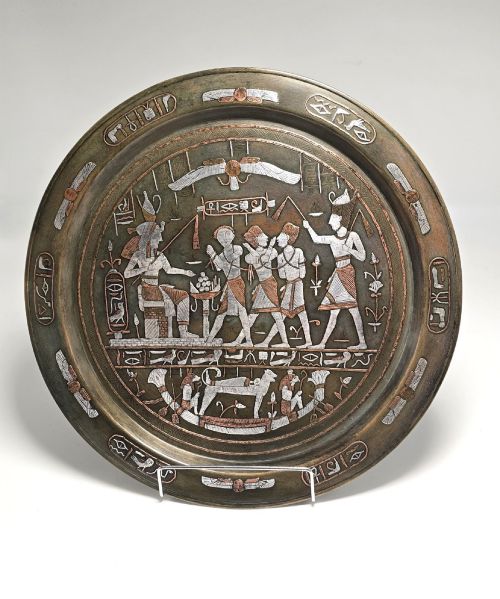
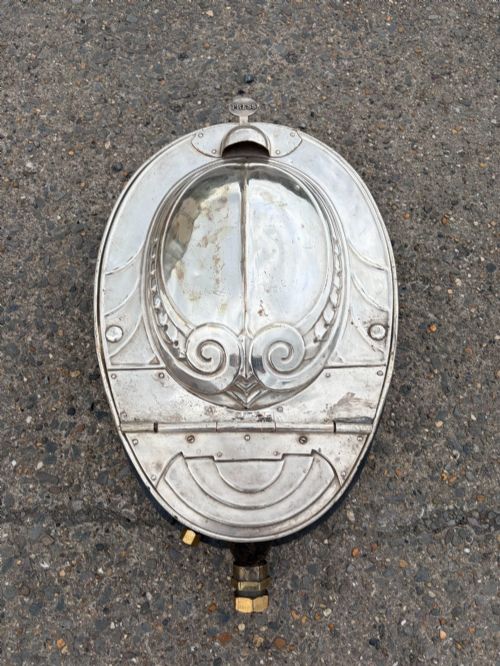
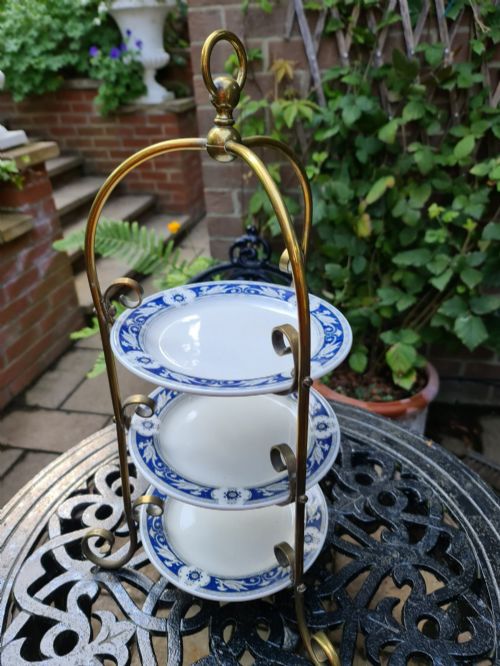
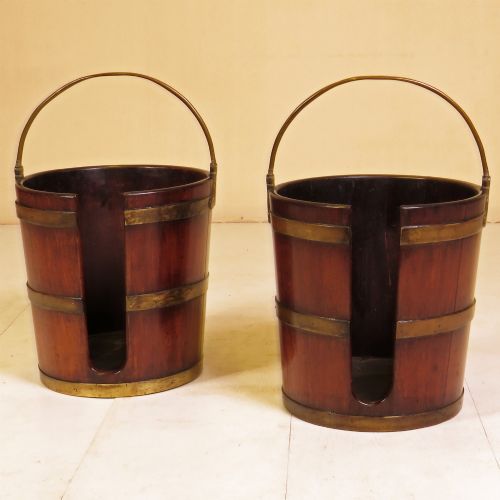
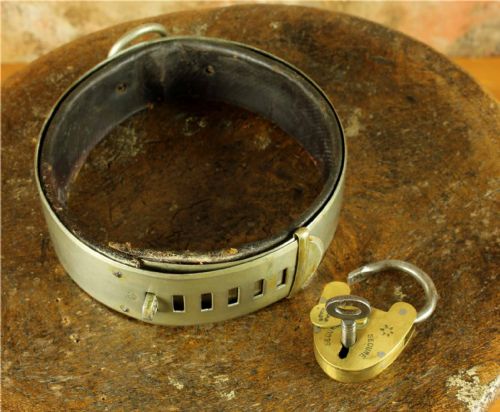
When searching for an antique brass plate, buyers encounter a mix of heavy hearth accessories, decorative wall chargers, and domestic hardware forged across the Victorian and Edwardian eras. These domestic and decorative items served practical roles in period homes, functioning as trivets, safety plaques, and decorative wall pieces.
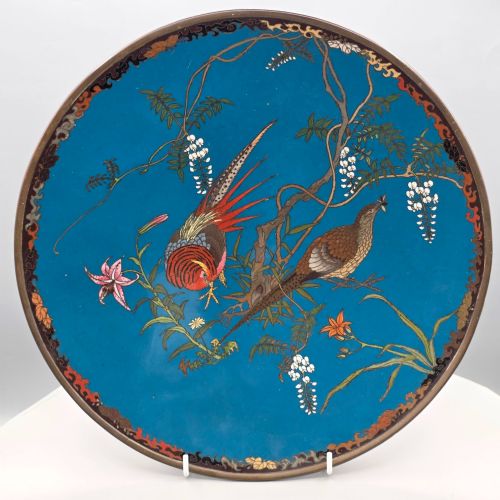
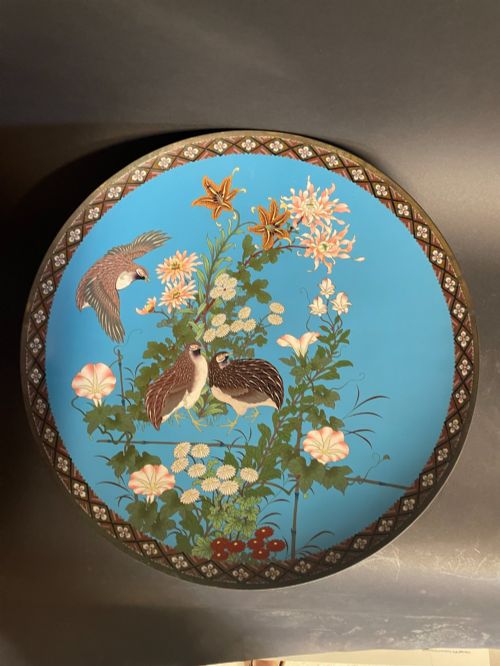
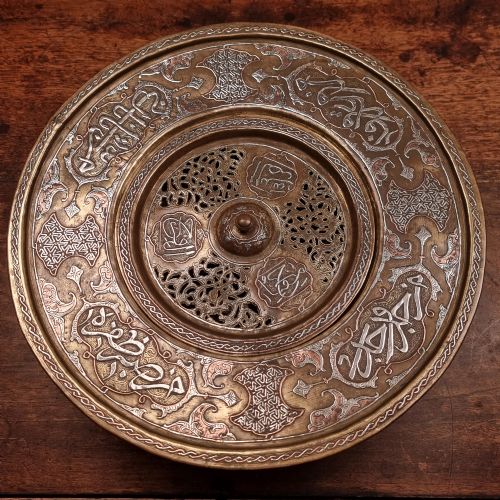
The pieces appearing on this page span from nineteenth-century utility wares to later decorative vessels, reflecting how brass and mixed metals shaped daily interiors over successive decades. Many examples lean towards Japanese cloisonne, Middle Eastern metalwork, and traditional English hearth furniture rather than flat table settings alone.
Collectors select these items for their rich patination and the tangible evidence of hand-working tools visible across their surfaces. Each object retains the distinct character imparted by nineteenth-century and early twentieth-century metalworkers.
How they were made
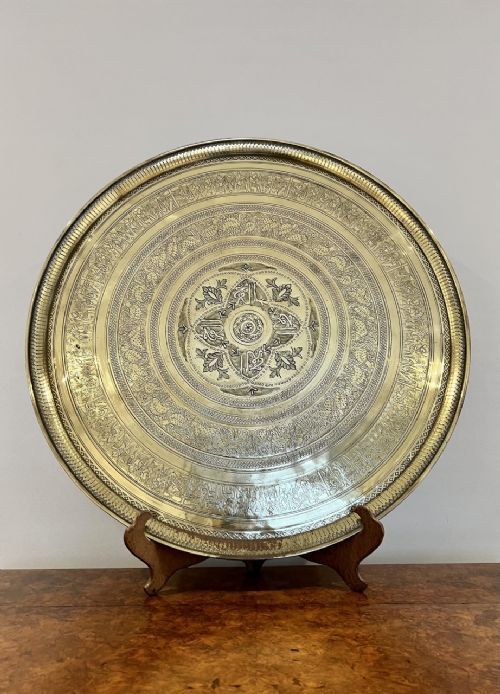
Makers shaped these plates and trays using traditional casting, hammering, and spinning techniques, often combining brass with copper, silver plate, or enamel to create contrasting tones. Artisans utilised hand-chiselling and wire-inlaying for detailed pictorial motifs, particularly in Middle Eastern and Japanese workshops.
Surface finishing involved deliberate patination and engraving, leaving crisp tool marks and subtle variations in the metal density. These foundational methods ensured the domestic brassware survived decades of polishing and daily interaction.
Listings feature brass, copper, enamel, and silver plate across Victorian, Edwardian, and earlier centuries.
What varies in quality
Quality rests in the crispness of the chasing, the depth of the metal gauge, and the integrity of any applied enamel or silver inlay. Superior examples display balanced composition and precise hand-engraving rather than rushed mechanical stamping.
The presence of crisp maker marks or stamps often elevates an object, alongside the survival of original surface patination untouched by over-zealous modern cleaning. Weight and structural stability also separate standard commercial production from workshop masterworks.
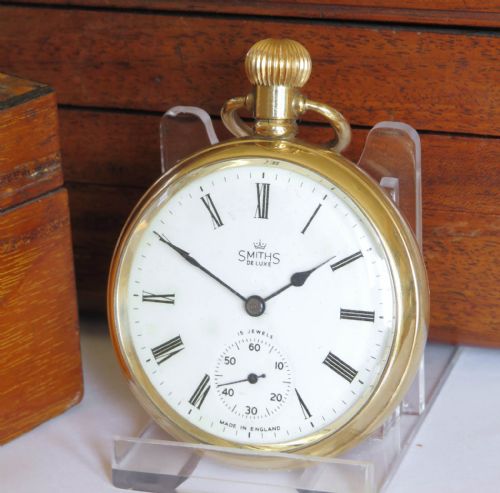
H Samuel·Smiths De Luxe·Record·Dunhill
The Antique Brass Plate Glossary
- Charger
- A large decorative plate or dish intended primarily for display on a wall or sideboard rather than dining use. These substantial vessels often feature elaborate pictorial enamel or engraved scenes.
- Cloisonne
- A decorative metalwork technique where fine wire is soldered to a metal base to create compartments filled with enamel paste and fired. This method produced intricate coloured designs on plates and trays.
- Patina
- The surface sheen and oxidation developed naturally on metal over decades of handling and exposure to the atmosphere. It serves as an indicator of age and careful preservation.
- Trivet
- A metal stand with feet used to elevate kettles or hot dishes near a fireplace or table. Brass versions combined structural iron framing with decorative cast brass tops.
- Chasing
- A goldsmithing and silversmithing technique where metal is worked from the front with a hammer and punch to sink the material and form raised relief patterns.
Antique Brass Plate: Frequently Asked Questions
Were these plates used for dining?
Most items described under this heading served decorative, ritual, or utilitarian functions rather than everyday dining. Wall chargers, alms dishes, and heavy brass trays were designed for display, hearth service, or specific domestic tasks.
Heavier cast pieces handled kettles or protected furniture, while intricate enamelled vessels were meant to be admired in reception rooms. Understanding the object's original context explains its weight and construction.
How can I tell the period?
Dating relies on observing manufacturing marks, construction methods, stylistic cues, and the composition of the metal alloys. Victorian and Edwardian pieces often exhibit machine-assisted finishing alongside hand-engraving, while earlier examples show entirely hand-wrought characteristics.
Stylistic movements such as Art Nouveau or Meiji period aesthetics provide reliable chronological markers. Comparing backstamps and mounting hardware helps narrow down the decade of production.
Can antique brass be mounted on walls safely?
Many decorative chargers and plates feature integral foot rings or pierced rims designed specifically for suspension. Wall display requires secure, non-damaging hangers that distribute the weight evenly without stressing the metal.
Ensure that any hanging wire or bracket is rated for the specific weight of solid brass or mixed-metal vessels. Regular checks of the mounting hardware prevent accidental slips.