

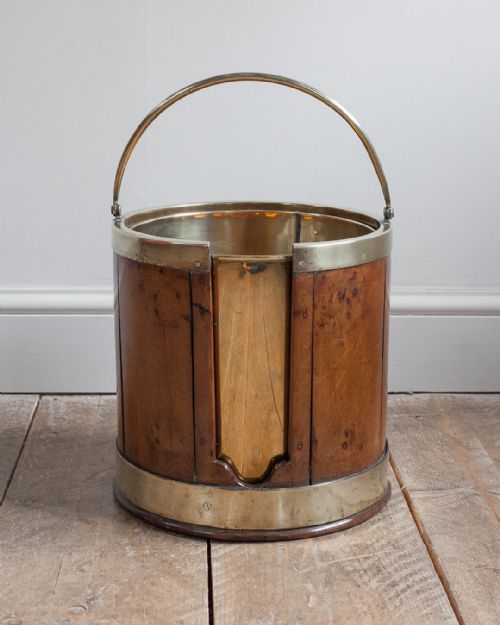


Antique Brass Pail
An antique brass pail brings utilitarian metalwork into a domestic interior, offering both sturdy construction and centuries of decorative presence.
Antique Brass Pail
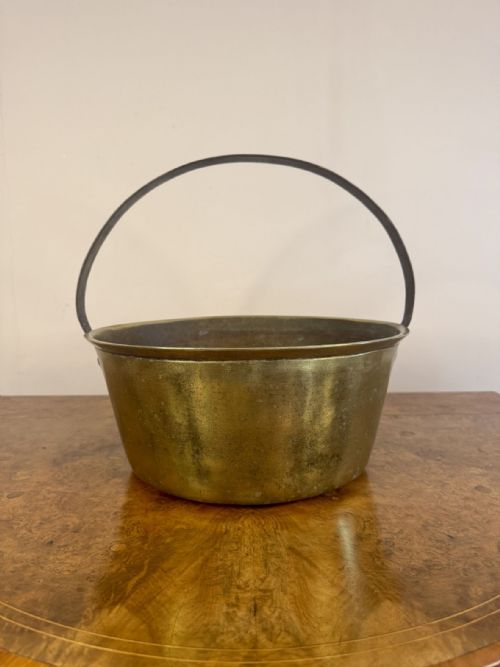
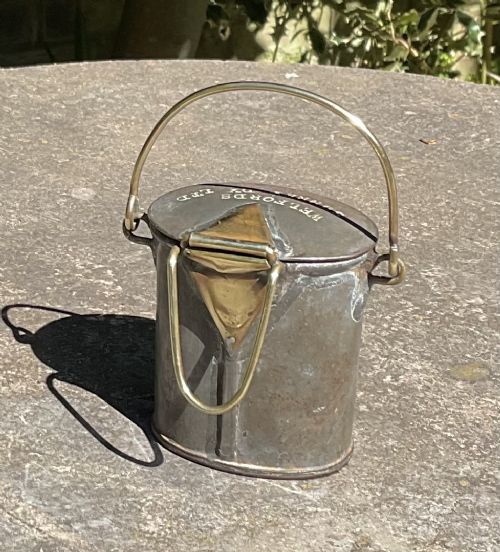
When you search for an antique brass pail, you are looking at metal and wooden vessels designed for domestic utility and social display. The pieces on this page span the eighteenth and nineteenth centuries, including Georgian and Victorian eras.
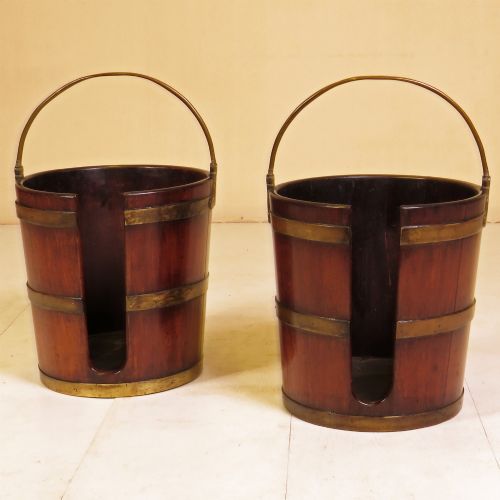
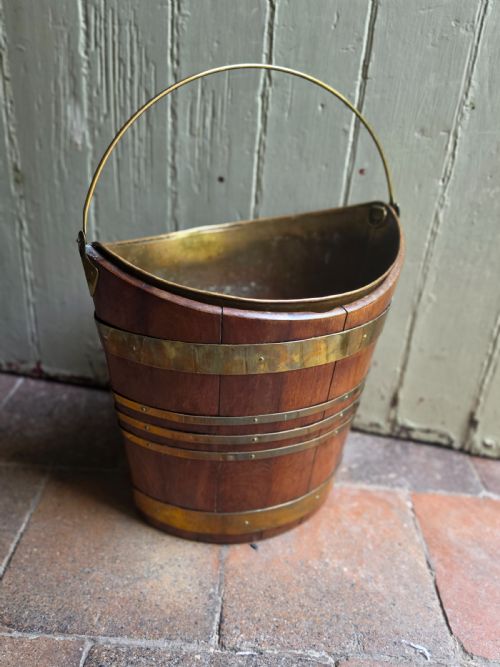
You will most frequently encounter heavy brass pails, coal scuttles, and wine coolers alongside timber buckets bound with brass hoops. These objects served roles from the hearthside to the dining room.
The selection ranges from large Victorian pails to George III mahogany plate buckets fitted with brass bands and handles. Each form reflects the specific domestic tasks of its period.
How they were made
Makers utilised sheet brass, copper, and tinplate, often shaping the metal through beating and joining over iron or wooden internal structures. Brass bindings on wooden vessels required precise smithing to fit the staves of mahogany, walnut, or ebony.
Handles and swing bail attachments typically involved wrought iron or cast brass elements secured with rivets. Surfaces were polished or left with the textured marks of the hammer and anvil.
Antique Brass Pail Retail Price Guide 2026
Typical asking prices for brass pail among the pieces listed under this phrase on Sellingantiques today, from the lower quarter to the upper quarter. They describe what is for sale here now, not the wider market.
Listings feature vessels spanning the Georgian, Victorian, and Edwardian periods, constructed from brass, copper, mahogany, walnut, and wrought iron.
What varies in quality
Quality rests in the weight of the metal and the integrity of the joinery rather than surface shine alone. Heavier gauge brass and thick timber staves indicate robust original construction designed for heavy use.
Subtlety in the dovetailing of wooden buckets and the hand-finished shaping of brass rims distinguish superior examples from simpler utilitarian wares. The crispness of turning on wooden bodies and the finish of the interior linings mark the work of better workshops.
The Antique Brass Pail Glossary
- Brass band
- A strip of brass encircling a wooden bucket to hold the staves tightly together. These bands are often secured with small brass pins.
- Plate bucket
- A deep cylindrical wooden bucket fitted with internal vertical dividers to hold ceramic plates safely. They date primarily from the Georgian period.
- Coal scuttle
- A metal container designed for holding coal by the hearth, featuring a hinged handle and sometimes a sloping chute for pouring. Victorian examples often display embossed or polished brass surfaces.
- Stave
- One of the narrow vertical strips of wood fitted together to form the circular body of a bucket or wine cooler. Mahogany and walnut are common woods for these sections.
- Bail handle
- A curved metal handle attached to opposite sides of a pail or bucket for lifting. They are commonly forged from iron or cast in brass.
Antique Brass Pail: Frequently Asked Questions
What was an antique brass pail used for?
These vessels served practical functions around the house, including carrying water, holding coal for fires, or storing logs.
Finer versions made of mahogany with brass bands were used in dining rooms to chill wine or transport clean plates between courses.
How do I date an antique brass pail?
Dating relies on examining the materials, construction methods, and stylistic cues of the period. Georgian pieces often feature rich mahogany staves with fine dovetail work, while Victorian items tend to utilise heavier spun or beaten brass.
Looking at the construction of the handle mounts and the type of fixings used on the metal bands also helps establish the era of manufacture.
Are these pails watertight?
Many surviving wooden buckets and brass pails have dried out over the centuries, meaning the timber staves may no longer hold water reliably.
If you plan to use one for fresh flowers or plants, placing a modern waterproof liner inside protects the historic wood and metal from moisture damage.
How should I clean an antique brass pail?
Maintenance generally requires only a soft cloth to remove dust and preserve the existing patina built up over generations. Avoid harsh metal polishes that strip away age and alter the character of the brass.