

Antique Brass Oil Light
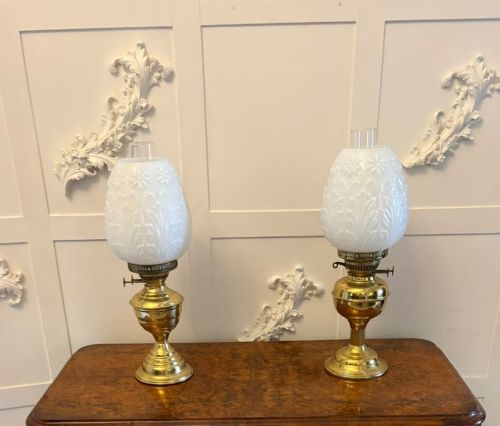
When you want an antique brass oil light, you are choosing a heavy metal standard, table or student form designed to burn paraffin with steady brilliance.
Antique Brass Oil Light
An antique brass oil light is a domestic or utilitarian lighting fixture engineered to burn liquid fuel through a wick. The pieces available span the Victorian and Edwardian eras, alongside items from the nineteenth and early twentieth centuries.
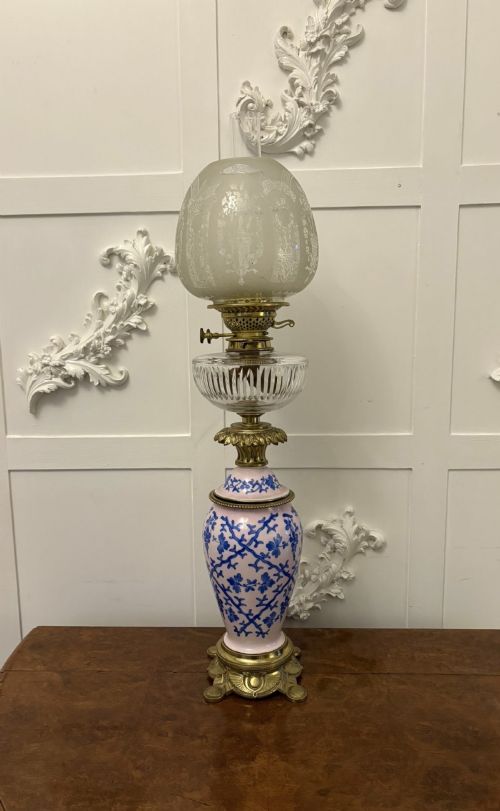
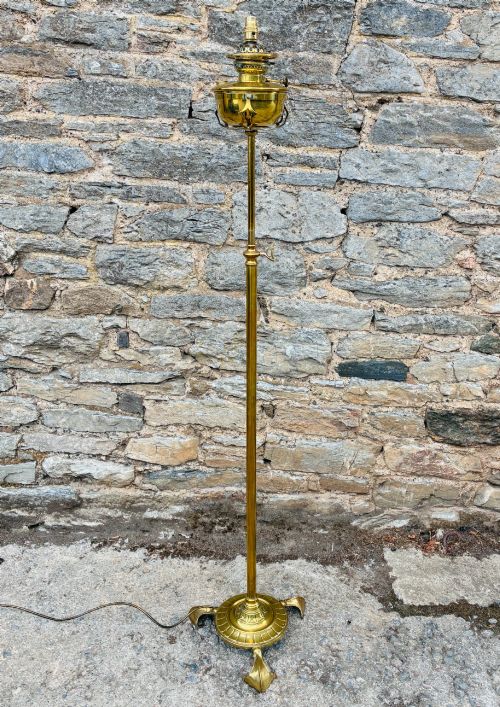
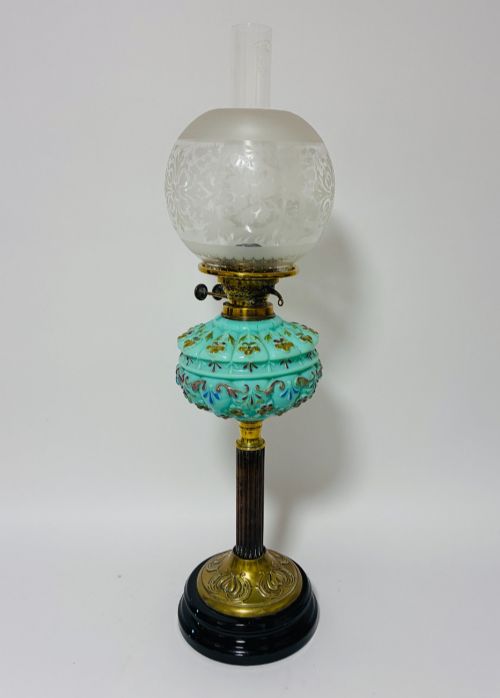
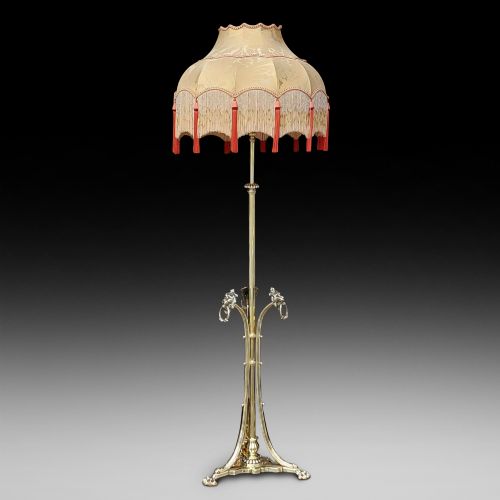
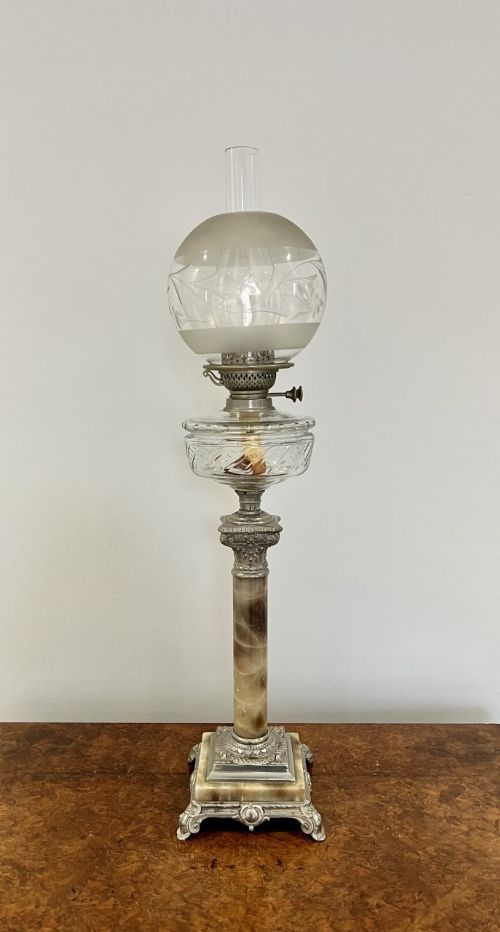
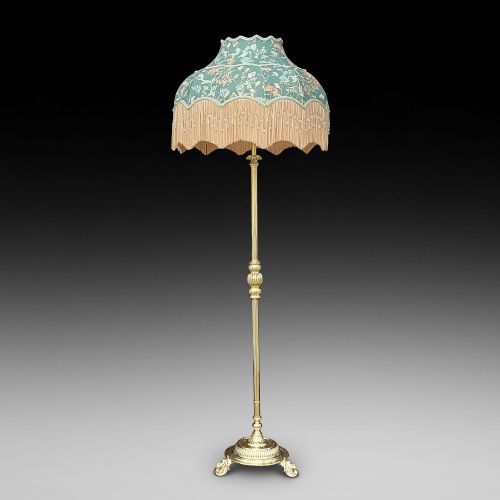
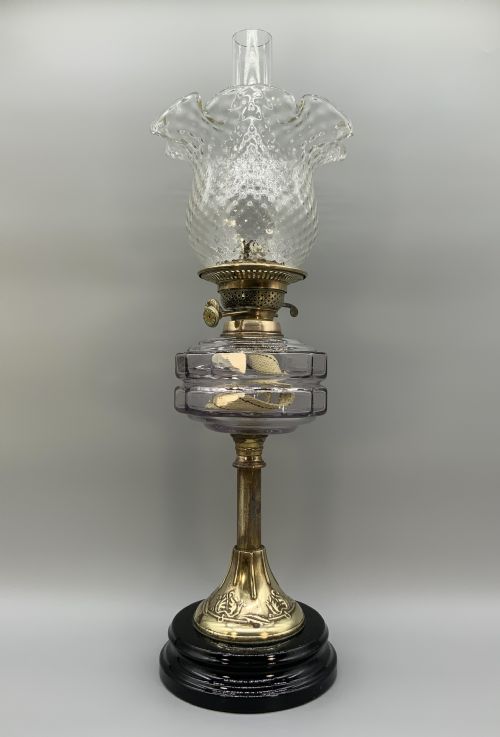
Most examples you encounter on this page take the form of table lamps, telescopic floor standards, or student lamps with adjustable arms. Materials paired with the brass commonly include coloured glass, ceramic, opaline glass and porcelain.
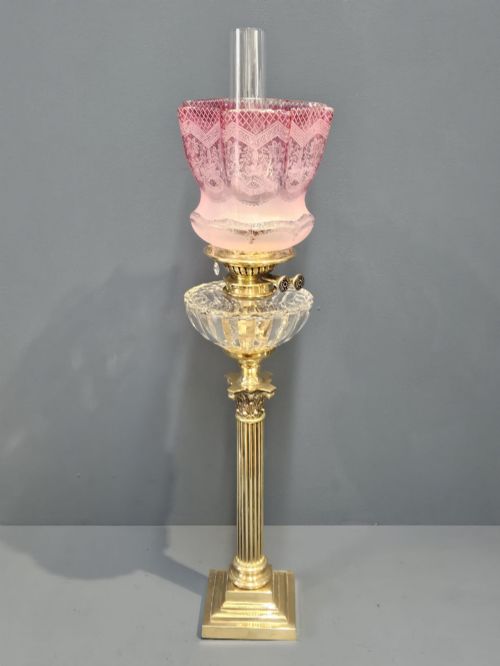
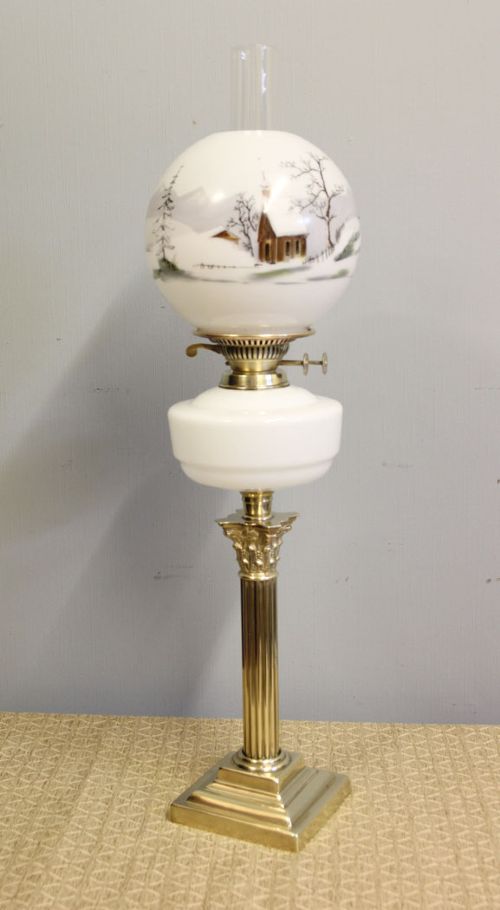
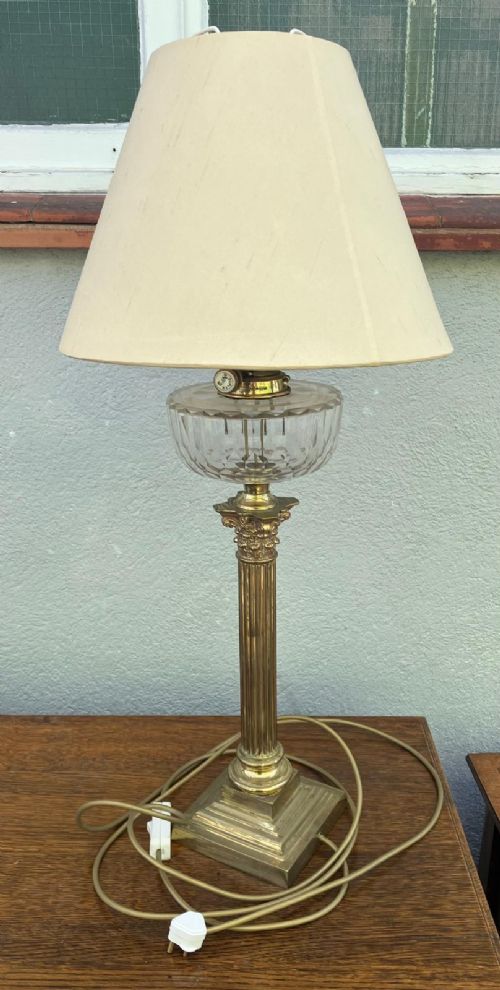
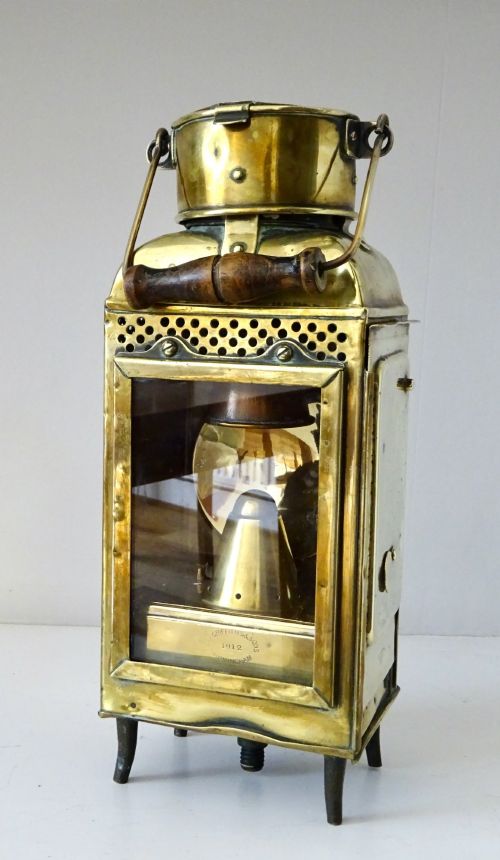
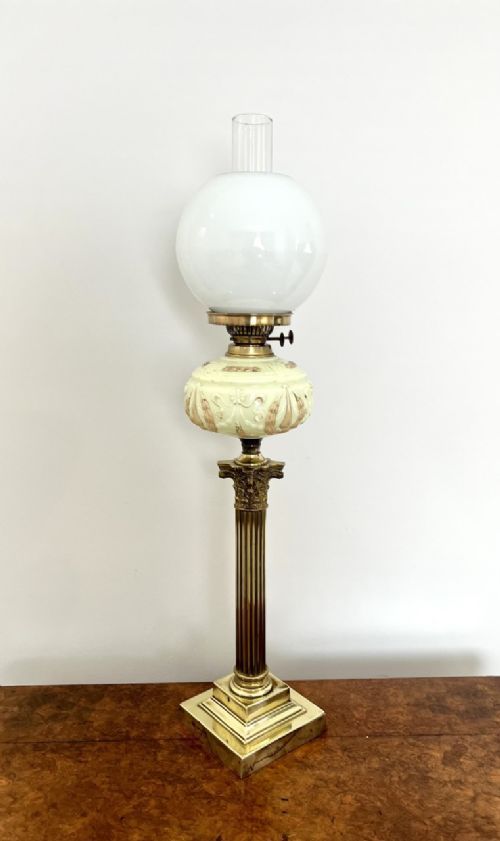
Makers such as Hinks of Birmingham and Eli Griffiths & Sons produced robust models featuring double burners and Corinthian columns. Alongside domestic lighting, the selection includes maritime lanterns and railway inspector hand lamps.
How they were made
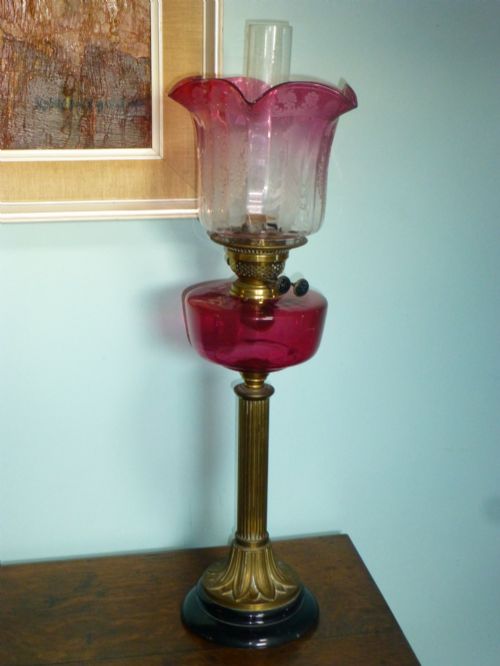
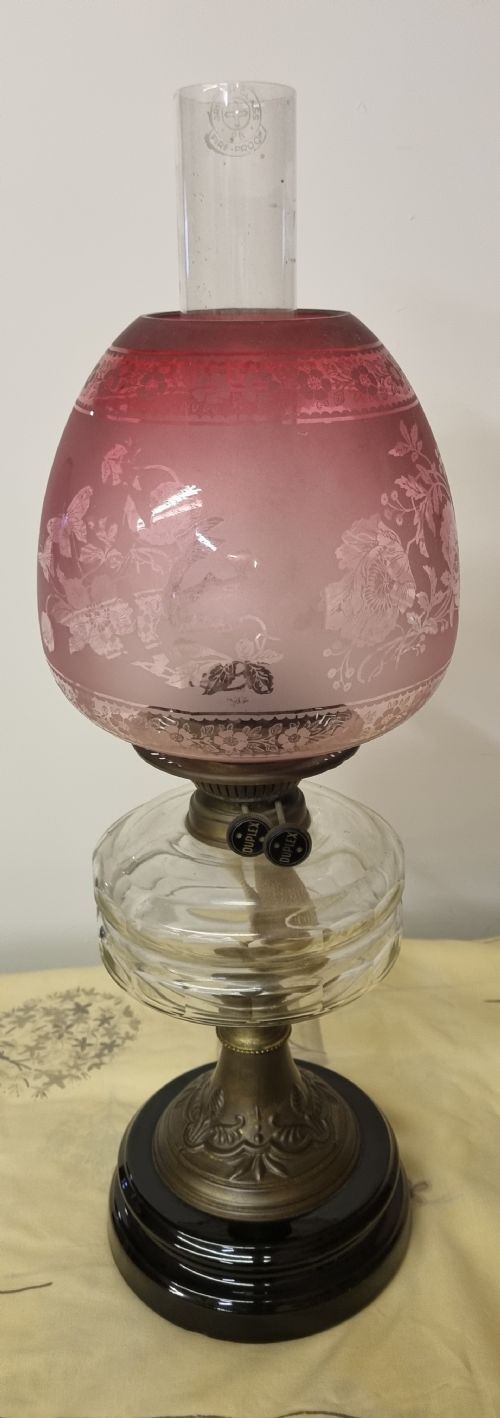
Makers shaped the structural components from cast and spun brass, forming classical columns, stepped bases, and telescopic standards. Reservoirs and shades were frequently fashioned from hand-blown glass, including cranberry and opaline varieties, or decorated porcelain and ceramic.
Mechanisms involved precision brass collars, adjustable stems, and specialised duplex burners designed to feed fuel efficiently to the wick. Metal components were often polished, gilded, or combined with copper and bronze elements.
An inspector carried a tri-colour lens railway hand lantern to signal tracks before the luxury of electric pocket torches.
What varies in quality
The distinction between ordinary production and superior work rests on the weight of the brass castings and the crispness of architectural details like Corinthian capitals. Heavy gauge metal and stable extending mechanisms indicate higher grade manufacturing.
Artistic execution of the associated glass and ceramic elements separates standard items from exceptional pieces. Hand-painted fonts, layered cranberry glass shades, and signed burner mechanisms by makers like Hinks define the upper tier.
Eli Griffiths & Sons·Alderson & Gyde Ltd·Gustave Serrurier Bovy·Hinks of B'ham·Taylor Tunnicliff
The Antique Brass Oil Light Glossary
- Duplex burner
- A double-wick burner system that produced a significantly brighter flame than single-wick predecessors. This mechanism became standard on better domestic lamps during the Victorian period.
- Font
- The reservoir container that holds the paraffin or oil beneath the burner assembly. Fonts on these pieces are frequently formed from brass, glass, or decorated porcelain.
- Ionic column
- An architectural column style featuring scrolled volutes on the capital, frequently utilised for the stems of larger table lamps. This neoclassical form added formal dignity to Victorian interiors.
- Student lamp
- A functional table lamp featuring an adjustable arm that allowed the user to direct light precisely where needed for reading or writing. These often incorporate simple metal shades and weighted brass bases.
- Lucerna
- A traditional Italian oil lamp design, often cast in brass and bronze with multiple spouts and hanging implements. Examples trace back through earlier centuries of oil-burning technology.
Antique Brass Oil Light: Frequently Asked Questions
Can I still burn oil in these lamps?
Many antique brass oil light pieces retain their original burners and fonts, though safety regulations and modern preferences mean a large portion have been converted to electricity for everyday domestic use.
If you intend to burn paraffin, inspect the interior reservoir for integrity and ensure the wick mechanism moves freely without obstruction.
How do I identify a telescopic standard?
Telescopic standards feature an inner brass shaft that raises or lowers the overall height of the lamp, secured by a thumbscrew or collar key. This allowed nineteenth-century users to adjust the height of the light source above a table or floor.
Look for smooth extension movement and maker stamps near the adjustment collar to confirm the mechanism's origin.
What is a Corinthian column lamp?
A Corinthian column lamp utilises the ornate, leaf-carved capital of the classical architectural order as the decorative collar supporting the fuel reservoir. These tall brass standards were popular in wealthy Victorian and Edwardian drawing rooms.
The fluted shaft and heavy stepped base provide both structural stability and an imposing neoclassical appearance.
How should I clean brass and glass parts?
Careful dusting with a soft cloth preserves the aged patina on brass surfaces, avoiding harsh abrasive metal polishes that strip historical character. Glass shades and cranberry fonts can be washed gently in warm soapy water.
Take care around hand-painted decoration or gilt highlights on porcelain and glass components during cleaning.