
Antique Brass Mounts
When you search for antique brass mounts, you are looking at functional metalwork and decorative hardware used to adorn cabinetry, furniture, and boxes across multiple periods.
Antique Brass Mounts
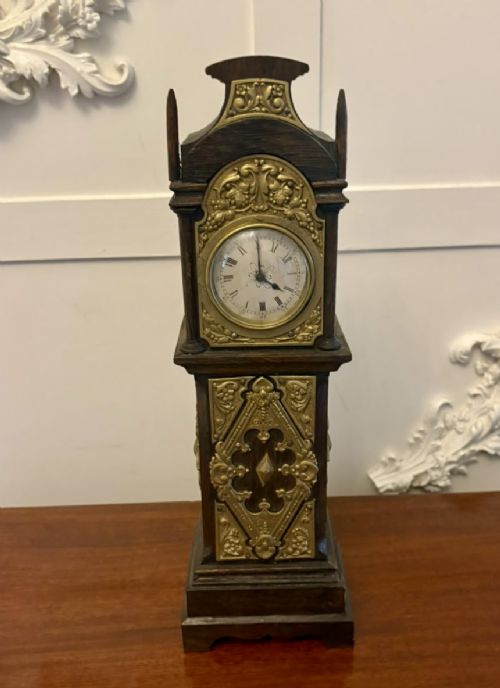
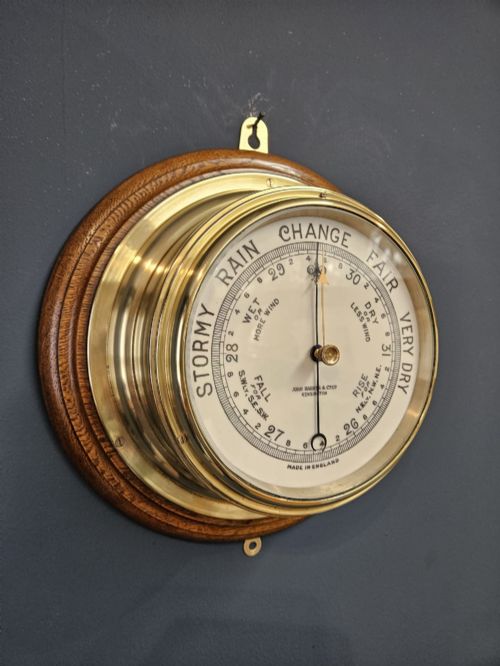
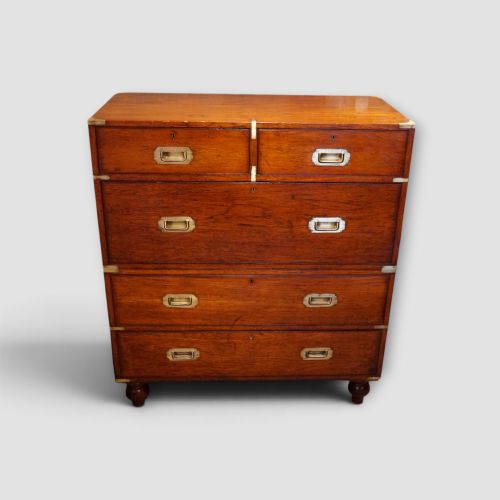
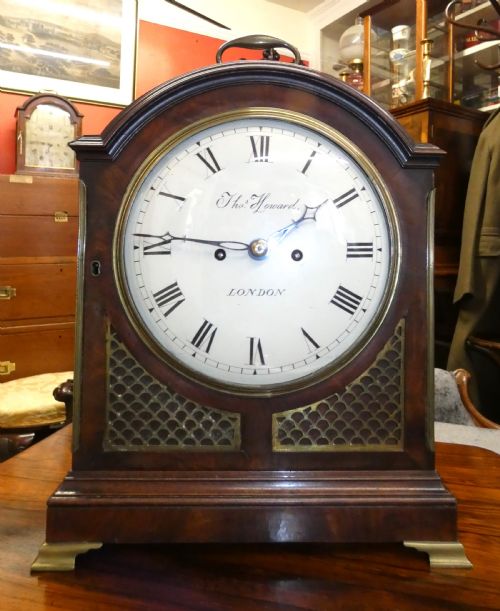
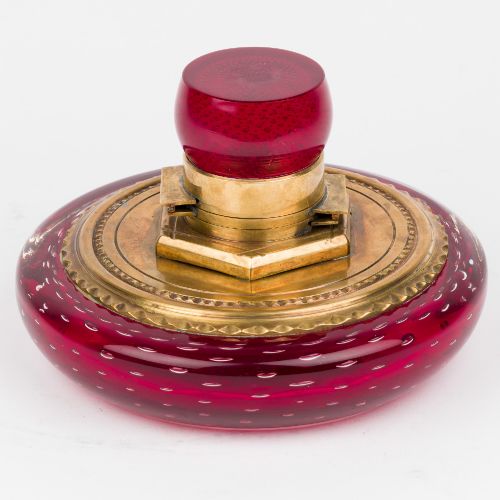
When you search for antique brass mounts, you encounter everything from structural corner brackets and campaign chest corners to decorative ormolu appliques, escutcheons, and hinges. These pieces span the eighteenth, nineteenth, and early twentieth centuries, appearing on furniture, clocks, and smaller desk accessories.
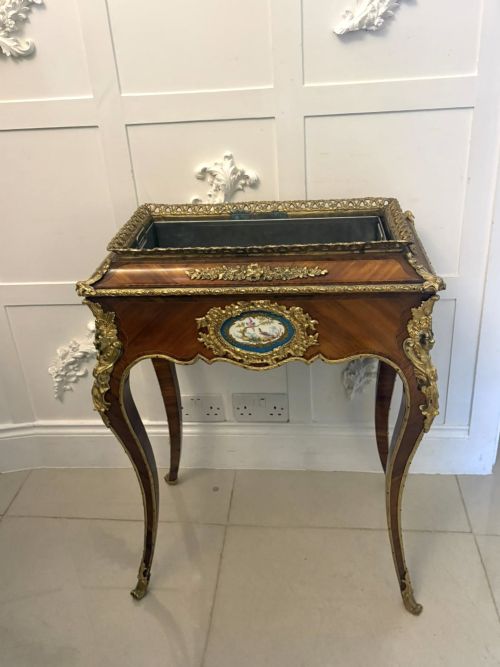
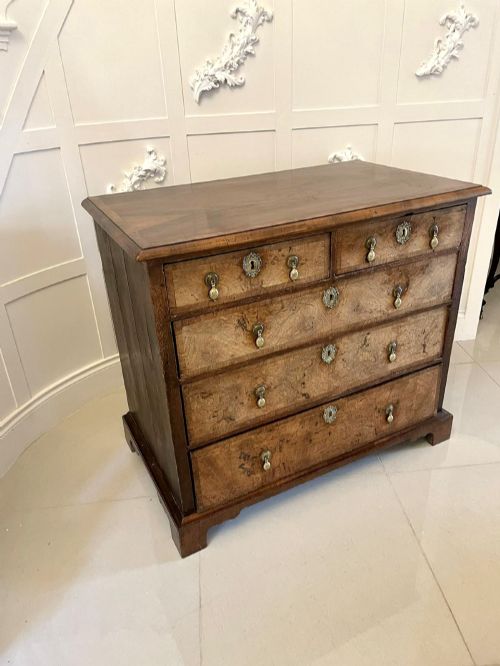
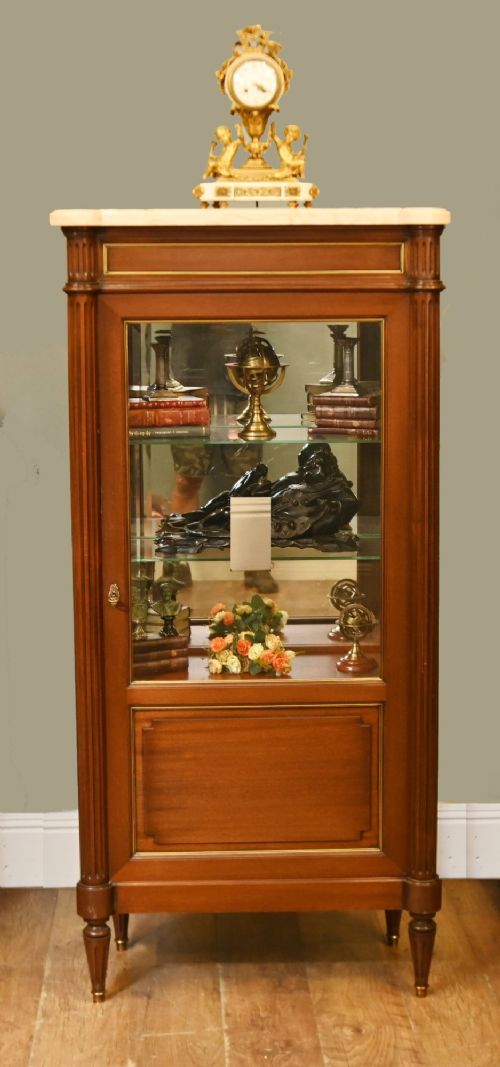
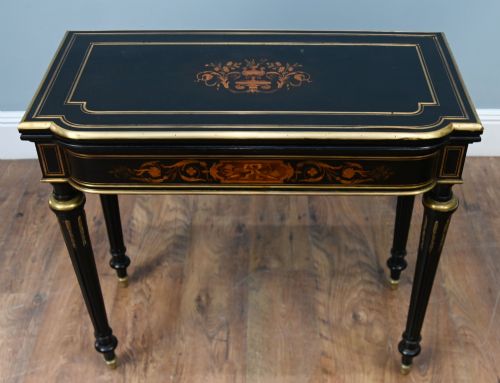
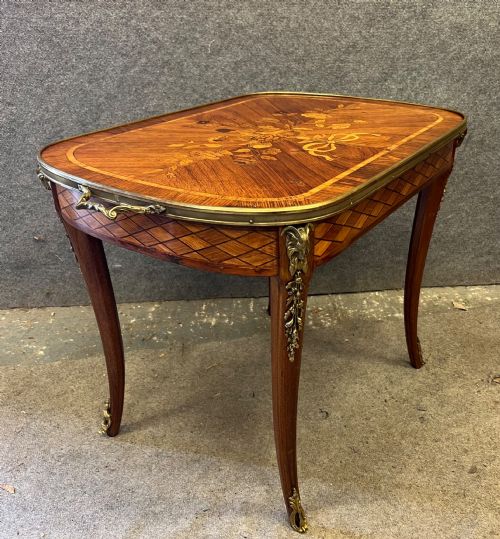
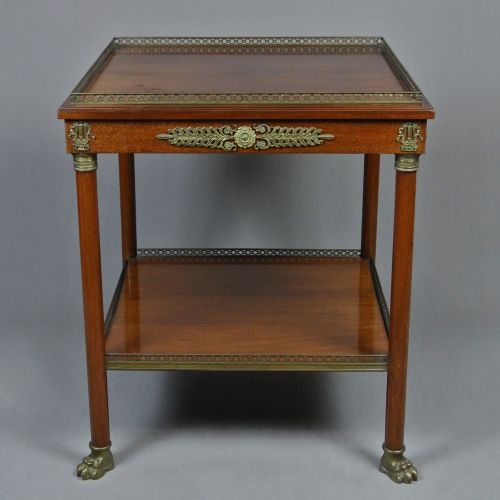
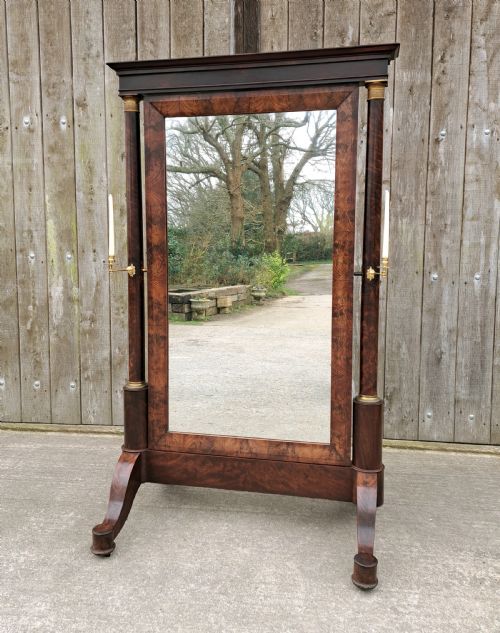
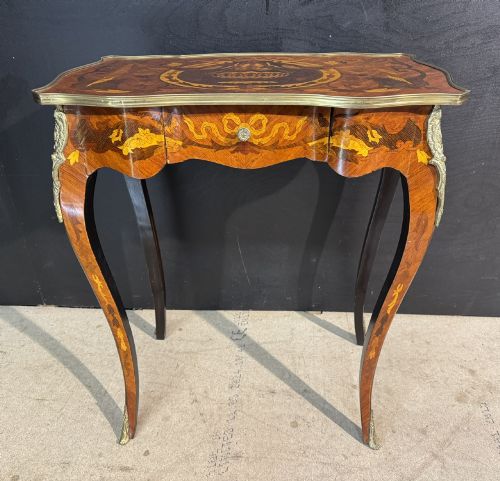
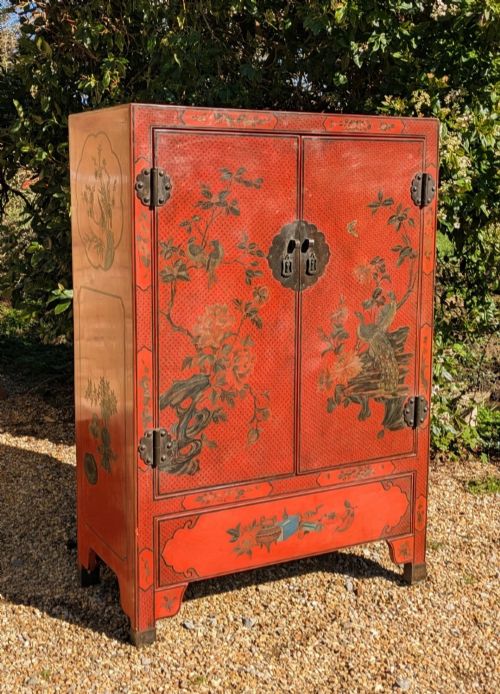
The items listed on this page range from French Louis XV style cabinets and English Regency consoles to campaign writing slopes and strong boxes, reflecting domestic and international cabinetmaking traditions.
How they were made
Makers utilised cast and chased brass, often fire-gilded to create ormolu, alongside sheet brass shaped for protective corners and straps on travel furniture. These metal elements were fastened to woods such as mahogany, walnut, kingwood, and oak using hand-cut brass screws.
Techniques combined metal founding with precision cabinetmaking, integrating mounts flush into timber surfaces or setting them above marquetry and parquetry panels.
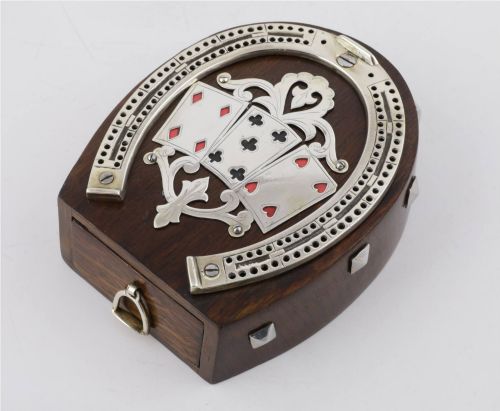
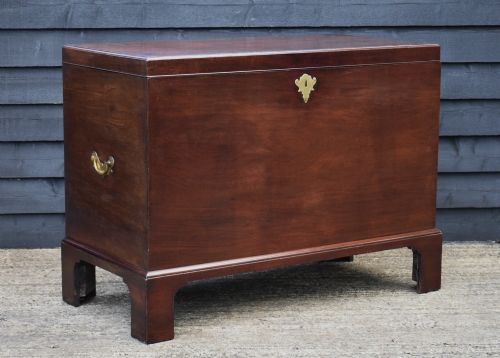
The inventory includes desk accessories, display cabinets, side tables, and travel chests fitted with original metalwork.
What varies in quality
The distinction between ordinary and exceptional pieces lies in the crispness of the casting and the depth of the hand-chasing on the brass itself. Superior mounts show sharp detail in foliage or figures, whereas lower grades appear soft and generalized.
Integration into the host object also dictates the tier of the piece, with finer examples demonstrating meticulous inletting where the brass sits level with the surrounding timber or veneer.
James Shoolbred·Poix Blin·Maison Millet
The Antique Brass Mounts Glossary
- Ormolu
- Gilded bronze or brass applied to furniture as decorative mounts. This technique was widely used in French and English cabinetmaking during the eighteenth and nineteenth centuries.
- Escutcheon
- A protective plate surrounding a keyhole. It is often made of brass to prevent the wood from wearing down around the lock.
- Campaign furniture
- Portable pieces made for military officers, typically reinforced with brass corners, straps, and recessed handles for travel. These items dismantle or fold for easy transport.
- Marquetry
- The art of applying pieces of veneer to a structure to form decorative patterns. Brass mounts often complement these detailed wood designs.
- Boulle work
- A type of marquetry using tortoiseshell and brass inlaid in scrollwork patterns. It was popular on nineteenth-century French clocks and cabinets.
Antique Brass Mounts: Frequently Asked Questions
What are antique brass mounts?
Antique brass mounts are metal fittings applied to furniture, boxes, and clocks for structural reinforcement or decoration. They include corners, handles, escutcheons, and cast appliques.
These pieces range from utilitarian campaign chest brackets to elaborate French ormolu decorations found on cabinets and side tables.
How do I care for brass mounts?
Maintain brass mounts by dusting them gently with a dry, soft cloth to prevent the accumulation of dirt in the crevices. Avoid aggressive commercial metal polishes that can strip original patination or damage adjacent wood.
Keep the items away from excessive moisture and direct sunlight to preserve both the metal surface and the timber or veneer it adorns.
Were brass mounts always made of brass?
While the term specifies brass, makers also utilised related copper alloys, gilt bronze, and ormolu depending on the workshop and the intended finish. Some high-end French pieces use gilded bronze rather than standard brass.
Silver plate and other metals occasionally appear on specific items like railway fixtures, but brass remains the dominant material across the historical record.
How can I tell the period of a mount?
Dating relies on the surrounding object's style, construction techniques, and the fastening methods used on the metal. Hand-cut screws and specific design motifs like Louis XV curves or Victorian mass-produced castings offer clear chronological clues.
Comparing the wear on the brass with the wear on the wood helps confirm whether the mounts are original to the piece.