

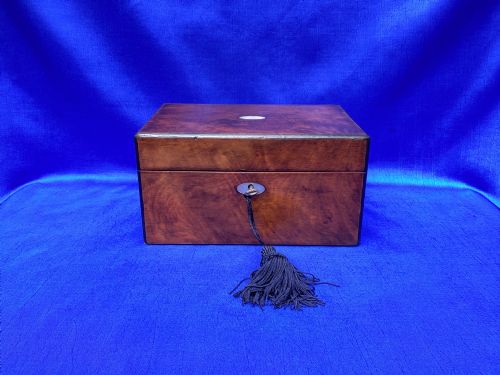
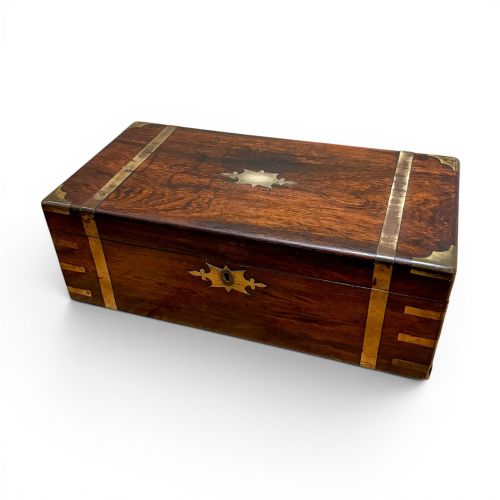
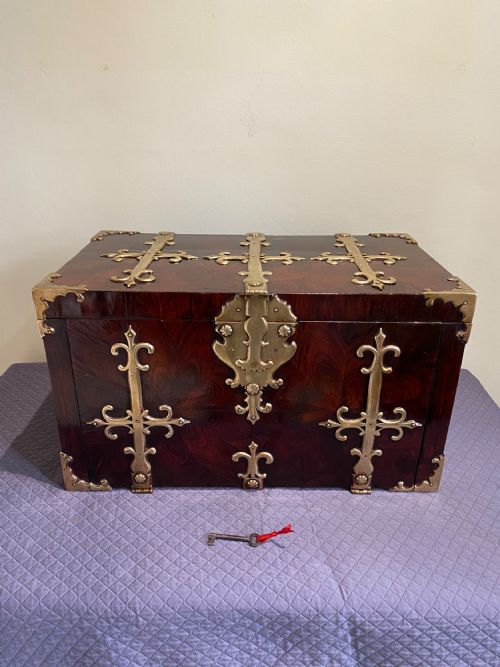


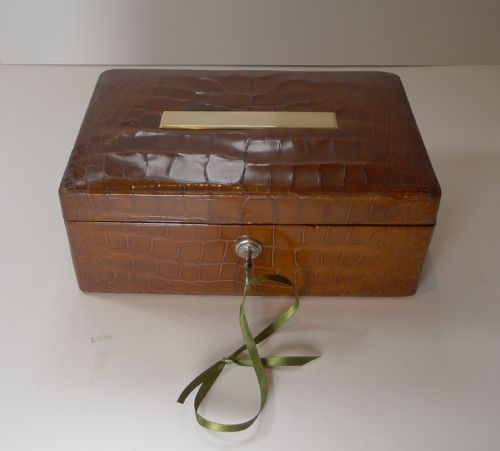
Antique Brass Keyed Box
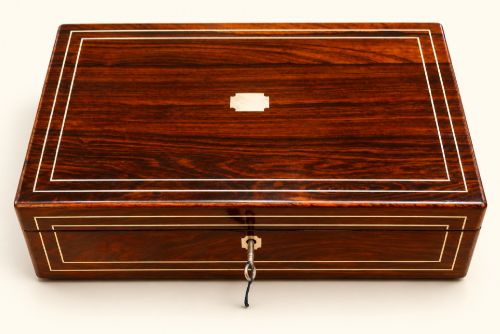
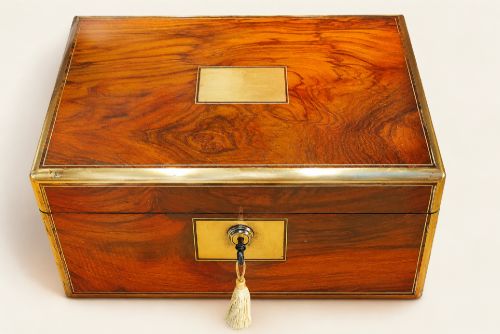
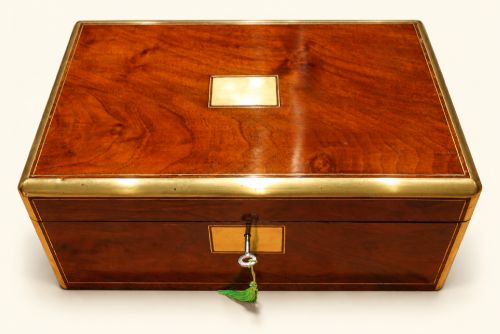
An antique brass keyed box brings together solid timber and secure metalwork, offering a practical compartment for your valuables.
Antique Brass Keyed Box
When you search for an antique brass keyed box, you encounter a wide variety of fitted containers designed for letter storage, writing, or safekeeping. These items span periods from the seventeenth century through the Victorian and Edwardian eras, reflecting domestic and travel needs of past households.
Originating in workshops across England and continental Europe, these pieces range from portable campaign desks to sturdy household safes and letter boxes. Each variant demonstrates the craftsmanship of its period, utilising durable materials intended for daily use.
Materials and construction
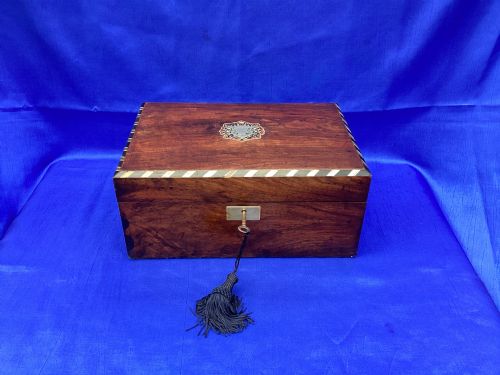
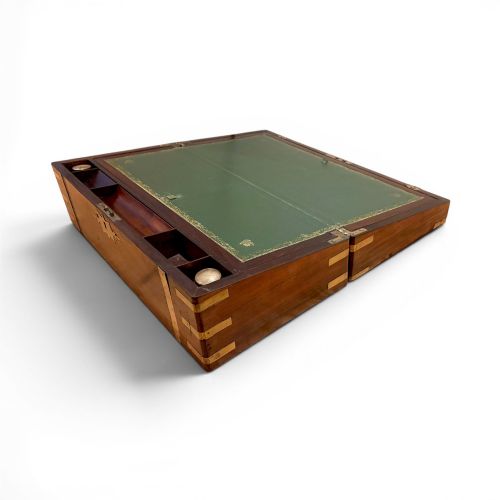
Construction relies heavily on dense hardwoods such as mahogany, walnut, oak, and camphor wood, often reinforced with brass corners, straps, and escutcheons. These metals provide structural durability while protecting vulnerable edges from wear during travel.
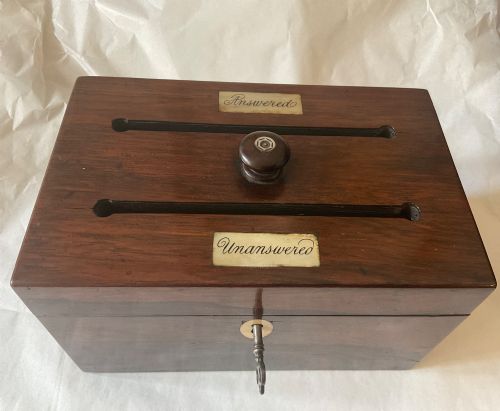
Interior fittings frequently feature secondary woods, leather linings, and compartments designed for specific purposes like writing or storing cutlery. Locks by makers such as Bramah secure the lids and drawers, pairing mechanical precision with external timber work.
Antique Brass Keyed Box Retail Price Guide 2026
Typical asking prices for brass keyed box among the pieces listed under this phrase on Sellingantiques today, from the lower quarter to the upper quarter. They describe what is for sale here now, not the wider market.
Listings feature items spanning the seventeenth century through the Victorian and Edwardian eras, constructed from mahogany, walnut, oak, and camphor wood.
Variations in quality
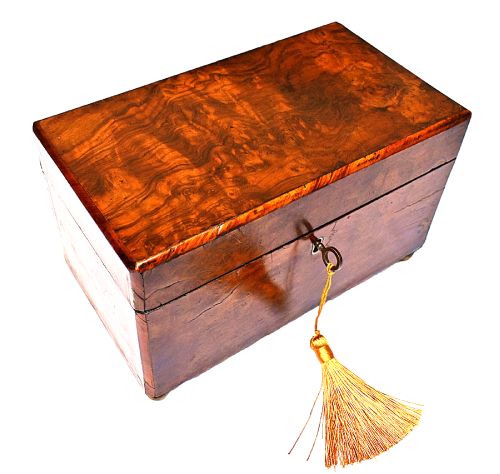
The standard of an antique brass keyed box depends on the selection of timber veneers, the precision of the brass inlay, and the complexity of the interior mechanism. Elaborate grain patterns in burr walnut or kingwood indicate higher craftsmanship than plain utility woods.
Functional integrity distinguishes finer examples, particularly the smooth operation of secret drawers, working locks with original keys, and tightly fitted lids. Superior pieces retain their original hardware and internal linings without excessive replacement parts.
Milners of Liverpool·Walker and Hall·Drocourt·George Price
The Antique Brass Keyed Box Glossary
- Writing slope
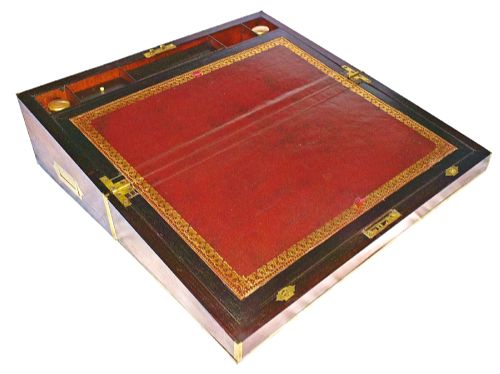
- A portable desk box featuring a hinged lid that opens to form an angled writing surface. These often conceal inkwells, pen trays, and secret drawers beneath the writing plane.
- Tea caddy
- A small container built to store tea leaves, frequently divided into internal canisters or compartments. Examples often include a fitted glass or metal sugar dish.
- Campaign box
- Portable furniture and storage designed for travel and military use, typically fitted with recessed brass handles and corner brackets to withstand rough transit.
- Bramah lock
- A high-security barrel lock patented in the late eighteenth century, known for intricate cylindrical keys and complex internal mechanisms.
- Tantalus
- A locking beverage cabinet that holds decanters visible behind a wooden and brass framework, preventing access without a key.
Antique Brass Keyed Box: Frequently Asked Questions
What were writing slopes used for?
Writing slopes served as portable desks for correspondence, holding paper, inkwells, and pens within a compartmented interior.
When opened, the sloping lid created a firm writing surface for use while travelling or in rooms lacking a full-sized desk.
How do I identify a campaign box?
Campaign boxes feature flush-fitting brass handles, reinforced corners, and robust timbers like camphor wood designed for military transport.
These elements protected the box during long journeys and allowed multiple chests to stack securely.
Are the locks still functional?
Many boxes retain working locks and original keys, particularly those fitted with high-security mechanisms like Bramah designs.
Functionality varies by individual piece, so checking specific listing details confirms whether a key operates the lock.
What timbers are most common?
Mahogany and walnut appear frequently, often selected for their stability and rich grain patterns in nineteenth-century furniture.
Other examples utilise oak, rosewood, or exotic veneers like kingwood and tortoise shell depending on the period and style.