



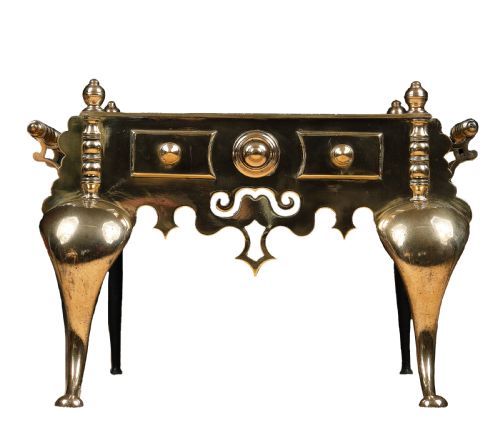


Antique Brass Kettle Trivet
An antique brass kettle trivet brings solid hearth-side utility and bright metal warmth to a fireside setting.
Antique Brass Kettle Trivet
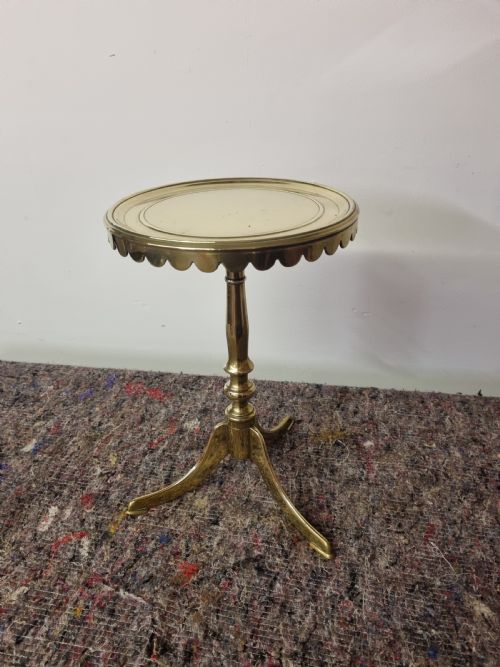
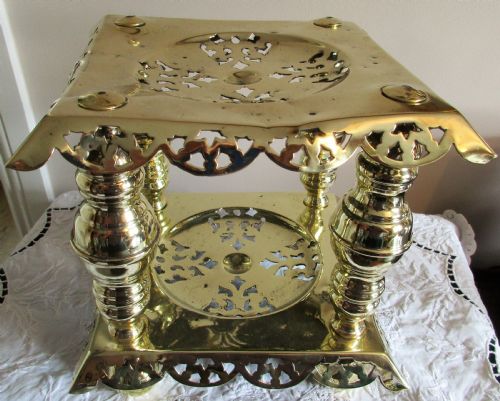
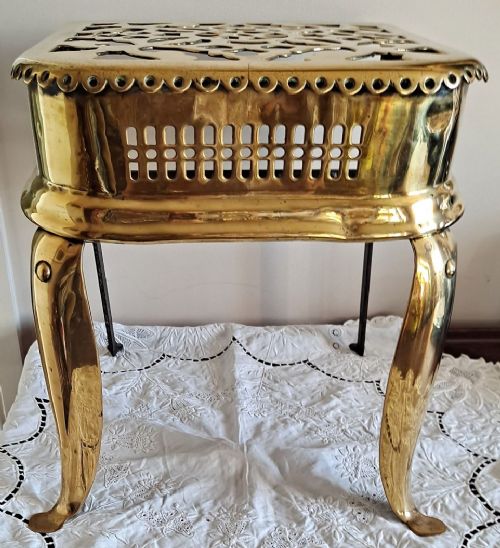
When you search for an antique brass kettle trivet, you are looking at practical hearth accessories designed to hold kettles, plates, or pots near the warmth of an open fire. These pieces take various forms including footmen, two-tier stands, and traditional Dutch pear shapes.
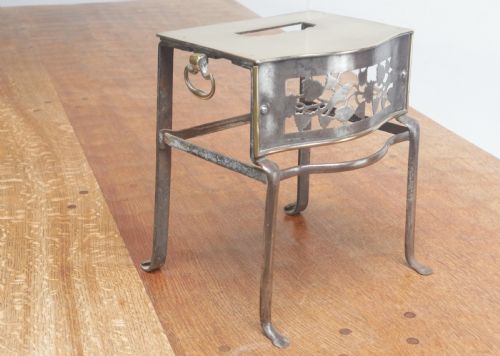
The versions you are most likely to meet on this page date from the eighteenth and nineteenth centuries, spanning the Georgian, Regency, and Victorian periods. They combine functional cast or sheet brass tops with sturdy iron or steel legs built to withstand regular use on the hearth.
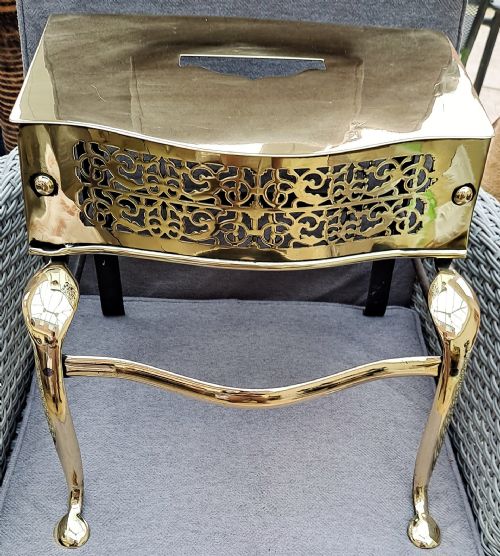
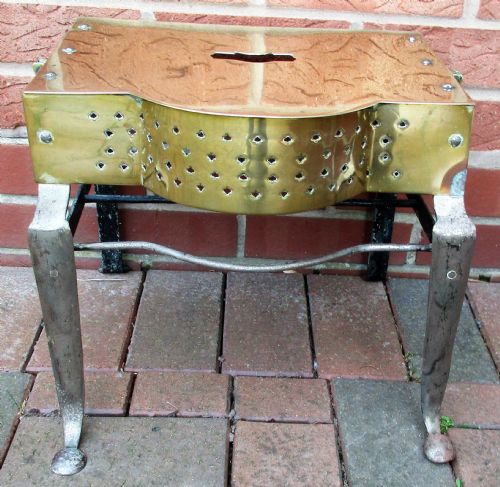
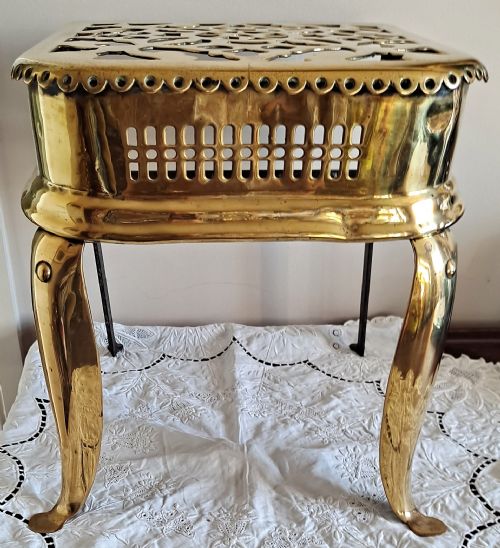
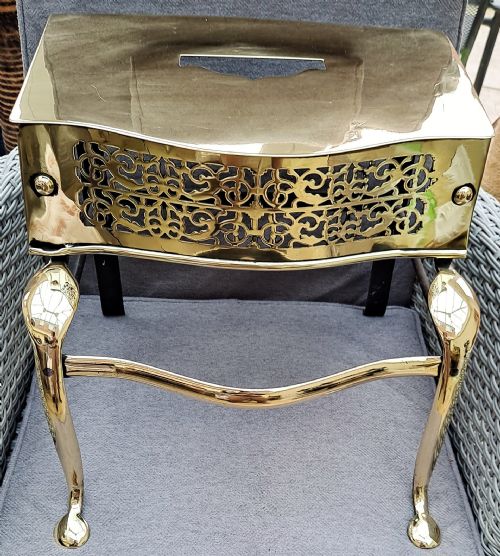
Many examples double as footmen or plate warmers, featuring pierced tops and sturdy handles for moving them about the fireplace. Originating largely from English and Welsh workshops, they reflect the domestic metalwork traditions of the period.
Distinctions in quality
Quality in these hearth stands lies in the crispness of the brass casting and the complexity of the pierced decoration on the top plate. Heavier gauge metal and neatly finished joints separate robust, high-status pieces from lighter utilitarian versions.
The integration of materials also matters, such as the secure fit between a cast brass top and its wrought iron or steel underframe. Well-defined cabriole legs and retained handle attachments elevate a piece above standard workshop output.
Listings here feature items spanning the eighteenth and nineteenth centuries, incorporating periods such as Georgian, Regency, Victorian, and Edwardian.
The Antique Brass Kettle Trivet Glossary
- Trivet
- A small three or four-legged support used to raise cooking vessels or kettles above the hearth floor. They appear in numerous forms across the Georgian and Victorian eras.
- Cabriole leg
- A curved furniture leg that bends outward and then tapers inward, found on select hearth stools. This form echoes popular furniture designs of the eighteenth century.
- Inglenook
- A large recess for a fireplace, where heavy brass warmers and stands traditionally sat. These spaces demanded durable fireside accessories made to endure intense heat.
Antique Brass Kettle Trivet: Frequently Asked Questions
What is an antique brass kettle trivet used for?
These pieces served as stable platforms near the open fire to keep kettles hot or warm food on plates. Cooks and household staff positioned them on the hearth or directly over embers.
Today, collectors use them as decorative stands, plant pedestals, or traditional fireside accents in period rooms.
How do I tell a Georgian trivet from a Victorian one?
Georgian examples often feature simpler, robust lines with hand-pierced brass tops and sturdy iron frames, sometimes including cabriole legs. George III pieces are particularly common in this category.
Victorian pieces frequently introduce more ornate detailing, two-tier designs, or standardised casting methods that reflect nineteenth-century manufacturing shifts.
Were these trivets made in specific regions?
Many surviving examples originate from English and Welsh workshops, where metalworking trades flourished near iron and brass production centres. Regional variations appear in the shaping of the legs and the patterns pierced into the brass tops.
Dutch makers also produced distinct forms, such as the pear-shaped kettle and trivet combinations recorded in nineteenth-century entries.
Can I safely clean the brass on a trivet?
Most owners gently wash the metal with warm soapy water and a soft cloth to remove soot and accumulated hearth dust without removing the aged surface. Avoid harsh chemical cleaners that strip away historical patina.
Leaving a degree of darkening on the iron components and a mellow tone on the brass helps preserve the authentic appearance of age.