

Antique Brass Desk Glass
These antique brass desk glass items combine heavy metalwork and heavy lenses or shades, bringing functional nineteenth and early twentieth century workrooms to life.
Antique Brass Desk Glass
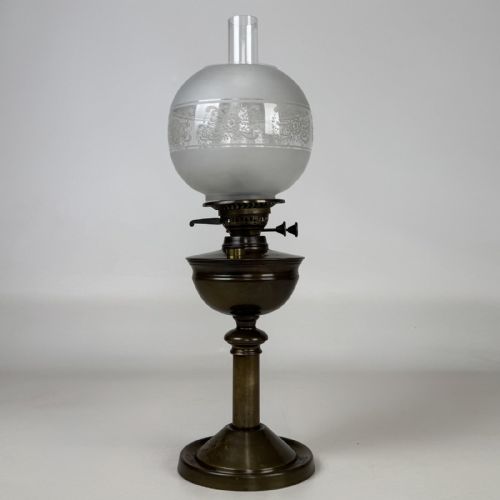
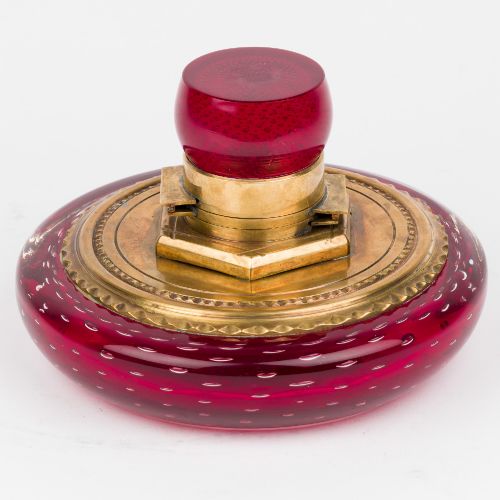
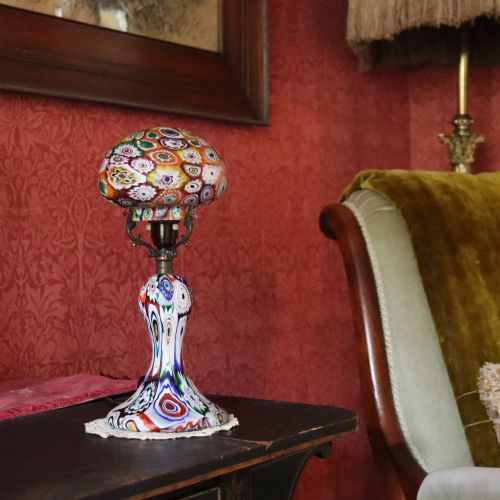
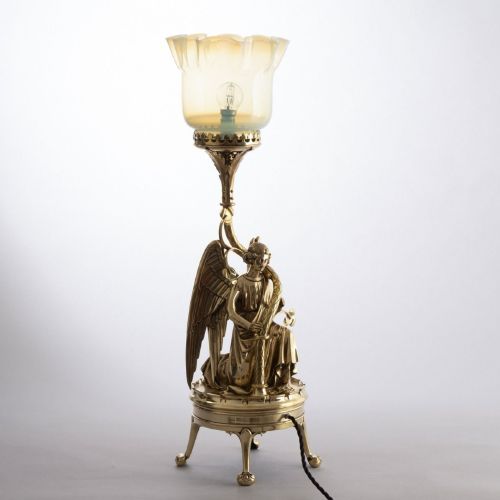
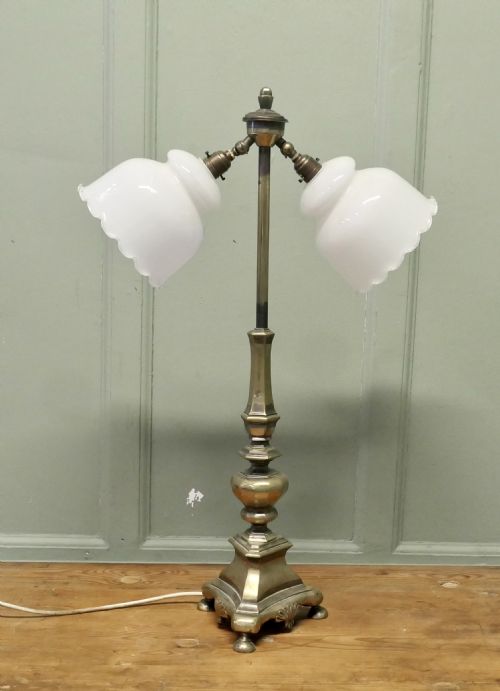
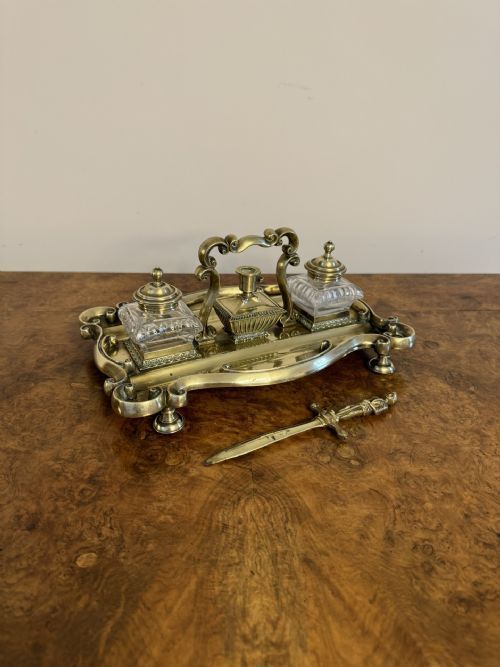
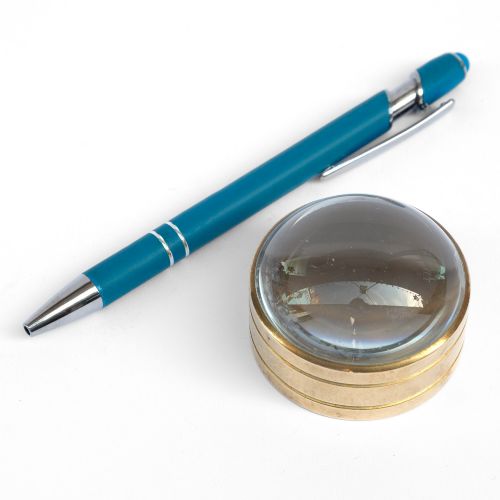
When searching for antique brass desk glass, buyers encounter a robust category of desktop items uniting cast metal frames with optical lenses, protective shades, or ink reservoirs. The selection spans utilitarian magnifiers, bankers lamps with coloured shades, and elaborate inkstands dating from the mid-nineteenth century through the Edwardian period.
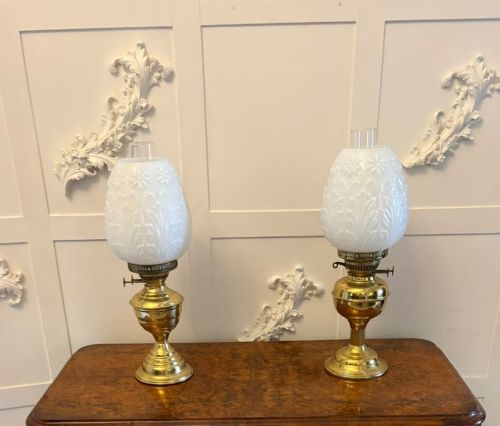
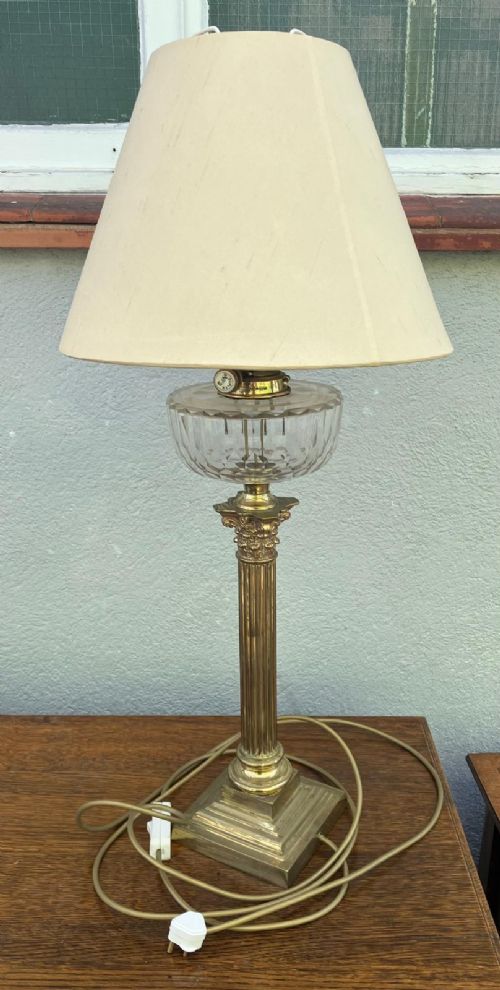
Magnifying glasses and paperweights dominate the archive records, often produced in oversized or mammoth proportions for heavy administrative use. Meanwhile, contemporary inventory leans towards adjustable desk lamps, oil lamps with opaline or crystal shades, and inkstands mounted on marble or hardwood bases.
The origins stretch across English workshops and continental makers, incorporating styles from the Georgian era to Art Deco and the Arts and Crafts movement. Collectors select these objects for their blend of everyday utility and decorative craftsmanship on a writing surface.
How They Were Made
Makers utilised heavy cast brass for the structural frames, desk lamp necks, and magnifier mounts to provide stability and durability during daily administrative tasks. This metalwork was often polished, gilt, or combined with secondary materials such as copper, coromandel, and mahogany.
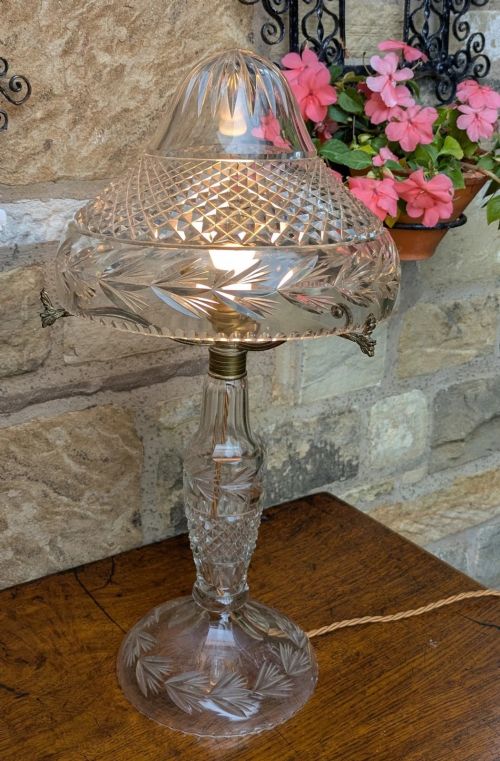
The glass components paired with these metal mounts required specialised shaping, from thick optical lenses ground for magnification to blown opaline, vaseline, and cut crystal lamp shades. Enamel and bone details occasionally supplemented the primary brass and glass construction on elaborate nineteenth-century inkstands.
Some nineteenth-century desk magnifiers were produced in gigantic proportions simply to weigh down unruly paperwork during sudden drafts.
What Varies in Quality
The standard of execution in these pieces rests upon the weight of the cast brass and the optical clarity of the glass elements. Superior examples display crisp chasing on the metal mounts, substantial material thickness, and flawless glass without bubbles or distortion.
Design complexity and maker reputation further separate basic utility items from exceptional workshop productions. Pieces retaining integrated travelling cases, mechanical rise and fall actions, or stamped patents represent the upper tier of surviving examples.
Fratelli Toso·Gaupp And Co·Short And Mason·Gustave Serrurier Bovy·Richard Winter·Maurice And Marcel Moulin Favre Bulle
The Antique Brass Desk Glass Glossary
- Standish
- An inkstand or tray fitted for holding inkwells, pens, and other writing requisites. These accessories sat centrally on a Victorian or Georgian desk.
- Opaline glass
- An opaque or translucent pale glass used extensively for nineteenth-century lamp shades. It softened the glare from oil or early electric illumination.
- Barograph
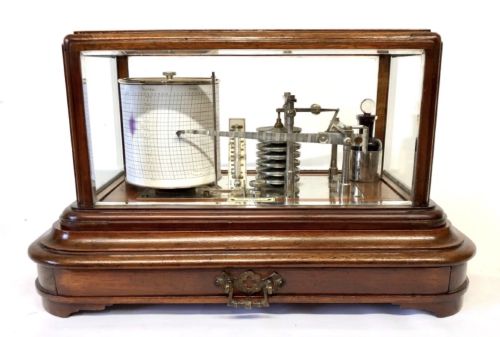
- A mechanical instrument that records barometric pressure over time on a rotating drum. They often featured brass-framed glass covers sitting upon mahogany or oak bases.
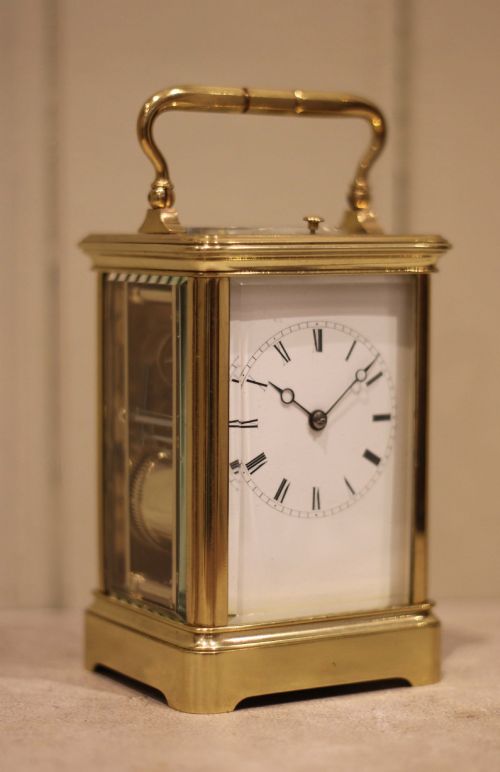
- Carriage clock
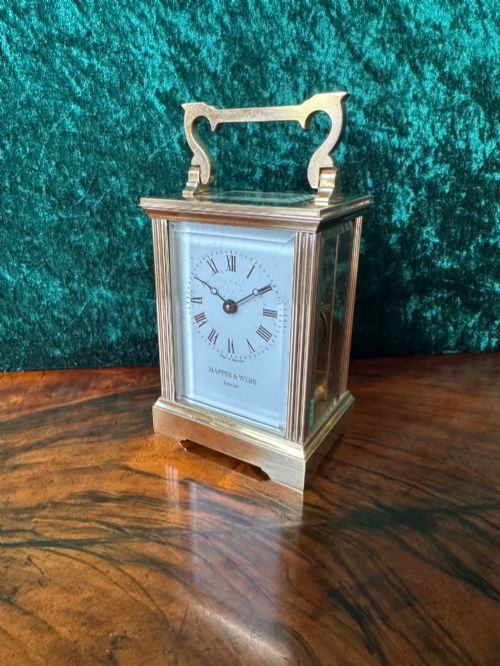
- A small, spring-driven timekeeper made for travelling during the nineteenth century. They typically incorporate glass panels within a heavy brass housing to display the escapement.
Antique Brass Desk Glass: Frequently Asked Questions
How do I clean antique brass and glass?
Use a soft, dry cloth to remove dust from the glass and metal surfaces without disturbing aged patinas. Avoid abrasive chemical cleaners that strip the original historic finish from the brass.
For stubborn grime on glass shades, remove the component from the metal frame and wash it gently in lukewarm soapy water. Ensure the piece is completely dry before reassembly.
Were desk magnifiers used for reading maps?
Oversized and mammoth brass-mounted magnifiers served administrative, cartographic, and architectural purposes on executive desks. Their heavy frames doubled as paperweights to secure large documents.
These optical tools allowed professionals to examine fine print, charts, and detailed drawings without straining their eyes under nineteenth-century lighting.
How do I date a brass desk lamp?
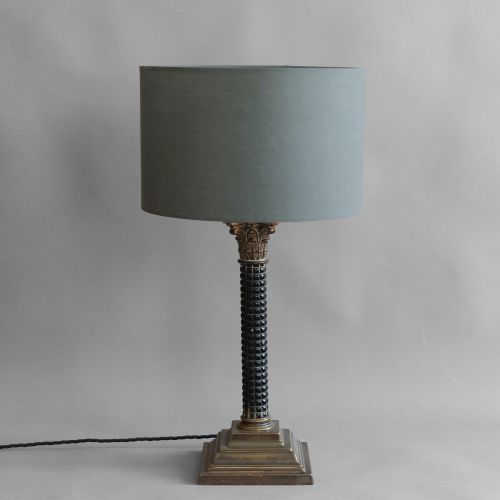
Examine the switch mechanisms, wiring channels, and shade styles to establish a chronological baseline. Victorian pieces often accommodate oil burners, while Edwardian and 1920s examples show early electric conversions or fittings.
Maker marks, patent stamps, and stylistic cues like Art Deco geometry or Neoclassical Revival columns also help narrow the production decade.
Can I use old oil lamps safely today?
Many period oil lamps have been professionally converted to electricity for modern interior use. Check the internal wiring and consult an electrician before plugging in antique lighting.
Unconverted pieces remain primarily decorative or suitable for specialist restoration by qualified conservators.