
Antique Brass Base
An antique brass base anchors lighting and furniture with enduring metal craftsmanship, offering stability and style to period interiors.
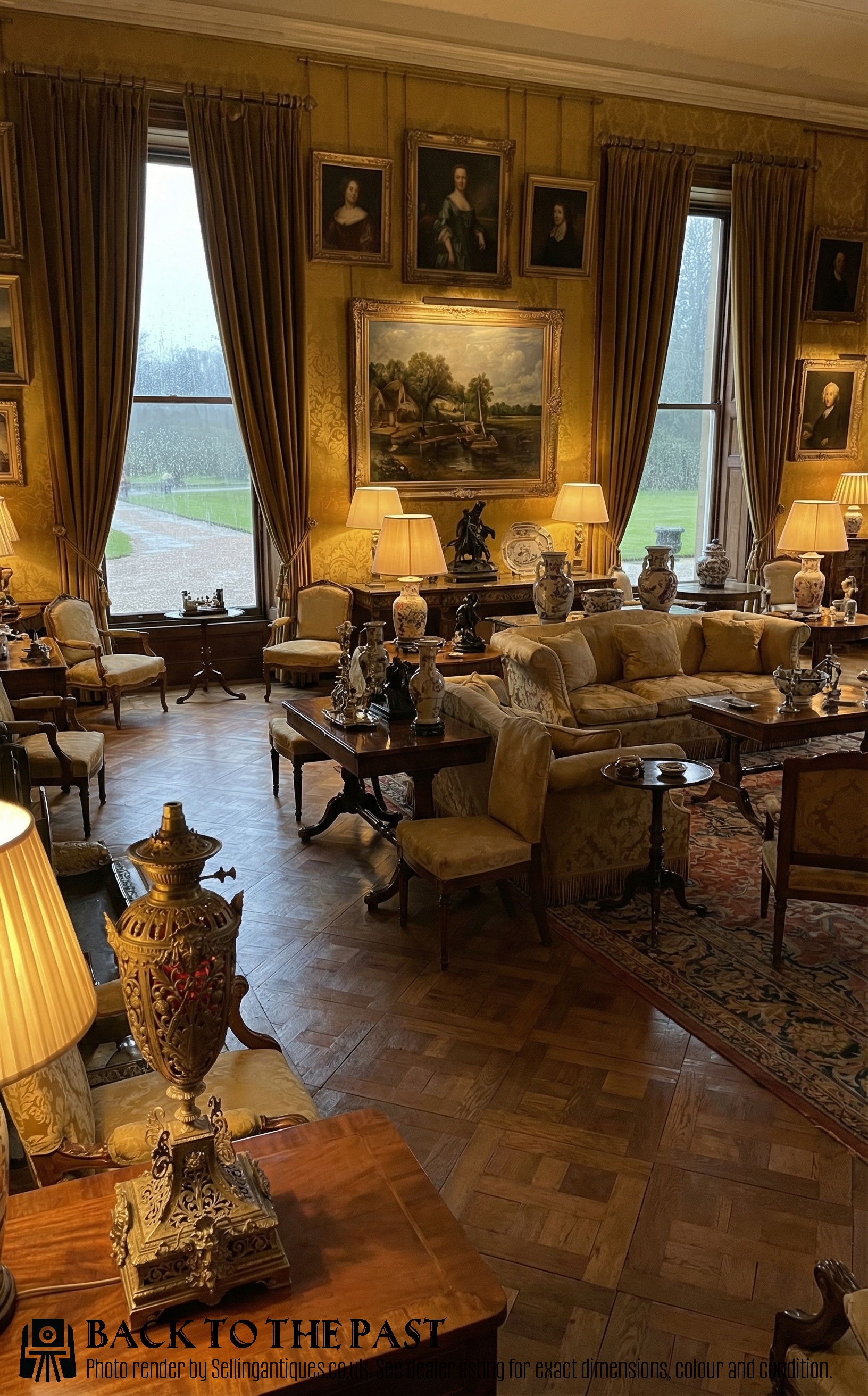
Antique Brass Base
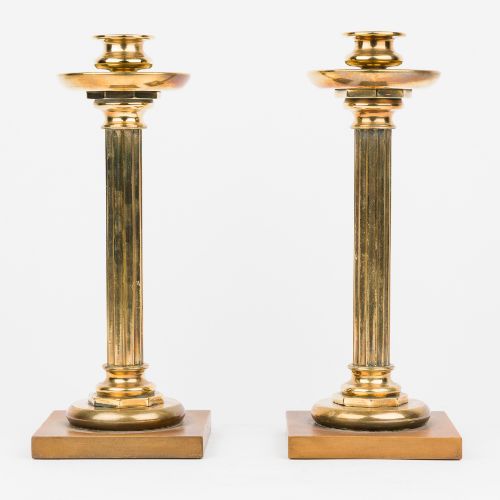
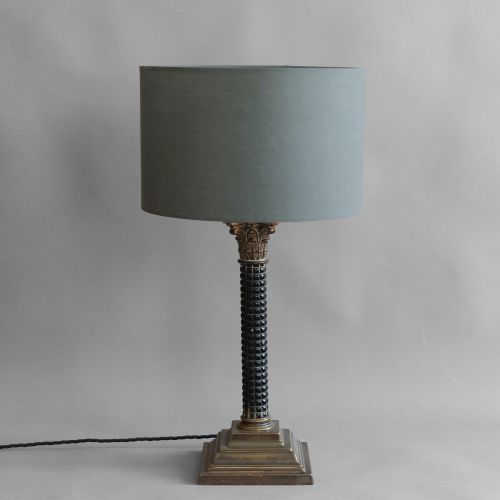
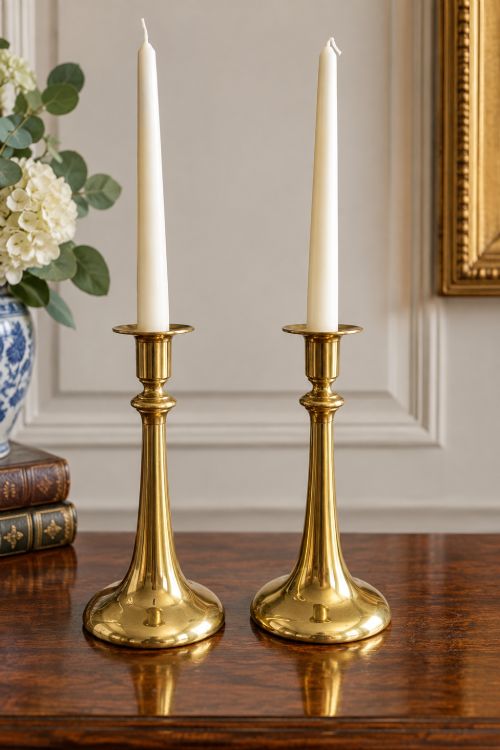
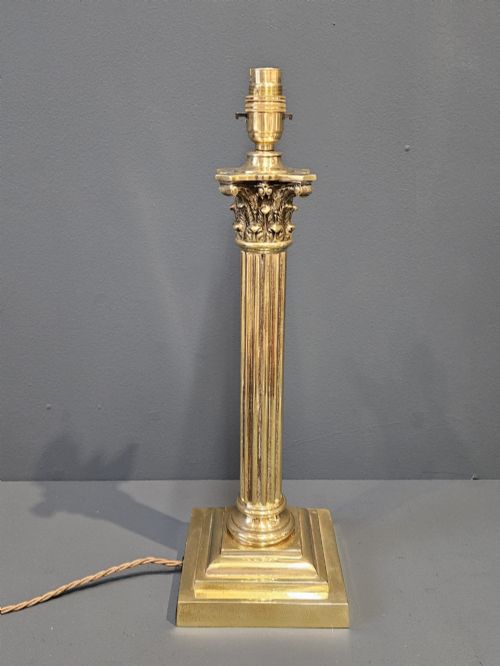
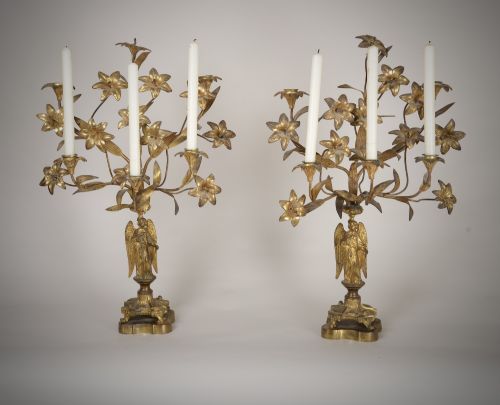
When browsing for an antique brass base, you will encounter two distinct categories of objects: functional lighting supports such as candlesticks, oil lamps, and table lamps, and structural components of furniture including cabinet feet, table pedestals, and dresser mounts.
The pieces span multiple eras, stretching from seventeenth-century metalware up through Victorian, Edwardian, and Art Deco designs. Lighting supports dominate the selection, particularly heavy cast columns and geometric pedestals intended to steady tall stems.
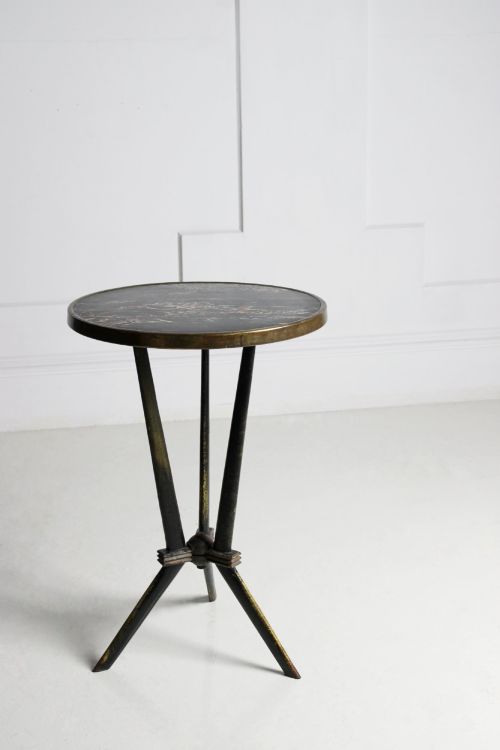
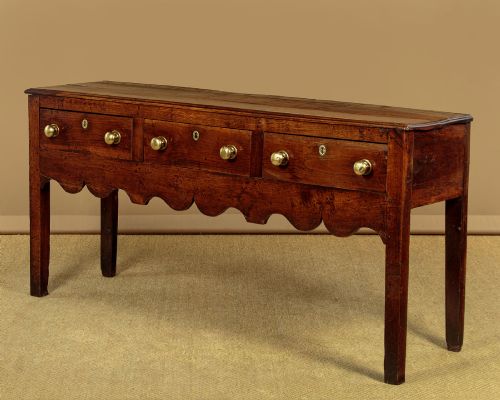
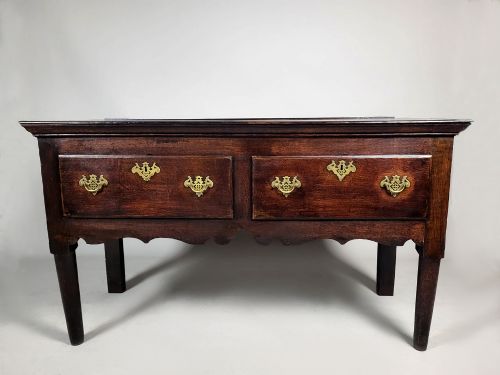
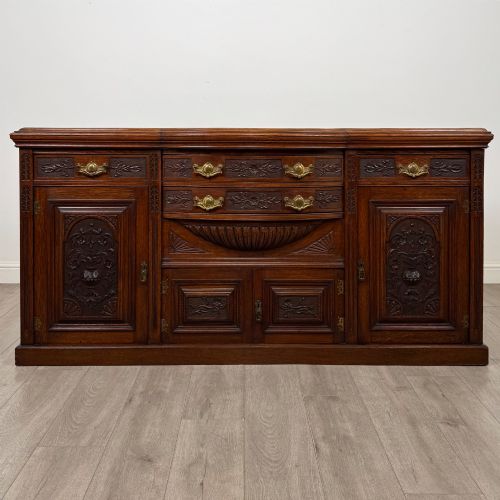
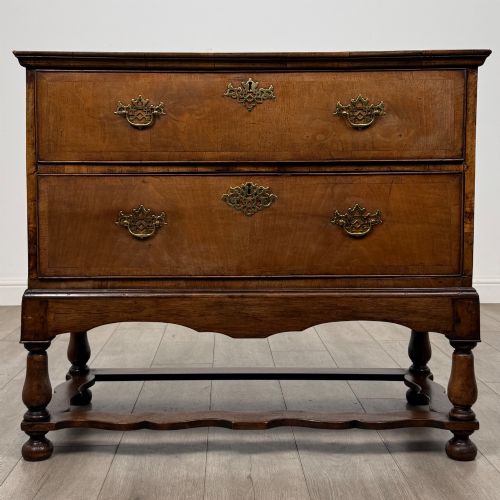
Furniture elements also appear frequently, including timber dressers and tables fitted with original brass handles, escutcheons, and decorative feet. These items reflect the domestic utility and ornamental tastes of Georgian and Victorian households.
Materials and methods
Foundry work defines these items, utilising techniques like sand casting and lost-wax casting to shape molten copper-alloy into sturdy architectural forms. Artisans then turned components on lathes or hand-chiseled surface details to achieve crisp fluting and sharp edges.
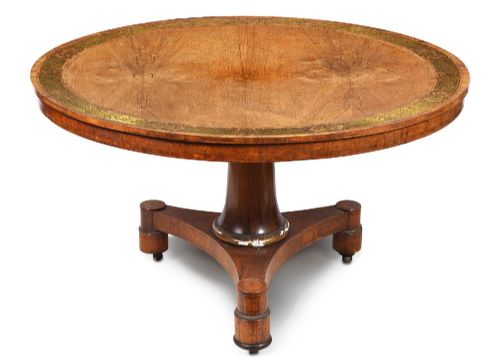
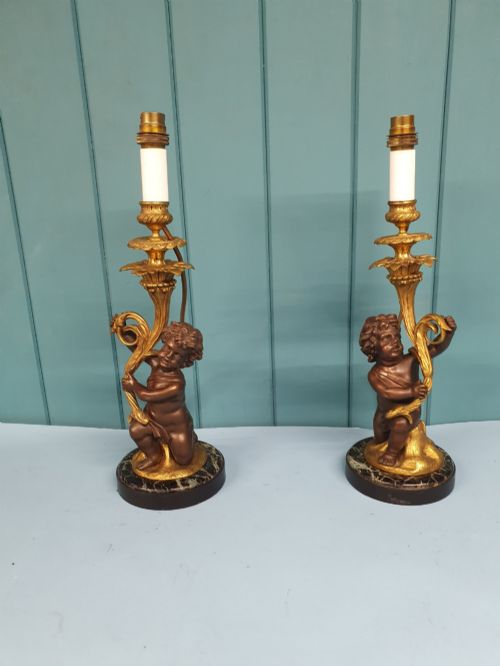
Many items combine cast metal with secondary materials, mounting brass stems onto heavy plinths of white marble, slate, or dense timbers like oak, mahogany, and rosewood. This weighted construction provides the necessary gravity to support extended lampshades or tall candlesticks safely.
Some Victorian brass lamps stand proudly upon iron dog paws and stone foundations, keeping watch over the parlour.
Distinctions in standard
The integrity of the casting distinguishes superior examples from standard production, with finer pieces displaying deep, unblemished relief work and sharp architectural mouldings. Heavier gauge metal indicates a more substantial construction that resists warping and provides better balance.
Originality of components largely determines the merit of mounted pieces, such as intact patination, matching hardware, and uncompromised structural unions between the metal and its stone or timber base.
The Antique Brass Base Glossary
- Corinthian column
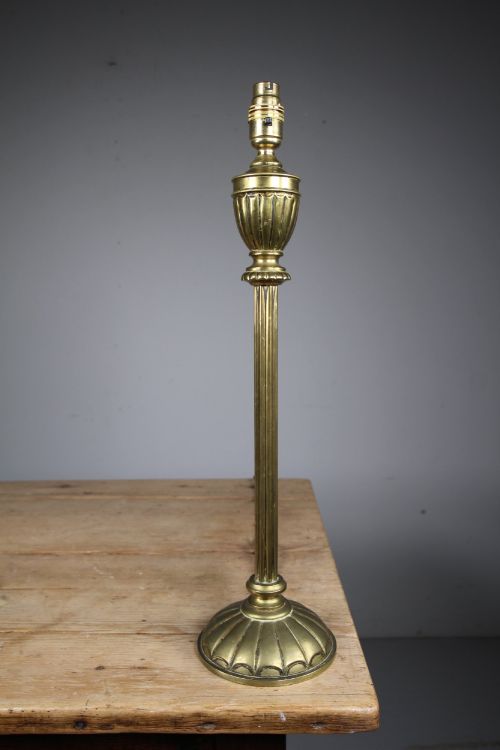
- A lamp or candlestick shaft modeled after the classical Greek architectural order, featuring ornate acanthus leaves and scrolls at the capital. This design gained immense popularity during the Victorian and Edwardian periods.
- Ormolu
- Finely ground high-zinc bronze gilded with a layer of gold, commonly used for decorative mounts on luxury French-style table lamps and clocks. It produces a rich, warm yellow lustre.
- Escutcheon
- A protective plate surrounding a keyhole on furniture drawers and cabinet doors, frequently cast in brass to match handles and pulls on period dressers.
- Bouillotte
- A traditional adjustable-height lighting form featuring a central metal shaft, a shallow dish base, and a shade suspended above candles or bulbs. It originated in France for card players.
- Baluster
- A moulded architectural support shaft with a swelling lower portion, frequently seen in the profile of seventeenth and eighteenth-century candlestick stems.
Antique Brass Base: Frequently Asked Questions
How do I date a brass base?
Dating relies on manufacturing techniques, assembly marks, and stylistic clues. Early examples from the seventeenth and eighteenth centuries often display sand-casting textures and distinct basal profiles like octagonal or petal shapes.
Later Victorian and Edwardian pieces shift toward machine-tooled precision, standard electrical fittings, and classical revival motifs such as reeded columns.
Were these always electric lamps?
Most antique lighting forms began life as oil lamps, paraffin burners, or holders for wax candles. Many have undergone careful rewiring to serve safely as modern table lamps.
Furniture elements and desk accessories, by contrast, retain their original utilitarian purpose as structural supports, inkwells, or architectural mounts.
How should I clean antique brass?
Preserving the historical surface requires gentle maintenance rather than aggressive polishing. A soft cloth and mild soapy water remove surface dust without stripping away the accumulated patina that develops over centuries.
Avoid harsh chemical dips or abrasive metal cleaners, which permanently erase the subtle tonal variations valued by collectors.
What is a petal base?
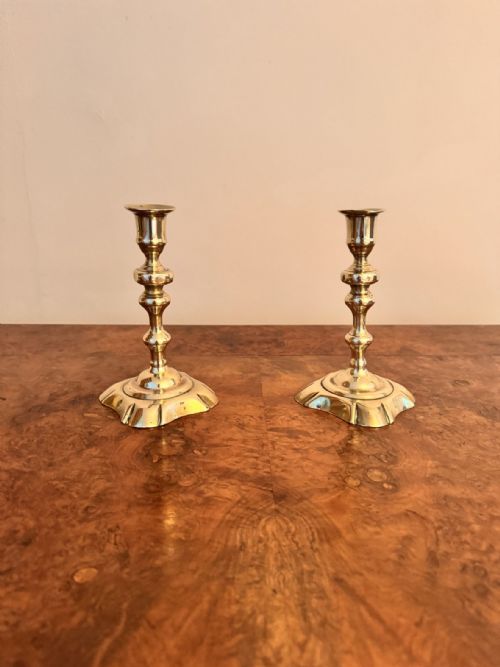
A petal base is an early eighteenth-century candlestick design where the circular foot is pressed or cast into overlapping lobes resembling flower petals. This distinctive profile provides a wider footprint for stability.
Such examples represent early metalware craftsmanship from English workshops.