



Antique Boy Sculpture
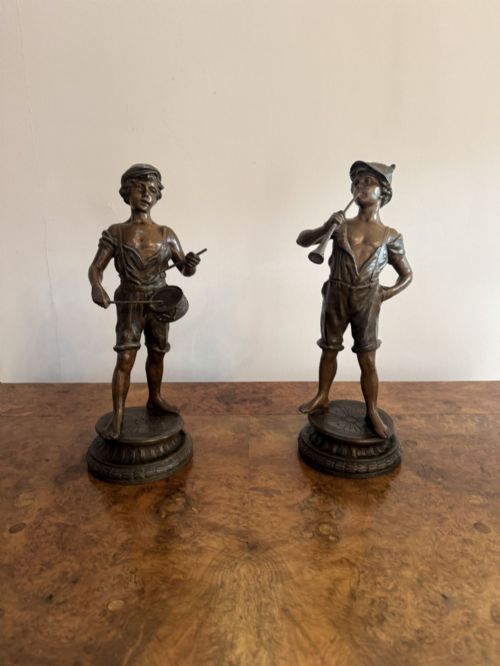
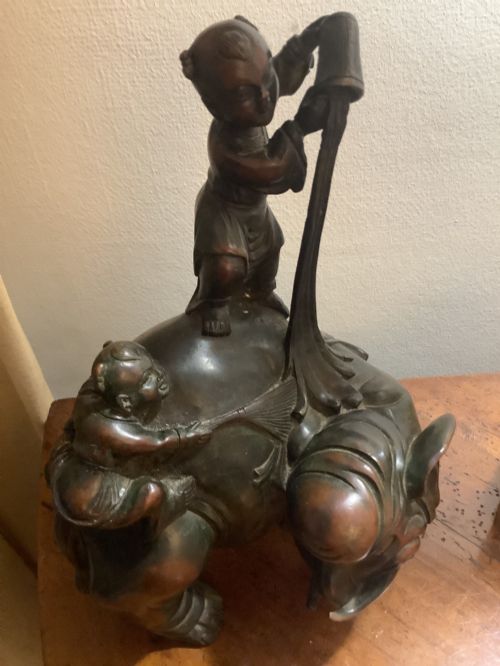
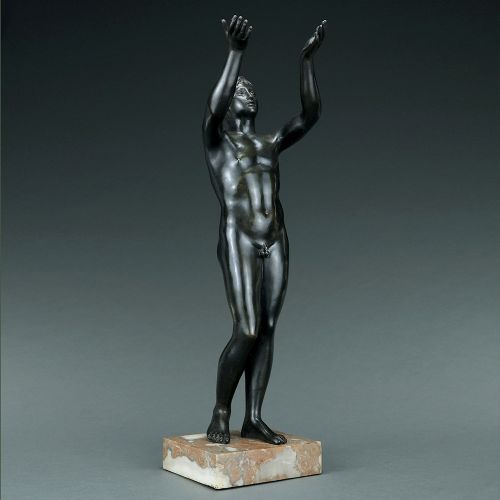
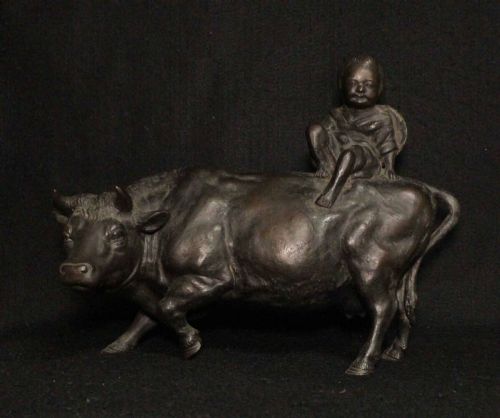
When you search for an antique boy sculpture, you encounter figures cast in bronze, carved from marble and wood, or modelled in porcelain.
Antique Boy Sculpture
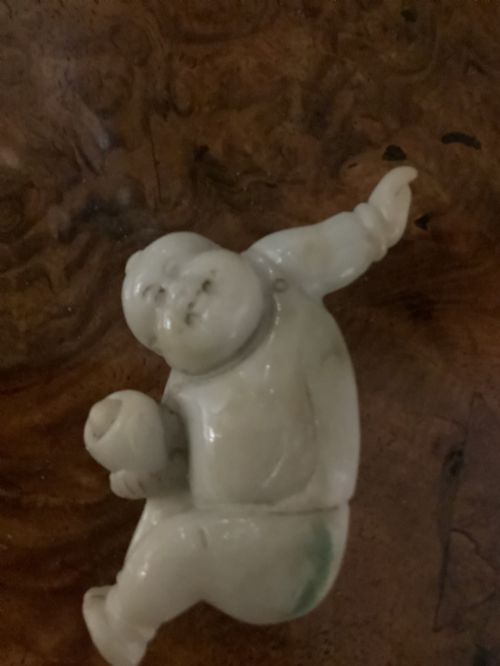
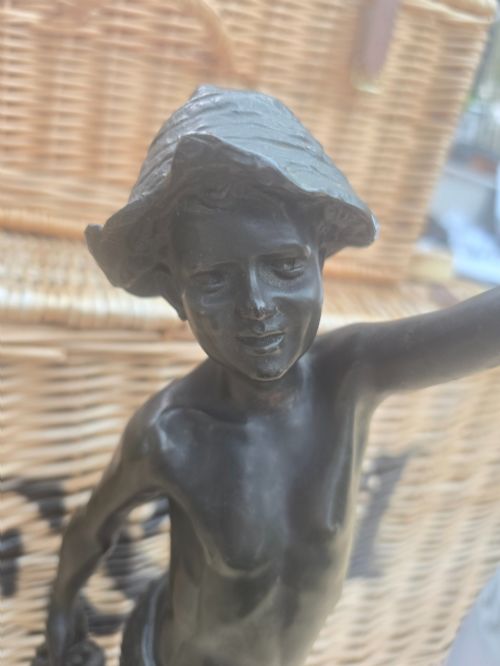
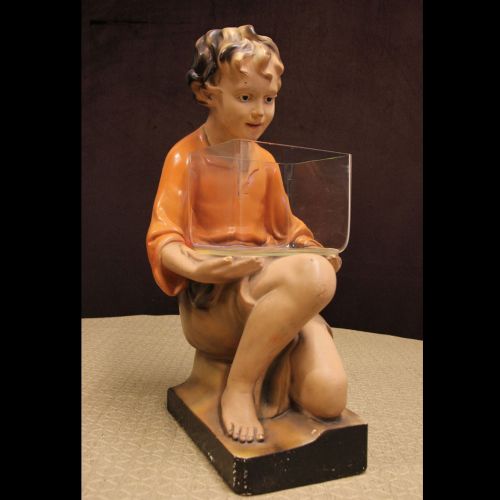
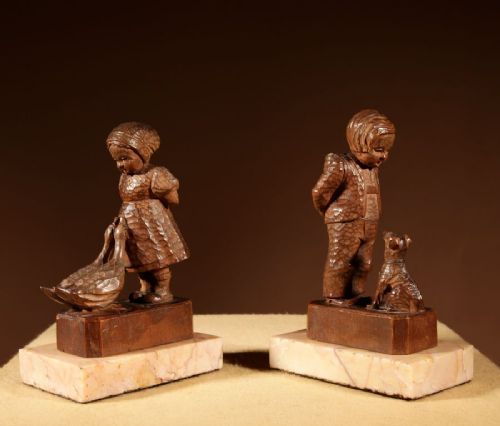
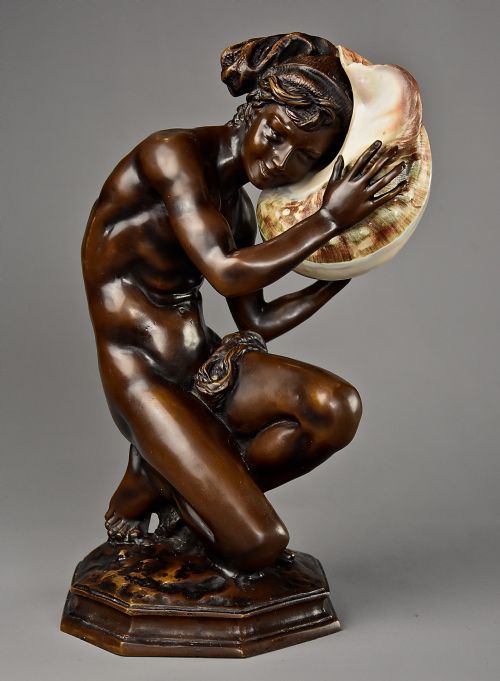
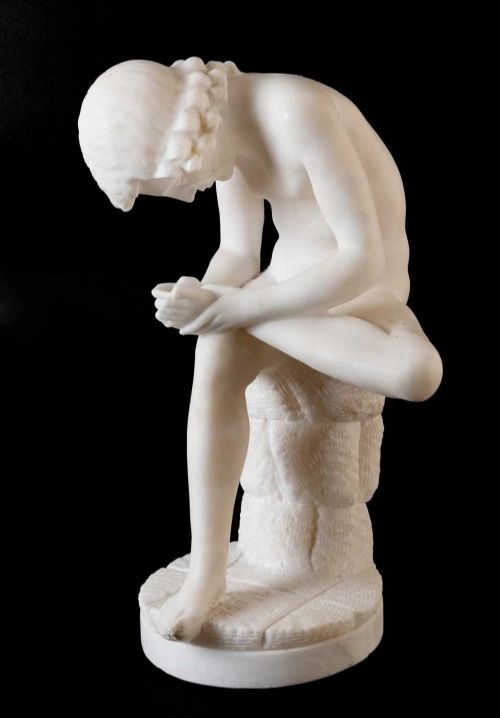
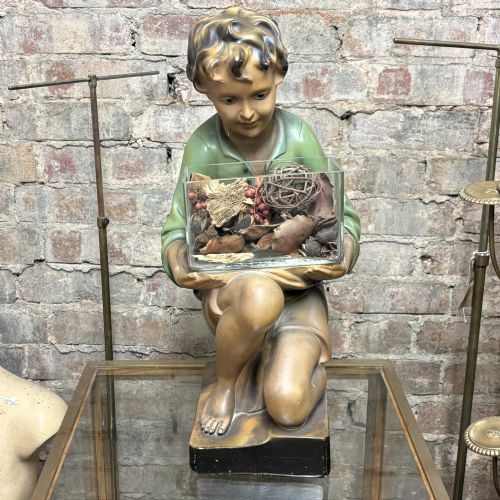
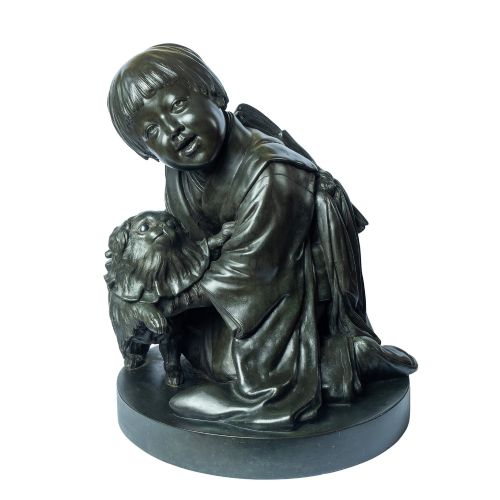
An antique boy sculpture encompasses varied depictions of youths in bronze, marble, wood, terracotta, and porcelain across the nineteenth and early twentieth centuries. These figures range from classical subjects such as Spinario and Bacchus to realist studies of fishermen, scholars, and harvesters originating from British, French, Italian, German, Austrian, and Asian workshops.
Buyers will most frequently meet small-scale cabinet bronzes, cold-painted Austrian foundry works, carved alabaster library busts, and detailed wooden or ivory groupings from the late nineteenth and early twentieth centuries. Many pieces draw directly on classical mythology, Grand Tour traditions, and regional genre scenes depicting daily life.
The sculptural forms extend from desk paperweights and mantel ornaments to life-sized walnut busts and large floor statues. Each piece reflects the dominant sculptural styles of its period, shifting from Neoclassical and Victorian academicism towards Art Deco and realist interpretations.
How They Were Made
Foundry-cast bronzes utilise the lost-wax method or sand casting, frequently finished with rich patination, fire gilding, or applied cold-painted enamels. These metal figures often incorporate multi-part construction, where separate elements are cast independently and joined securely.
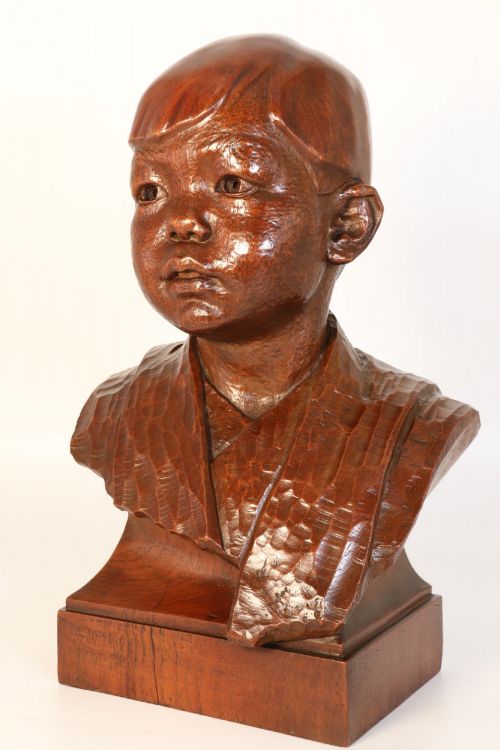
Carved works rely on the direct reduction of natural materials, utilising lime wood, walnut, root wood, Carrara marble, alabaster, and statuary marble. Artisans shaped these mediums using chisels and gouges to render fine textures in hair, drapery, and anatomical details.
Ceramic pieces combine moulded hard-paste porcelain, Parian ware, terracotta, and earthenware, fired in kilns and decorated with hand-painted highlights or enamel glazes. These ceramic figures demonstrate precise mould-making and delicate surface detailing typical of European factories.
Antique Boy Sculpture Retail Price Guide 2026
Typical asking prices for boy sculpture among the pieces listed under this phrase on Sellingantiques today, from the lower quarter to the upper quarter. They describe what is for sale here now, not the wider market.
Materials span bronze, marble, paint, wood, patinated bronze, alabaster, porcelain, and enamel.
What Varies in Quality
Carved stone and wood sculptures depend on the purity of the material and the sensitivity of the chisel work, where superior examples exhibit anatomical accuracy and subtle surface movement. In marbles, the absence of natural flaws in the stone and the polish of the socle indicate higher studio standards.
Foundry signatures, artist inscriptions, and maker stamps provide documentary evidence that elevates the standing of a piece within its genre. Recognised modellers and established European foundries achieved proportions and surface expressions that lesser commercial productions missed.
Franz Bergman·Masaaki·George Henry Paulin·Julien Lorieux·Edward and John Barnard·Mieczyslaw Leon Zawiejski·Giuseppe Renda·Vincenzo Gemito·Antoine Bofill·Auguste Moreau
The Antique Boy Sculpture Glossary
- Spinario
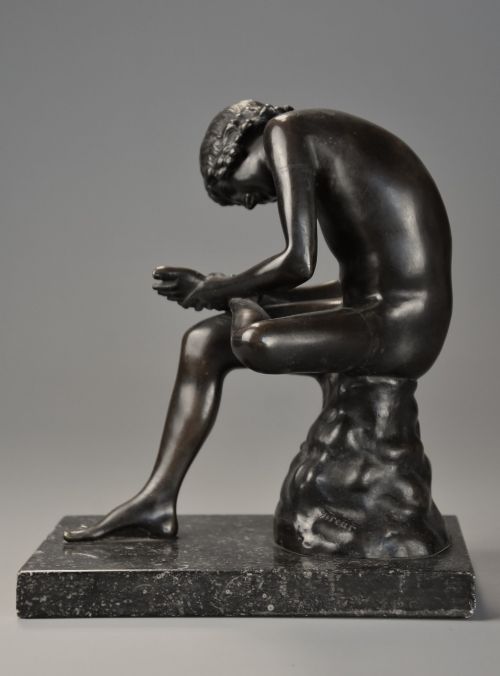
- A classical Hellenistic bronze or marble sculpture depicting a boy extracting a thorn from his foot. This subject was frequently replicated during the Grand Tour period.
- Cold-Painted Bronze
- A technique where bronze figures are painted with oil-based or enamel paints after casting, rather than patinated with heat and chemicals. This method is particularly associated with Austrian workshops.
- Grand Tour
- A cultural journey undertaken by wealthy young Europeans in the 18th and 19th centuries, returning with bronze reductions and marble busts of classical antiquities.
- Okimono
- A Japanese decorative freestanding sculpture designed for display on a household altar or within a room alcove, frequently carved from ivory or cast in bronze.
- Parian Ware
- A fine-grained, unglazed biscuit porcelain resembling white marble, developed in Britain during the mid-nineteenth century for classical statuary and figural groups.
Antique Boy Sculpture: Frequently Asked Questions
What materials are common in these sculptures?
These sculptures utilise cast bronze, patinated metal, carved marble, alabaster, lime wood, walnut, and porcelain. Many also feature applied paint, cold-painted enamel, or fire gilding to enhance surface detail.
Foundry bronzes and stone carvings dominate the European production, while wood and ivory appear frequently in regional folk art and Asian decorative works.
How were cold-painted bronzes created?
Cold-painted bronzes were cast in metal and then decorated by hand using oil-based paints applied directly to the unheated surface. This technique allowed for vibrant coloration of garments and skin.
Austrian workshops produced many of these colourful figures, which often depicted exotic or genre subjects popular during the late Victorian and Edwardian eras.
What is a Grand Tour bronze?
A Grand Tour bronze is a small-scale reduction of a famous classical antiquity, purchased by travellers touring historical sites in Italy and Greece. These pieces served as scholarly souvenirs of educational journeys.
Foundries in Rome, Florence, and Berlin manufactured these high-quality metal figures throughout the nineteenth century to satisfy international demand.
How should I display a marble bust?
Display marble busts on stable, level surfaces away from direct sunlight and extreme temperature fluctuations that can stress the stone. A dedicated pedestal or sturdy library shelf provides adequate support.
Dusting the carved surfaces with a dry, soft cloth preserves the porous marble without introducing moisture or abrasive cleaning agents.