
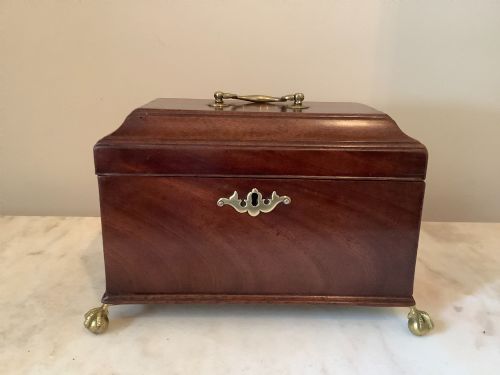


Antique Box with Secret Drawer
These antique box with secret drawer finds are clever repositories of personal papers and valuables, hiding hidden compartments beneath seemingly straightforward forms.
Antique Box with Secret Drawer
An antique box with secret drawer spans several centuries of cabinet-making ingenuity, designed to secure letters, currency and precious trinkets away from prying eyes. When you search this phrase, you encounter a variety of forms including writing slopes, tea caddies, miniature apprentice chests, desk tidies and blanket boxes.
Writing slopes dominate the selection, heavily represented by Victorian figured walnut, mahogany, rosewood and coromandel examples, often enhanced with brass binding or inlay. Alongside these portable desks sit Georgian tea caddies, oak blanket boxes and miniature chests, each incorporating concealed compartments within their wooden architecture.
How they were made
Cabinet-makers utilised dense timbers such as mahogany, walnut, rosewood, coromandel and oak, frequently selecting figured veneers to create striking exterior surfaces. Brass featured prominently as structural binding, corner reinforcements and inlay, adding both durability and visual contrast to portable writing boxes.
The concealed compartments relied on precise joinery, often requiring a sequence of panel releases, false bottoms or hidden spring mechanisms to reveal the secret drawers tucked inside the wooden framework.
Periods represented span the 18th Century, Georgian era, late Georgian period, Victorian era and 1860.
What varies in quality
The sophistication of the internal mechanism largely separates standard examples from exceptional ones, particularly where secret drawers operate through intricate hidden releases rather than simple lift-out panels. Timber selection and veneer choice also dictate value, with heavily figured walnut, rosewood or coromandel showing superior craftsmanship compared to plain woods.
Hardware integration plays a significant role, as high-end pieces incorporated branded locks such as Bramah mechanisms alongside flush brass carrying handles and fitted interiors with velvet writing surfaces.
George Austin of Dublin
The Antique Box with Secret Drawer Glossary
- Writing slope
- A portable desk with a hinged, slanted writing surface that folds down to reveal compartments, inkwells and secret drawers beneath.
- Tea caddy
- A small box designed for storing loose tea leaves, often featuring internal lidded canisters and occasional hidden compartments.
- Campaign style
- Furniture constructed for military travel, characterised by brass corners, inset handles and sturdy timbers designed to withstand transit.
- Coromandel wood
- A dense, heavily grained timber from Asia used on high-status Victorian boxes for its deep brown colour and dramatic figuring.
Antique Box with Secret Drawer: Frequently Asked Questions
How do I find the secret drawer?
Most secret drawers require removing specific interior partitions, sliding false panels, or operating hidden wooden spring latches tucked inside letter slots.
Take your time examining the interior structure, as pulling or pressing the correct internal components usually releases the concealed compartment with a click.
What were writing slopes used for?
Writing slopes served as portable desks for travellers, officials and households without dedicated writing rooms, containing paper, ink and nibs.
The slanted lid provided a comfortable surface for penning letters while the interior secured correspondence and valuables away from guests.
How do I date an antique box?
Dating relies on timber choices, brass hardware styles, lock types and construction methods visible inside the compartments and casework.
For instance, Georgian pieces often feature simpler mahogany or oak framing, while high-status Victorian boxes frequently display figured walnut or coromandel with brass binding.
How do I care for wooden boxes?
Keep wooden boxes away from direct sunlight and radiators to prevent the timber from drying out and the veneers from lifting.
Apply a light application of appropriate wax polish periodically to nourish the wood and maintain the lustre of the brass fittings.