


Antique Box with Paints
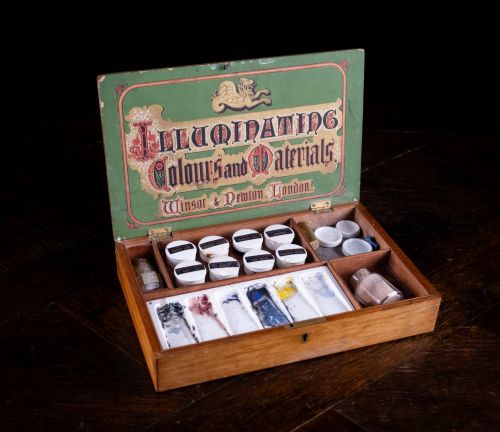
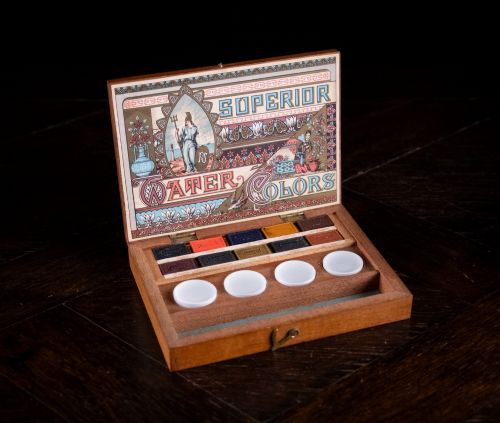
An antique box with paints gathers pigment, brush and timber into a portable studio for the desk or field.
Antique Box with Paints
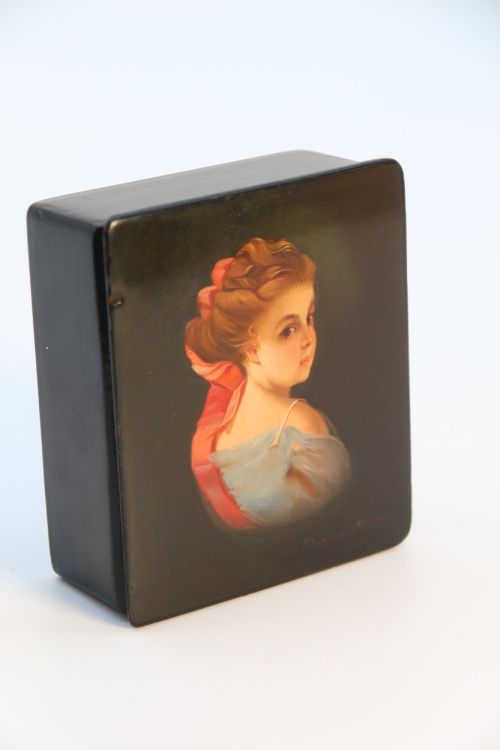
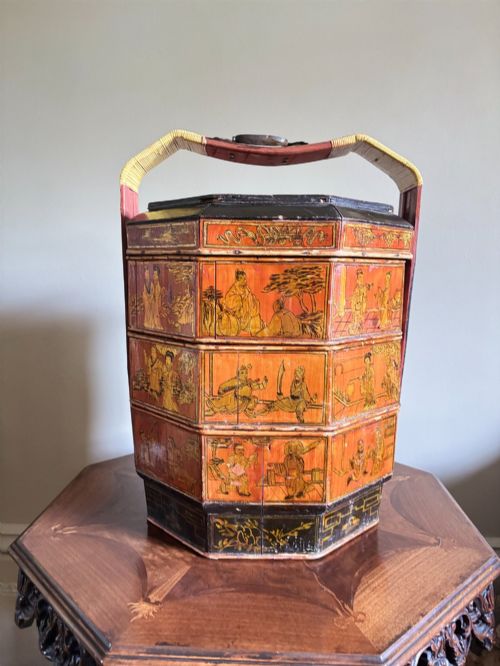
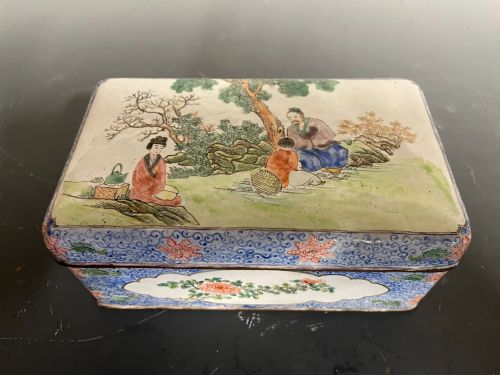
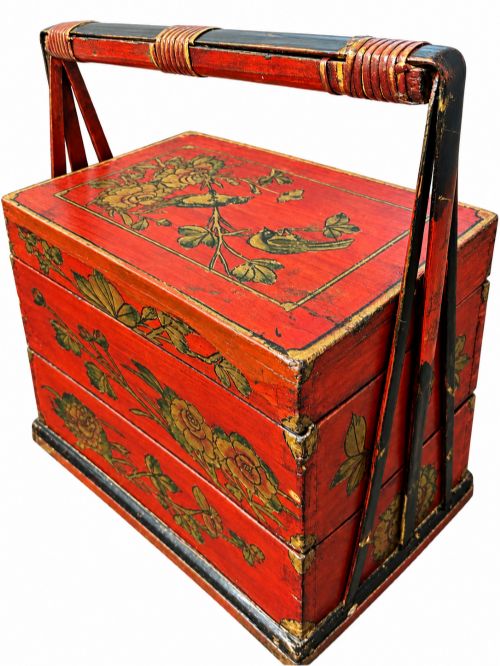
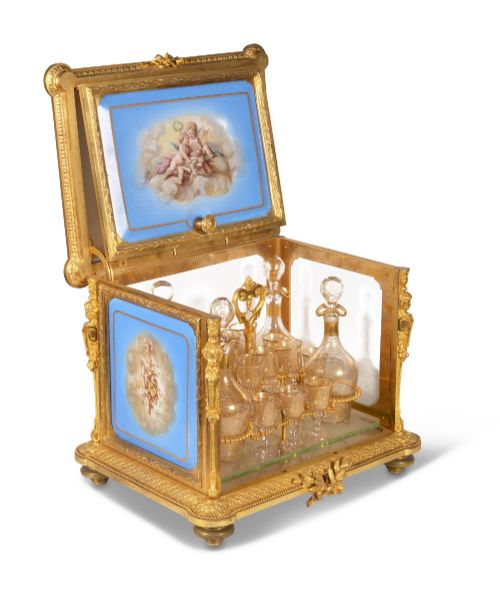
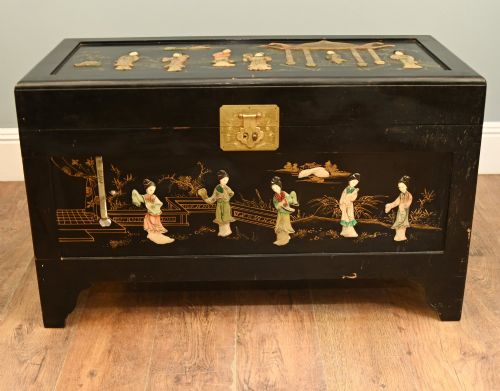
An antique box with paints unites utilitarian storage with applied pigment, taking forms from small porcelain rounds and lacquered containers to larger travelling trunks and document chests. These pieces span Georgian, Victorian and Edwardian periods, frequently combining wood structures with decorated surfaces.
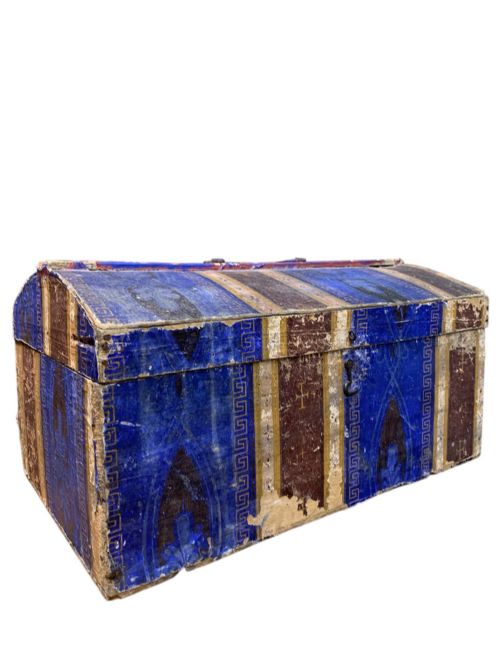
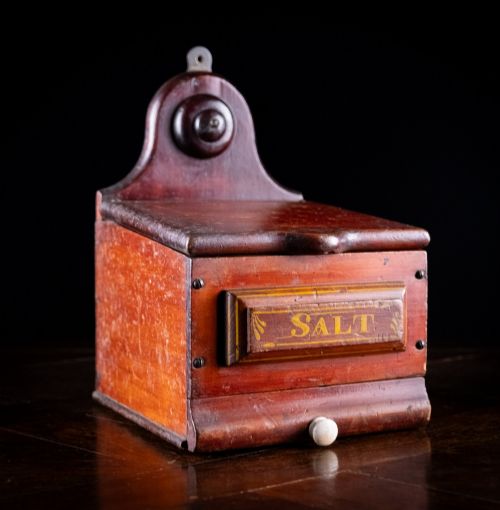
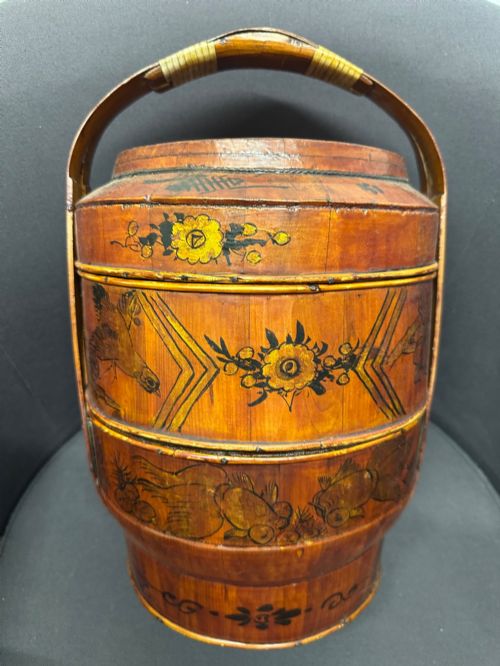
Buyers seeking this phrase encounter pine, oak and lacquered surfaces decorated with hand-painted details, gilt work or folk art motifs. The selection leans towards painted pine chests, lidded boxes and storage forms bearing traces of original colour.
Origins stretch from British workshops to French, Russian and Chinese export houses, reflecting domestic storage and travelling needs across the eighteenth and nineteenth centuries.
Materials and construction
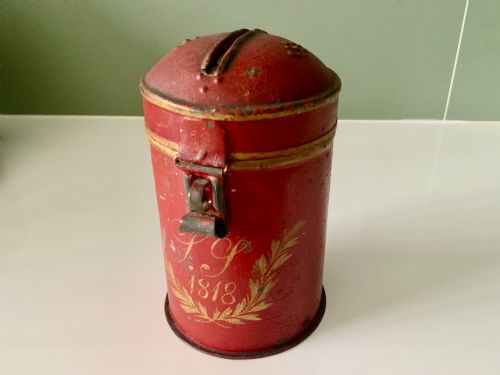
Pine, oak and various woods form the structural carcasses of these pieces, assembled with iron hardware, brass rims or hand-forged strapwork. Surfaces receive treatments ranging from red paint traces and gold leaf to lacquer and porcelain plaques.
Craftsmen applied traditional joinery alongside hand-painted decoration, creating durable containers intended for daily utility or decorative display.
Antique Box with Paints Retail Price Guide 2026
Typical asking prices for box with paints among the pieces listed under this phrase on Sellingantiques today, from the lower quarter to the upper quarter. They describe what is for sale here now, not the wider market.
Several trunks conceal secret drawers, reminding us that past owners liked to hide their best sweets.
Factors of quality
The integrity of the original painted surface dictates much of the visual value, with untouched pigment and minimal later intervention separating superior examples from heavily restored pieces. Original iron hardware, operational locks and intact internal trays further distinguish finer items.
The finesse of the hand-painted decoration, whether delicate porcelain detailing or robust folk art motifs, marks the distinction between standard utilitarian items and masterworks of the period.
The Antique Box with Paints Glossary
- Mule chest
- A storage chest featuring one or more drawers beneath the main compartment. This form emerged in the seventeenth century and remained popular through the Georgian and Victorian eras.
- Toleware
- Metalware, usually iron or steel, coated with tin and finished with opaque lacquers or painted decoration. It gained popularity in the eighteenth and nineteenth centuries for household items.
- Pine
- A softwood commonly utilised for country furniture and utilitarian boxes. It accepts paint readily, which accounts for the survival of early decorative finishes on these pieces.
- Lacquer
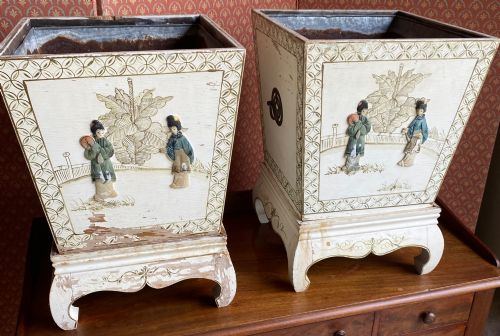
- A durable finish applied in multiple layers and polished to a hard sheen. Asian and European makers utilised this technique on boxes, screens and furniture.
- Folk art
- Artistic work created within a traditional culture by self-taught makers. These pieces often display regional characteristics and straightforward material usage.
Antique Box with Paints: Frequently Asked Questions
How do I clean a painted box?
Dust gently with a dry, soft brush to protect fragile pigment layers. Avoid liquid cleaners that might lift original paint traces.
Keep the piece away from direct sunlight and moisture to preserve the historic finish.
Are these boxes suitable for daily use?
Sturdier pine and oak examples handle light storage tasks well. Lighter lacquered or porcelain-mounted pieces require more careful handling.
Consider the condition of the hinges and internal compartments before storing heavier items inside.
How can I tell the period of a painted box?
Examine the timber species, construction joints and the composition of the paint layer. Hand-forged iron hardware often indicates eighteenth or early nineteenth-century origins.
Compare the decorative style, such as Georgian country motifs or Victorian folk art, against known period examples.
What is the difference between a mule chest and a standard trunk?
A mule chest incorporates one or more drawers at the base beneath the primary lidded compartment. Standard trunks provide only top-access storage without lower drawer integration.
Both forms served domestic storage needs in Georgian and Victorian households.