



Antique Box with Brass
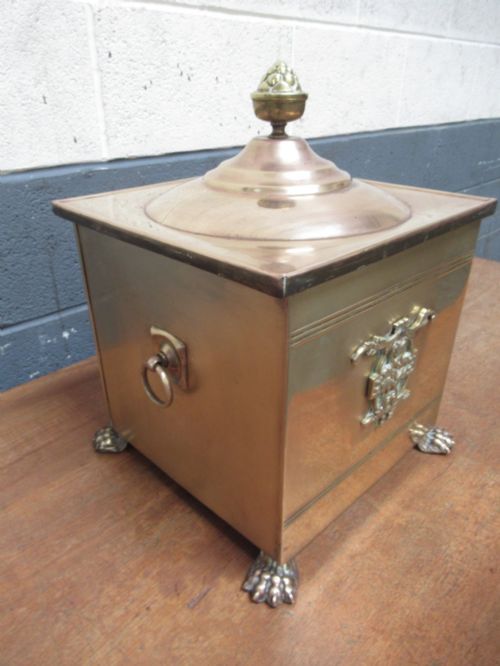
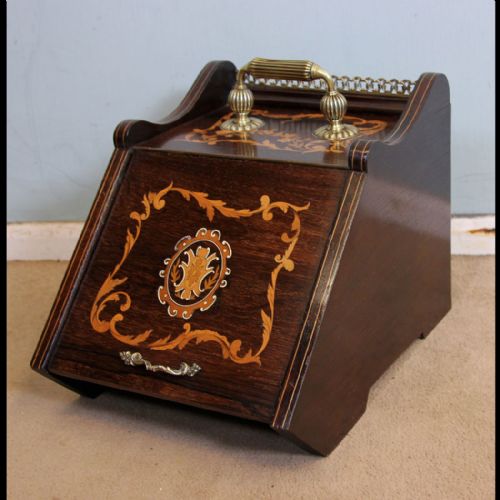
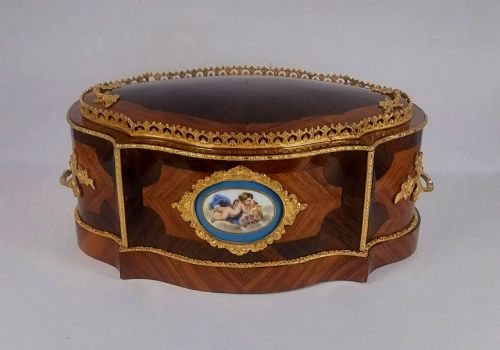
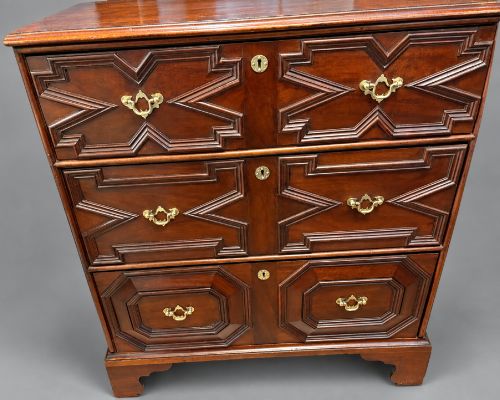
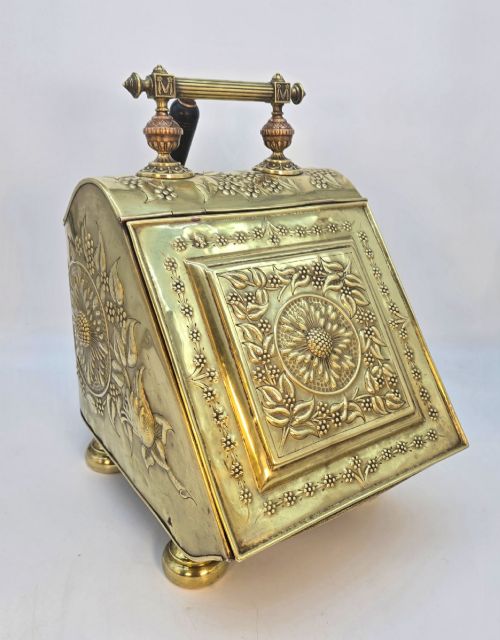
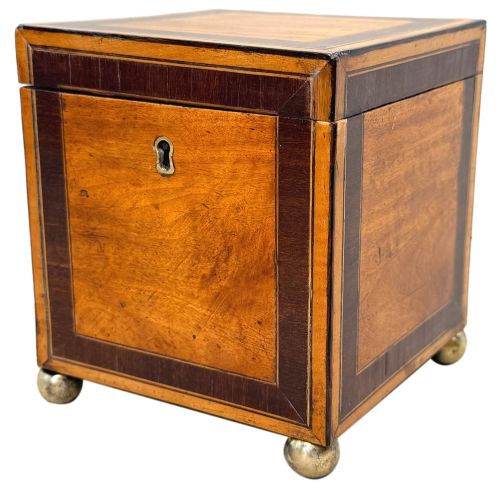
An antique box with brass offers practical storage paired with metal mounts, combining timber bodies with hardware designed to last.
Antique Box with Brass
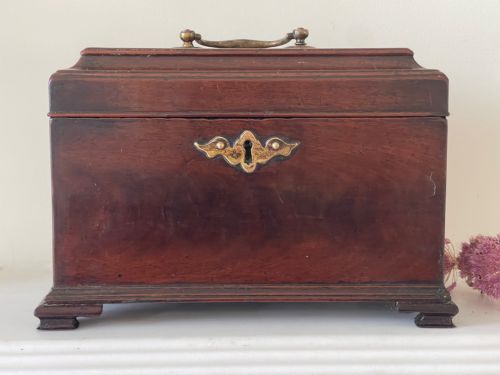
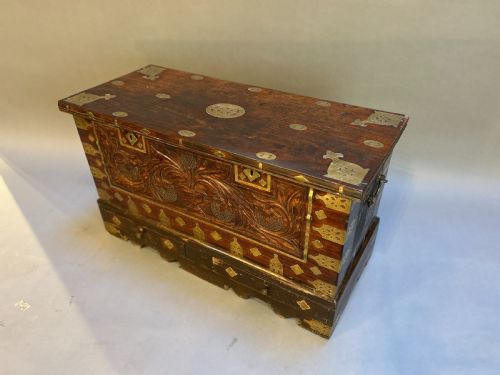
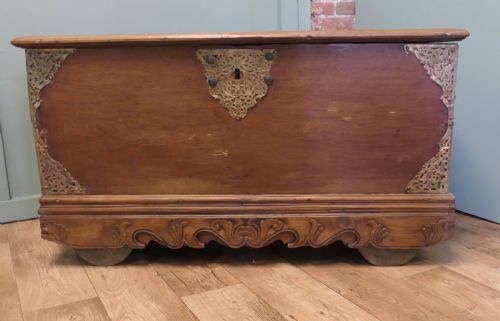
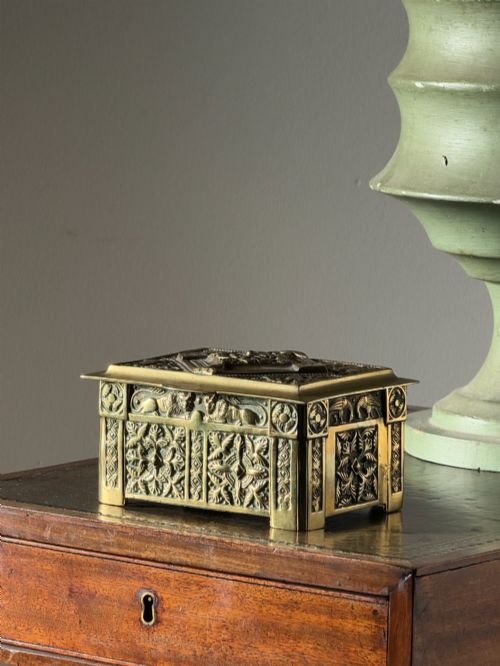
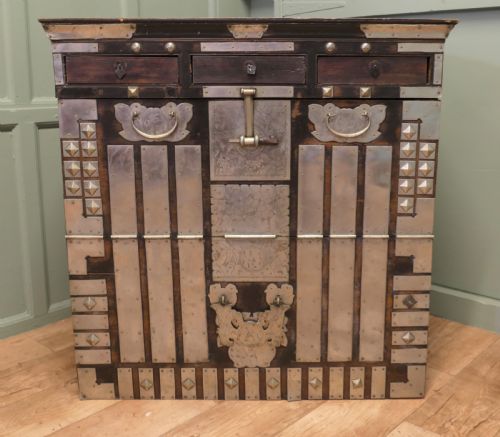
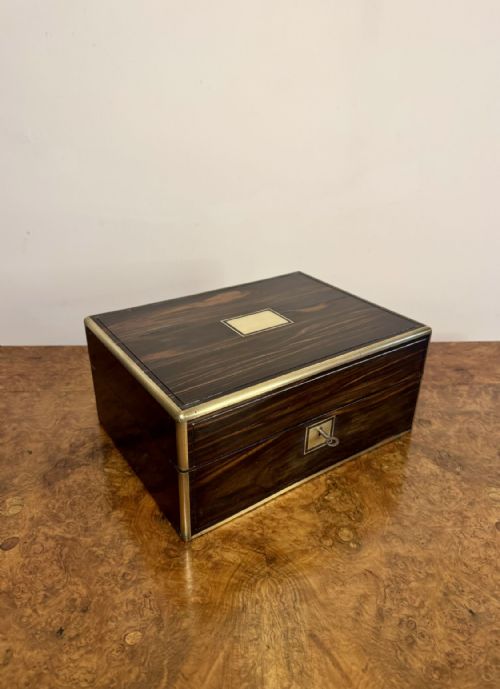
An antique box with brass spans utilitarian travel chests, refined writing slopes, and small tabletop caddies made across the Georgian, Victorian, and Edwardian periods. Buyers encounter heavy campaign trunks built from camphor wood and oak alongside domestic walnut and mahogany writing desks fitted with secret compartments.
The objects serve varied purposes, from apothecary travelling cases containing glass bottles to jewellery boxes and tea caddies accented with metal corners. English, Dutch, French, and regional workshops produced these pieces using native and exotic hardwoods secured by metal fastenings.
Materials and Construction
Cabinetmakers utilised dense timbers like mahogany, rosewood, oak, and camphor wood to construct the primary bodies, often pairing them with contrasting brass corners, straps, and escutcheons. These metal components were secured with flush screws or pins to reinforce joints subject to travel and daily handling.
Internal layouts required precision joinery, incorporating sliding trays, fitted inkwells, velvet linings, and hidden drawers operated by secret release mechanisms. Surfaces received polished finishes that highlighted the grain of the wood while protecting the exterior from wear.
Antique Box with Brass Retail Price Guide 2026
Typical asking prices for box with brass among the pieces listed under this phrase on Sellingantiques today, from the lower quarter to the upper quarter. They describe what is for sale here now, not the wider market.
Listings feature various timbers including mahogany, oak, rosewood, walnut, and camphor wood paired with brass hardware across the Georgian and Victorian periods.
Distinctions in Standard
The standard of an antique box with brass depends on the integrity of its original hardware and the precision of its internal fittings. Examples retaining matching flush brass inlays, working keys, and complete internal trays command greater appreciation than those with replaced mounts or missing components.
Execution of the cabinetwork dictates overall merit, visible in tightly dovetailed corner joints, unwarped lids, and smoothly operating secret drawers. The choice of timber grain, from figured walnut to richly patinated mahogany, further separates standard domestic items from finer presentation pieces.
Benham and Froud
The Antique Box with Brass Glossary
- Writing Slope
- A portable desk with a slanted, hinged lid that opens to reveal a writing surface, compartments for stationery, and inkwells. These pieces often feature brass binding to protect the edges during transport.
- Campaign Chest
- A modular storage trunk split into sections with recessed brass pull handles, designed for military officers on the move. The brass corners and strapping prevented the wood from splitting under harsh travel conditions.
- Escutcheon
- A protective metal plate surrounding a keyhole, usually made of brass on these pieces. It prevents the timber around the lock from splitting through repeated use.
- Tea Caddy
- A small lidded container designed to store loose tea leaves, frequently divided into compartments. Many examples incorporate brass handles, locks, and decorative escutcheons.
- Dovetail
- A traditional interlocking woodworking joint formed by interlocking tapered fingers, used to join the sides of a box. This method provides high tensile strength without relying on metal fasteners alone.
Antique Box with Brass: Frequently Asked Questions
How do I identify a campaign box?
Campaign boxes feature recessed brass handles and corner brackets designed to sit flush against the wood. This construction allowed military officers to pack and transport their belongings without damaging the hardware.
Such pieces are typically constructed from sturdy timbers like camphor wood or mahogany to withstand long journeys. Look for sectional designs or hinged lift-up tops built for practical service in the field.
What are secret drawers used for?
Secret drawers provided a concealed space to store valuables, sensitive correspondence, or currency away from casual view. Cabinetmakers built them behind removable partitions or false bottoms within writing slopes and tea caddies.
Accessing these compartments usually requires releasing a hidden wooden spring or sliding panel. Their presence indicates a higher grade of craftsmanship and thoughtful interior planning.
How should I care for wood and brass?
Maintain the timber by applying a microcrystalline wax to nourish the grain and protect the finish from moisture. Avoid placing boxes in direct sunlight or near heat sources to prevent the wood from warping or splitting.
Clean the brass elements gently with a soft cloth to remove dust without stripping patination. Avoid abrasive metal polishes that can stain the surrounding wood surface.
How do I date an antique box?
Dating relies on observing the joinery methods, timber choices, and hardware styles characteristic of different eras. Georgian pieces often display hand-cut dovetails and simpler brass mounts, while Victorian examples frequently utilise elaborate inlays and fitted interiors.
Examine the lock mechanism and screws, as hand-turned screws point to earlier periods, whereas machine-made hardware became common by the mid-nineteenth century. Comparing the overall form to dated examples helps narrow down the decade of production.