






Antique Botanical Pendant
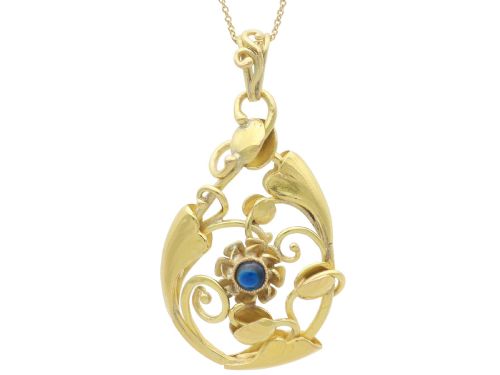
These antique botanical pendant pieces bring wearable natural forms like leaves and acorns into gold and silver jewellery.
Antique Botanical Pendant
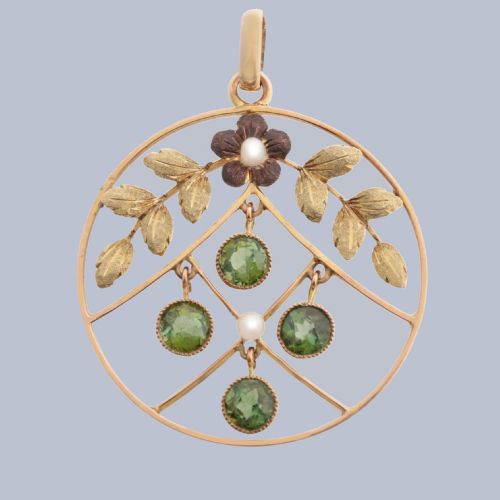
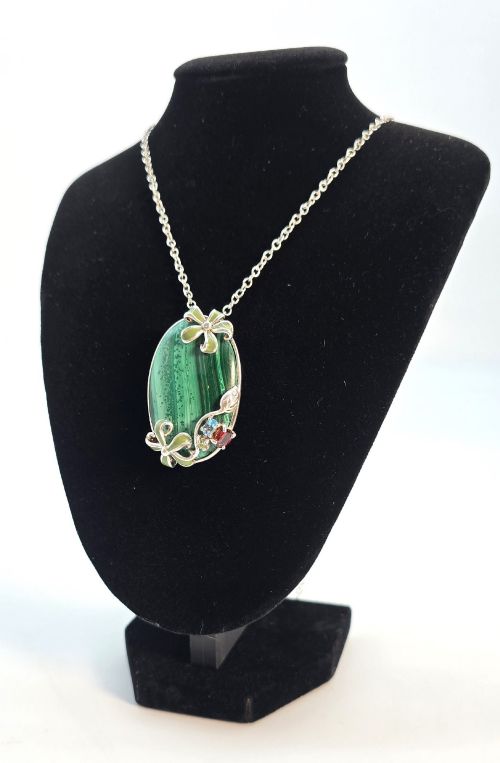
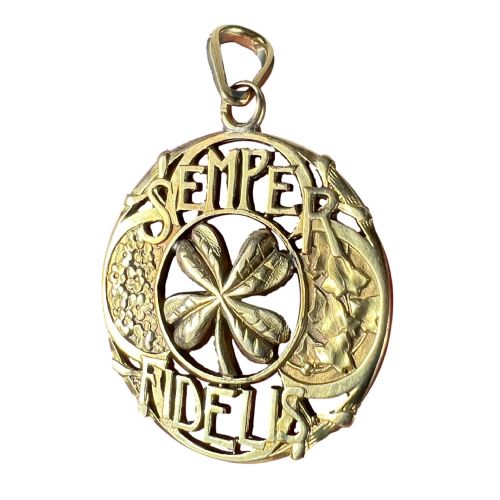
An antique botanical pendant takes inspiration from the natural world, featuring motifs such as leaves, acorns, and lucky clovers rendered in precious metals. When searching for an antique botanical pendant, buyers encounter pieces spanning the Victorian, Edwardian, and Art Nouveau periods.
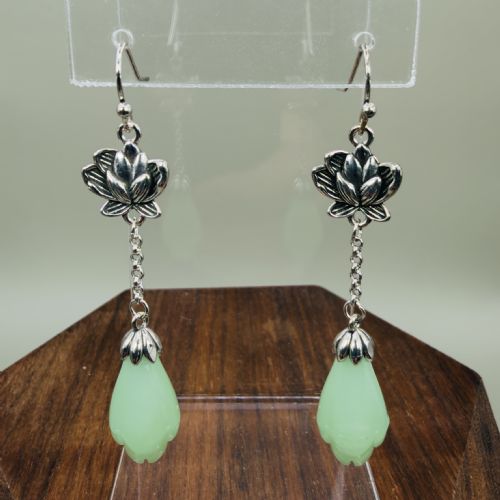
These items range from engraved gold crosses and carved jadeite to silver marcasite teardrops and moonstone necklaces. The selection on this page reflects styles from Regency through to the 1930s, showcasing diverse interpretations of flora in jewellery and ornaments.
How they were made
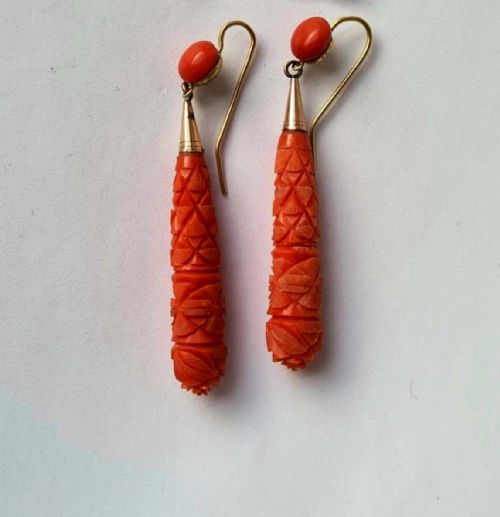
Maker's methods involve working with yellow gold, 9ct gold, sterling silver, and gilt metal to shape intricate floral and leaf designs. Techniques include fine engraving, casting, and mounting carved stones like jadeite and coral into metal settings.
Artisans also utilise champleve enamel and marcasite inlay to add colour and texture to bronze, brass, and iron frameworks. These construction choices define the weight and durability of each piece.
Antique Botanical Pendant Retail Price Guide 2026
Typical asking prices for botanical pendant among the pieces listed under this phrase on Sellingantiques today, from the lower quarter to the upper quarter. They describe what is for sale here now, not the wider market.
Materials represented include 9ct gold, yellow gold, sterling silver, bronze, gilt metal, iron, and brass.
What varies in quality
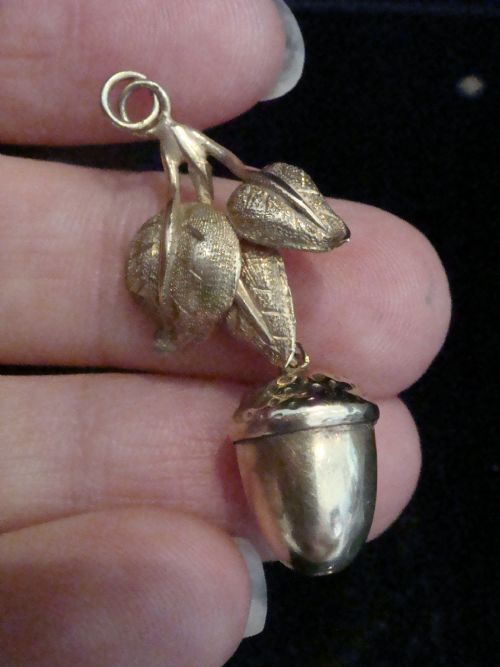
The standard of craftsmanship depends on the precision of the metal engraving and the security of the stone settings. Better examples display crisp detailing in natural motifs like oak leaves and acorns without blurring or wear to the surface.
Material selection also separates items, with higher-grade pieces utilising solid 15ct or 18ct gold rather than gilt metal or lower-purity alloys. The harmony between the botanical design and the underlying metal structure determines overall execution.
Georg Jensen Danish Silver
The Antique Botanical Pendant Glossary
- Botanical
- Pertaining to plants and flowers, used here to describe jewellery featuring natural motifs like leaves and acorns. These designs draw direct inspiration from real flora.
- Art Nouveau
- A style popular around the turn of the twentieth century characterised by flowing, organic lines. Pieces from this era often incorporate stylised plant forms.
- Edwardian
- A period spanning the early twentieth century known for refined, delicate jewellery design. Items from this time frequently utilise yellow gold and gemstones.
- Marcasite
- Pyrite crystals cut and set into silver to create a sparkling, metallic effect. This material is common in decorative vintage pendants.
- Champleve
- An enamelling technique where troughs are carved into metal and filled with vitreous paste before firing. This adds durable colour to metal surfaces.
Antique Botanical Pendant: Frequently Asked Questions
What periods do these botanical pendants come from?
The listings span several distinct historical eras, including the Victorian, Edwardian, and Art Nouveau periods.
Items also reach into the 1930s, showing how natural motifs persisted across decades of design change.
What materials are used in these pieces?
Materials include yellow gold, 9ct gold, sterling silver, gilt metal, and bronze.
Some examples incorporate carved jadeite, coral, moonstone, and enamel to enhance the botanical designs.
How were these botanical pendants worn originally?
These pieces served as personal ornaments suspended from matching chains or ribbons around the neck.
They functioned both as decorative accessories and as sentimental tokens carrying specific symbolic meanings.