

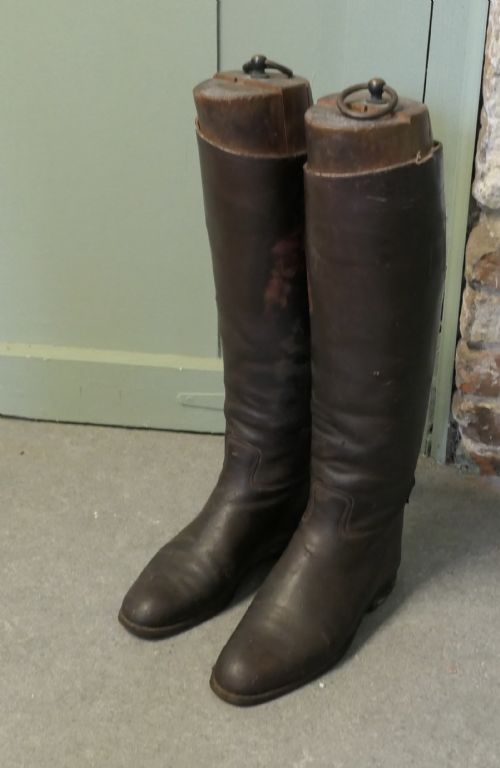


Antique Boot Tree
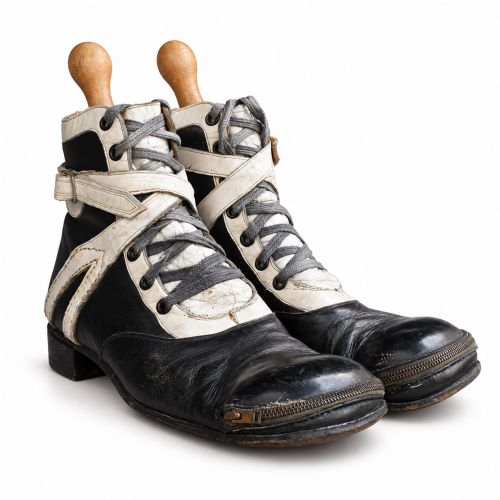
These antique boot tree pieces bring practical equestrian heritage indoors, offering sturdy forms shaped from wood, leather, and metal to keep fine footwear in prime shape.
Antique Boot Tree
An antique boot tree serves to maintain the form and leather integrity of tall footwear, emerging in varied formats from simple stretchers to elaborate stands. When exploring this selection, buyers encounter functional wooden lasts and metal stretchers alongside comprehensive rack systems.
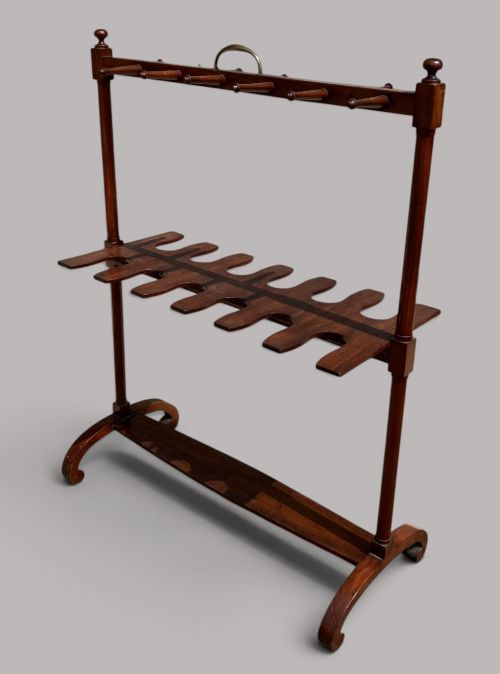
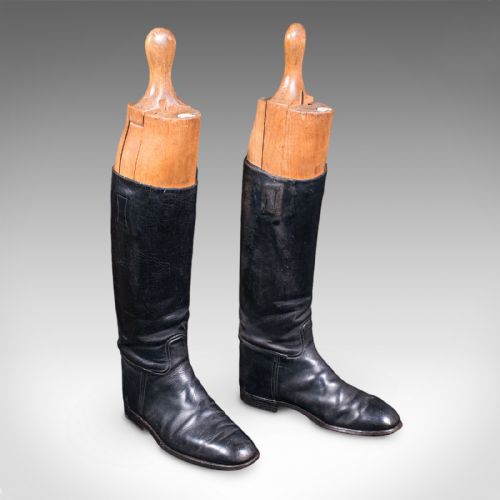
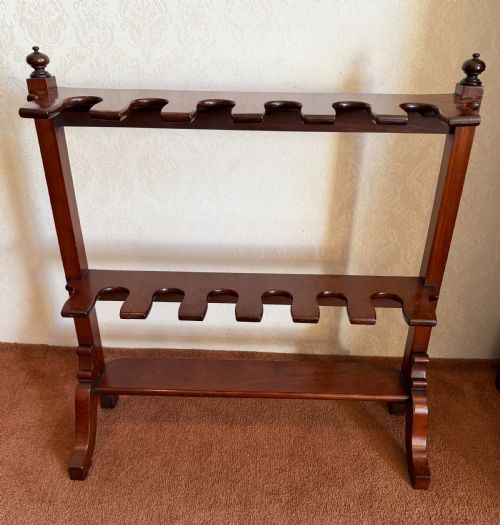
The objects span multiple eras, with nineteenth-century pieces sitting beside Edwardian displays and early twentieth-century examples. Forms range from dedicated riding boot pairs with integrated wooden trees to revolving stands and multi-purpose hall furniture.
Origins stretch across English workshops and French traditional makers, encompassing utilitarian workshop tools as well as country house furnishings. Buyers frequently meet pieces constructed for gentleman's riding boots or lady's footwear, often complete with original wooden stretchers.
How they were made
Maker's workshops relied on dense timbers such as beech, mahogany, boxwood, and walnut, shaped by hand to fit the interior contours of leather boots. Woodworkers turned or carved these blocks to exert precise pressure when inserted into footwear.
Metal components, including brass and iron fittings, provide mechanical adjustment via screws and hinges on stretchers and display stands. Leather elements, seen in cavalry boots and shoe components, are stitched and mounted onto these wooden or metal frames.
Listings feature materials spanning beech, mahogany, brass, iron, and leather across nineteenth-century and Edwardian periods.
What varies in quality
The distinction between standard utility items and finer examples rests in the selection of materials and the sophistication of the mechanical mechanism. Superior pieces utilise finely turned hardwoods and robust brass hardware that operate smoothly without binding.
Provenance and maker attribution elevate certain stands, particularly those documented from notable country houses or bearing maker stamps like Maxwell London and Carter Bristol. Craftsmanship in hand-carving and the preservation of original patinated leather surfaces separate exceptional items from ordinary workshop tools.
Maxwell London·Carter Bristol
The Antique Boot Tree Glossary
- Boot tree
- A device inserted into a boot to maintain its shape and prevent leather from cracking as it dries. These are typically fashioned from wood with adjustable metal mechanisms.
- Last
- A solid form shaped like a human foot, utilised by bootmakers during the construction and stretching of footwear. They are frequently turned from dense hardwoods such as beech.
- Treen
- Small handmade wooden objects produced from the sixteenth century onwards. Collectors prize these vernacular pieces for their smooth, handled patination.
- Boot jack
- A V-shaped device designed to assist a person in pulling off boots without using hands. They appear in campaign and domestic contexts.
- Boot rack
- A piece of furniture or wall-mounted fixture designed to hold multiple pairs of boots upside down for proper air circulation.
Antique Boot Tree: Frequently Asked Questions
How do you use antique boot trees?
Insert the wooden or metal sections directly into the shaft and foot of the boot. Adjust the screw mechanism until the wood applies gentle outward pressure against the leather.
Leave the trees in place whenever the boots are stored to maintain the vertical line of the calf and prevent creases from forming.
Were these items meant for display?
Most pieces originated as practical workshop tools for cobblers or functional accessories for maintaining riding gear in country houses. Bootmaker's displays were specifically configured to showcase wares in a shop.
Today, collectors often utilise these functional objects as decorative pieces in hallways and studies.
How do you distinguish nineteenth-century pieces?
Nineteenth-century examples display hand-turned beech or mahogany components with heavy cast iron and brass adjustment screws. The timber shows deep patination from decades of handling and exposure to leather oils.
Construction methods rely on hand-cut joinery and threaded metal rods rather than modern machine-tooled parts.
What is the difference between trees and stretchers?
Boot trees primarily fill the interior volume of the boot to absorb moisture and preserve shape during storage. Stretchers incorporate mechanical screws designed to actively expand the leather in specific areas.
Both types utilise shaped wooden blocks, but stretchers feature more prominent metal hardware for adjusting width and length.