



Antique Boot Pulls
Antique boot pulls remove riding boots and footwear with ease, offering functional domestic hardware that brings authentic period charm to any entrance hall.
Antique Boot Pulls
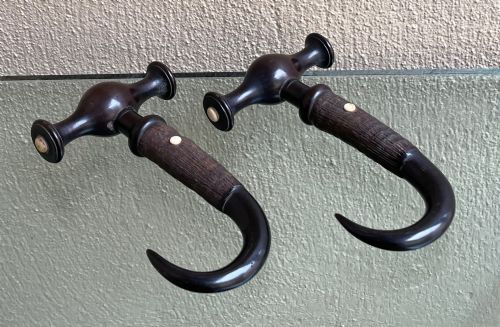
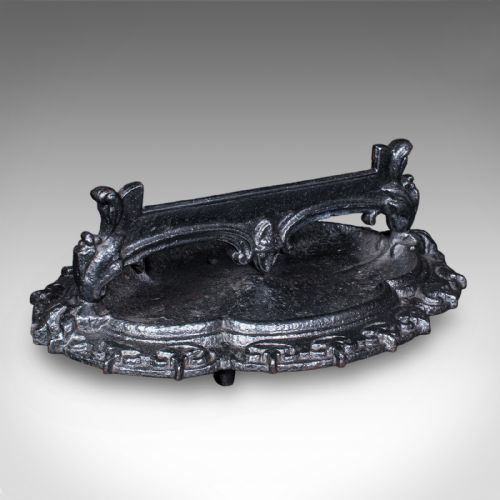
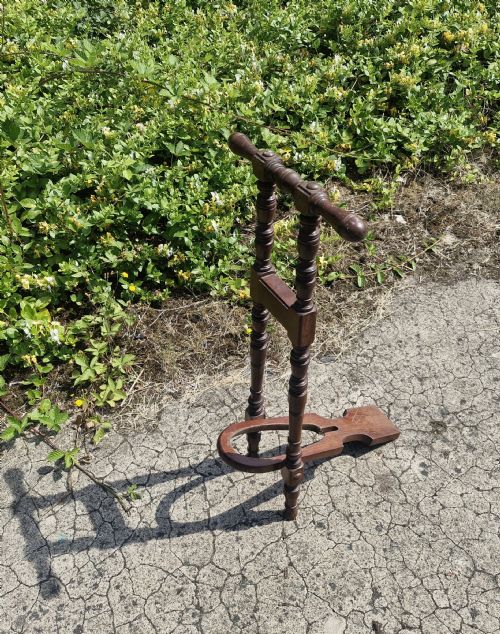
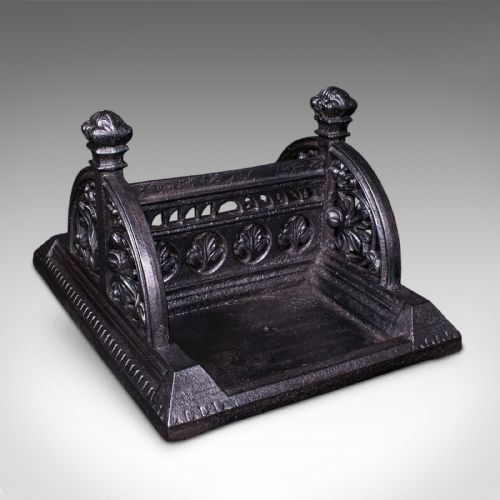
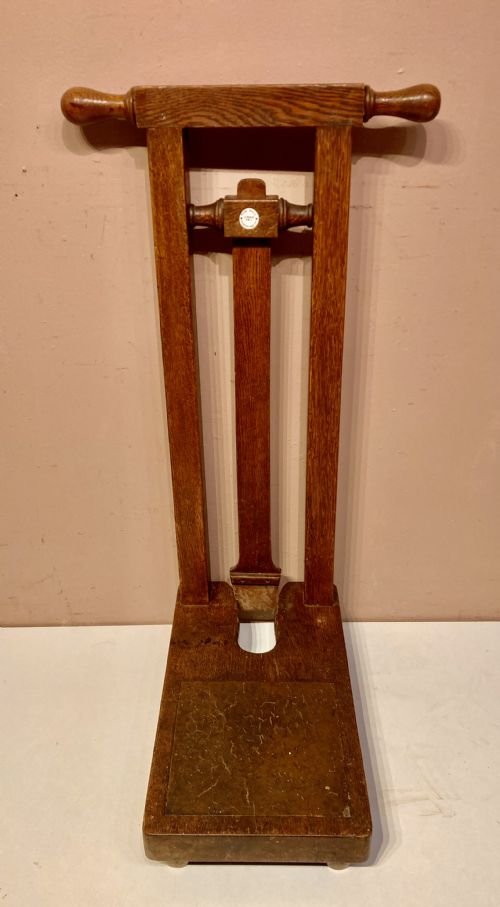
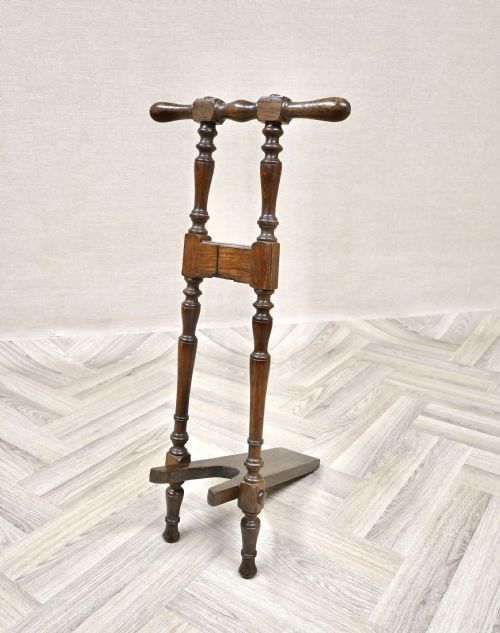
Antique boot pulls appear in various formats designed to assist in removing footwear after riding or outdoor pursuits. Buyers encountering these pieces will frequently find floor-standing boot jacks alongside handled hook tools fashioned for domestic or military use.
The selection spans periods from the Georgian era through the Victorian and Edwardian decades, reflecting the changing needs of English country houses and townhouses. Formats range from folding campaign accessories to heavy entryway scrapers fitted with integrated pull mechanisms.
Distinction in Craft
Superior examples demonstrate heavier gauge metals, finely grained timbers, and sophisticated folding engineering rather than basic utility casting. The integration of brass mounts, polished surfaces, and substantial wooden bases elevates finer pieces above standard household versions.
The distinction lies in the integrity of the materials and the refinement of the finish, separating simple functional hardware from pieces intended for prominent townhouse or country house halls.
Some Edwardian teddy bear button hooks ensured that even the most reluctant children faced their morning boot fastenings with a grin.
Tom Hill
The Antique Boot Pulls Glossary
- Boot jack
- A V-shaped device placed on the floor to grip the heel of a boot while the wearer steps out of the leather. These items are typically fashioned from oak, mahogany, or cast iron.
- Button hook
- A handheld tool with a small wire loop used for fastening boots or garments with numerous small buttons. Silver-handled versions were common personal accessories.
- Military campaign
- Portable folding equipment designed for officers on active service. These pieces utilise compact designs for ease of transport during deployments.
Antique Boot Pulls: Frequently Asked Questions
How do you use a boot jack?
You place the device flat on the floor, insert the heel of your boot into the V-shaped notch, and step on the back plate with your other foot. This action holds the boot steady as you pull your foot free.
Traditional floor models allow hands-free removal of tight riding boots, preventing damage to the leather heels during daily use.
What is the difference between a boot jack and a boot scraper?
A boot scraper sits outside the doorway to remove heavy mud and dirt from the soles using rigid metal blades. A boot jack operates inside the hall to assist in pulling the footwear off the foot.
Some townhouse entrance pieces combine both functions into a single heavy iron casting placed just inside or outside the threshold.
How do I date an antique boot pull?
Dating relies on the combination of materials, construction methods, and stylistic cues found across the piece. Georgian and Victorian examples often feature heavy oak, walnut, or cast iron, while Edwardian pieces introduce refined silver handles.
Folding campaign items frequently display specific mechanical patents or military associations that help narrow their production era.
Where should I place an antique boot pull in a modern home?
These pieces suit entrance halls, boot rooms, and porches where they serve their original purpose as functional shoe removal tools. Their robust metal and timber construction also makes them striking decorative objects.
Floor-standing wooden jacks and iron scrapers add historic character to rustic or traditional interior spaces.