


Antique Bookcase with Mirror
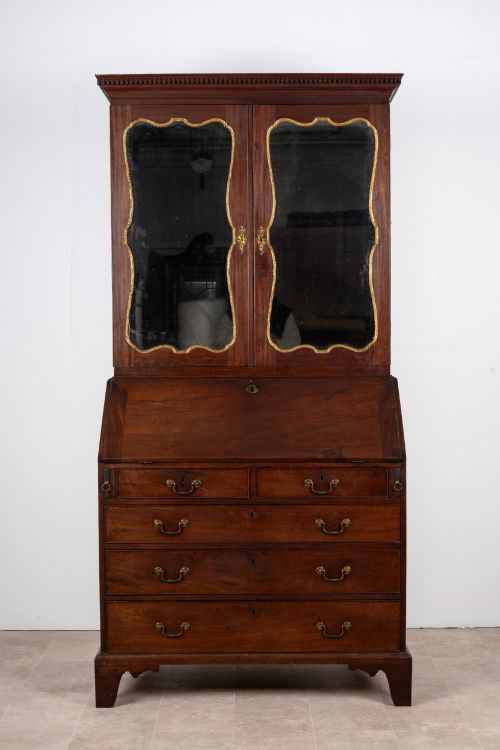
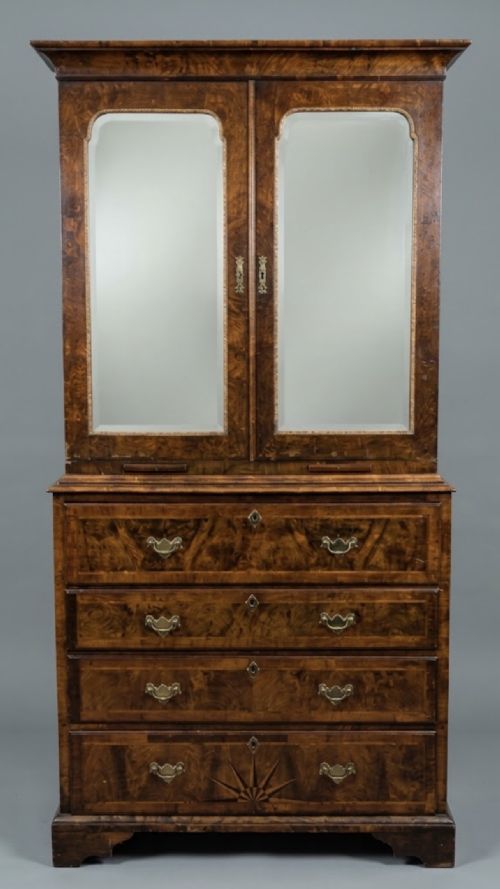
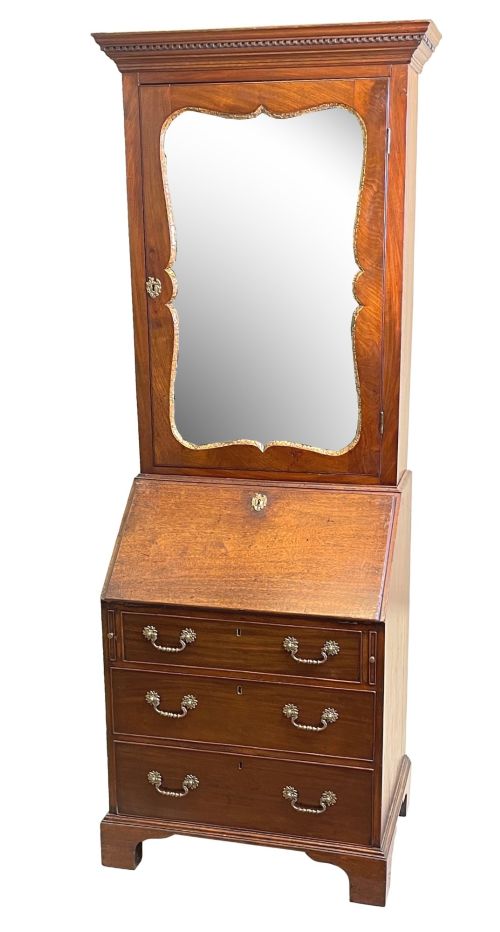
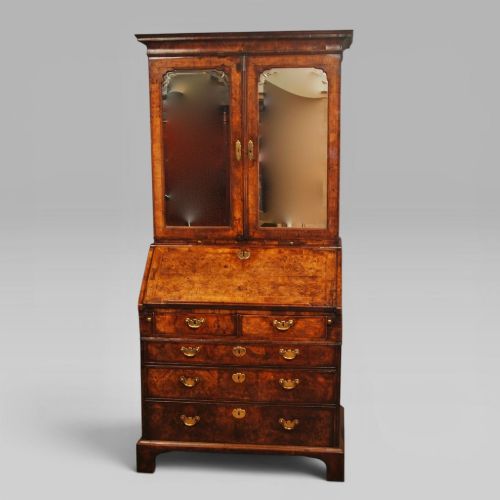
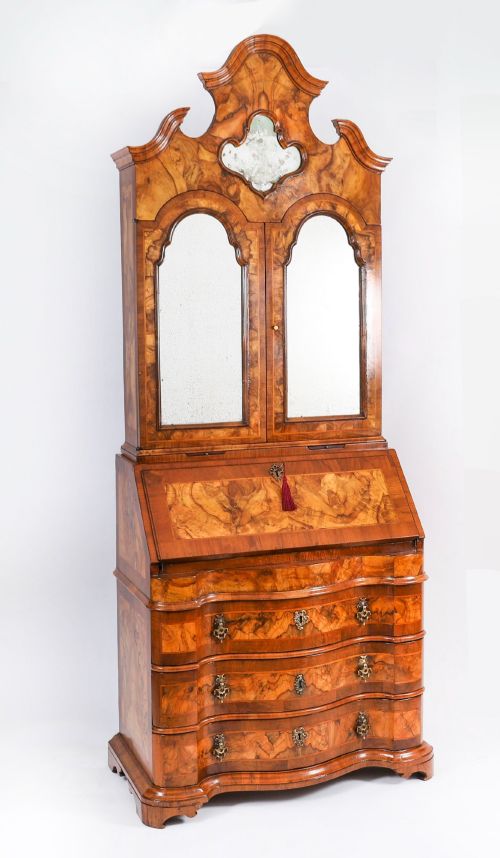
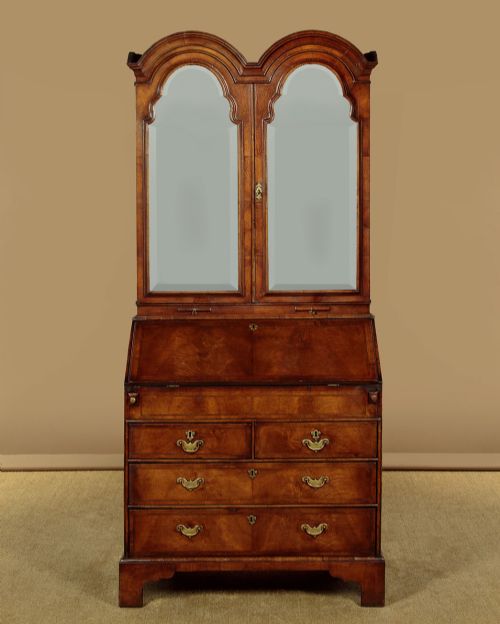
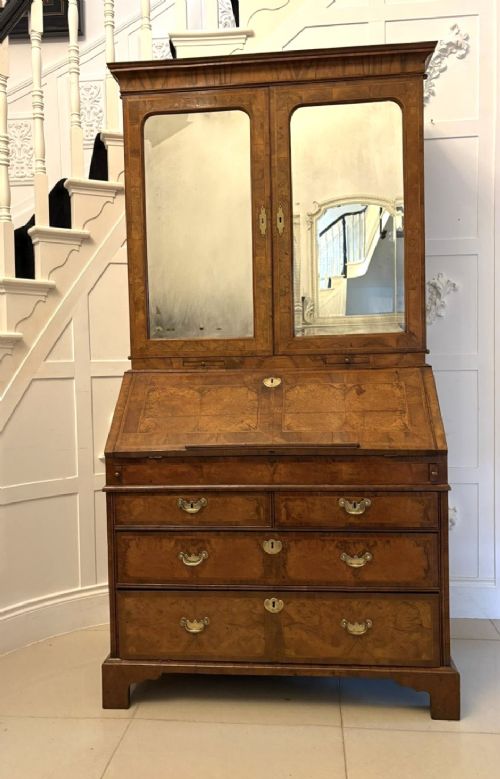
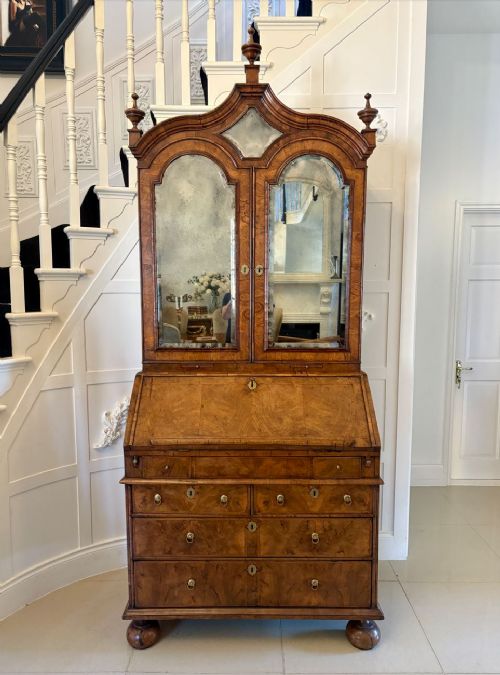
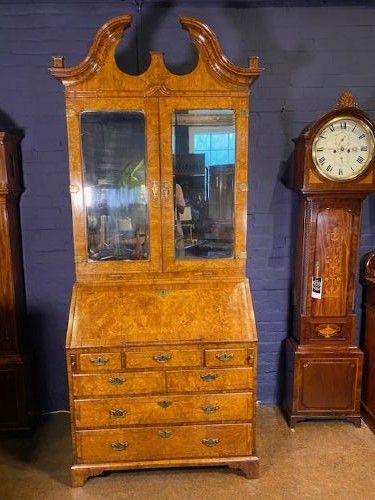
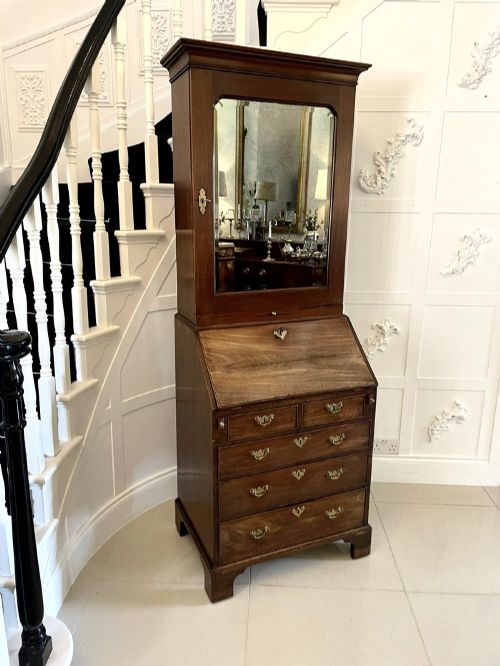
An antique bookcase with mirror combines fitted writing space and display with reflective glass, mostly arriving in walnut or mahogany from Georgian and eighteenth-century workshops.
Antique Bookcase with Mirror
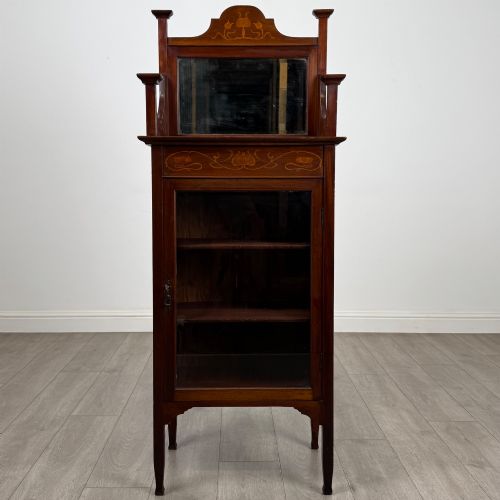
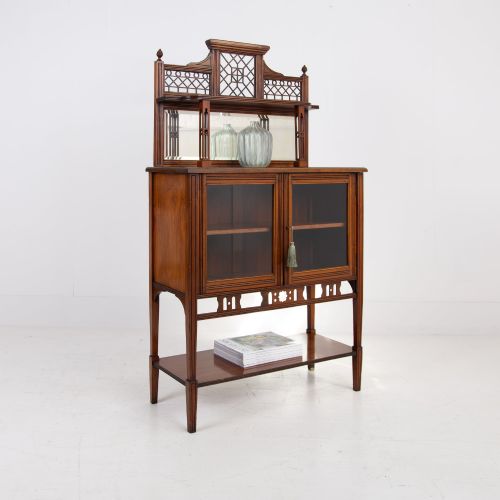
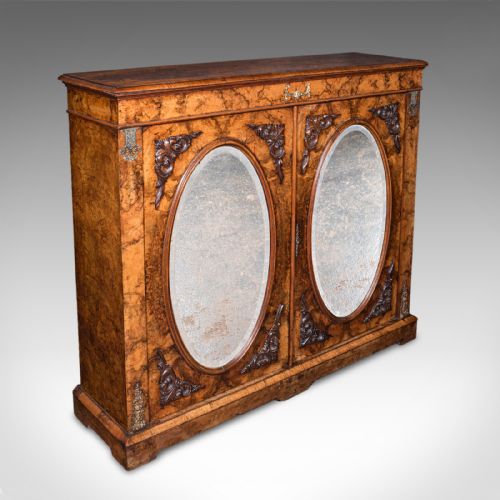
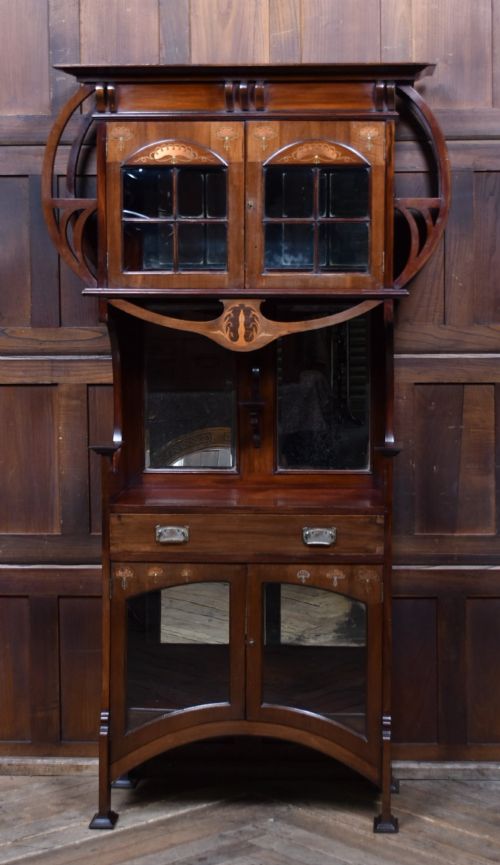
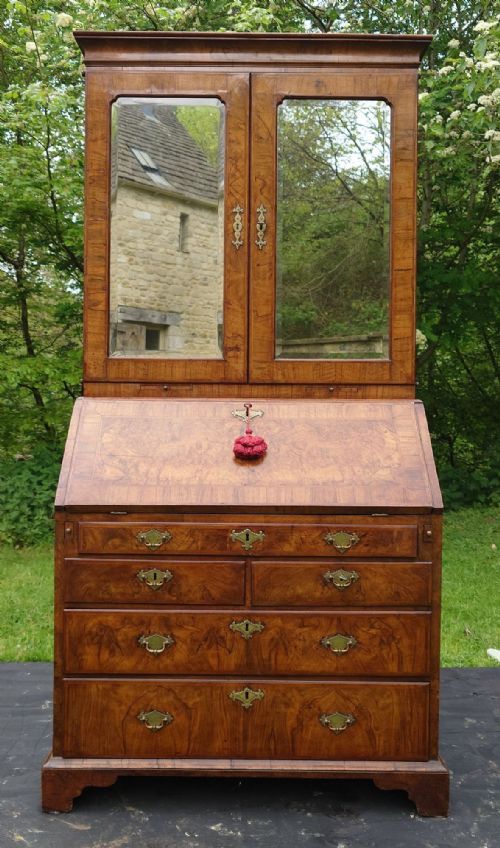
An antique bookcase with mirror serves as a grand storage piece combining closed shelving, a bureau or cabinet base, and reflective glass doors or backs. Buyers seeking this phrase usually encounter sophisticated bureau bookcases and display cabinets originating from eighteenth-century and Georgian periods, alongside later Edwardian and Victorian interpretations.
The form bridges utility and display, housing libraries while bouncing light around a room through bevelled or plate mirror glass. Walnut and mahogany dominate the selection, often arranged with double dome tops, fall-front desks, or inlaid satinwood details across various regional and revival styles.
Materials and construction
Cabinet makers constructed these pieces using dense hardwoods like walnut, burr walnut, and Cuban mahogany, frequently accented with brass hardware and glass mirror panels. Timber selection dictated the structural integrity, allowing craftsmen to cut fine veneers and shape fall-front desks or double dome cornices.
Mirrors were laboriously poured or blown, then silvered before being set into panelled doors or mirrored cabinet backs. Joinery relied on traditional dovetailing and pegged framing, ensuring the heavy upper bookcase sections remained secure atop the bureau or cabinet bases.
Antique Bookcase with Mirror Retail Price Guide 2026
Typical asking prices for bookcase with mirror among the pieces listed under this phrase on Sellingantiques today, from the lower quarter to the upper quarter. They describe what is for sale here now, not the wider market.
Listings feature pieces spanning the 1700s through to Edwardian revivals, dominated by walnut, mahogany, and glass materials.
Factors determining quality
Superior examples of an antique bookcase with mirror display exceptional figuration in the walnut or mahogany veneers, with grain patterns matched across the drawer fronts and doors. The depth of the carving, the crispness of the brass mounts, and the proportion of the cornice separate finer cabinetwork from simpler utility pieces.
Originality defines the upper tier of the market, favouring pieces that retain their original mirrored glass, backboards, and internal pigeonholes without extensive timber replacement. The sophistication of the interior configuration, including secret compartments and well-turned drawers, also elevates a piece.
The Antique Bookcase with Mirror Glossary
- Bureau bookcase
- A combination of a sloping fall-front writing desk and a shelved upper bookcase enclosed by doors. This form evolved significantly through the eighteenth century.
- Double dome
- A distinctive arched cornice shape on upper cabinet sections, characteristic of early walnut furniture from the Queen Anne and George I periods.
- Fall-front
- A hinged writing flap that pulls down to reveal a fitted interior of small drawers and pigeonholes. It provides a concealed workspace when closed.
- Chiffonier
- A low sideboard or cabinet featuring shelves or a mirror back, typically appearing in Regency and nineteenth-century forms. It offers lighter display options than a full bookcase.
- Display cabinet
- A glazed or mirrored piece designed primarily for showing porcelain and decorative objects rather than housing working libraries.
Antique Bookcase with Mirror: Frequently Asked Questions
How do I date an antique bookcase with mirror?
Dating relies on examining the timber species, construction methods, and hardware styles. Earlier pieces from the eighteenth century typically utilise walnut or Cuban mahogany with hand-cut dovetails and original mirrored door plates.
Later Edwardian and Victorian versions show different secondary woods, machine-cut elements, and revival decorative motifs. Comparing the mirror glass thickness and silvering technique further clarifies the period of manufacture.
Were mirror panels original to early bookcases?
Many early eighteenth-century pieces incorporated mirrored door plates to reflect candlelight and brighten dimly lit rooms. Examining the rebate and fixings helps determine if the glass belongs to the original construction.
Replacement mirrors occur frequently due to the fragile nature of historic glass. Original plates often exhibit minor oxidation and small imperfections consistent with age.
How do I maintain wood and mirror surfaces?
Keep these pieces away from direct sunlight and steady heat sources to prevent timber shrinkage and veneer cracking. Regular dusting with a dry, soft cloth maintains the polish.
Avoid harsh chemical cleaners on both the wood finish and the antique mirror glass. Microfibre cloths slightly dampened with distilled water safely remove dirt without harming fragile silvered backs.
What is the difference between a bureau bookcase and a display cabinet?
A bureau bookcase includes an integrated writing surface with a fall-front flap and internal compartments. This provides functional workspace alongside enclosed upper shelving for books.
A display cabinet focuses entirely on presentation with glass doors and open mirror backs, omitting the writing desk section. Cabinets are generally lighter in construction and intended for decorative items.