
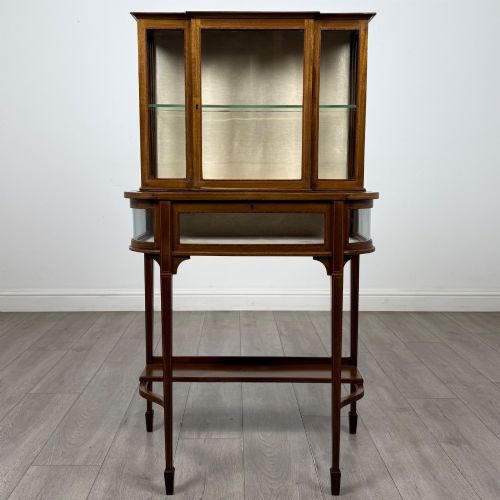
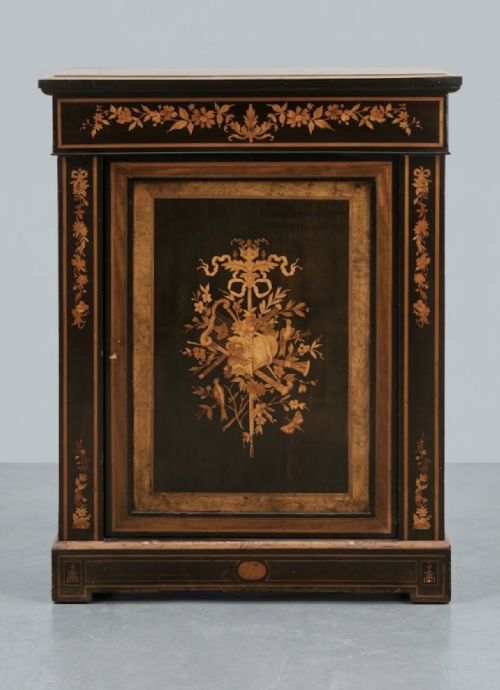
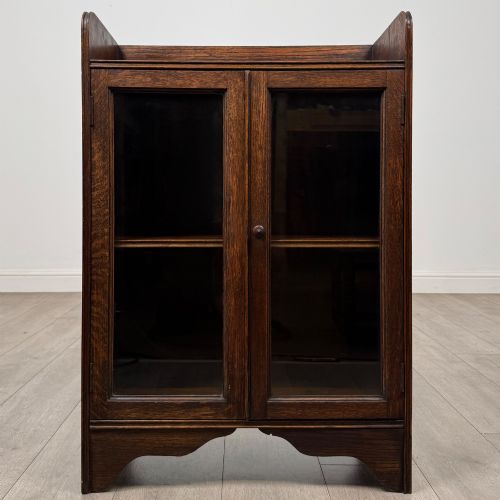
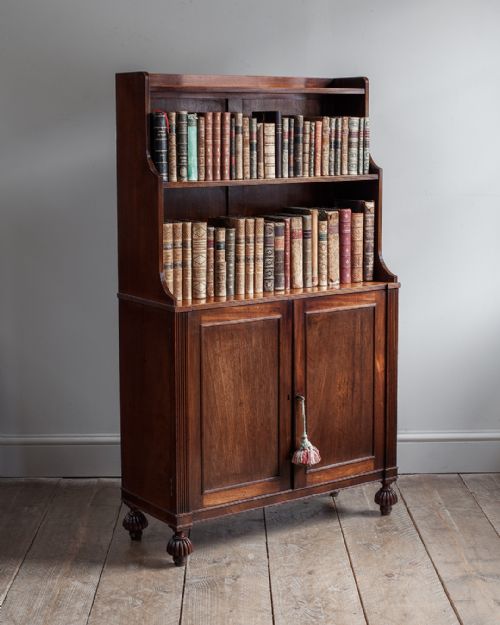
Antique Bookcase Display Cupboard
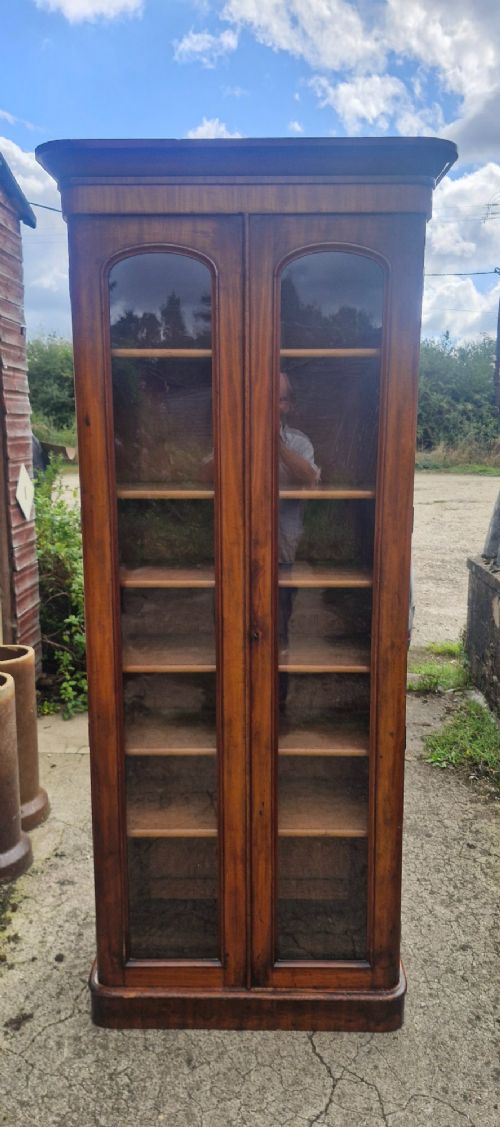
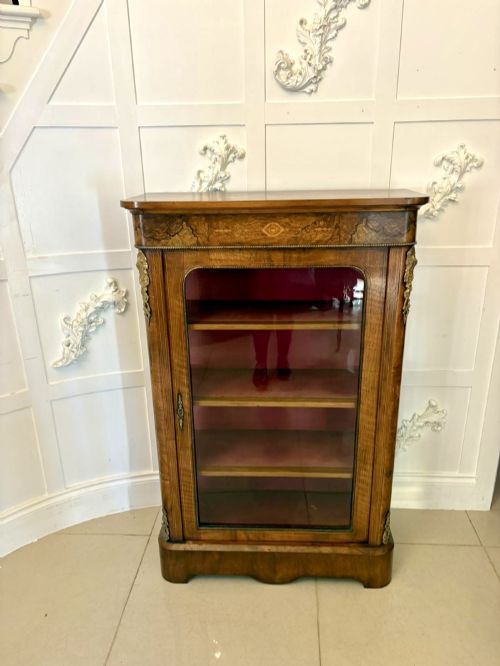
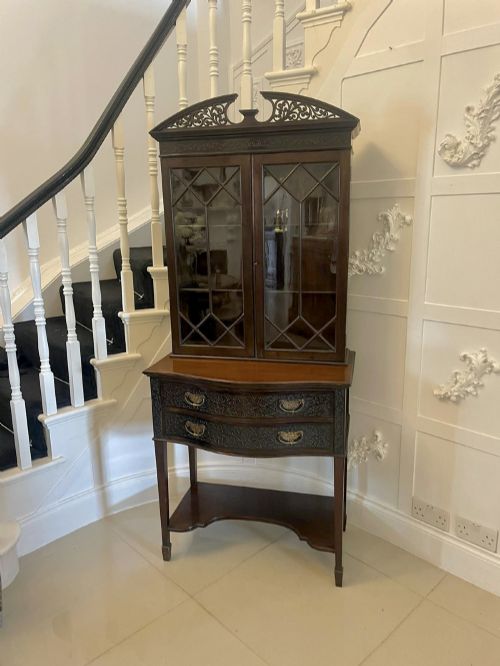
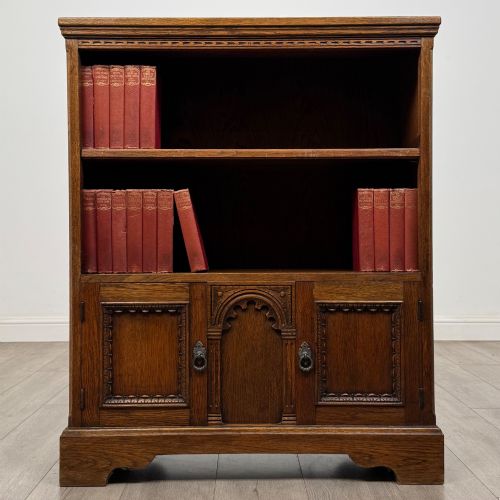
These antique bookcase display cupboards combine shelved storage with glazed compartments, offering a practical solution for holding volumes and exhibiting objects.
Antique Bookcase Display Cupboard
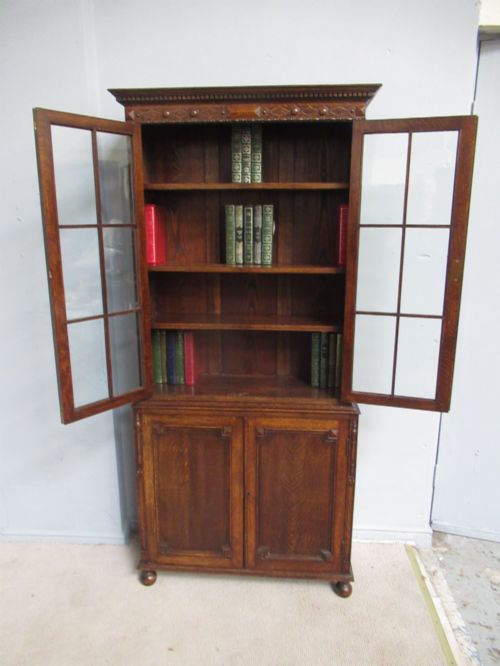
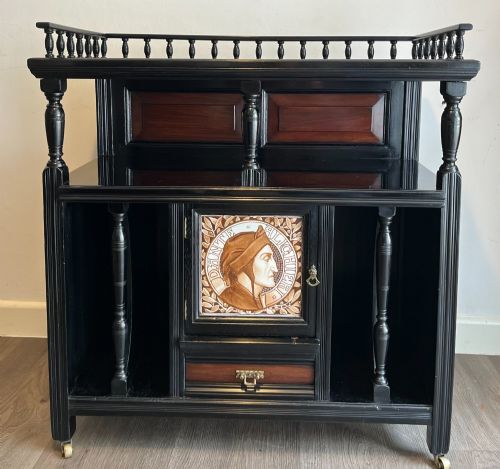
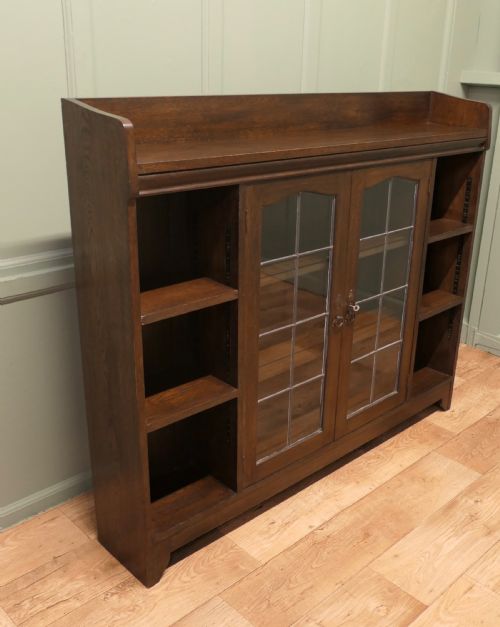
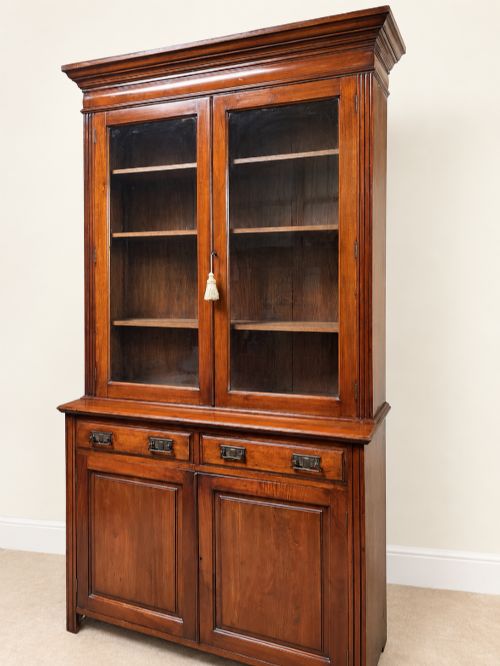
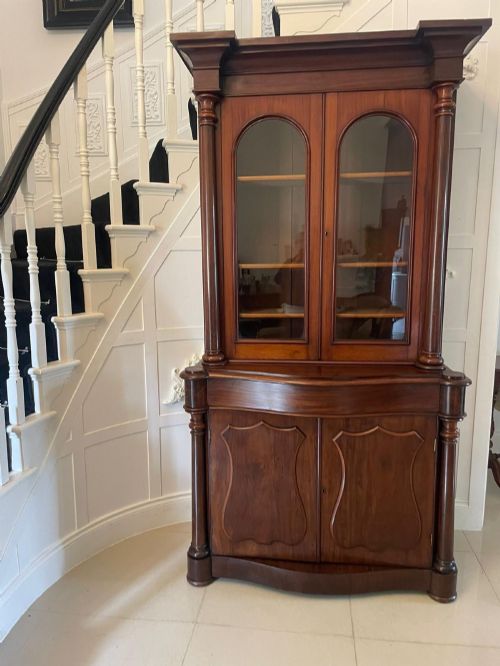
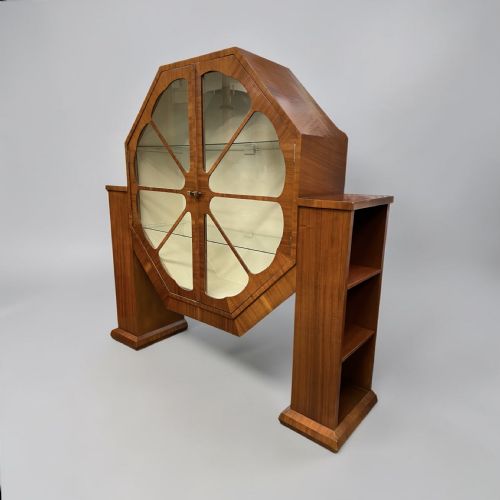
An antique bookcase display cupboard brings together timber shelving and enclosed cabinet space, often fronted by glass to show and protect the contents. Such hybrid furniture serves both library and parlour functions within domestic settings.
Buyers browsing this selection frequently encounter Victorian and Edwardian examples in mahogany or oak. These pieces range from tall breakfront designs to compact corner cabinets and glazed vitrines.
Origins span English, French and Scottish workshops, utilising regional timbers like pine and pitch pine alongside imported hardwoods. Pieces vary from simple school library shelving to finely inlaid reception room cabinets.
Materials and construction
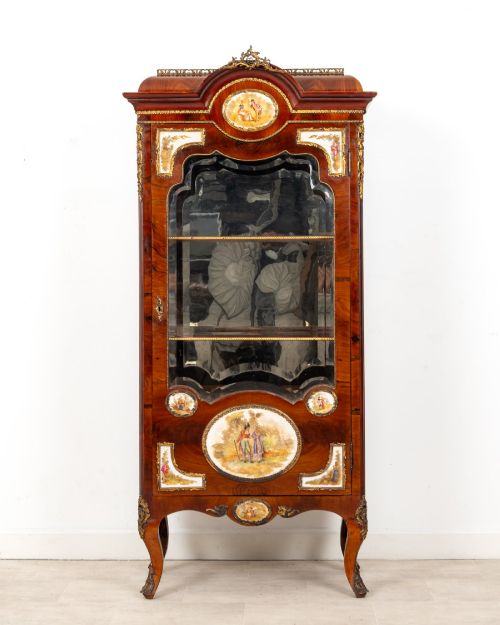
Cabinet makers relied predominantly on dense timbers such as mahogany, walnut and oak, often adding delicate veneers like satinwood or burr walnut to prominent surfaces. Brass hardware, lead cames and gilt ormolu mounts provide structural and decorative accents.
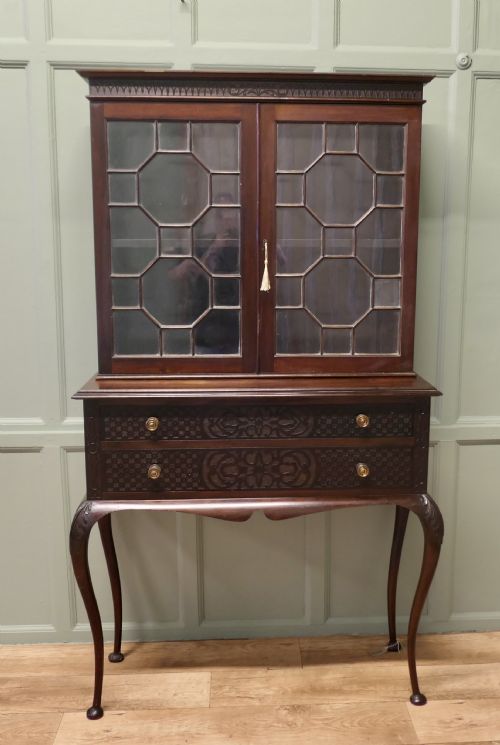
Glass panes are secured within timber frames or delicate astragal bars, while interiors frequently feature adjustable wooden shelving. Marquetry inlay, painted decoration and carved mouldings distinguish the finer iterations from utilitarian school and kitchen cupboards.
Listings feature woods ranging from mahogany and oak to satinwood, walnut, and pitch pine.
Judging the standard
Superior examples distinguish themselves through the choice of timber and the precision of decorative inlays, such as intricate marquetry or satinwood banding. The refinement of carved details and the integration of quality brass fittings or ormolu mounts signal higher workshop standards.
Structural integrity depends on seasoned timber that maintains drawer and door alignment over time. Original glass panes, functioning locks and intact painted or polished surfaces preserve the integrity of the piece.
Jas Shoolbred
The Antique Bookcase Display Cupboard Glossary
- Astragal glazed
- A method of dividing glass doors into smaller panes using narrow wooden mouldings. These bars form geometric or intersecting patterns across the front of the cabinet.
- Breakfront
- A large cabinet design where the central section projects forward from the flanking wings. This architectural arrangement creates depth and visual balance.
- Veneer
- A thin layer of decorative wood applied to a secondary timber base. Craftsmen utilise burr walnut or satinwood veneers to create figured grain patterns on flat surfaces.
- Pier cabinet
- A low display cabinet designed to fit narrow wall spaces between windows or doors. Victorian examples often feature glass doors and velvet-lined interiors.
- Ormolu
- Gilded bronze mounts applied to furniture for decorative effect. Makers use these metal ornaments to accent the corners and friezes of walnut and mahogany cabinets.
Antique Bookcase Display Cupboard: Frequently Asked Questions
How do I adjust the shelves?
Many Victorian and Edwardian bookcase cabinets feature adjustable wooden shelving supported by wooden ratchets, metal shelf studs or movable brackets. Users simply lift the shelf to clear the supports and reposition the pins at the desired height.
Older pieces with fixed shelving rely on permanent joinery and cannot be altered without modifying the interior structure. Checking the interior sides reveals whether the cabinet was built with adjustable tracks.
Were these made for books or china?
Makers constructed these hybrid pieces to serve dual purposes, housing working libraries in the upper glazed sections while storing tableware or curiosities in the lower cupboards. The proportions and shelf depths generally accommodate octavo volumes alongside decorative ceramics.
Kitchen and school variants lean towards utility, whereas parlour and drawing room cabinets prioritize display. Interior depth and adjustable shelf spacing dictate whether a particular piece suits heavy volumes or delicate porcelain.
How do I tell Victorian from Edwardian?
Victorian pieces tend to feature darker, heavier timbers like solid mahogany and burr walnut, often accompanied by rich carving, deep cornices and architectural breakfront lines. The construction emphasises substantial presence and formal utility.
Edwardian cabinets frequently employ lighter satinwood and mahogany with delicate Sheraton revival inlay, marquetry, and slender proportions. The overall aesthetic shifts towards brightness and refined neoclassical ornament.
Where should I place a glazed cabinet?
Positioning these cabinets away from direct sunlight protects vulnerable timber veneers and book bindings from fading over time. Stable ambient room temperatures prevent the solid wood and veneer from drying out and splitting.
Allowing sufficient clearance for swing doors and glass panels ensures safe daily access to the shelves. Corner cabinets make efficient use of dead space in smaller reception rooms.