

Antique Book Display Unit
An antique book display unit organises your volumes while bringing period timber and proportion directly into your room.
Antique Book Display Unit
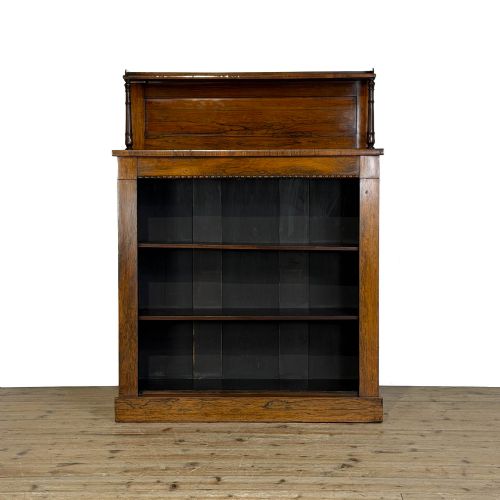
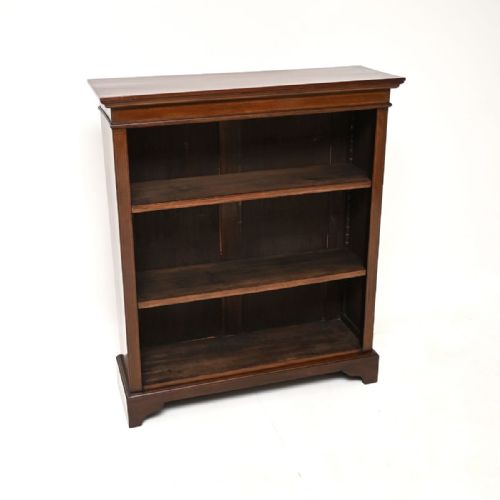
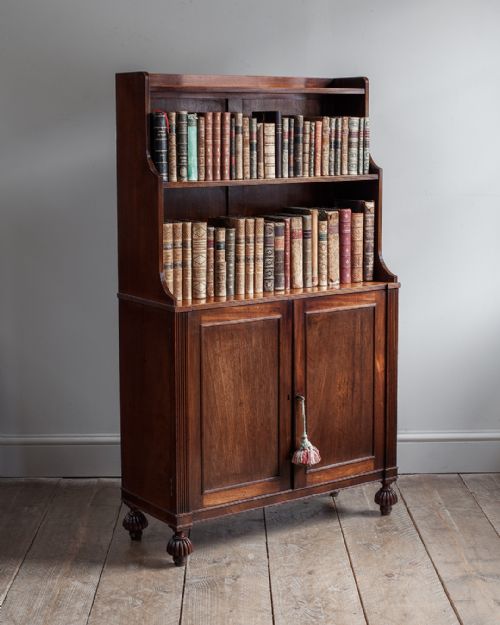
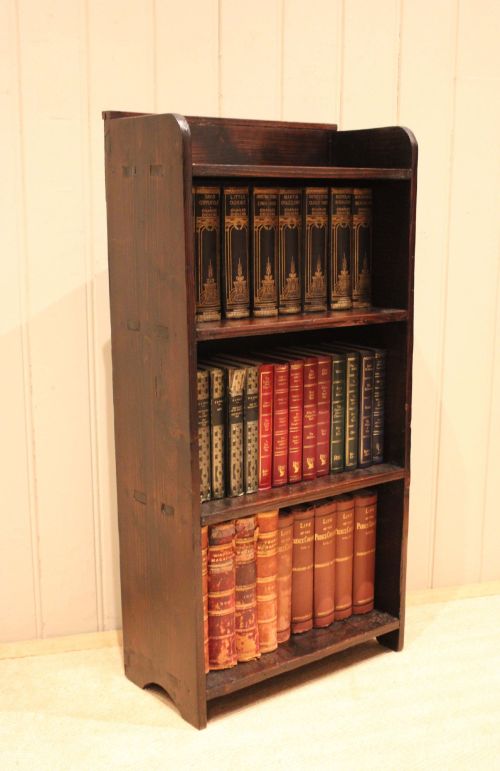
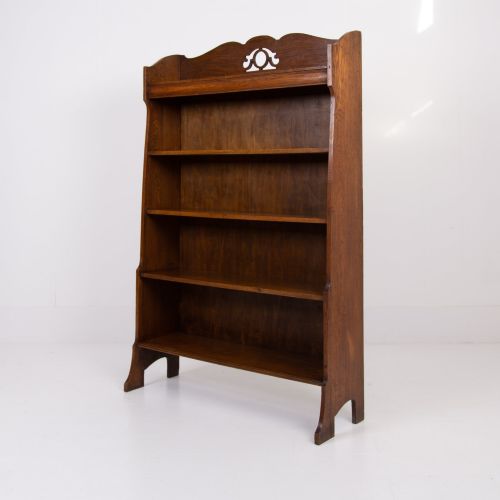
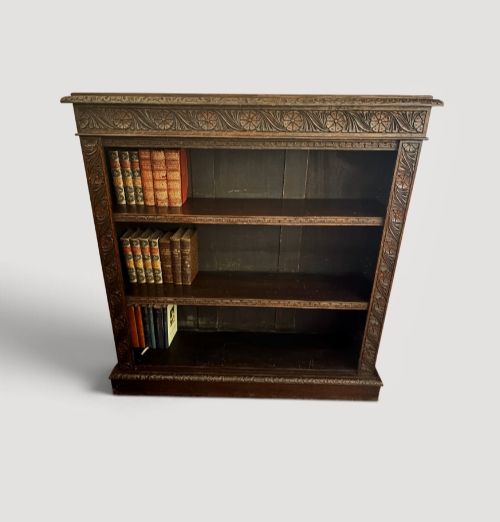
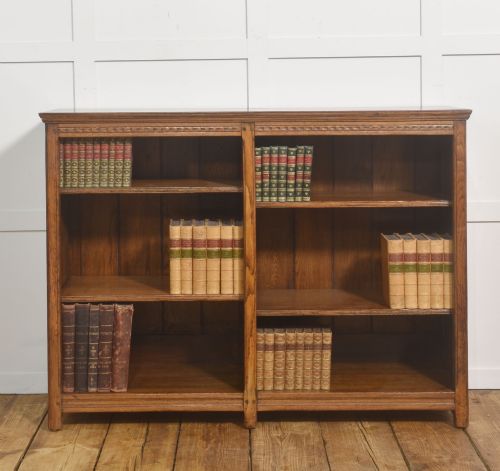
When you search for an antique book display unit, you encounter open bookcases, whatnots, etageres, and waterfall shelves designed to hold and present volumes. These pieces span the Victorian, Edwardian, and Regency periods, with a strong representation of early twentieth-century examples in oak and mahogany.
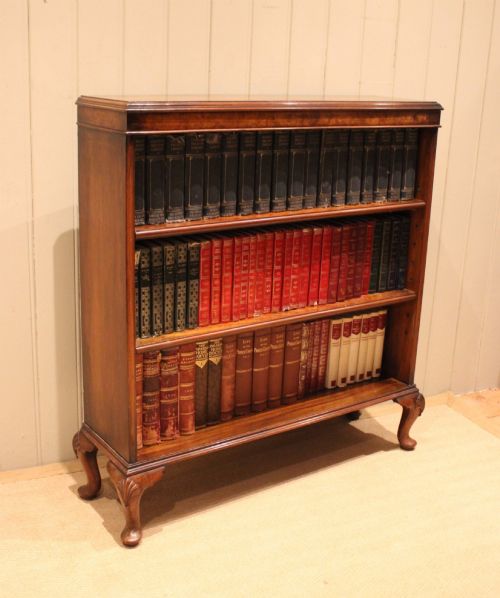
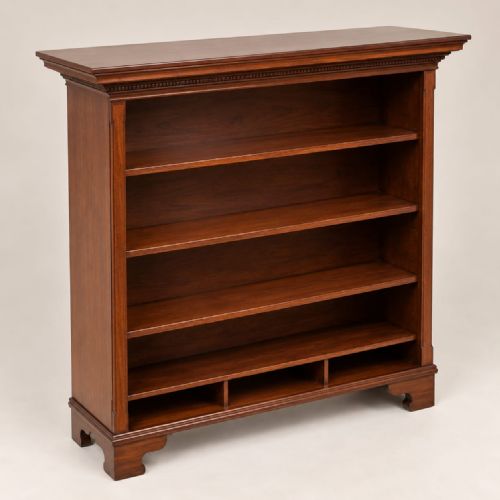
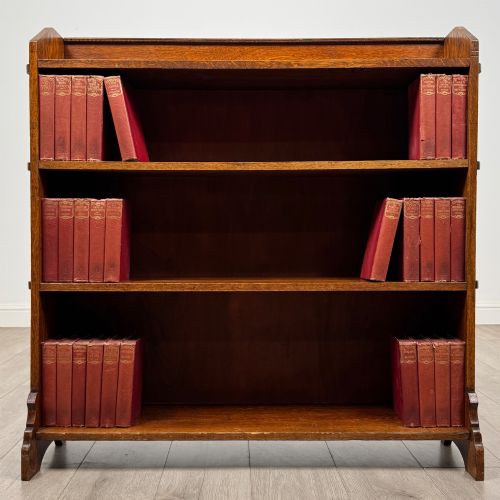
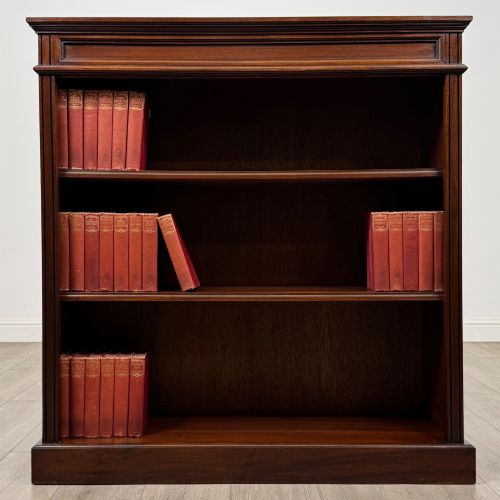
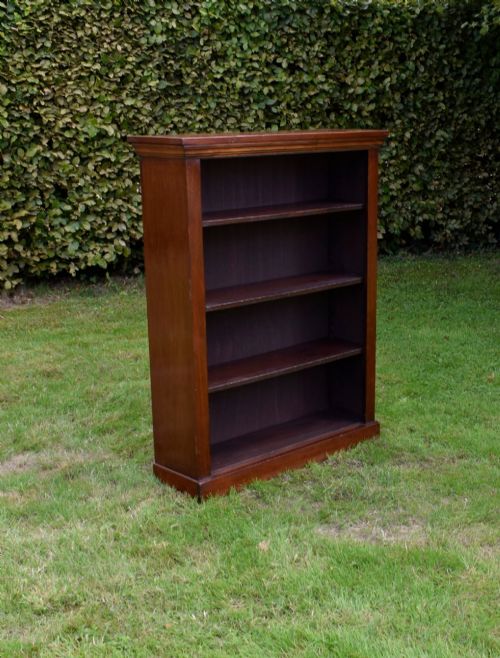
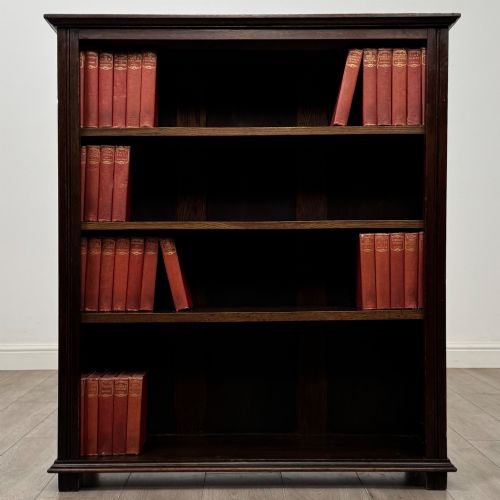
The most common form on this page is the open bookcase, often constructed in oak or mahogany with adjustable shelves to accommodate varying book sizes. You will also find revolving bookcases, stepped open bookcases, and tiered etageres that serve the same display function in tighter spaces.
How they were made
Cabinet makers utilised solid timbers and veneers such as oak, mahogany, walnut, rosewood, and satinwood, applying brass fittings for hardware and occasionally fabric linings. Structural integrity depended on traditional joinery, which allowed shelves to remain adjustable on timber ratchets or brass pins.
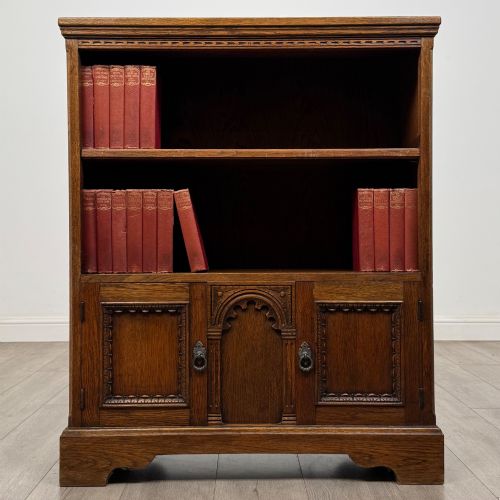
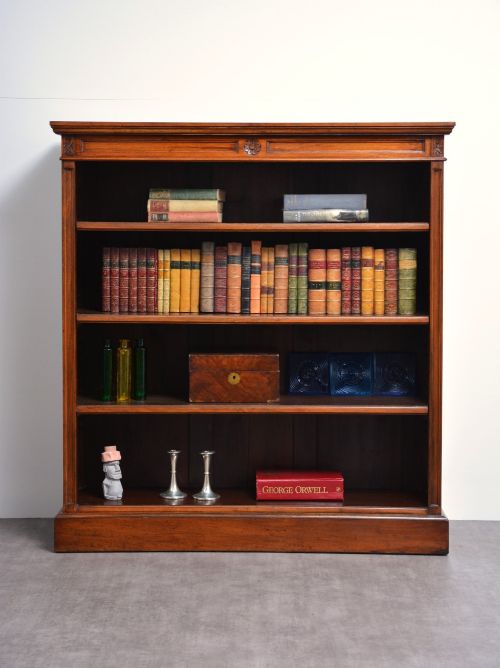
Surface treatments ranged from polished mahogany and golden oak to carved details and inlaid marquetry, particularly on Edwardian and Victorian pieces. Some examples feature painted finishes or rustic country styling, reflecting the diverse workshops producing storage furniture across the nineteenth and twentieth centuries.
Listings feature oak, mahogany, walnut, rosewood, satinwood, pine, and brass across Victorian, Edwardian, Regency, and Art Deco styles.
What varies in quality
The distinction between standard utility furniture and finer pieces lies in the choice of timber figure, such as burr walnut or figured mahogany, and the crispness of any applied carving or inlay. Superior examples often incorporate functional refinements like smoothly operating adjustable shelving systems and robust framing that prevents the side panels from bowing under weight.
Construction methods also dictate quality, separating mass-produced twentieth-century carcases from meticulously dovetailed and hand-finished library pieces. Proportion and balance define the aesthetic success of a display unit, ensuring the cornice, plinth, and uprights harmonize visually.
The Antique Book Display Unit Glossary
- Whatnot
- A set of open shelves for displaying books and ornaments, popular during the Victorian period. These tiered stands often feature slender uprights.
- Waterfall bookcase
- A shelving unit with shelves that recede in depth from bottom to top, following a stepped profile. This design safely displays smaller volumes at eye level.
- Revolving bookcase
- A low shelving unit mounted on a rotating spindle or base for easy book selection. Edwardian examples in mahogany or inlaid timber are frequently encountered.
- Breakfront
- A cabinet or bookcase where the central section projects forward from the side sections. This architectural arrangement adds depth and formal presence to larger library furniture.
- Étagère
- A French term for an open piece of furniture with multiple levels for display. Nineteenth-century versions often combine shelving with slender supports.
Antique Book Display Unit: Frequently Asked Questions
What is an antique book display unit?
An antique book display unit is a piece of furniture designed to hold and showcase books, encompassing open bookcases, tiered whatnots, and revolving stands.
These items originated in periods such as the Regency, Victorian, and Edwardian eras, utilising hardwoods like oak, mahogany, and walnut to combine practical storage with decorative presence.
How were these units used originally?
Originally, these units served in libraries, parlours, and studies to organise growing personal book collections and display decorative objects.
Open shelves allowed for quick access to frequently read volumes, while revolving designs and smaller whatnots sat beside chairs or in corners for convenience.
How do I choose the right size?
Consider both the available wall space in your room and the height of the volumes you intend to store.
Units with adjustable shelves offer flexibility for mixed book collections, while low revolving bookcases or compact waterfall units suit smaller spaces without dominating the interior.
How do I care for period timber?
Keep wooden display units away from direct heat sources and strong sunlight to prevent the timber and veneers from drying out or fading.
Dust regularly with a soft, dry cloth and occasionally apply a suitable wax polish to nourish the grain and maintain the surface sheen.