




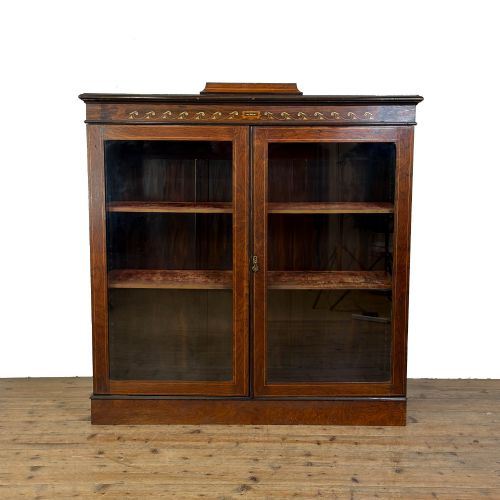
Antique Book Display Case
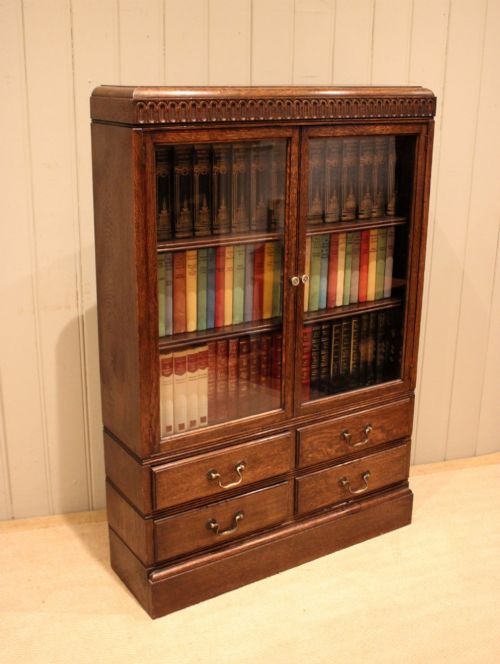
When you search for an antique book display case, you are looking at timber furniture made to protect precious volumes while showing them off through glass.
Antique Book Display Case
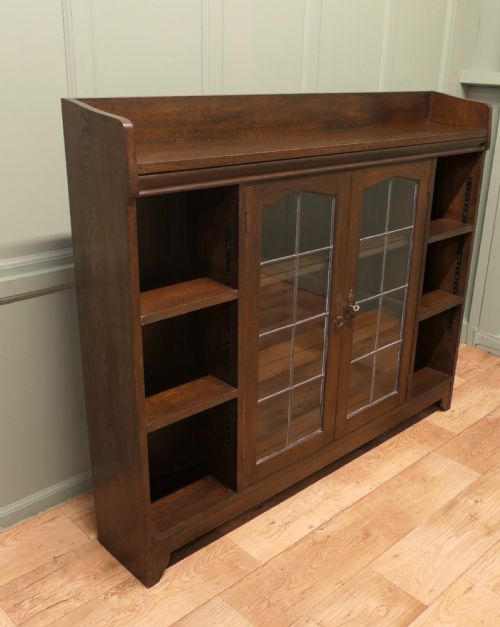
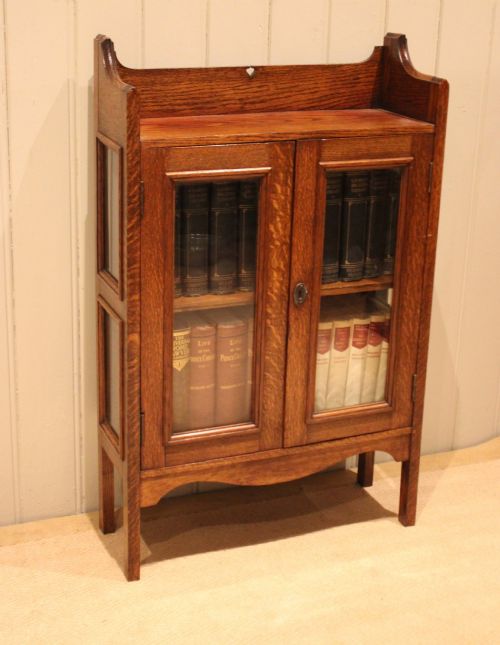
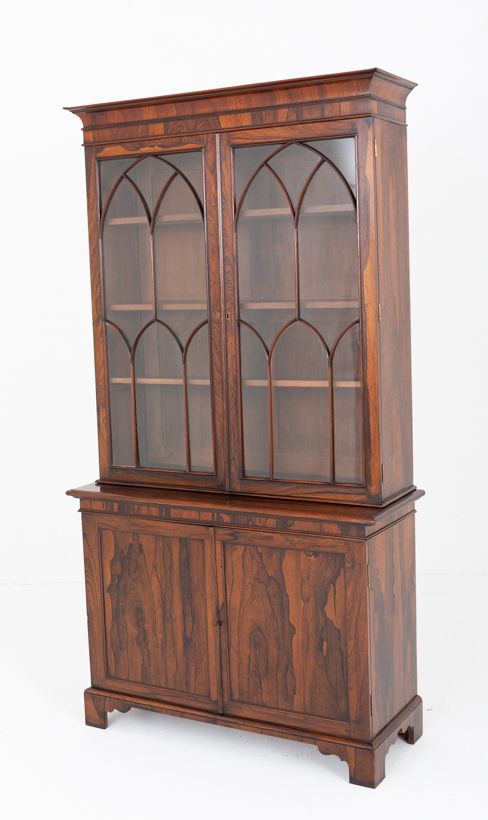
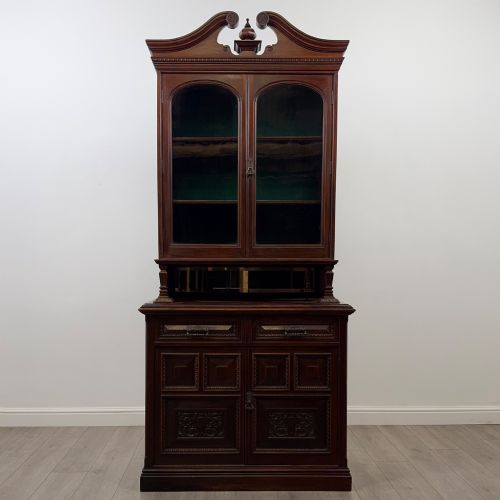
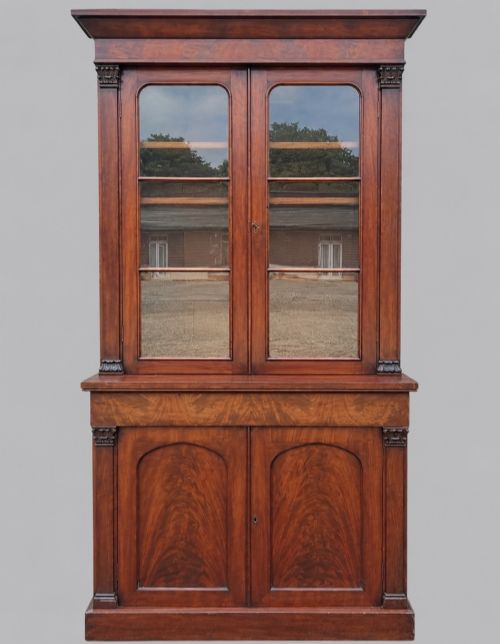
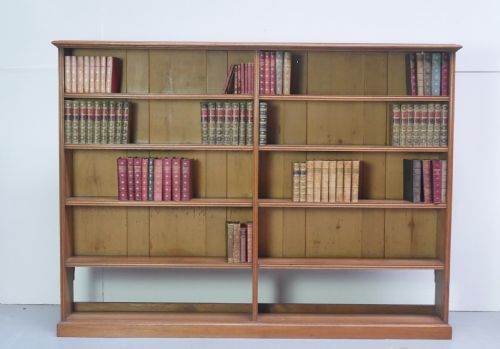
An antique book display case is a piece of furniture built to hold books behind glass doors or open shelving, keeping libraries clean while making volumes visible. When you browse this selection, you encounter forms ranging from tall Victorian library cabinets to compact Edwardian display pieces.
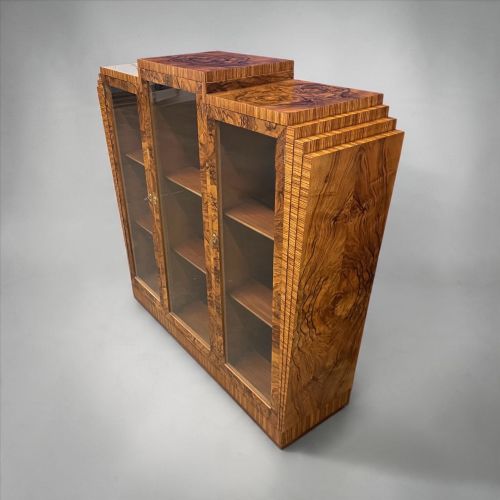
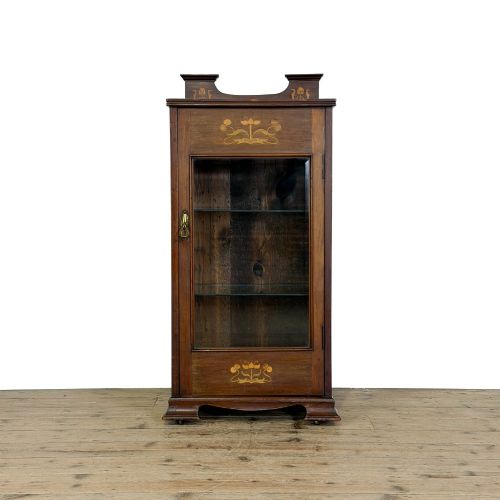
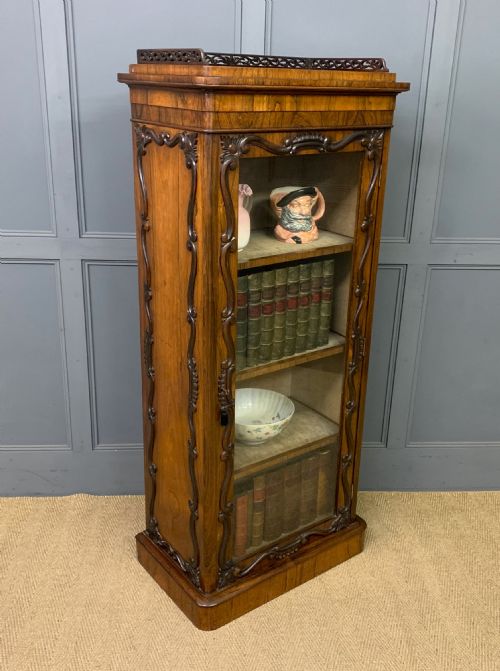
The pieces listed span the nineteenth and early twentieth centuries, drawing on styles such as Arts and Crafts, Art Deco, and Victorian cabinet-making. You will frequently find tall mahogany or walnut cabinets featuring glazed doors alongside smaller oak and rosewood variants designed for domestic rooms.
Materials and construction
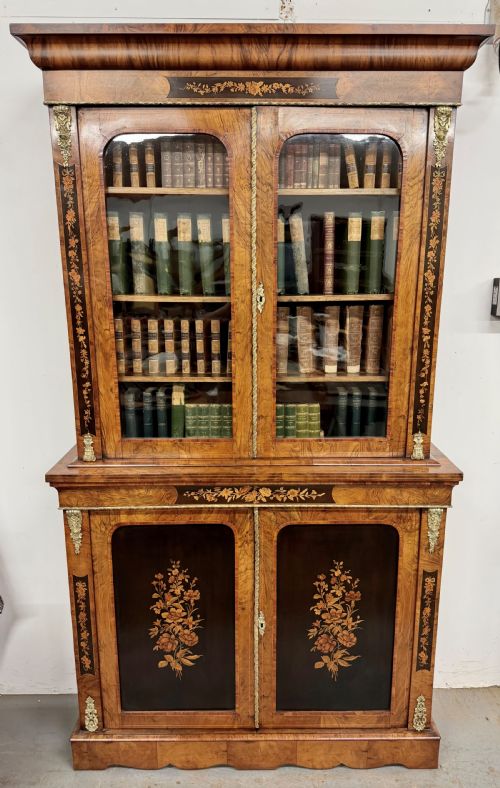
Cabinet makers built these cases primarily using solid and veneered timbers including mahogany, oak, walnut, and rosewood, often pairing dense woods with lighter decorative inlays like satinwood. Glazing required lead, brass framework, or delicate timber astragals to hold individual panes of glass securely within the doors.
Interior construction typically incorporated adjustable wooden shelving supported by peg systems or rackwork to accommodate varying book heights. Workshops applied wax, polish, or paint finishes to seal the timber, whilst higher-end examples integrated marquetry, hand-carved fretwork, or ormolu mounts.
Antique Book Display Case Retail Price Guide 2026
Typical asking prices for book display case among the pieces listed under this phrase on Sellingantiques today, from the lower quarter to the upper quarter. They describe what is for sale here now, not the wider market.
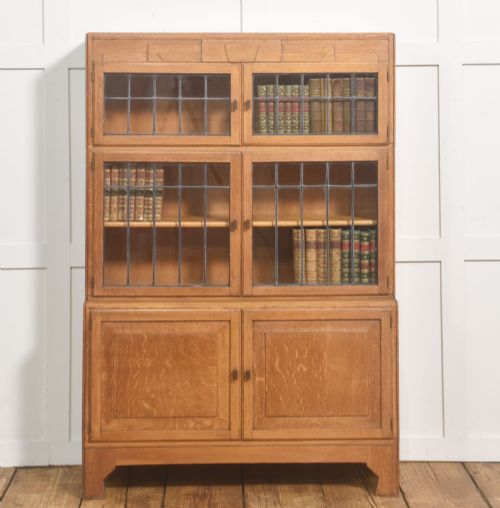
Some stacking bookcases let you expand your personal library vertically one wooden box at a time like miniature architectural skyscrapers.
What separates the tiers
The distinction between standard utility cases and exhibition-grade pieces rests on timber selection and timber preparation. Workshops using highly figured flamed mahogany, burr walnut, or kingwood achieved visually arresting grain patterns that cheaper pine or plain oak carcases simply lack.
Joinery execution and decorative restraint dictate the upper tier of craftsmanship. Fine dovetailing, precise astragal glazing bars, and crisp hand-carved mouldings separate master workshop output from mass-produced factory alternatives.
James Winter·T. Inglesant & Sons Leicester
The Antique Book Display Case Glossary
- Astragal glazed
- Glass doors divided into smaller window panes by slender wooden mouldings called astragals. This method provides traditional structural support for larger door openings.
- Breakfront
- A cabinet design where the central section projects forward from the flanking wings. This architectural layout creates depth and shadow across the front elevation.
- Marquetry
- Decorative veneer patterns formed by fitting together contrasting pieces of thin wood or organic materials. Artisans used this technique to create floral or geometric tableaus on cabinet doors.
- Vitrine
- A glass-sided display cabinet designed primarily for viewing objects from multiple angles. In book furniture, it denotes cases with extensive glass panels.
- Stacking bookcase
- Modular shelving units designed to be stacked vertically, often featuring upward-lifting glass doors. These let owners expand their library storage incrementally.
Antique Book Display Case: Frequently Asked Questions
How do I clean the glass safely?
Use a soft microfibre cloth and a mild ammonia-free glass cleaner applied to the cloth rather than sprayed directly onto the wood. This prevents liquid from seeping into fragile antique timber frames.
Take care around leaded or astragal joints where moisture can weaken old adhesives and putty over time.
Are the shelves adjustable?
Many period examples include adjustable shelving systems, often using wooden notches, brass ratchets, or peg supports. This allows you to alter shelf heights for varying book sizes.
Simpler or earlier vernacular pieces sometimes feature fixed shelving secured directly into the cabinet carcase sides.
How do I protect old leather bindings?
Keep wooden cases out of direct sunlight and away from heat sources to prevent leather from drying out and cracking. Consistent room temperature preserves both the books and the cabinet timber.
Ensure adequate ventilation inside enclosed glazed sections to avoid dampness accumulating around paper and binding glues.