

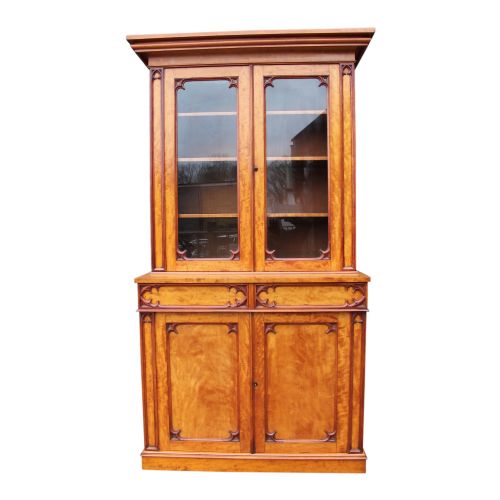
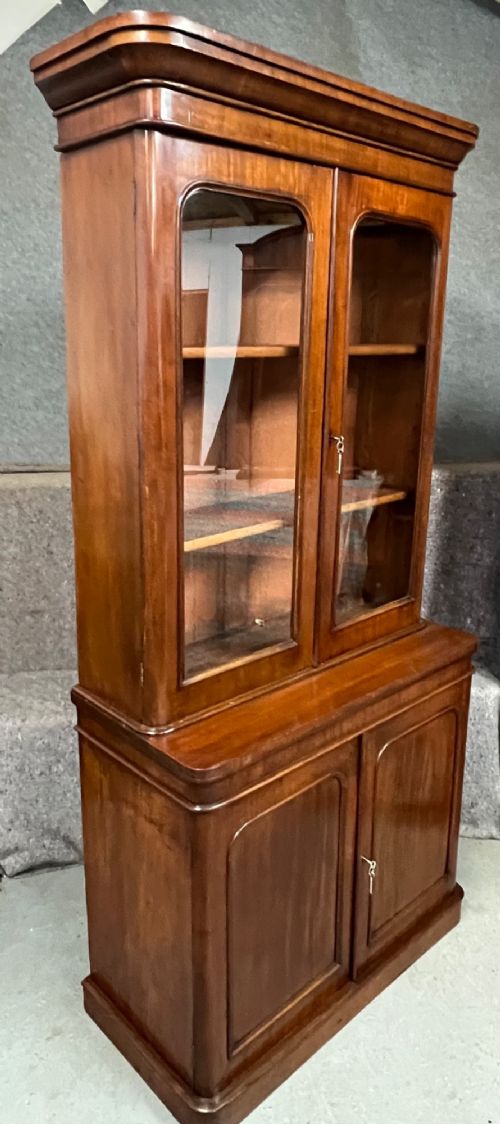
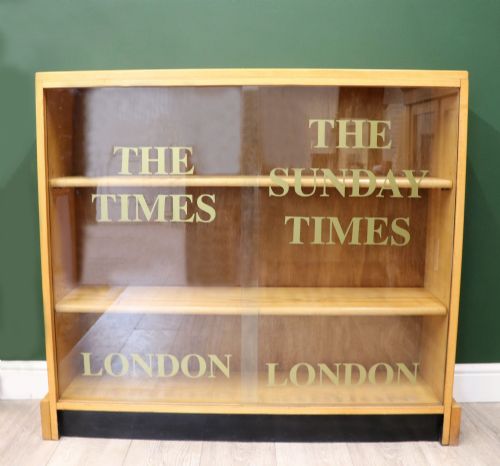
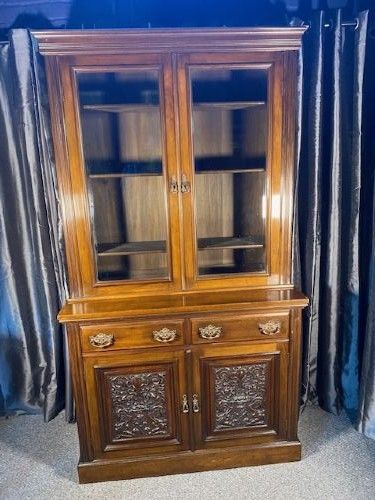
Antique Book Display Cabinet
An antique book display cabinet brings together the practical storage of a library and the clear presentation of a vitrine.
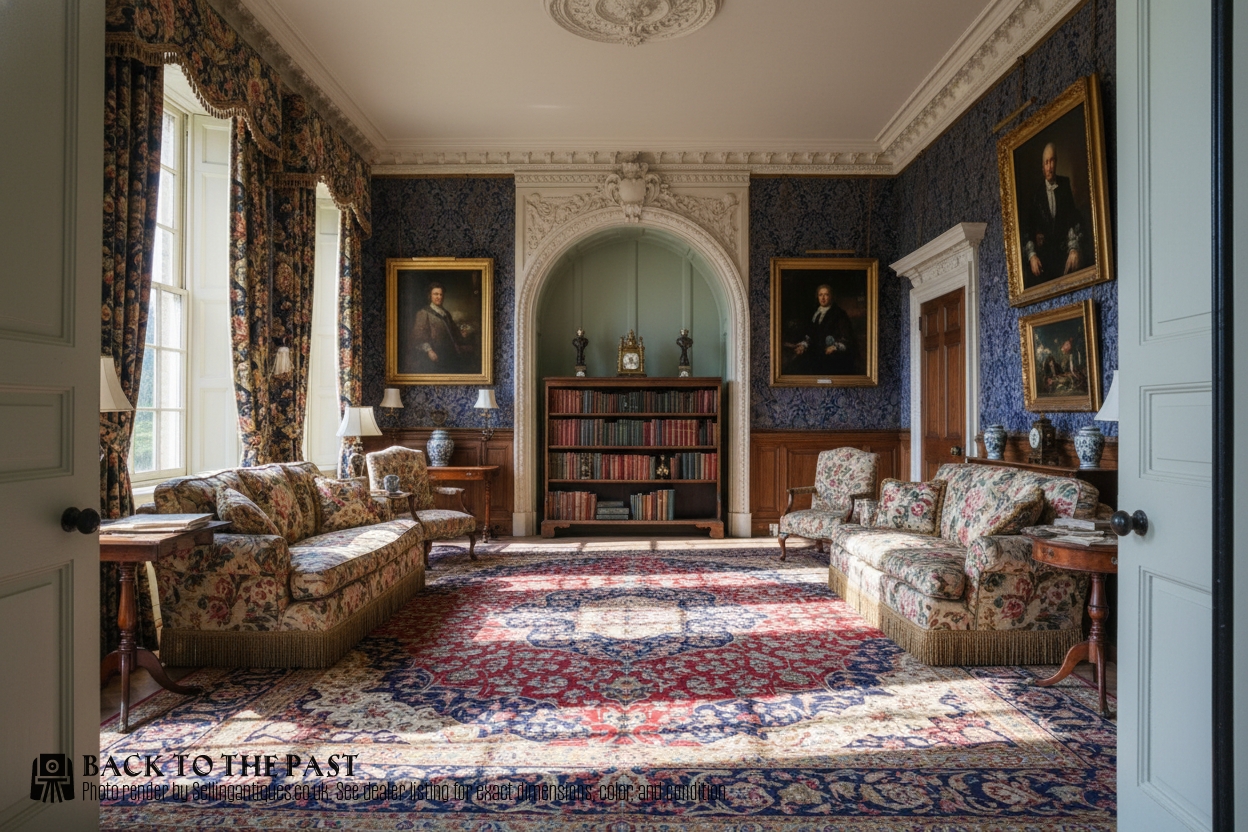
Antique Book Display Cabinet
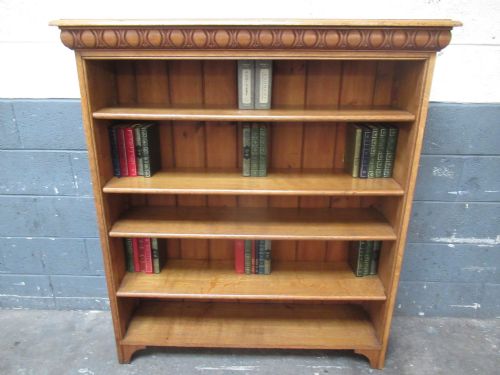
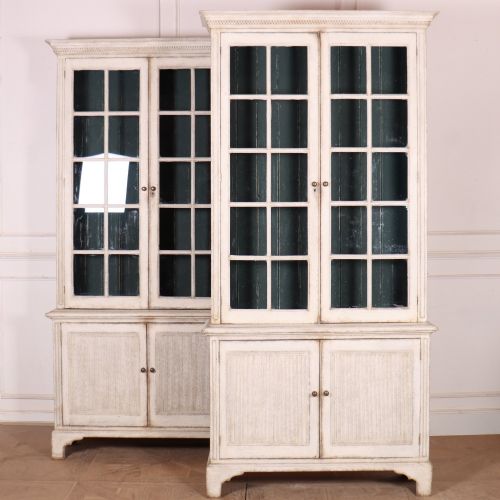
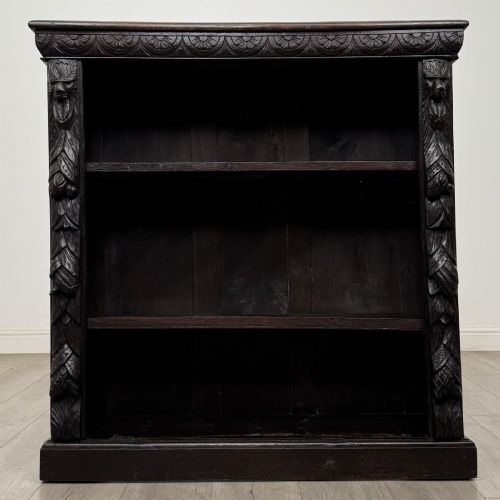
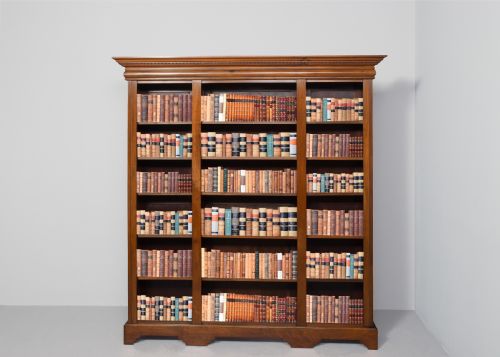
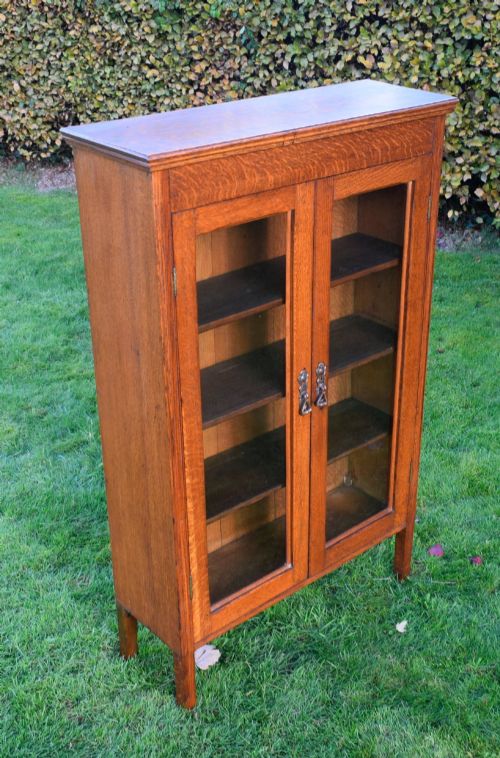
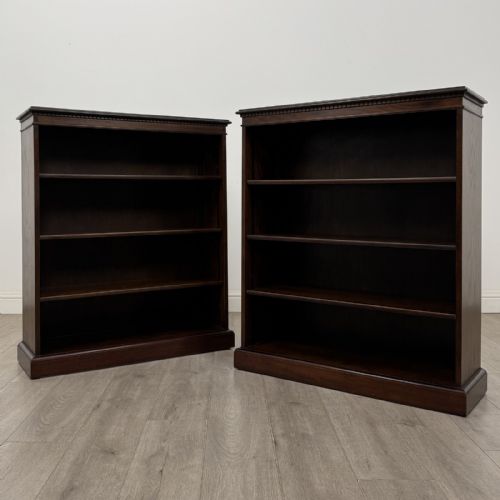
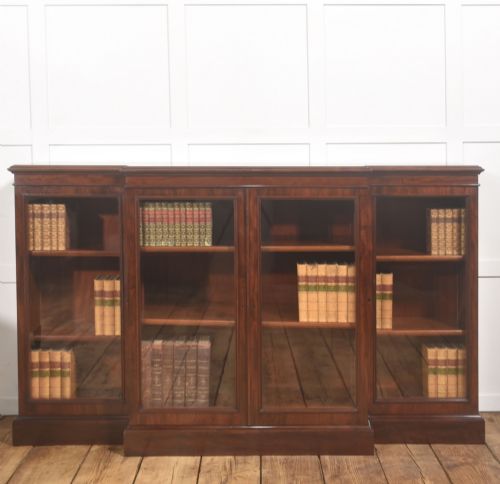
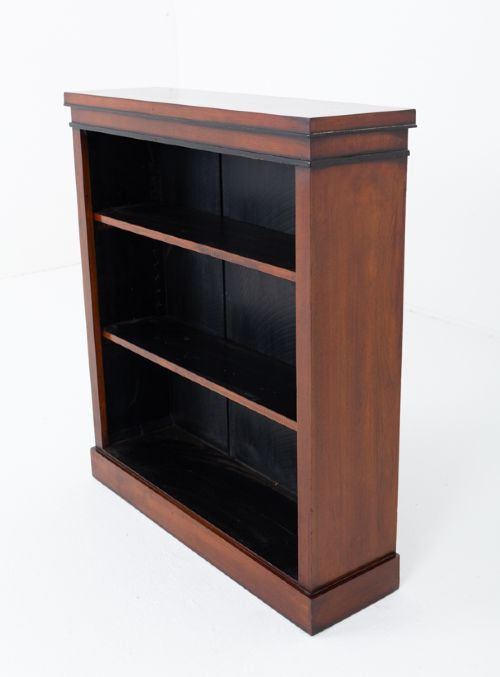
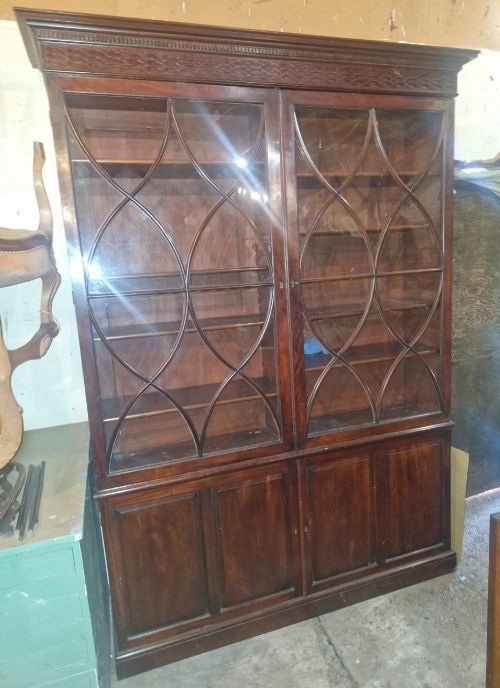
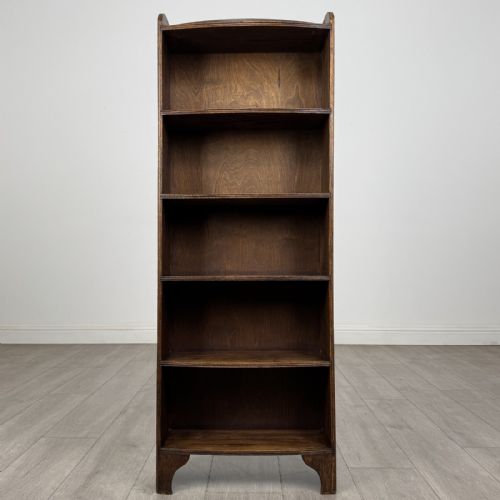
An antique book display cabinet serves to organise volumes while keeping contents visible through glazed doors or open shelves. Pieces range from tall breakfront library cabinets down to small Edwardian open forms and compact Regency styles.
The material palette spans rich hardwoods like mahogany, walnut, and rosewood alongside durable oak and pine. Construction dates from the Georgian and Regency eras through the Victorian and Edwardian periods into Art Deco designs.
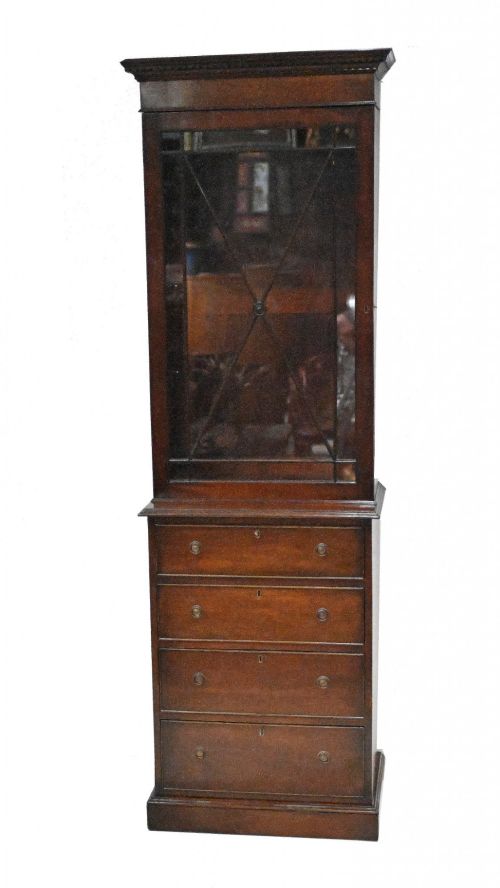
Buyers encounter both open shelving units and closed glazed cabinets designed for home libraries, morning rooms, and drawing rooms. Proportions vary from narrow wall-standing pieces to large triple-section library furniture.
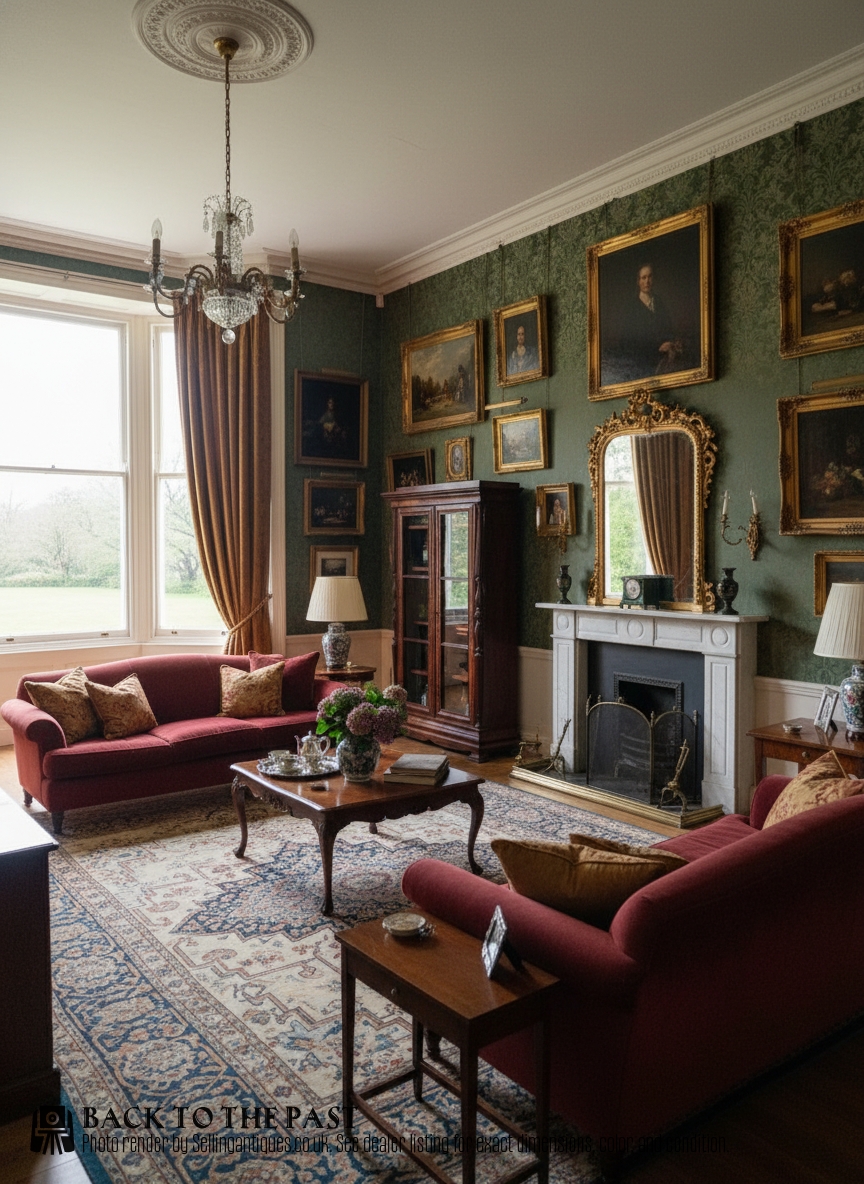
Materials and Construction
Cabinet makers built carcasses in solid timbers such as oak and pine, applying veneers of mahogany, walnut, and burr walnut to visible exterior surfaces. Figured grains and book-matched panels create symmetrical patterns across large doors and fronts.
Glazing employs timber glazing bars, sometimes arranged in geometric or astragal patterns to hold individual panes of glass. Brass hardware secures doors, while adjustable internal wooden shelving accommodates books of varying heights.
Antique Book Display Cabinet Retail Price Guide 2026
Typical asking prices for book display cabinet among the pieces listed under this phrase on Sellingantiques today, from the lower quarter to the upper quarter. They describe what is for sale here now, not the wider market.
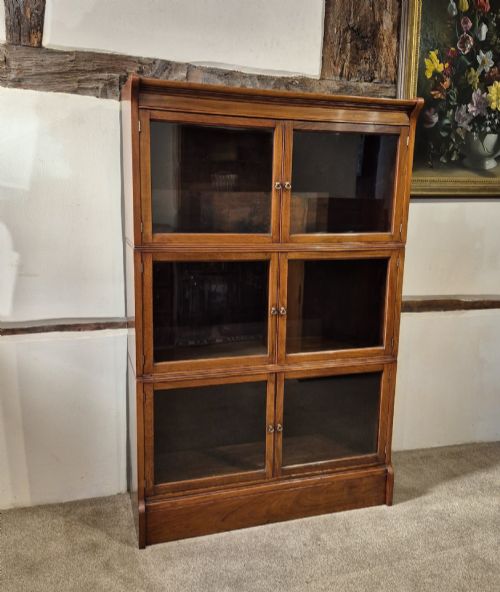
Early stacking bookcases let Victorian readers literally build their libraries upwards like architectural building blocks.
Determinants of Quality
The selection of timber grain largely dictates the visual impact, with figured mahogany, burr walnut, and kingwood appearing on higher-tier exhibition pieces. Subtle marquetry inlays, boxwood stringing, and ormolu mounts indicate elevated craftsmanship.
Proportion and scale distinguish standard utility pieces from grander library cabinets built for formal rooms. Refined glazing bar construction and integrated architectural cornices reflect greater skill in the cabinet workshop.
T. Inglesant & Sons Leicester
The Antique Book Display Cabinet Glossary
- Breakfront
- A piece of furniture whose central section projects forward from the flanking wings. This architectural arrangement creates depth and shadow on large library cabinets.
- Astragal glazed
- Doors divided into smaller glass panes held together by slender wooden glazing bars. This traditional method allows clear visibility while maintaining structural strength.
- Burr walnut
- Timber taken from the gnarled growths of a walnut tree, showing dense, swirling knot patterns. Cabinet makers prized this wood for high-status veneered surfaces.
- Waterfall bookcase
- A set of open shelves stepped back in successive tiers from bottom to top. The profile resembles cascading water.
- Secretaire
- A cabinet incorporating a pull-down writing drawer with fitted internal compartments. It combines desk functionality with upper bookcase storage.
Antique Book Display Cabinet: Frequently Asked Questions
What is an antique book display cabinet?
An antique book display cabinet is a piece of furniture designed to house volumes while displaying them behind glass doors or on open shelves. These pieces combine the function of a traditional bookcase with the presentation qualities of a vitrine.
Such cabinets served in period libraries, drawing rooms, and studies to protect valuable bindings from dust while keeping them visible. They range from large multi-section breakfront units to small open shelves.
How do I date an antique cabinet?
Dating relies on observing timber choices, construction techniques, and stylistic ornament. Georgian and Regency pieces often feature clean lines and mahogany, whereas Victorian examples tend towards heavier carved oak and burr walnut.
Edwardian and Art Deco pieces introduce lighter oak, geometric leaded glass, and streamlined shapes. Secondary timbers inside drawers and backboards also provide clues to the period of manufacture.
Can I adjust the shelf heights?
Many period bookcases feature adjustable wooden shelving supported by rack-and-pinion mechanisms or traditional wooden support strips. This system allowed owners to accommodate books of varying sizes.
Original adjustable shelving is common in better-quality Victorian and Georgian library cabinets. Fixed shelves appear more frequently in simpler or smaller vernacular pieces.
How do I care for wood and glass?
Preserving these cabinets involves maintaining stable indoor humidity to prevent timber warping and veneer cracking. Regular dusting with a soft dry cloth protects polished mahogany, walnut, and oak surfaces.
Glass panels require gentle cleaning with standard window solutions applied to a cloth rather than sprayed directly near timber. Avoiding direct sunlight preserves the natural colour of antique wood finishes.