



Antique Bone China Cup
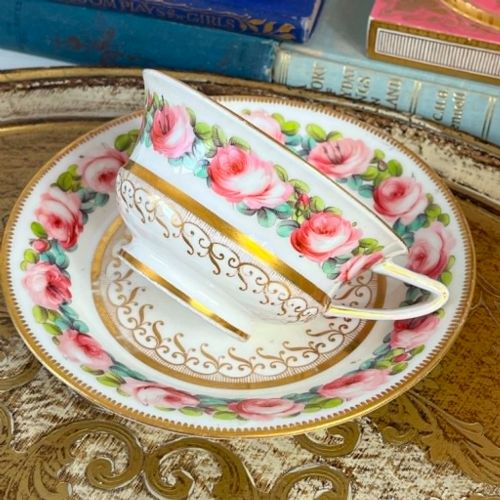
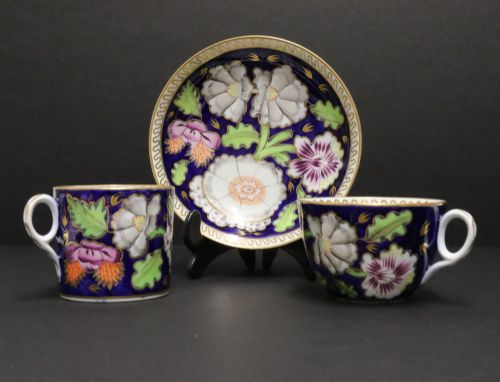
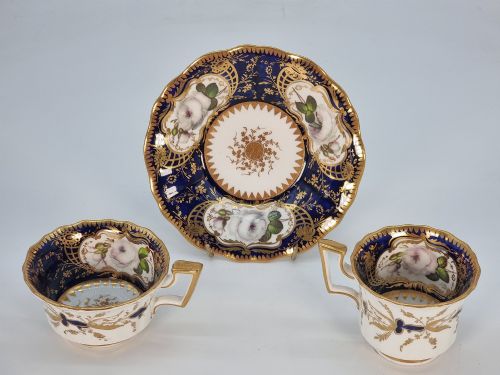
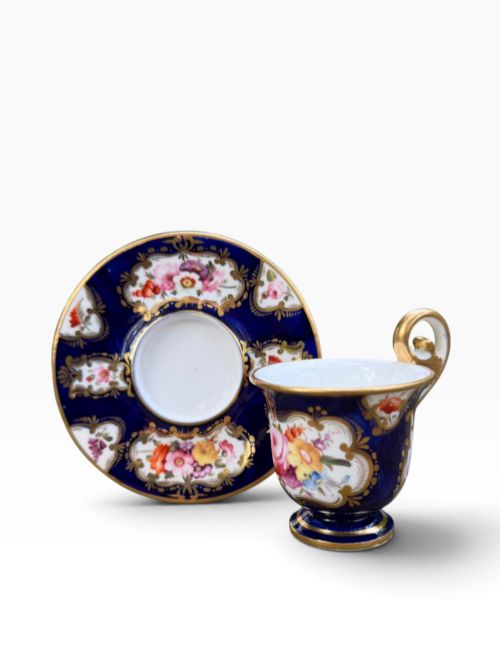
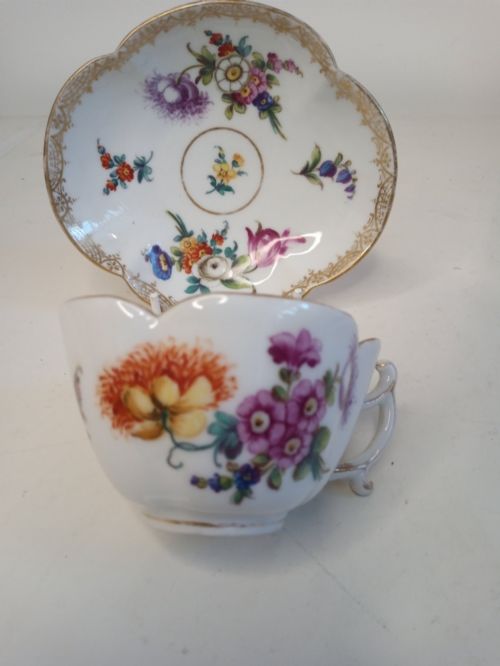
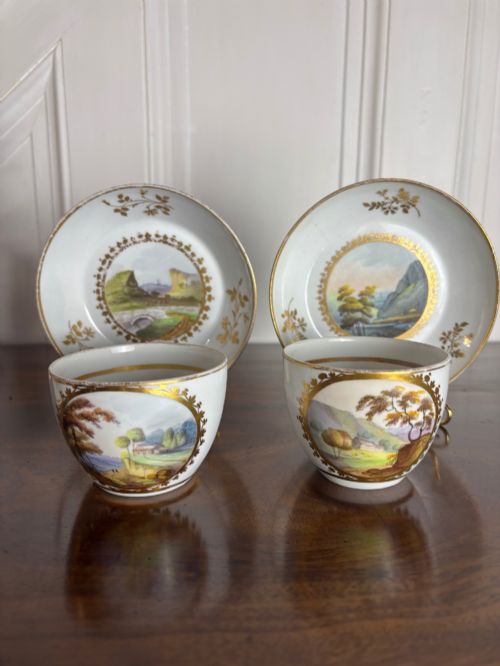
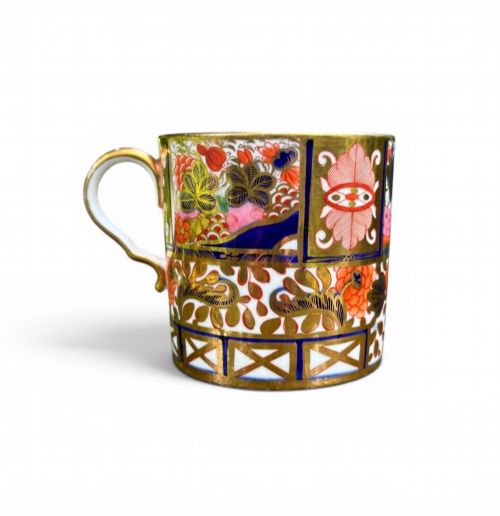
These antique bone china cup examples unite fine historic porcelain, gold leaf, and handpainted enamel across Georgian, Regency, and Victorian periods.
Antique Bone China Cup
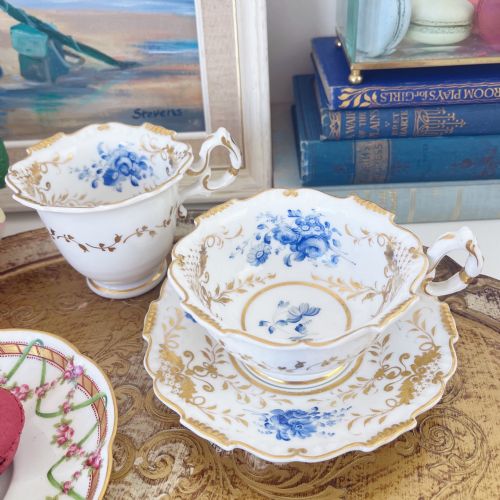
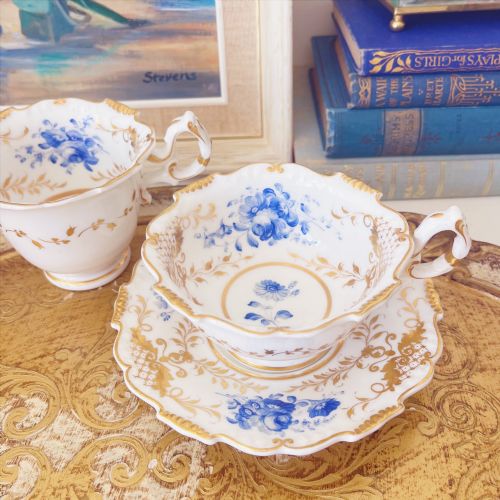
An antique bone china cup represents a sophisticated drinking vessel intended for tea, coffee, or chocolate, frequently formed as part of a duos, trios, or larger service.
The pieces on this page span from Georgian and Regency eras through to Edwardian and later twentieth century production, encompassing forms such as teacups and saucers, coffee cans, and cabinet cups.
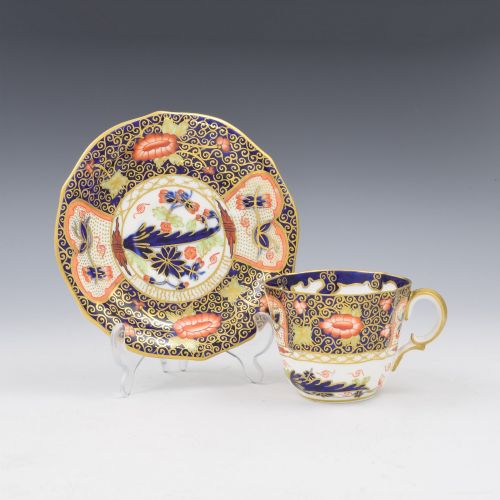
Makers recorded here range from historic factories like Spode and Coalport to Royal Worcester, presenting styles that move from English traditional and Imari patterns to neoclassical designs.
How they were made
Potters constructed these items using fine porcelain and bone china bodies, often shaping them into specialised forms like coffee cans, beakers, and teacups with matching saucers.
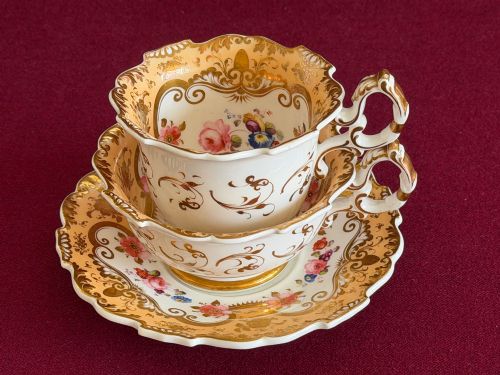
Decoration relied heavily on handpainted enamel pigments, complemented by gold leaf, gilding, and gold gilt accents applied to the ceramic surface during firing.
Early nineteenth-century potters painted curious scenes featuring exotic beasts and quirky livestock with charmingly determined expressions.
What varies in quality
Quality separates standard production wares from high cabinet pieces through the precision and artistry of the handpainting, such as detailed botanical or landscape scenes executed by named decorators.
The application and preservation of gold leaf, gilding, and gold gilt embellishments distinguish superior sets, alongside the fineness and translucency of the underlying bone china or porcelain body.
Royal Crown Derby·H and R Daniel·Newhall porcelain·Coalport John Rose·Davenport Porcelain·Flight Barr and Barr·Royal Worcester·Doric China
The Antique Bone China Cup Glossary
- Trio
- A matching set comprising a teacup, a coffee cup, and a saucer. These combined groupings offered versatility for serving different hot beverages at the table.
- Coffee can
- A straight-sided cylindrical cup designed specifically for drinking strong coffee. They are typical of the Regency and Georgian periods.
- Imari
- A decorative style inspired by Japanese export porcelain featuring rich underglaze blue, iron red, and extensive gilding. English factories adopted this palette widely in the nineteenth century.
- Cabinet cup
- A decorative or high-status cup intended for display in a cabinet rather than daily use. They often showcase exceptional handpainted artwork and intricate gilding.
Antique Bone China Cup: Frequently Asked Questions
What is the difference between a tea cup and a coffee can?
Tea cups of the Georgian and Regency periods are typically wider and shallower, shaped to let hot tea cool slightly before drinking.
Coffee cans are taller and feature straight, cylindrical walls designed to keep strong coffee warm.
How do I identify a Regency period cup?
Regency cups often display crisp neoclassical shapes, delicate handles, and refined handpainted motifs or Imari patterns.
They frequently form part of a trio that includes both a teacup and a coffee cup alongside the saucer.
Can I use my antique cup for daily tea?
These historic vessels require careful handling due to their delicate bone china bodies and handpainted enamel surfaces.
Hand washing in warm water without abrasive detergents preserves the fragile gold leaf and painted details.
What does cabinet cup mean?
A cabinet cup refers to a highly decorative piece intended for display in a collector's cabinet rather than everyday dining.
These items usually feature superior artistry, such as detailed landscape miniatures or elaborate gilding.