




Antique Boat Landscape
Antique boat landscape paintings capture the enduring romance of coastal and river life, offering collectors a serene window into maritime history.
Antique Boat Landscape
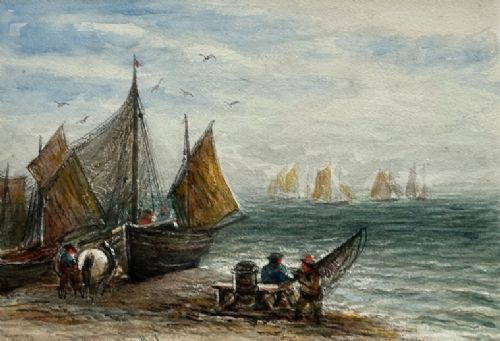
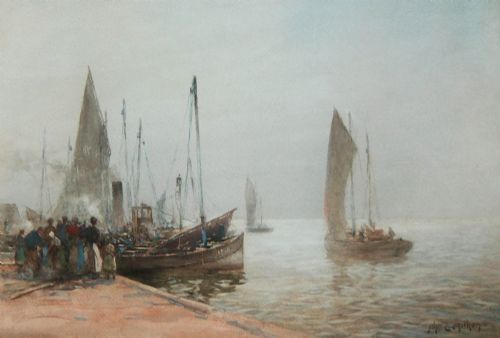
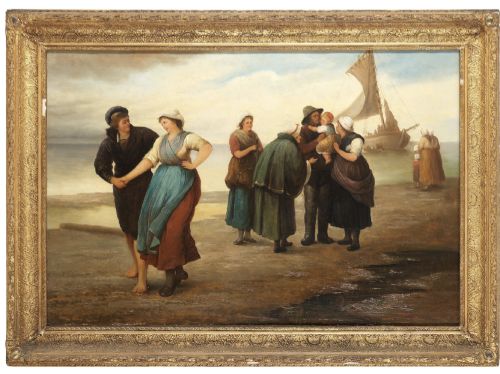
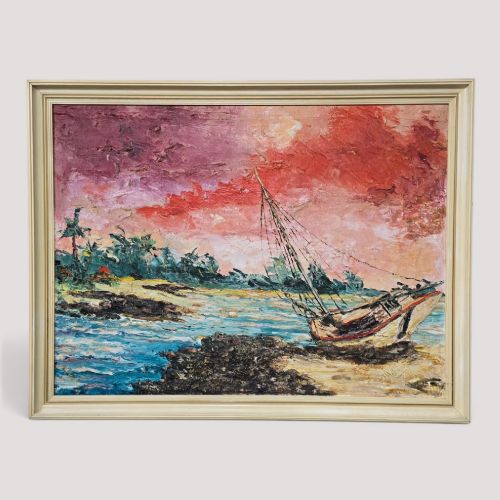
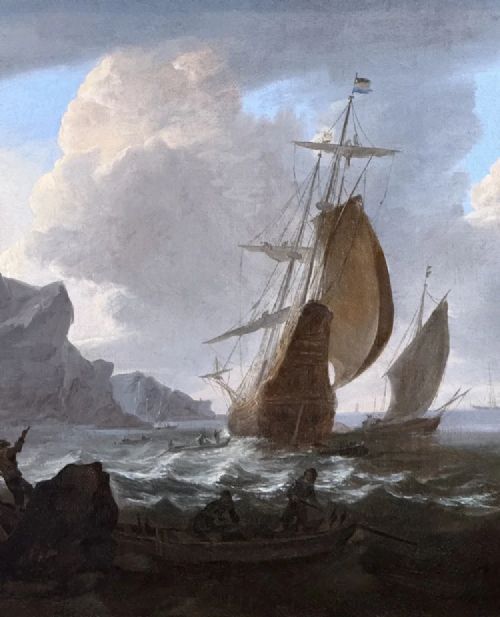
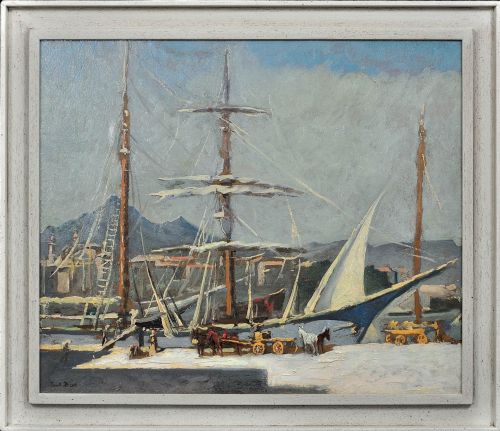
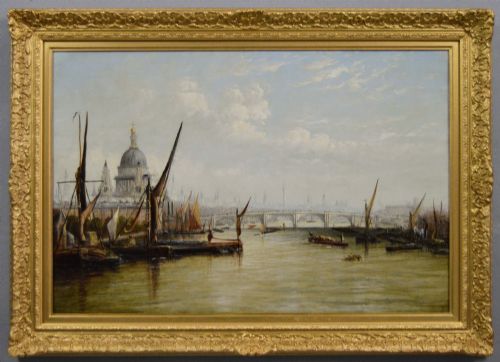
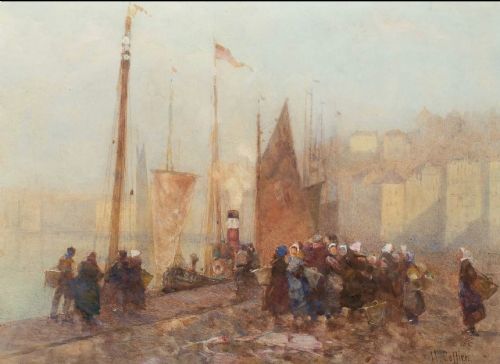
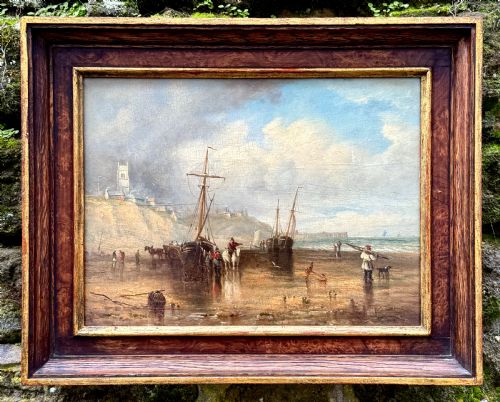
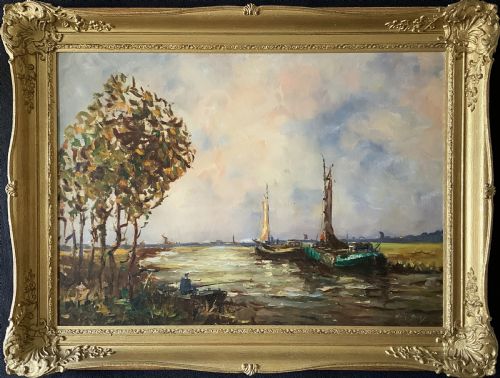
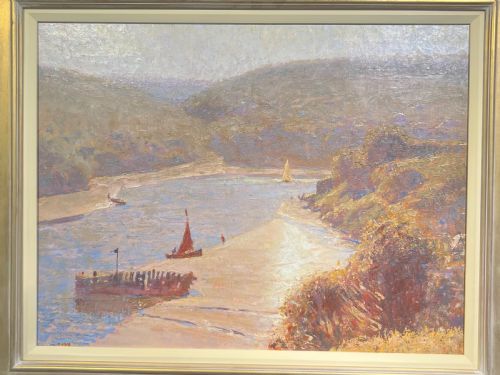
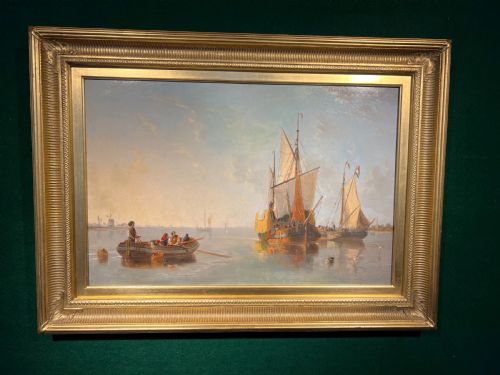
When you examine an antique boat landscape, you are looking at fine art capturing vessels upon coastal waters, bustling harbours, quiet rivers and estuaries.
The most common examples encountered on this page originate from the nineteenth century and the early twentieth century, spanning British, French and Dutch traditions.
These works range from intimate watercolour paintings on paper to large oil paintings on canvas, frequently housed within decorative gilt wood frames.
Materials and Techniques
Artists relied primarily on oil paint applied to stretched canvas or wooden panels, as well as watercolour pigments worked onto heavy paper surfaces.
Canvas works often incorporated gesso preparation layers beneath the paint to build rich texture and depth within maritime scenes.
Several harbour paintings hide tiny, nearly invisible fishermen huddled against the spray in the distant corners of the canvas.
Judging Quality
Quality rests upon the artist's handling of atmospheric light, water movement and perspective within the coastal or river setting.
Superior examples demonstrate confident brushwork and precise draughtsmanship that bring vessels and coastal architecture to life.
The preservation of the original paint surface and the historical integrity of the matching frame significantly influence the desirability of each piece.
James Orrock·Bonaventura Peeters·Thomas Creswick·John Moore of Ipswich·George Stanfield Walters·Thomas Bush Hardy
The Antique Boat Landscape Glossary
- Seascape
- A work of fine art depicting the sea, coastal views or maritime scenes. These paintings frequently feature fishing boats, merchant vessels or dramatic shorelines.
- Gesso
- A plaster-like mixture applied to wooden panels or frames as a base before gilding or painting. It provides a smooth surface for decorative mouldings.
- Watercolour
- A painting method where water-soluble pigments are suspended on paper. It allows for translucent washes that suit atmospheric skies and water.
- Provenance
- The documented history of ownership surrounding an artwork. A clear record helps confirm the origin and authenticity of older paintings.
- Impressionism
- A style of painting emphasising spontaneous brushstrokes and shifting light. Artists working in this manner focused on capturing transient outdoor moments.
Antique Boat Landscape: Frequently Asked Questions
How do I date an antique marine painting?
Dating relies heavily on the artist's active period, the costume of any figures depicted, and the style of the watercraft shown in the composition.
Physical indicators such as the type of canvas stretcher, framing materials, and old gallery labels on the reverse also provide reliable chronological markers.
Were these paintings created outdoors or in studios?
Many nineteenth-century artists began their process with pencil or watercolour sketches completed on location beside the harbour or riverbank.
They then used these observational studies to finish larger, more detailed oil paintings back within their studio spaces.
How should I care for an oil painting on canvas?
Keep paintings away from direct sunlight, high humidity, and rapid temperature fluctuations to prevent the canvas and paint layers from cracking.
Dust the surface gently with a soft, dry brush and avoid using any liquid cleaners or chemical solvents on the paint.
What is the difference between a maritime and river scene?
Maritime scenes specifically focus on coastal waters, the open sea, harbours, and salt-trading ships encountering tidal movements.
River landscapes centre on inland waterways, canals, and freshwater trade routes featuring smaller river barges and pastoral banks.